


 Česky (CZK)
 Slovensky (EUR)
 Deutsch (EUR)
 Austria
 Belgium
 Bulgaria
 Croatia
 Denmark
 Estonia
 Finland
 France
 Germany
 Greece
 Hungary
 Italy
Italy Latvia
 Lithuania
 Luxembourg
 Netherlands
 Poland
 Portugal
 Romania
 Slovenia
 Spain
Spain Sweden










How to work with coconut in savory and sweet dishes: milk, cream, desiccated coconut and oil
Coconut in the kitchen does not mean “one ingredient.” Under the same word are hidden coconut milk, cream, concentrated creams, desiccated coconut, oil, sugar and other products – and each behaves differently. In this guide you will clarify the differences, learn to read labels and gain practical rules for how to use coconut in curry, soups and desserts so that the food is neither watery nor excessively “coconutty.”
Coconut is not a single ingredient: why the type matters
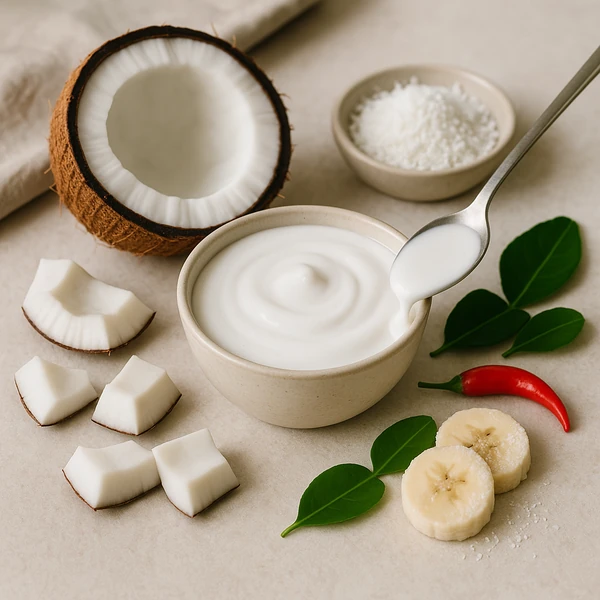
Coconut is one of the most versatile ingredients of tropical Asia, but in practice it is important to understand that it is not a single ingredient. From one fruit you can get coconut water, fresh flesh, coconut milk, coconut cream, concentrated coconut cream, coconut oil, coconut sugar, coconut vinegar, desiccated coconut, coconut flour and other specialized products.
These products differ significantly in taste, texture, fat content and how much “coconut aroma” they carry versus how much body (richness) and fineness they bring. Once you start noticing those differences, recipes will make more sense: in some places coconut only smooths sharp edges, elsewhere it should be the main carrying flavor.
🍳 Basic families of coconut products: quick orientation in the kitchen
Coconut water
Coconut water is a separate category – light, watery and typically intended more for drinking than as a base for sauces. Do not substitute it for coconut milk in recipes: milk provides fat and creaminess, water does not.
Coconut milk vs. coconut cream
For cooking the two most important related but different things are coconut milk and coconut cream. Both come from coconut flesh and water, but they differ in richness and usually in fat content. Practically this means:
- Coconut milk is suitable as a universal base for curries, soups and sauces where you want creaminess but still some “fluidity.”
- Coconut cream is used where the result should be richer and fuller – that is, when you want more thickness and a fuller coconut impression.
For both it applies that they can vary significantly between brands and styles. That’s why it’s important not to assume that “coconut milk” is always one standard.
Concentrated coconut cream and coconut cream: intensity without excess water
Concentrated coconut cream is useful where you need high coconut intensity and minimal water – for example for dense coconut bases, coconut puddings and creams or dishes where coconut should play the main role, not just a supporting one.
Watch out for the term “coconut cream”: it can be purely a culinary product intended for cooking, but it can also be partly dessert-like (for example sweetened or otherwise flavored). Without reading the label you cannot automatically tell – and that is one of the common sources of disappointment.
Light coconut milk: when it makes sense and when it harms
Light variants are lighter, often more watery. They can be useful when you want just a gentle coconut hint or work with beverages and lighter recipes. In curry or desserts, however, they can make the result flat, less creamy and taste “blander.”
Desiccated coconut, shredded coconut and coconut chips
Desiccated (shredded) coconut and coconut chips are made from the flesh that is dried and further processed. In Asian cuisine they are used in both sweet and savory recipes.
- Shredded/desiccated coconut is added to desserts, fillings, sweet rice and puddings, but also to some curries and regional sauces. In savory dishes it can add body, texture and a gentle sweetness – more notably in South Indian, Sri Lankan, Malaysian and Indonesian cuisine.
- Coconut chips are suitable as a snack, topping or decoration – that is, where you want to keep larger pieces and crunch.
Coconut oil: flavor footprint vs. neutral frying
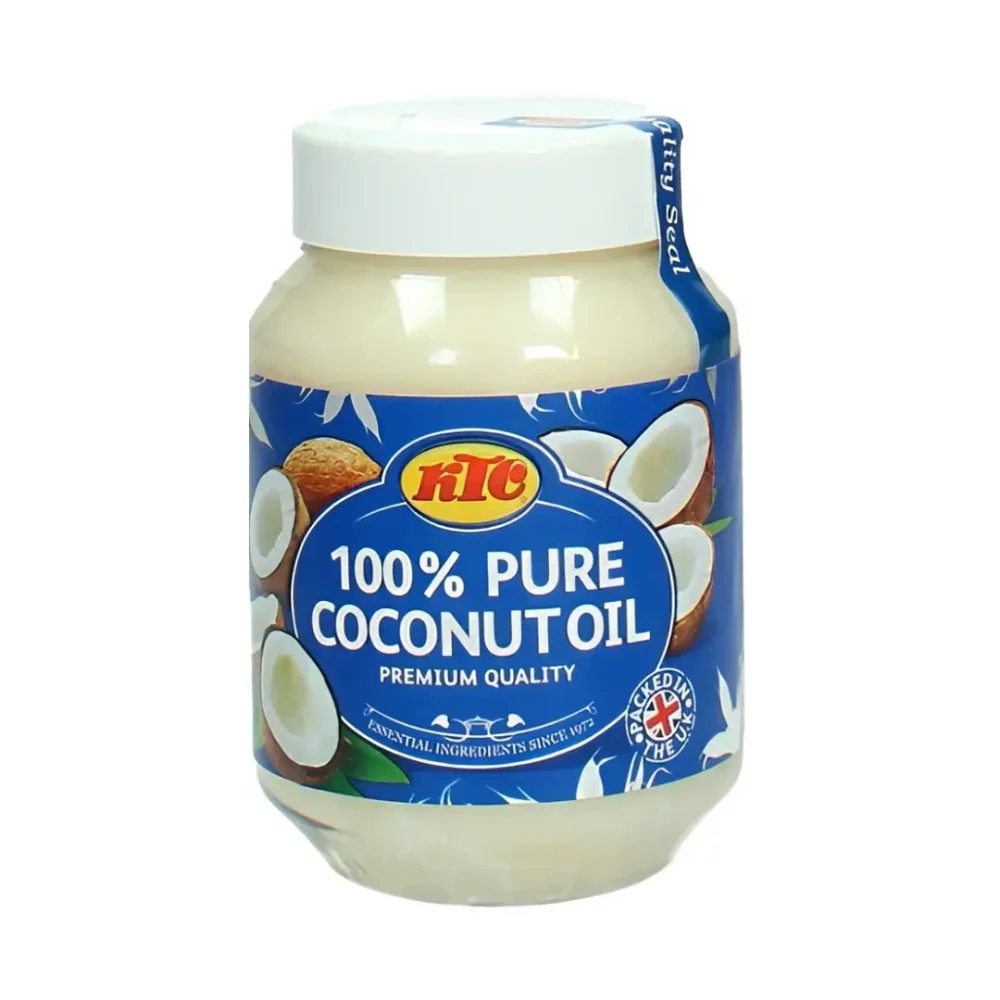
Coconut oil is used for sautéing, cooking and baking. In practice it pays to distinguish whether you want oil with a coconut aromatic footprint or, conversely, as neutral a fat as possible. General rule: refined coconut oil is usually more suitable when you do not want coconut aroma, while virgin (unrefined) is suitable where a coconut note does not bother you or you even want it.
As a practical example for everyday cooking you can reach for KTC 100% coconut oil.
How to read the label on coconut milk and cream (and not be surprised by the result)
Coconut milk is a typical category where packaging can easily mislead. What matters for cooking is mainly: the ratio of coconut component to water, the expected richness, and also how the product behaves after opening and heating.
What to specifically watch for when choosing:
- Whether you want thick coconut milk for cooking, or a milder variant for lighter dishes or beverages.
- Whether it makes more sense for curry, desserts, or just for gently smoothing a sauce.
- Whether it contains stabilizers and to what extent (they practically affect consistency and stability after heating).
A practical experience that often saves nerves: separation of the fatty part is not automatically a “flaw” – it can happen with fuller products. Instead of panicking, thorough mixing (or briefly heating and mixing) usually helps, and only then judge the consistency in the dish.
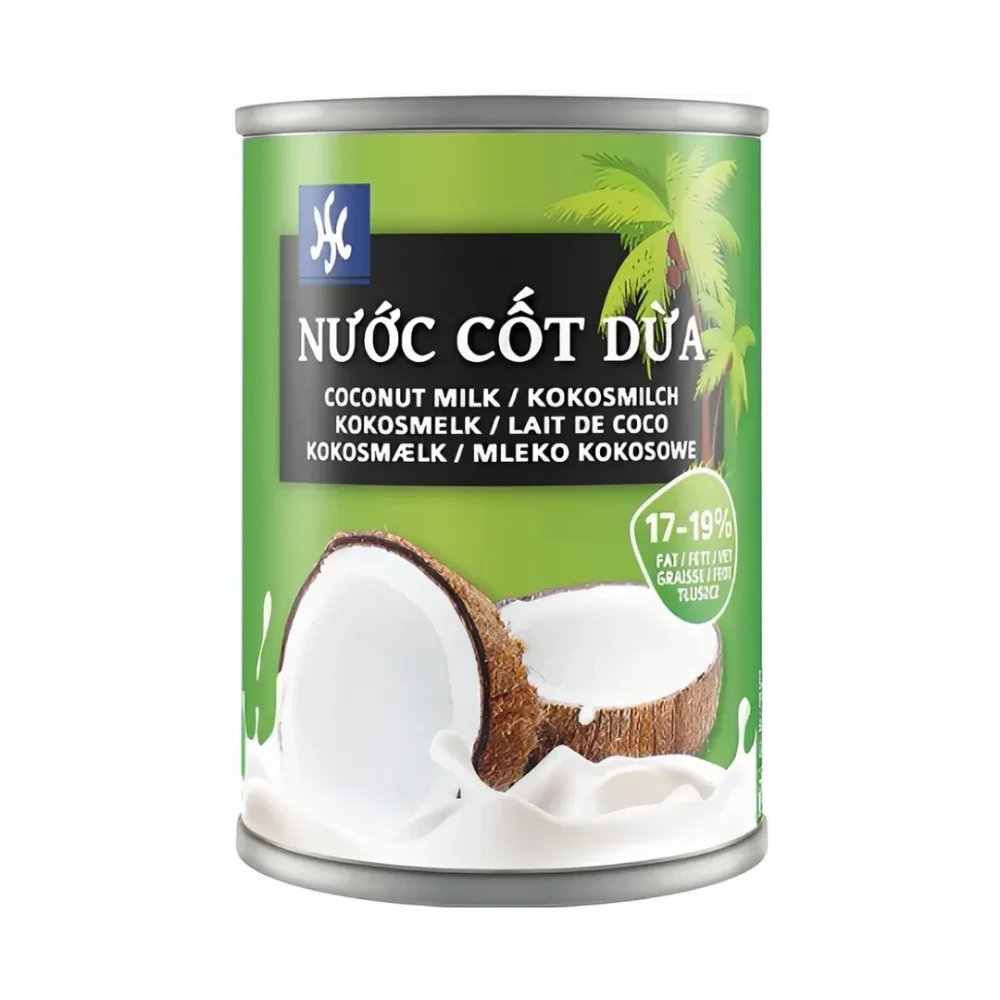
If you want a fuller base, typically the full-fat variant of coconut milk is suitable. As an example of a product used where you need creaminess in both savory and sweet dishes, you can choose H&S coconut milk 17–19%.
For broader orientation in types of coconut milks and creams, a directory can also help Coconut milk.
How to work with coconut in savory dishes: curries, soups and sauces
In savory cooking coconut is a powerful tool – and precisely because of that it can easily overpower a dish if used without thought. It works best when you treat it as a “regulator”: it adds creaminess, smooths spiciness and acidity, but it can also mute aromatics if you add too much.
Five rules that almost always work
- Pour gradually and taste. At home it’s practical to add coconut milk in smaller amounts (for example by a few spoons or small “dashes” from the can), always stir, briefly simmer and only then decide if you want more.
- A strongly aromatic curry paste tolerates more coconut than a delicate vegetable sauce. The more intense the base, the more coconut it can carry without the flavor falling into “sweet creaminess” without character.
- Coconut cream is suitable where you want richness and fullness – typically for thicker sauces or where coconut should play a prominent role.
- In acidic soups and sauces often a smaller amount is enough: coconut should rather “round off” the result than take over.
- Coconut sugar (if the recipe uses it) is useful when you want to soften sharp acidity or spiciness without the dish tasting overtly “sugary.”
How coconut helps with spiciness (and why adding water is often not enough)
When a dish is too spicy, the instinct is to “dilute” – but water often does not bring real relief, it just increases volume. In practice it is more effective to add something creamy and fatty: coconut milk or cream, or another fatty component, and only then rebalance sweetness and acidity.
Home rescue rule: if the dish is only a bit too hot, add coconut milk in small amounts, stirring each time, briefly reheat and taste. When spiciness is aggressive, it often helps to separate part of the dish, “mild” it separately and then carefully combine.
How to work with coconut in sweet dishes: when coconut carries the main flavor
In sweet cooking coconut works differently than in savory. It is not just an opponent to chili or acids, but often carries the entire aroma of the dish. That is why the difference in quality of the coconut base is even more visible in desserts: weak and watery coconut milk will make a dull result, while a fuller product will give a creamy, fragrant base.
Coconut pairs well in sweet dishes especially with:
- mango and other tropical fruits,
- pandan (pandan aroma),
- tapioca,
- rice,
- black sesame,
- taro and ube (starchy tubers with distinctive color and flavor),
- palm and coconut sugar.
Practical choice by dessert type:
- If you want coconut puddings and creams or generally dense coconut bases, coconut cream or a more concentrated coconut product often makes the most sense – because it provides intensity and creaminess without unnecessary water.
- If the result should be lighter (for example the coconut note only as an accompaniment), a milder coconut milk may suffice – just bear in mind that the coconut flavor can easily “get lost” next to strong ingredients.
For inspiration on what to sweetly pair with coconut, it often pays to choose fruits according to whether you want a fresher contrast or a creamy sweetness. A directory can help Fruit and fruit products.
Most common mistakes (and how to quickly fix them)
1) “Coconut milk is always the same”
The most common mistake is treating coconut milk as a standardized thing. In reality it varies in thickness, fat content, ratio of coconut component to water and how stable it is after heating. The fix is simple: choose the product according to its use (curry vs. soup vs. dessert) and read the label.
2) Overdoing it with coconut: the dish becomes “just coconut”
Coconut can be dominant. If a sauce or soup starts to taste flat and “sweetly creamy,” it often helps to:
- bring the aromatics of the base back into play (for example strengthen the curry paste, if you use it),
- increase acidity or salt (but carefully and gradually),
- next time add coconut milk in smaller amounts and taste continuously.
3) Confusing “coconut cream” with a purely culinary ingredient
Some coconut creams may already be partly dessert-like (for example sweetened/flavored). If you accidentally use them in savory cooking, the result may shift into an odd sweetness. Prevention: reading the label is really essential for coconut creams.
4) Panic over separated fat
In fuller coconut products the fat can separate. Before condemning the product, try mixing it thoroughly first (or briefly heating and mixing) and only then assess the consistency in the finished dish.
5) Trying to “extinguish” spiciness with only water
Water often will not solve spiciness – it will mostly just increase volume. When you want to tone down heat without ruining the dish, it usually works better to add creaminess (for example coconut milk), a bit of sweetness and possibly balance with acidity so the flavor does not fall apart.
What to take away from the article
- Coconut is a family of products – coconut water, milk, cream, concentrated creams, oil and desiccated coconut each have different uses and different effects in food.
- In savory dishes coconut softens and rounds, but can easily overpower aromatics: add gradually and adjust the amount to the strength of the base.
- In sweet dishes coconut often carries the main flavor, so the quality and richness of the coconut base is key – especially for puddings, creams and dense coconut desserts.
- Reading the label is a practical skill for coconut milk and cream: it determines thickness, stability and suitability for curries, desserts or drinks.
- Desiccated coconut and chips are not just for baking – in savory cuisine (e.g. South Indian, Sri Lankan, Malaysian and Indonesian) they add texture, body and a subtle sweetness.

Read next
If you want to explore this topic further, continue with these related blog guides and articles:
