

 Česky (CZK)
 Slovensky (EUR)
 Deutsch (EUR)
 Austria
 Belgium
 Bulgaria
 Croatia
 Denmark
 Estonia
 Finland
 France
 Germany
 Greece
 Hungary
 Italy
Italy Latvia
 Lithuania
 Luxembourg
 Netherlands
 Poland
 Portugal
 Romania
 Slovenia
 Spain
Spain Sweden










Delicacy Paprika ASTA 160: Gentle Sweetness, Deep Color, and a Reliable Spice for Hot Cooking
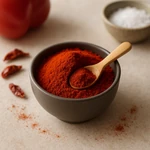
🌶️ What “Delicacy Paprika ASTA 160” actually is
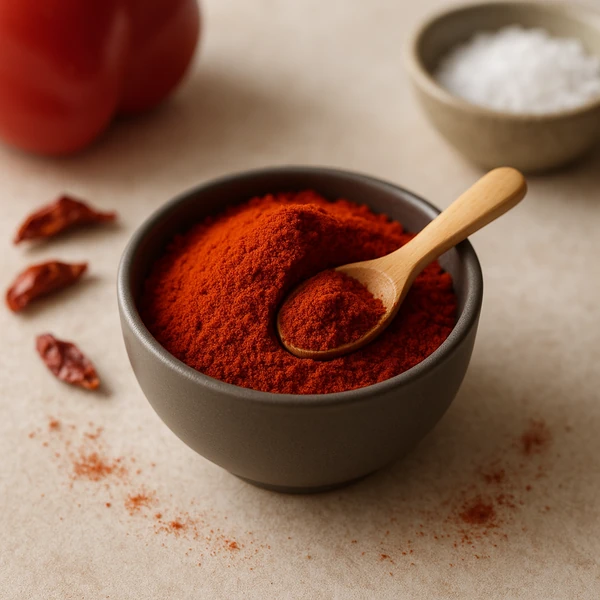
Delicacy paprika is ground dried sweet peppers. Unlike chili powder or hot paprika, its main job is not spiciness—it’s color, gentle sweetness, and a rounded aroma that supports other ingredients.
In everyday cooking, it’s the spice you reach for when you want a stew to look richer, a sauce to feel more “complete,” or a marinade to develop an appetizing red-gold hue during roasting or pan-frying.
✨ ASTA 160: why the number matters
ASTA is a commonly used industry reference for paprika’s color intensity (based on a standardized measurement used in the spice trade). In practical terms:
- Higher ASTA = stronger coloring power, so you often need less paprika to achieve a vibrant result.
- More consistent appearance from batch to batch when you cook “by eye.”
- Great for mild dishes where you want color and aroma without adding heat.
ASTA is primarily about color, not “quality” in a broad sense. Aroma, sweetness, and freshness still depend on processing and storage—but if color is important to you, an ASTA 160 paprika is a solid benchmark.
🍳 How to cook with sweet paprika (without bitterness)
Sweet paprika is flavorful but heat-sensitive. The most common mistake is frying it too long at high temperature, which can make it bitter. Use these simple rules:
- Bloom briefly, then add liquid: stir paprika into oil/onion for just a few seconds, then immediately add stock, tomatoes, coconut milk, or water.
- Stir in later for aroma: add a small pinch toward the end of cooking to refresh the paprika note.
- Build color gradually: it’s easier to add more than to fix an overdone, bitter base.
- Use fat as a “carrier”: paprika’s color and aroma disperse best in oil, butter, or coconut milk.
🧂 Flavor pairings that work (including Asian-friendly combos)
Sweet paprika plays well with both European comfort food and many Asian pantry staples because it adds warmth and color without fighting for attention.
- Onion + garlic: a classic base that highlights paprika’s gentle sweetness.
- Tomato, tamarind, or fermented sauces: paprika softens sharp acidity and rounds the flavor.
- Cumin, coriander, black pepper: a reliable trio for stews, beans, roasted vegetables, and dry rubs.
- Soy sauce or fish sauce: paprika contributes color and “body,” while these add umami and salt.
- Coconut milk: a pinch of paprika can deepen the golden-red tone of mild curries and creamy sauces.
- Rice vinegar or citrus: a little acidity prevents paprika-based sauces from tasting flat.
Choosing the right paprika: quick checklist
If you’re buying sweet paprika mainly for hot cooking (soups, stews, sauces, marinades), focus on these points:
- ASTA rating: higher numbers typically mean stronger coloring power.
- Style: sweet (mild) vs. hot; smoked vs. non-smoked. Delicacy paprika is usually non-smoked and mild.
- Freshness: paprika should smell pleasantly peppery-sweet. If it’s dusty and bland, it won’t deliver much flavor or color.
- How you cook: for long-simmered dishes, color stability matters; for finishing, aroma matters—keeping paprika fresh is key.
Storage: keep the color and aroma longer
Ground paprika fades faster than many whole spices. To slow that down:
- Store in an airtight container.
- Keep it in a cool, dark cupboard (light dulls the red pigments).
- Avoid the area right next to the stove where heat and steam fluctuate.
- Always scoop with a dry spoon to prevent clumping and moisture.
A good practical test: if the color looks more brick-brown than red and the aroma is weak, it’s time to refresh your paprika.
Quick kitchen tip: paprika “slurry” for even color
If you want maximum color without risking bitterness, mix paprika with a spoonful of warm oil (or a little cooking liquid) into a smooth paste, then stir it into the pot. This helps it disperse evenly and avoids scorching.
Simple usage idea (no special ingredients)
Warm paprika sauce base: gently sauté onion and garlic in oil, take the pan slightly off the heat, stir in 1–2 tsp sweet paprika, then immediately add tomatoes or stock. Simmer 10 minutes and season with salt, a touch of acidity (vinegar or citrus), and black pepper. Use as a base for chickpeas, chicken, tofu, or roasted vegetables.
Our picks (relevant products)
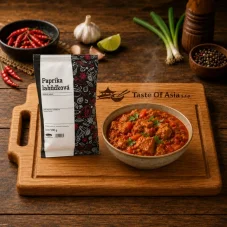
- Drana Delicacy Paprika ASTA 160 500 g – for cooks who want vivid color with a mild, versatile paprika profile.
- Drana Sweet Hungarian Paprika ASTA 500 g – an alternative sweet paprika option if you’re comparing aroma and coloring strength.
❓FAQ
Is ASTA 160 spicy?
Not necessarily. ASTA refers to coloring power, not heat. Delicacy/sweet paprika is typically mild.
Why did my paprika turn bitter?
Most often it was fried too long or too hot. Add it briefly, then quickly add liquid, or stir it in later.
Can I use sweet paprika in stir-fries or curries?
Yes—use it as a supporting spice for color and warmth. Add a small amount with the sauce, and avoid burning it in a dry-hot pan.

Recommended products1
Drana Delicacy Paprika ASTA 160 500 g
Read next
If you want to continue with the same topic, here are more related articles to explore: