

 Česky (CZK)
 Slovensky (EUR)
 Deutsch (EUR)
 Austria
 Belgium
 Bulgaria
 Croatia
 Denmark
 Estonia
 Finland
 France
 Germany
 Greece
 Hungary
 Italy
Italy Latvia
 Lithuania
 Luxembourg
 Netherlands
 Poland
 Portugal
 Romania
 Slovenia
 Spain
Spain Sweden










Seasoning for Chicken: How to Choose the Right Flavor (and When to Use a Paste or Sauce)
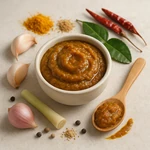
Why “chicken seasoning” isn’t just one thing 🌶️
In everyday cooking, “seasoning for chicken” can mean anything that builds a clear, recognizable flavor with minimal effort. In many Asian cuisines, that often goes beyond a dry spice blend. You’ll commonly see these formats:
- Dry spice blends (rubs, coatings, or seasoning mixes)
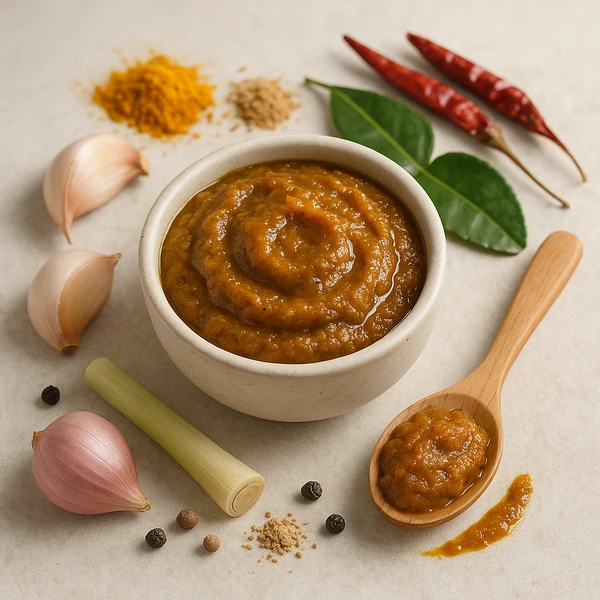
- Curry pastes (concentrated aromatics that you fry briefly to release fragrance)
- Ready-made sauces (pour-and-cook options for stir-fries or glazed chicken)
- Marinades (a seasoning system: salt + aromatics + fat + a bit of sweet/acid)
Each one behaves differently in heat, sticks to the meat differently, and gives you a different “style” of finished dish—crispy and roasted, saucy and comforting, or fast and wok-like.
Pick the flavor first: 5 easy directions 🍋
If you decide on the flavor profile before you shop, choosing becomes much simpler. Here are common, chicken-friendly directions that show up across Asian-inspired cooking:
- Citrusy & aromatic: lemongrass, lime, ginger, garlic; bright finish, great with rice and crunchy vegetables.
- Creamy curry: warm spices plus coconut milk or stock; ideal for thighs, drumsticks, or chunks of breast cooked gently.
- Wok umami: soy-like savoriness, garlic, pepper, a touch of sweetness; built for quick stir-fry strips.
- Smoky & grilled: dry rubs with toasted spices; excellent for skewers, wings, or oven-roasted pieces.
- Hot & tangy: chili-forward pastes/sauces, often balanced with sugar and a finishing squeeze of citrus.
Dry mix vs. paste vs. sauce: when each makes sense 🍳
Dry spice mixes (rubs and coatings)
Best for: roasting, grilling, air-frying, and any method where you want a flavorful crust.
- Pros: great browning, easy portioning, good control over salt and heat.
- Watch-outs: fine spices can burn on very high heat; sugar-containing blends can darken fast.
- Practical tip: mix the seasoning with a little oil before rubbing it onto chicken—better adhesion, more even browning.
Curry pastes (concentrated aromatics) 🧄
Best for: curries, braises, and sauce-based dishes where you want depth with little prep.
- Pros: layered aroma (shallot/garlic/ginger/chili), reliable results, fast “restaurant-style” fragrance when handled correctly.
- Watch-outs: pastes vary in salt and chili level; the aroma can taste “flat” if you skip blooming it.
- Practical tip: fry the paste in oil for 30–60 seconds over medium heat until very fragrant, then add chicken and liquid (coconut milk/stock) to build the sauce.
Ready-made sauces (stir-fry, glaze, simmer sauces) 🔥
Best for: weeknight cooking and consistent flavor without measuring multiple ingredients.
- Pros: quickest route to a recognizable dish style; easy to use with vegetables and noodles.
- Watch-outs: many are already salty and/or sweet; reduce first, then adjust after simmering.
- Practical tip: for stir-fry, add sauce near the end and toss quickly; for thicker glaze, simmer briefly to reduce.
Match the format to the cut of chicken
- Breast: shines in quick stir-fries and light sauces. Avoid long simmering (it dries out). Consider slicing thinly and cooking hot and fast.
- Thighs/drumsticks: more forgiving and ideal for curry pastes and simmered sauces.
- Wings: perfect for dry rubs or sticky sauces; high surface area means big flavor.
- Whole pieces with skin: dry mixes/rubs excel—skin crisps and carries aroma.
Simple techniques that make chicken taste “finished”
- Bloom aromatics (especially pastes): that short sizzle in oil is where much of the fragrance is created.
- Salt thoughtfully: with pastes and sauces, wait until the dish has simmered, then adjust—many products already contain salt.
- Acid at the end: lime/lemon or a mild vinegar added right before serving lifts the whole dish without making it sour.
- Balance heat with sweetness: a small amount of sugar or sweet vegetable (onion, carrot) rounds sharp chili notes.
- Don’t overcook: breast needs brief cooking and a short rest; curry-style chicken should simmer gently, not boil hard.
A quick “curry formula” you can reuse 🥥
If you’re new to curry pastes, this basic method works with many styles:
- Heat 1 tbsp oil in a pan. Add 1–2 tbsp curry paste and fry 30–60 seconds until fragrant.
- Add 400 ml coconut milk (or half coconut milk, half stock) and bring to a gentle simmer.
- Add chicken (thigh pieces or larger chunks work best) and cook until tender.
- Taste, then adjust with a pinch of sugar and a squeeze of lime at the end.
Use less paste for mild flavor, more for a punchier result. If your paste is very intense, add extra coconut milk or stock to stretch it.
Common mistakes (and easy fixes) ✅
- Skipping the “fry the paste” step: the dish tastes one-dimensional. Fix: always bloom paste briefly in oil.
- Burning spices in a dry pan: bitterness shows up fast. Fix: lower the heat and add oil or liquid earlier.
- Salting before you taste the sauce: many sauces/pastes are already seasoned. Fix: simmer first, then season.
- Marinating too long with strong acid: texture can turn chalky. Fix: keep acidic marinades short (often 30–90 minutes is plenty).
How to store seasonings and pastes 🧊
- Dry blends: keep airtight, away from heat and light. If the aroma is faint when you open the jar, it won’t get stronger in the pan.
- Curry pastes: refrigerate after opening. For easy portioning, freeze small spoonfuls in an ice cube tray and store cubes in a bag.
- Sauces: close tightly and keep refrigerated after opening; shake or stir if separation occurs.
Our picks (when you want the paste to do the heavy lifting)
- Lobo Panang curry paste 50 g – rich, nutty-leaning curry character that pairs especially well with chicken thighs and coconut milk.
- AHG Pasta Nonya curry 50 g – a fragrant curry base for saucy chicken dishes when you want complexity without a long ingredient list.
- AHG Paste Vindaloo Curry 50 g – for a bolder, sharper curry style that benefits from a little sweetness and a creamy element.
Related categories
FAQ
Can I swap a curry paste for a dry spice mix?
They’re not direct substitutes. Pastes contain wet aromatics (like garlic/shallot) and often provide the “base” of a sauce. Dry mixes are better for crust and roasting. If you only have a dry mix, you can still make a sauce, but you’ll need extra aromatics (garlic/ginger) and a liquid base.
How much paste should I use for chicken?
A practical starting point is 1–2 tbsp paste per 400 ml coconut milk or stock, then adjust. The brand and style matter a lot—taste as you go.
Why does my curry taste dull?
Most often it’s because the paste wasn’t bloomed in oil, or the dish needs a final balance tweak: a pinch of sugar and a squeeze of lime can make the flavors pop.

Recommended products2
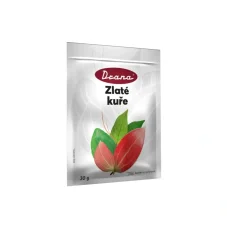
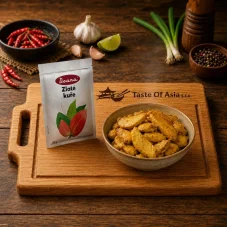
Drana Golden Chicken 30 g
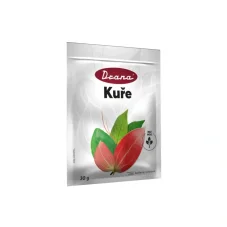
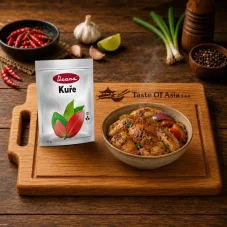

Drana Chicken 30 g
Read next
If you want to continue with the same topic, here are more related articles to explore: