


 Česky (CZK)
 Slovensky (EUR)
 Deutsch (EUR)
 Austria
 Belgium
 Bulgaria
 Croatia
 Denmark
 Estonia
 Finland
 France
 Germany
 Greece
 Hungary
 Italy
Italy Latvia
 Lithuania
 Luxembourg
 Netherlands
 Poland
 Portugal
 Romania
 Slovenia
 Spain
Spain Sweden










Overview of Asian teas and drinks: how to understand the types, flavors, and modern drinks
“Asian tea” is not one thing. The word tea covers true tea from the tea plant (Camellia sinensis), flavored blends, and also modern drinks that are based on tea but work with milk, ice, citrus, fruit concentrates, and especially texture (typically bubble tea). This overview gives you a quick orientation: what true tea is, what the major types are and why they taste completely different, how to read packaging, how to choose a style by taste, and what common misconceptions even people who “have been drinking tea for years” encounter.
🌶️ What is true tea (and why it matters)
The most important guiding point: true tea is made from the leaves of the Camellia sinensis plant. Everything else (fruit “teas”, ginger “teas”, lemon “teas”, milk teas, modern iced drinks) can be great and belong to Asian beverage culture, but botanically they are often not “tea” in the sense of tea leaves.
This difference is crucial in practice for two reasons:
- Taste and preparation style: loose leaf tea is typically steeped (and can be prepared in various ways), while many modern or fruit “teas” are more of a ready base or concentrate that is simply diluted.
- The same name does not mean the same experience: even with true tea, the same “type” on the package can taste completely different. For modern drinks, the composition (for example the sugar or milk content) and form (powder vs. pure tea etc.) often also determine the taste.
Major types of true tea: the plant doesn’t differ, but the processing does
The main types of true tea do not come from different plants. The key is the method of processing, which shapes the aroma, taste and character of the infusion. This is the basic map that makes sense to use when choosing.
White tea
White tea is among the least processed. The profile is usually delicate and light, often floral or sweetly fruity. This doesn’t automatically mean "weak tea" – it just feels subtler than bold black or dark teas.
Green tea (China vs. Japan often tastes like two different worlds)
Green tea is typical in that oxidation is stopped early .Because of this, it often retains fresh, “green” notes: grassy, seaweed-like, vegetal or nutty.
An important detail: in China, leaves are often pan-fired, while in Japan they are typically steamed. This is also a reason why Chinese and Japanese green teas commonly don’t taste the same (and why expecting one universal flavor from “green tea” doesn’t make sense).
Yellow tea
Yellow tea is rarer. Simply put, it stands between green tea and a more gently rounded profile: it is often softer and not as grassy as many green teas.
Oolong
Oolong is a large, diverse category “between” green and black tea. It can be light, floral and creamy, but also darker, roasted, mineral or honey-fruity. If you enjoy discovery and “layers” in taste, oolong is often the type that makes the most sense.
Black tea
Black teas usually seem stronger and fuller. That is why they also often serve as a base for “bigger” beverage styles, for example masala chai (a spiced style of drink, not a botanical tea type).
Dark / post-fermented tea (e.g. pu-erh)
Dark, post-fermented teas are a separate world. They are often associated with earthy taste, but the profile can actually vary – from deeper, earthier notes to cleaner and gentler ones. It is important to recognize that this category can offer a “slower” and more layered experience.
How to quickly orient yourself in Asian teas by taste
If you don’t want to start by learning names, a simple shortcut works: choose according to the feeling you seek in the cup. The following examples are useful as a compass (not as strict rules).
- When I want freshness and lightness: Chinese green teas, sencha, some light oolongs, jasmine tea.
- When I want umami and a deeper “green” profile: gyokuro, kabusecha, quality matcha.
- When I want roasted, gentler and less grassy notes: hojicha, genmaicha, darker oolongs.
- When I want a strong and full cup: Assam, stronger black teas, masala chai.
- When I want a layered, slower and “collector’s” experience: oolongs, pu-erh, select high-mountain Taiwanese teas, Darjeeling.
Practical tip: if you are unsure, write down two notes while drinking – “what bothered me” (too grassy, too bitter, too earthy) and “what suited me” (nutty, roasted, floral, full). This is often more useful for future choices than trying to guess the “correct” name.
Modern Asian drinks: tea base, texture, and ice as part of the experience
Modern Asian drinks are not just “something sweet with ice.” It is a broad world where traditional tea culture, urban street food, and emphasis on aroma, color and especially texturecome together. So you can find bubble tea, matcha latte, fruit teas, milk teas, iced citrus drinks, and plum concentrates side by side.
Bubble tea: why it’s so important (and how it’s different)
Bubble tea is a culturally strong Taiwanese drink that stands on texture and identity. What people often look for in it is not just “tea flavor” but a combination of:
- a tea or milk base,
- sweetness control (personalization),
- and a prominent textural element (typically tapioca pearls).
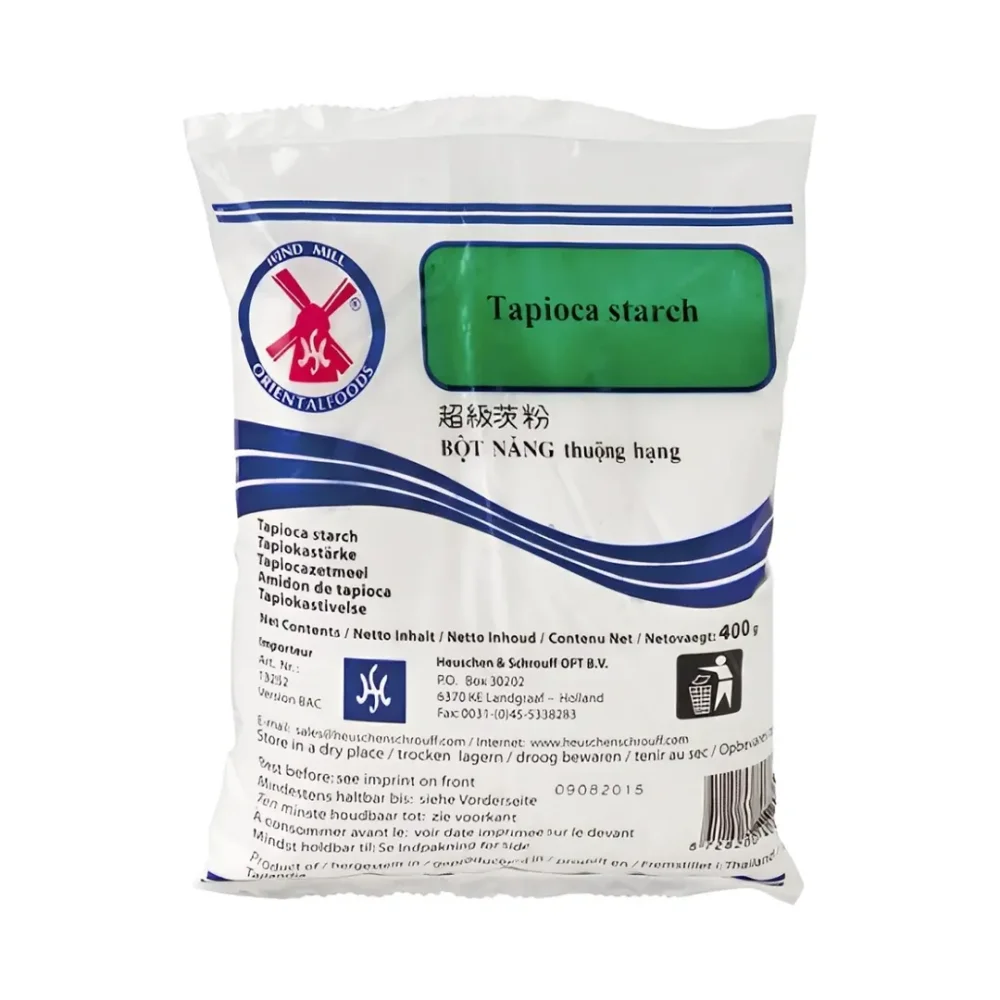
If you’re attracted to texture, you will also encounter tapioca as a starch in Asian ingredients. For culinary use (e.g., thickening), there is also Windmill tapioca starch – it’s not the same as ready “bubble tea pearls,” but helps understand where tapioca texture generally comes from in Asian cuisine.
Matcha as a traditional base of a modern drink (and why matcha latte still makes sense)
Matcha is traditionally a Japanese base and that is why it translates so well into modern drinks. Modern matcha latte can be an authentic “style” if it is still based on quality matcha. However, in “matcha latte” blends, the composition often matters: sometimes a large part is sugar and dried milk, not the matcha itself. Therefore, it makes sense to consider if you are buying a pure ingredient or already flavored blend.
Korean fruit and syrup drinks: yuja and maesil
In Korean beverage culture, drinks made from fruit and syrups also have their place. The materials mention two typical directions:
- Yuja: traditionally also presented as a cold citrus punch (yuja hwachae). Modernly, yuja/yuzu syrups work well for iced drinks – they pair with sparkling water, ice, in a “teaade” style, or as a citrus base for café beverages.
- Maesil: a drink made from plum extract (maesil-cheong) diluted with water. The materials associate it with refreshment and mention its use as a base for other drinks.
Practically this means: when you see syrup/fruit base on the packaging, treat it as a concentrate for dilution (and adjust sweetness gradually).
Visuals and layering are not just “for effect”
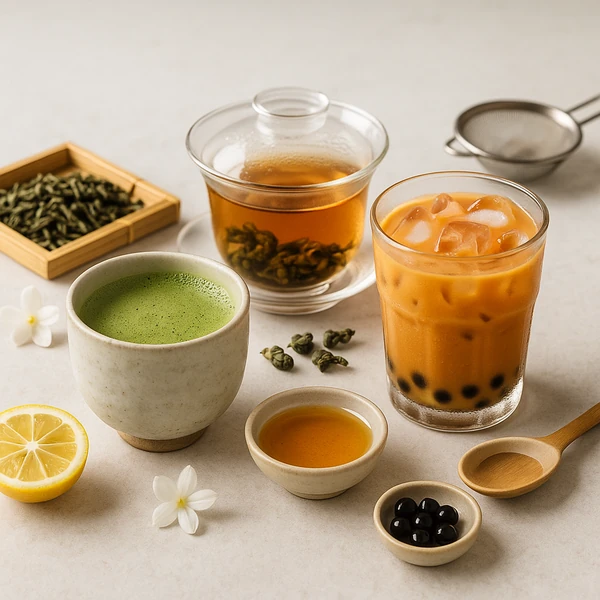
Modern Asian drinks often emphasize good appearance: layering of colors, contrast of white milk and dark tea, vivid green matcha, dark tapioca pearls, clear ice cubes, bright citrus or fruit notes. According to the sources, this is not just marketing – the visual relates to how the drink functions: layers show texture, color hints at taste, and the overall impression supports the ritual of drinking.
How to choose: how to read tea packaging and avoid being misled
With tea, packaging is often “half the orientation.” It makes sense to watch for four things that really change the experience:
- Country and region of origin: “Japanese green tea” means something different than “tea in the style of matcha.” For some teas (e.g., Darjeeling), origin is a crucial part of authenticity and expectations.
- Type of tea: green, oolong, black, dark, matcha, genmaicha or flavored. One word often tells more than the picture on the front.
- Composition: for pure tea, it should be simple. For blends, watch if it’s tea with flowers, natural aroma, sugar, or milk component. For “matcha latte” blends, it’s important whether matcha is the main ingredient or just a color and theme.
- Form: loose leaf tea often protects the leaf better and gives more control over preparation. Bags are convenient and don’t automatically mean lower quality, but often contain smaller particles that behave differently during steeping.
General selection rule (useful across Asian ingredients): the label is a quick filter. The ingredient list is usually in descending order by weight – the first items tell the most about what will dominate the flavor.
How to start at home: three simple scenarios without unnecessary complexity
A beginner doesn’t need ten syrups and two iced slushes according to the materials. A sensible start relies on four elements: one good tea base, one textural element, one characteristic aromatic direction and sweetness control. Here are three practical scenarios that can be easily understood and gradually refined:
1) Simple iced citrus “tea” (concentrate + water/ice)
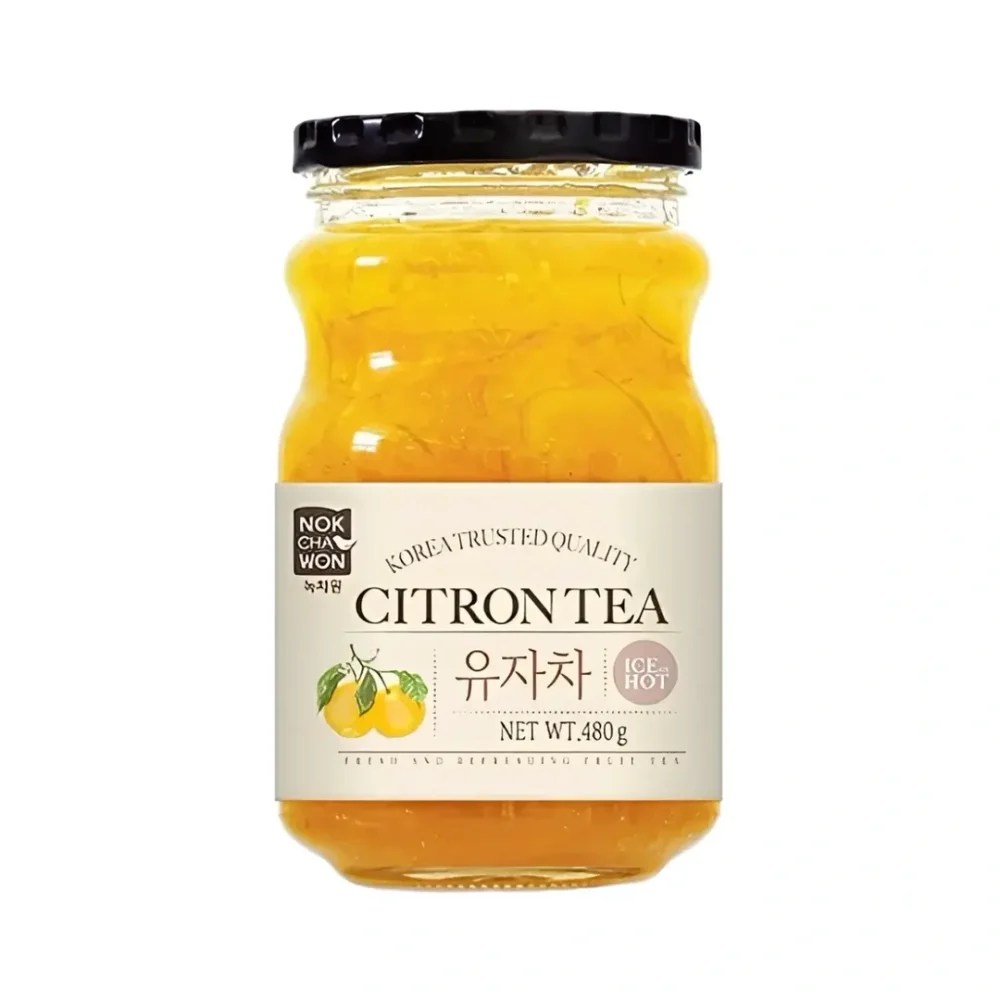
With fruit and syrup teas, work with the logic of concentrate: first make a smaller base and then fine-tune. An example is Nokchawon lemon tea, suitable for quick preparation of hot or iced drink. Practical sweetness control: add gradually, because once the drink is oversweetened, it’s hard to fix.
👃 2) Iced ginger drink (strong aroma, easy to adjust)
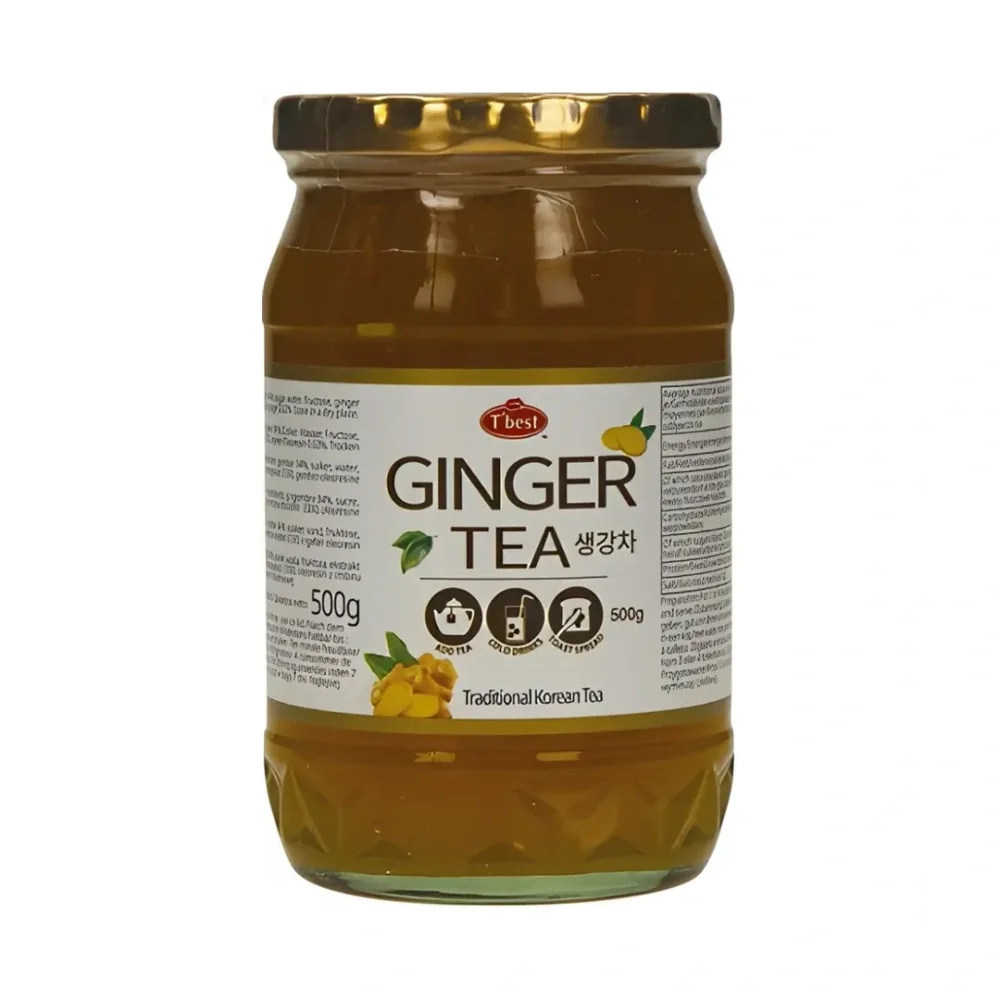
If you want a strong aroma and a “warming” profile even in iced version, a ginger base works. T'best ginger tea is a typical base that can easily be enhanced with lemon or honey to taste. Again: start lightly and add because ginger can be dominant.
3) Modern “café” style at home: tea + milk + ice (and optionally texture)
For milk teas and modern drinks it is useful to think about construction: choose if you want black tea (fuller), green tea (fresher) or matcha (vivid green, strong) as base. Then decide on milk and sweetness. If you like texture, treat it as a separate layer – it’s what makes the drink an “experience,” not just flavored tea.
💡 Most common mistakes and what to watch out for
- “Green tea is one.” It’s not. The difference between sencha, dragonwell, matcha, hojicha and jasmine green tea can be huge.
- “Matcha = any green powder.” It’s not. Matcha comes from tencha and has specific cultivation and processing. Green powder with sugar or flavorings is not the same.
- “Chai is a specific kind of tea.” It’s not. Chai simply means tea. Masala chai is a style of drink, not a botanical category.
- "Pu-erh is always extremely earthy." It's not. Some pu-erhs are deeply earthy, others are cleaner, fruitier, or milder.
- "Tea in a bag is automatically bad." It's not. Loose-leaf form more often protects the leaf and offers greater control over preparation, so it is more common with premium teas.
- "Bubble tea is just a sweet trend." It isn't – its strength lies in texture and cultural identity.
- "Matcha latte is no longer authentic matcha." It is a modern form but can still be based clearly on Japanese roots. It depends on how it is made (and what is really in it).
- "Modern Asian drinks are mostly sugar." Not necessarily. Many can be sweet, but their strength often lies in the tea, texture, and aroma – and sweetness can be consciously controlled (especially in homemade preparation).
- "Traditional drinks and modern drinks are separate worlds." They often are not – modern drinks are often just new forms of traditional bases.
What to take away from the article
- True tea comes from Camellia sinensis; modern “teas” may be concentrates or blends and it is good to read them as such.
- Differences between white, green, yellow, oolong, black, and dark tea are mainly due to processing – which is why they can taste fundamentally different.
- The quickest orientation is by the flavor you are looking for (freshness, umami, roasted notes, fullness, layering).
- For modern Asian drinks, the key is texture, work with ice and visuals – it is not just an accessory.
- You simplify your selection if you watch origin, tea type, composition, and form and don’t be misled by the name.
- The most common disappointments arise from confusions (matcha vs. green powder, "green tea" as one flavor, chai as a “type” of tea) – when you know these, you choose much more confidently.

Read next
If you want to explore this topic further, continue with these related blog guides and articles:
