


 Česky (CZK)
 Slovensky (EUR)
 Deutsch (EUR)
 Austria
 Belgium
 Bulgaria
 Croatia
 Denmark
 Estonia
 Finland
 France
 Germany
 Greece
 Hungary
 Italy
Italy Latvia
 Lithuania
 Luxembourg
 Netherlands
 Poland
 Portugal
 Romania
 Slovenia
 Spain
Spain Sweden










How to choose curry paste according to the dish: from quick coconut curry to slow braising
"Curry paste" is not one universal ingredient. Different types of bases can be hidden under the same name – from Thai aromatic pastes (which are briefly sautéed in fat) to Indian curry bases or Japanese curry roux. In this guide, you will orient yourself mainly by the type of dish you want to cook, and you will avoid the most common mistakes that lead to bland or "strangely" tasting curry.
A good choice of curry paste is not based on how the package looks or the color of the paste, but on the role it should play in the final dish: should the sauce be quick and coconut-based, fresh and herbal, or rather thicker and more "restaurant-style"? Should it cook for a few minutes or braise slowly? How spicy do you want it and how aromatic?
Curry paste: what to imagine and why it is not one category
In common home practice, curry paste is a concentrated seasoning base, which is further cooked into a sauce, soup, braised base, or sometimes used for marinade or some stir-fry dishes. However, it's important that not all "curry pastes" are of the same type.
Simply put, the term curry paste usually refers to four families:
- Thai curry pastes – moist, aromatic, typically based on chili and fresh aromatics. Usually briefly sautéed in fat and then diluted with coconut milk or another liquid.
- Indian and British-Indian curry bases – often more precisely called "masalas" (spice blends), which can be dry or wet; sometimes they are pastes, other times mixes that develop flavor during cooking.
- Japanese curry bases – very often these are not "wet pastes" but roux (basic for thicker sauce) with a rounder and milder taste.
- Malaysian-Indonesian and related regional styles – they may also work with pastes and aromatic bases, but their flavor logic and use may differ.
Practical consequence: even though everything might be shortened to "curry" in Czech, there is no one "correct curry paste" for everything. The right choice is the one that suits your dish.
🕰️ Briefly on the origin of the word "curry": why it can be so confusing
In Western usage, the word curry is traditionally connected to the Tamil word kari meaning sauce or gravy. However, in a European context, the originally diverse reality gradually became a simplified "category of spiced dishes with sauce."
This is important mainly for selection: in Asia, the idea that there is one universal curry basedoes not work. In Indian tradition, the concept of masala (spice blend) is used long-term – sometimes dry, sometimes wet. Sometimes it is mixed with liquid to create a paste, other times the flavor develops only during cooking from onion, garlic, ginger, tomatoes, and spices. Western curry powder originated as a simplified export concept.
In Thailand and part of mainland Southeast Asia, the model of pastess from fresh aromatic ingredients (traditionally ground in a mortar) has strongly prevailed: chili, garlic, shallot, galangal, lemongrass, coriander root, and others.
Curry paste vs. curry powder vs. curry roux: three different worlds
Before you start choosing "by dish," it's worth clarifying one thing: people often confuse types of bases that behave completely differently in the kitchen.
Curry paste
Compared to other "curry bases," curry paste is typically wetter and more concentrated. It often contains fresh or wet ingredients and after brief frying in fat can quickly build aromatic depth. This is exactly why it is so practical in home cooking – the resulting sauce can taste "finished" even without hours of cooking.
Curry powder (spice mix)
Curry powder is typically a dry blend of ground spices. It can be used excellently but behaves differently in cooking than Thai paste: it does not have the same "fresh" aromatic line and often requires a different way to develop flavor (and sometimes more time).
Curry roux
Roux is a different principle: it is a base aimed at a thicker sauce. If you expect Thai coconut curry and pick roux, you get a different dish – and vice versa.
Thai curry pastes: how to choose red, yellow, green, panang, and massaman by dish
In European home practice, Thai curry pastes are often the most direct way to quick and flavor-intense "curry." They are easy to dose and practical, but differences between styles are significant.
What Thai curry pastes have in common (and why it pays to read the label)
The typical profile revolves around these ingredients: chili, lemongrass, galangal, garlic, shallot, coriander root or coriander, lime peel or makrut lime component, salt. Often (but not always) shrimp paste shrimp paste is also present – important because of flavor but also dietary restrictions.
Not all products have the same composition: sometimes chili dominates, other times a herbal line, or dried spices. Therefore, it's good to take "style" (e.g., green curry) as an orientation, not as a guarantee that all pastes will taste the same.
For quick coconut curry on a weekday: red or yellow
When you want quick curry with coconut milk, which works with chicken, tofu, and vegetables and you don’t want to deal with a complicated spice composition, red or yellow usually proves best. These are variants easiest to work with and tend to have broad use.
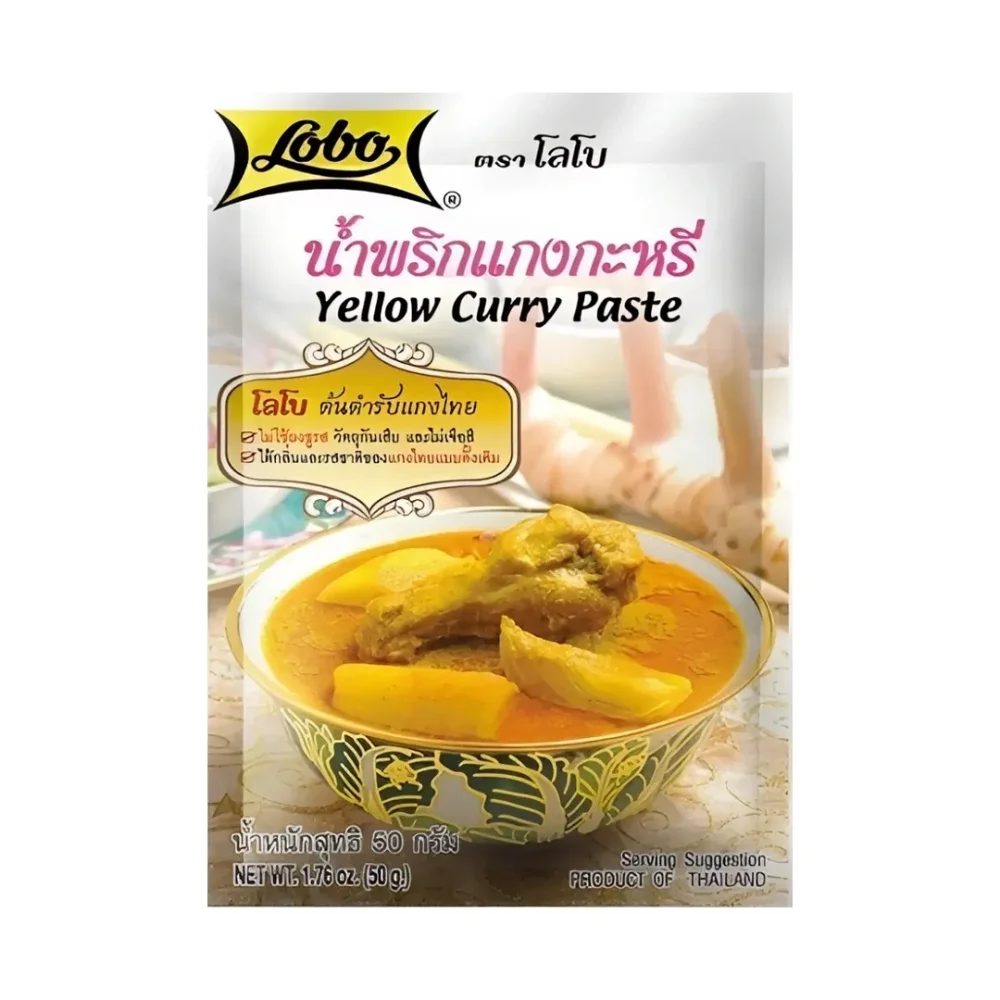
A practical starter example can be a smaller pack of yellow paste – such as Lobo Yellow Curry Paste 50 g. With smaller packages, there is also a low risk that the paste will sit open at home too long before you find "your" use for it.
👃 For fresh, aromatic dishes: green curry paste
Green curry paste tends to be based on green chilies and fresh aromatic herbs. It feels livelier, more herbal, and often sharper than people expect (especially if their experience is mainly from European restaurants). It works well where you want lightness and aroma – typically with coconut milk, chicken, tofu, fish, and milder vegetables.
If you know you want "herbs and freshness" primarily in the dish, green is often a better choice than reaching for red just because it’s more familiar.
When you want a thicker and more pronounced sauce: panang
Panang is suitable where the sauce should be richer, thicker, and more pronounced – that "restaurant-style" impression. If a typical coconut curry sometimes seems too thin or "just spicy" to you, panang is a style that usually aims for fuller sauce and a more robust flavor impression.
For slow braising and deeper flavor: massaman
Massaman is the choice for slower dishes where you want depth and a "braised" character. It typically suits meat and combinations with potatoes and onions – in other words, dishes that aren’t just a quick stir-fry but have time to meld.
If you’re unsure (or want to experiment): small pack of red/yellow
If you’re starting with curry pastes and don’t want to risk choosing a profile that doesn’t suit you, a safest strategy is to get a small package of a more versatile variant (red or yellow). You’ll understand easier how the paste behaves when sautéed and diluted, and next time you’ll choose more precisely.
How to work with curry paste at home: dosing, sautéing, and flavor adjustment
The biggest advantage of curry paste is that after a brief sauté it can quickly build an aromatic base. To make this work at home, follow a few practical rules.
🍳 1) Start with a smaller amount and add gradually
Spiciness and saltiness vary among pastes. A practical rule: start with a smaller dose and add during cooking. As a guideline, you can start with a small portion of paste for a quick curry (at the level of a few teaspoons to one tablespoon for a dish for 2 people), but really take this only as a start – the specific product and your spiciness tolerance are decisive.
If your curry turns out bland, it is easier to add paste and cook it briefly than to salvage an overly spicy dish.
2) Briefly sauté the paste in fat
In the Thai style, a brief sauté is key: the paste is fragranced and "opened" in fat. This is often where it is decided whether the curry is just spicy or also aromatic. It's not long frying – the goal is aroma, not burning.
🍽️ 3) Dilution and the "body" of the sauce: coconut milk, broth, or a combination
A typical home approach is coconut milk, or a combination with broth. If you want a lighter dish, you can dilute the sauce more; if you want a richer one, let it reduce more. It is important to taste: some pastes have a higher salt content and the sauce can quickly become "over-salted" when reduced.
4) Don’t confuse "curry paste" with a completely different type of paste
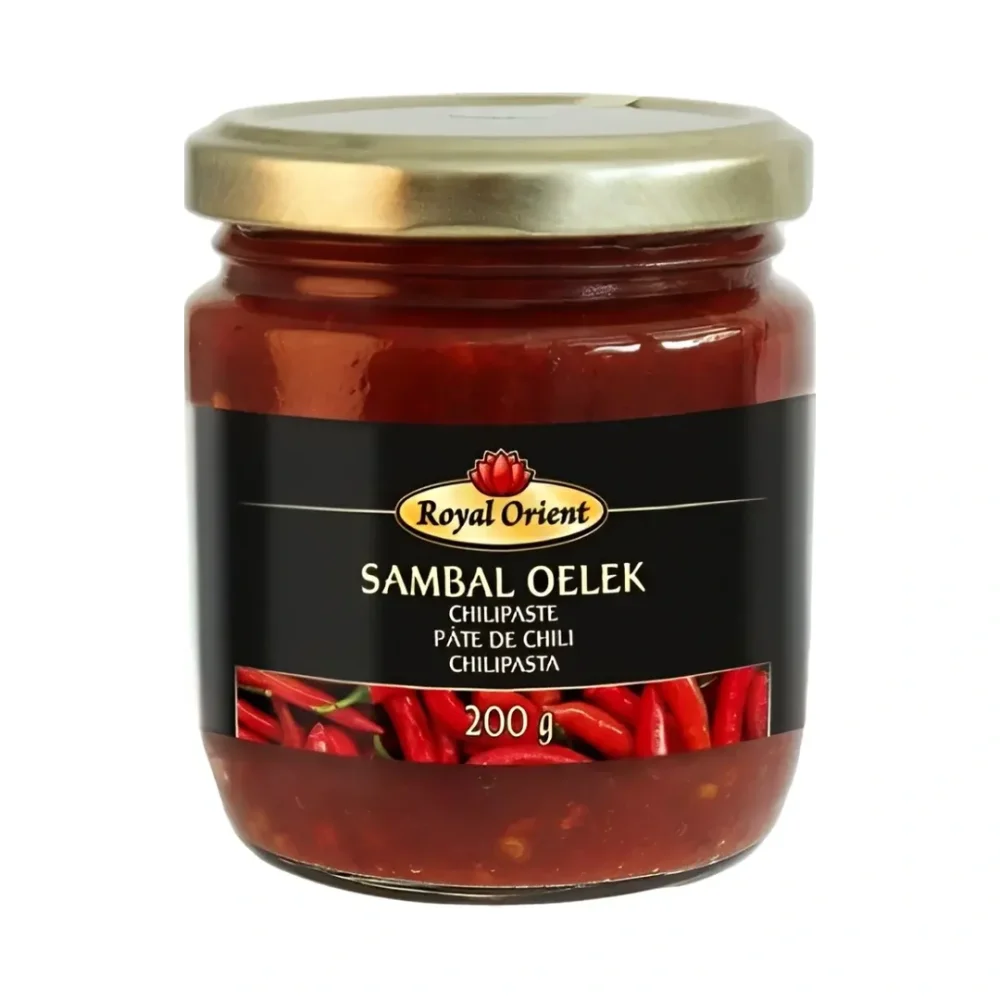
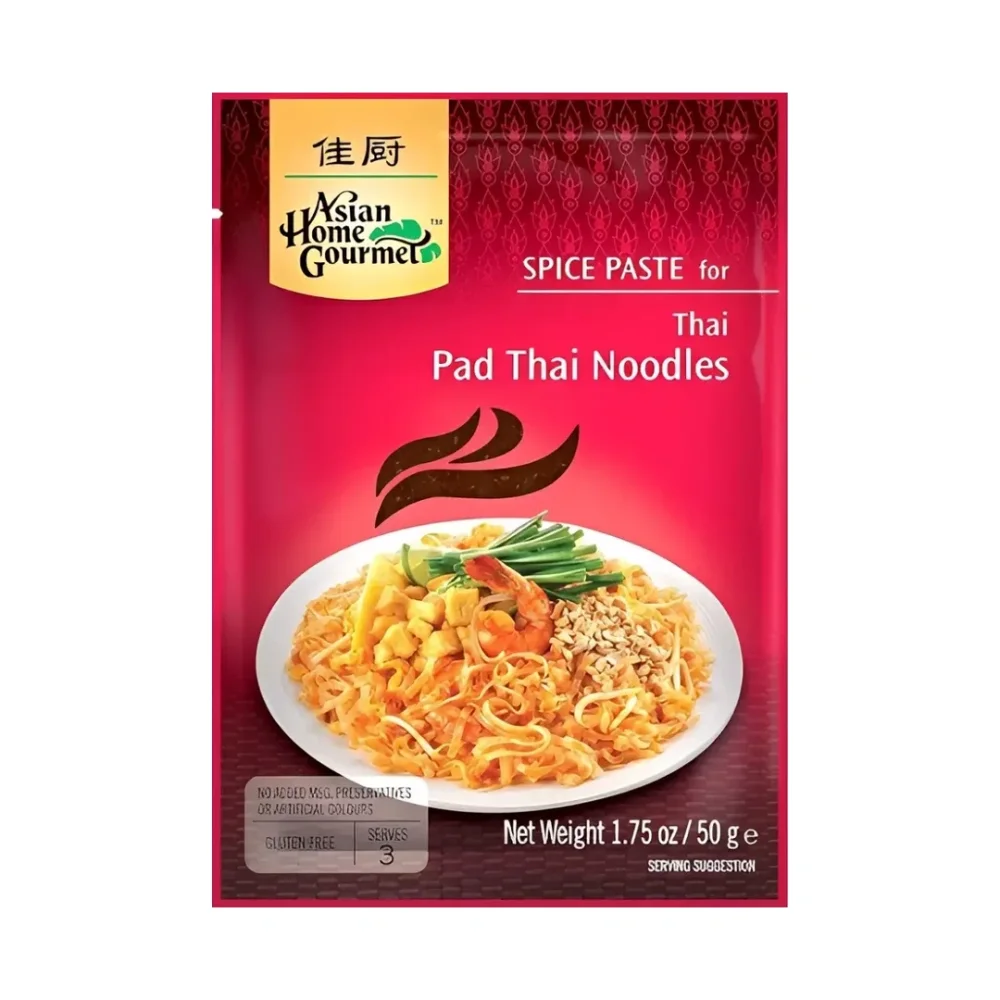
There are many pastes in the kitchen – some are curry bases, others purely spicy, others are ready mixes for specific dishes. For example, Sambal Oelek is crushed chili with salt for quick seasoning, a great tool for pure spiciness, but it does not replace an aromatic curry base. And conversely, mixes intended directly for one dish (e.g. Pad Thai paste) can save you time, but flavor-wise and functionally they are different products than curry paste for coconut curry.
5) Shrimp paste as part of the flavor (and why to read the ingredients)
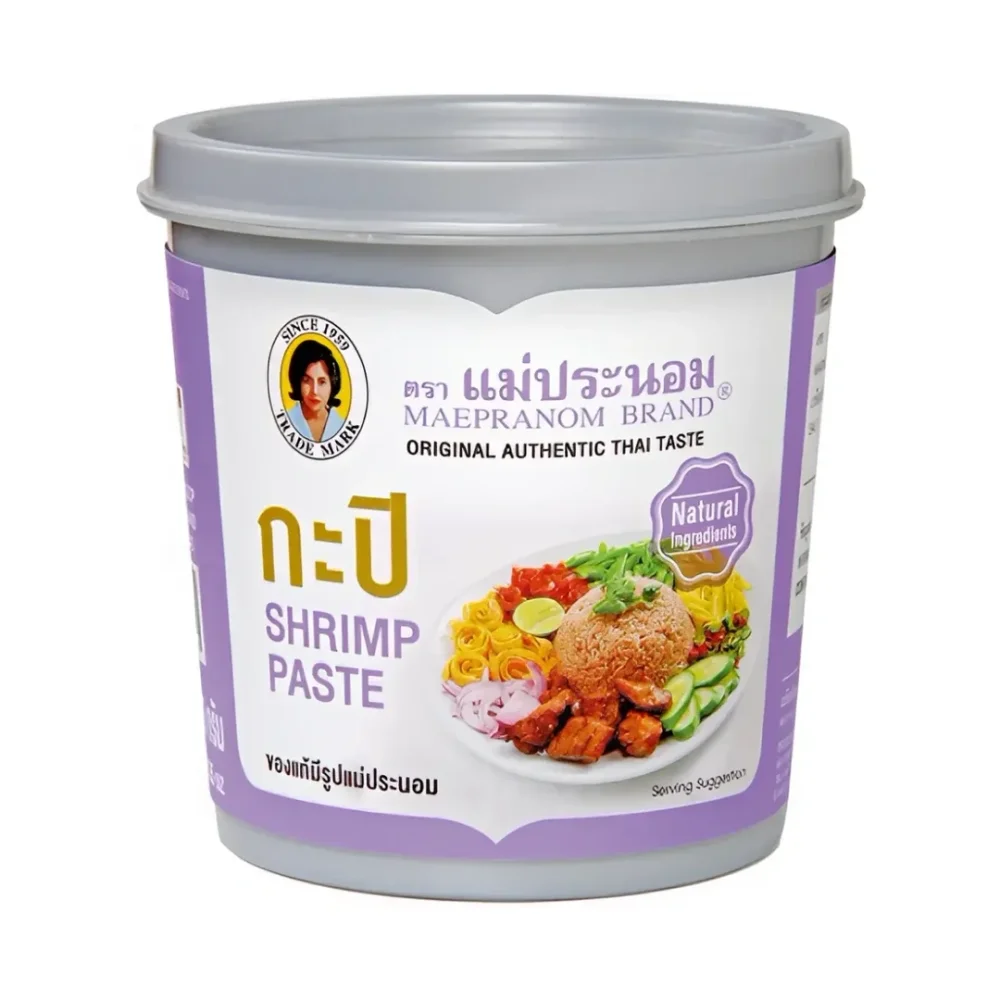
It is common in Thai curry pastes that some contain shrimp paste and others do not. Shrimp paste is an intense salty-umami seasoning – typically like Maepranom Shrimp Paste – and even a small amount can significantly change the final flavor. At the same time, it is essential information for anyone concerned with allergens or who eats without seafood.
Indian curry pastes and "masalas": when it makes sense to turn to a different family than Thai
If you cook a dish that should have an Indian character, it is often better not to try to "make it with Thai paste." The Indian approach works long-term with masala (spice blend), which can be dry or wet, and the flavor in some dishes is built during cooking from aromatic bases.
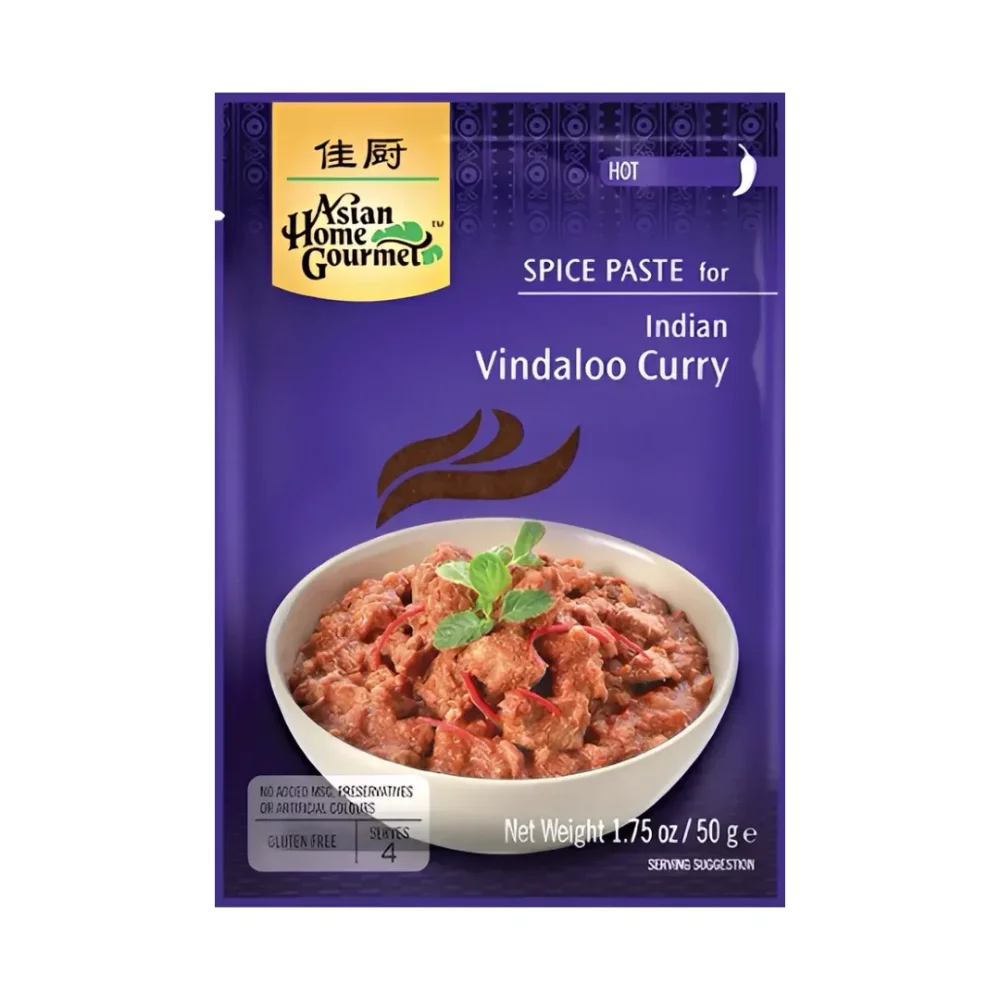
Practically: if you want a quick Indian-style sauce such as vindaloo, it makes more sense to take vindaloo curry paste directly – e.g. AHG Vindaloo Curry Paste 50 g – rather than replacing flavors with "something curry" just by name. This saves you the disappointment that the dish will be spicy but flavor-wise off expectations.
🍳 The most common mistakes when selecting and using (and how to fix them)
Mistake 1: Buying curry paste purely by color
Color doesn’t tell everything about spiciness or character. Two "red" pastes can differ in whether chili, herbs, or dried spices dominate – and salt content can also vary. Fix: choose by goal (quick coconut curry vs. fresh herbal profile vs. thicker sauce) and take color only as a first orientation.
Mistake 2: Confusing curry paste with chili paste or table hot sauce
It often happens that someone takes "something red with chili" and only at home finds out that instead of a cooking base, they bought a product intended for direct seasoning. Fix: clarify whether you want a base for cookingor quick spiciness for a finished dish. Sambals like Sambal and chili pastes can be a great complement, but it is not automatically curry paste.
Mistake 3: The paste "drowns" in liquid and does not release aroma
If you immediately pour a large amount of coconut milk or broth over paste without briefly sautéing it in fat, the dish can be flat: spicy/salty but without aromatic depth. Fix: briefly sauté in fat, then dilute and cook further.
Mistake 4: Overseasoning or unpleasant "sharp" saltiness
Salt plays a big role in curry pastes and easily concentrates when reducing the sauce. Fix: salt carefully only after the paste has blended with the base, taste during cooking, and be aware that some pastes are significantly salty on their own.
👃 Mistake 5: Poor handling of opened paste (loss of aroma, drying out, contamination)
Pastes are concentrated but sensitive to drying out, oxidation, and contamination. Fix: keep refrigerated after opening, limit air exposure, and use a clean (and especially not wet) spoon. It's not just about safety – it's often mainly about keeping the paste aromatic.
Mistake 6: “A big pot of curry can stay on the stove overnight”
Cooked food should not remain long in the temperature zone where microorganisms multiply well. Fix: cool the curry quickly after cooking (ideally portion into shallow containers) and store in the fridge; when reheating, warm up a portion you will eat.
What to take away from the article
- Curry paste is not just one thing: the name hides different families of bases (Thai pastes, Indian masalas/pastes, Japanese roux…).
- Choose according to the dish: quick coconut curries (red/yellow), fresh and aromatic (green), thicker sauce (panang), slow braising (massaman).
- Color is not a reliable guide for spiciness or flavor profile – read the ingredients and think about the goal.
- Technique matters: briefly blooming the paste in fat is often the difference between a flat and a truly aromatic curry.
- Avoid substitutions: chili paste (sambal) is great for heat but does not replace curry paste as an aromatic base.

Read next
If you want to explore this topic further, continue with these related blog guides and articles:
