


 Česky (CZK)
 Slovensky (EUR)
 Deutsch (EUR)
 Austria
 Belgium
 Bulgaria
 Croatia
 Denmark
 Estonia
 Finland
 France
 Germany
 Greece
 Hungary
 Italy
Italy Latvia
 Lithuania
 Luxembourg
 Netherlands
 Poland
 Portugal
 Romania
 Slovenia
 Spain
Spain Sweden










How to choose rice for sushi, curry, and fried rice: texture, aroma, and the right type of grain
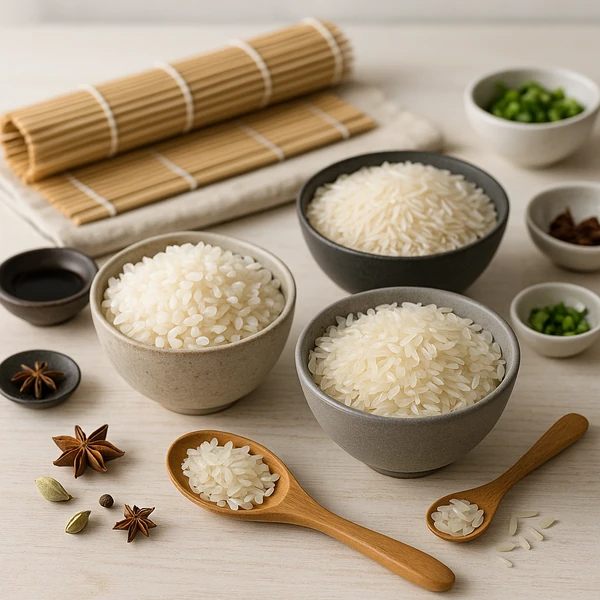
Rice in Asian cuisine is not "just a side dish." In sushi, it determines whether the rice holds its shape and can be eaten with chopsticks; in curry, it affects how the sauce meets the aroma and tenderness; and in fried rice, it decides whether you get a loose wok dish or a sticky mash. This guide will help you choose the type of rice based on the dish – and understand why one universal rice is usually not enough.
👃 Why rice is not "just a side dish": texture, aroma, and the rhythm of the meal
Rice is one of the most important foods worldwide and is not just a plate complement in many Asian cuisines. Often it is a full-fledged part of the taste and texture, around which the rest of the meal is built. That’s why rice can be sometimes delicate and subtle, other times strongly aromatic, elastic, sticky, loose, creamy, or "chewy."
What looks like one category "rice" in the store is actually a wide group of varieties and usage styles. They differ by origin, starch structure, aroma, and cooking behavior – and therefore by the type of dish they are suited for.
Quick orientation: 4 things that decide how rice cooks
1) Grain length and shape
Long-grain rice tends to be more separated and loose after cooking. Short and medium-grain rice is usually stickier – exactly what you want in dishes where rice should hold its shape (typically sushi, onigiri, and various Japanese or Korean bowls).
👃 2) Aroma
Some varieties are intentionally grown for aroma. Typical examples are jasmine and basmati rice. When cooking a dish where rice is meant to be "part of the atmosphere" (e.g., sauced curry), aroma plays a much bigger role than most people expect.
3) Starch: amylose vs. amylopectin (why some rice sticks)
Rice texture is largely determined by starch. Simplified:
- higher amylose content = rice tends to be looser, firmer, and less sticky,
- lower amylose content = rice tends to be softer and stickier,
- sticky rice has amylose very little or almost none and after cooking is elastic and cohesive.
This is a useful "internal compass," especially for fried rice: there you mostly do not want stickiness, but stable, separate grains.
4) Grain processing: white, natural, and parboiled
White rice behaves differently than natural, and differently than parboiled. The difference is not only nutritional but also in taste, absorbency, and cooking time. Even when two rices look similar, processing often determines whether the result will be delicate or rather "rustic" and pronounced.
Which types of rice are worth knowing at home (and what to expect from them)
Short-grain sushi rice: cohesiveness, shine, and handling with chopsticks
Short-grain (and often also medium-grain) rice has greater cohesiveness after cooking than long-grain types. That’s why it’s used for sushi and other dishes where rice should hold shape. A practical guideline is simple: if you want rice for sushi, choose specifically sushi rice, not "any sticky rice."
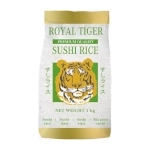
Important detail: short-grain sushi rice is not automatically the same as sticky rice. It is stickier than basmati or jasmine, but behaves differently and serves a different purpose.
Jasmine rice: fragrant and tender for Southeast Asia
Jasmine rice suits dishes where you want a fragrant and tender side dish to a sauce. In practice, it makes sense mainly for Thai and Laotian curries, but also for many stir-fry dishes where you want rice that isn’t completely dry and doesn’t "disappear" next to the sauce.
Basmati: loose and elegant grain for Indian dishes
When you want loose, longer, and elegant rice, reach for basmati. Typically it fits Indian dishes and anywhere you want grains to stay separate and rice not to feel sticky.
Sticky rice: elastic and cohesive (but it’s not "sushi rice")
Sticky rice is a separate category with a different function than regular side rice. It has very little or almost no amylose, so after cooking, it holds together and is elastic. It is suitable for dishes where stickiness is deliberate (in Southeast Asia often combined with sauces or as a base for specific preparations).
Natural rice: a stronger choice with a different texture
Natural rice can be "nutritionally richer" and more flavorful but in practice, it is important to count on it having a different texture and often also a longer cooking time. If you want the typical delicate structure of sushi or a loose wok rice, natural variant can be a deliberate style change – not a direct substitute.
Parboiled: different behavior than regular white rice
Parboiled is another processing type that behaves differently than classic white rice. If rice disappoints you "in the same way" (e.g., it’s always too soft or too sticky), it makes sense to consider this aspect as well – not just the kitchen label on the package.
Practical selection according to dish: sushi, curry, fried rice
One of the most common mistakes is choosing rice just based on what’s at home or as a universal commodity. Much more reliable is to start from the dish you want to cook – and imagine the texture you need from the rice (cohesive, tender, or loose).
Sushi: first the right rice, then the "filling"
In Japanese logic (washoku), dishes often work with purer flavors and the “less is more” principle: it’s all the more noticeable when the rice doesn’t hold the right structure. And an important sentence applies: sushi is not raw fish, but primarily seasoned rice with vinegar. Fish may be a component but is not the definition.
For sushi and similar dishes, you want rice that is cohesive but not mushy. With sushi, it’s not only about the grain type but also that the rice after cooking is seasoned and cooled – to be pleasant to bite, hold shape and be easy to pick up with chopsticks.
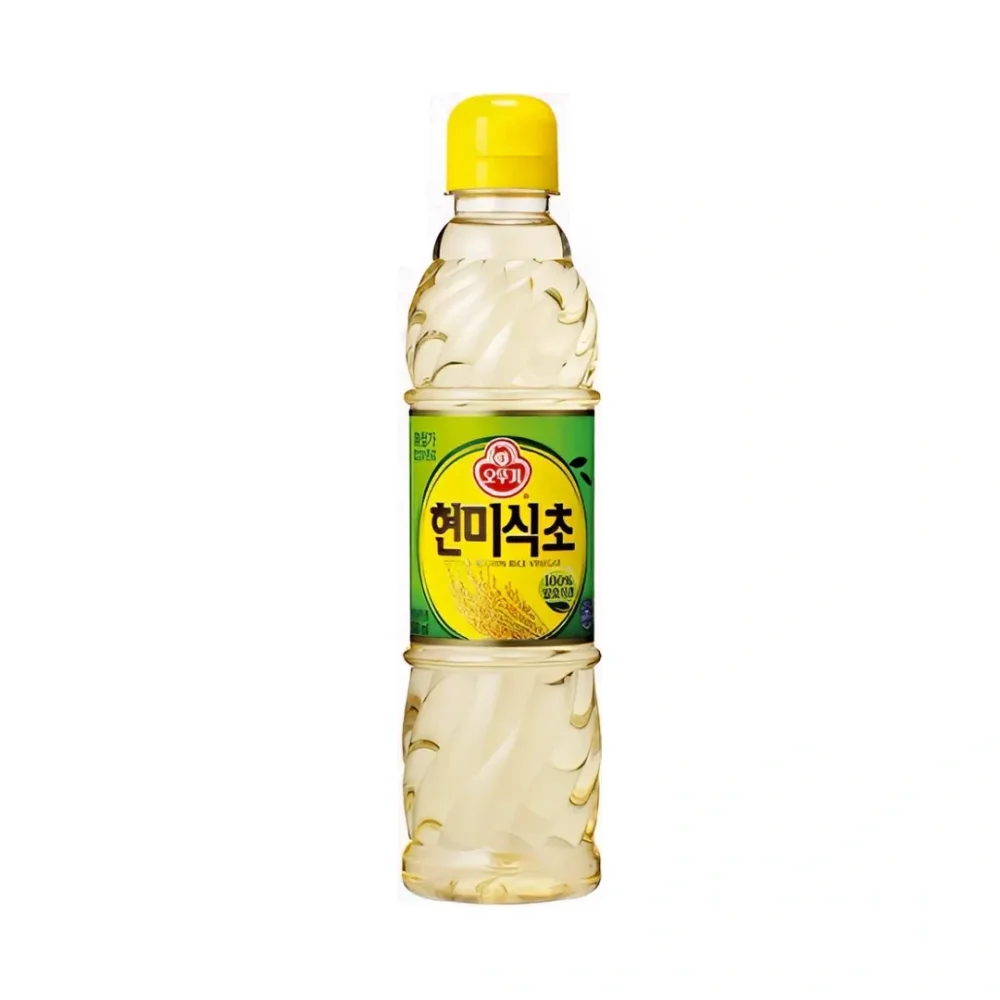
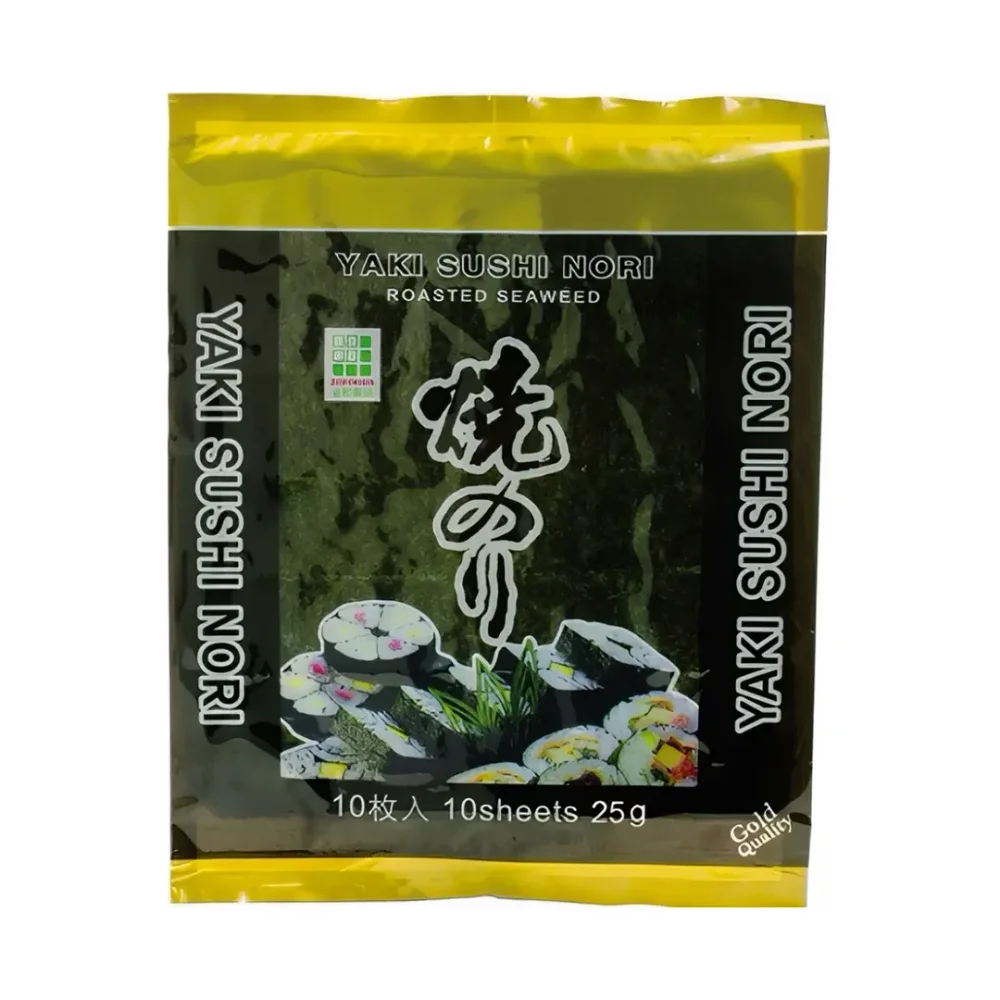
Among practical "Japanese basics," it makes sense to have rice vinegar handy – for example, Ottogi brown rice vinegarwhich is mild in taste and acidifies rice without overpowering other components. If you make maki or temaki, typical taste and structure are also given by sheets of nori, such as Yaki Nori Gold seaweed.
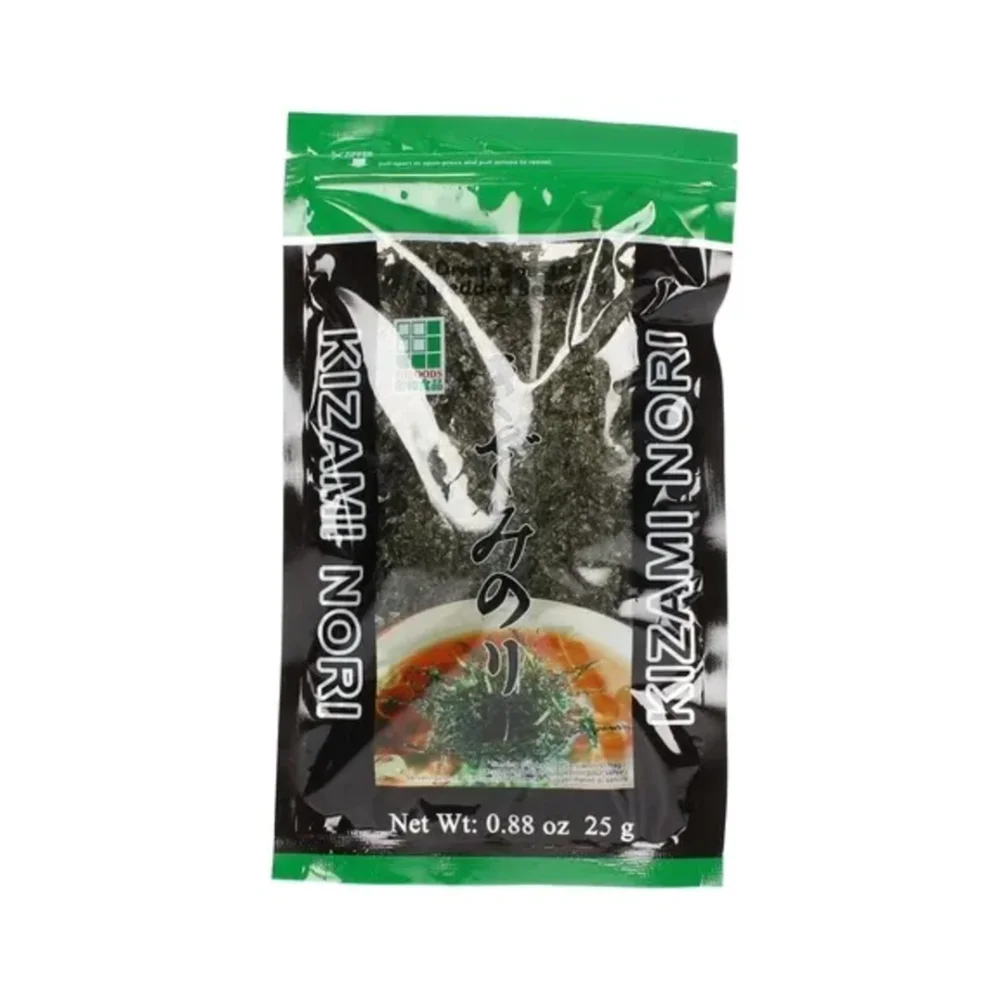
And if you prefer quick "sushi bowls" or donburi (rice bowls), it’s good to have a sprinkle that adds sea umami with little effort – for example, sliced Kizami nori.
Curry: two most common paths – Thai/Laotian vs. Indian
With curry, rice is often the "bridge" between a strong sauce and the rest of the dish. That’s why the type of rice is important: either you want it fragrant and tender or loose and elegant.
- Thai and Laotian curries usually work great with jasmine rice, when you want a fragrant, tender side to a sauce. In such dishes (and even in combinations like grilled meat with sauce) rice often absorbs the sauce and carries the aroma.
- Indian dishes more often call for basmati, when you want loose rice with a longer grain and separate structure.
A small but frequent digression that can save disappointment with curry: curry paste is not "just a spicy sauce paste" and the color alone doesn’t tell everything about spiciness or character. When you pick rice well, the final impression also depends heavily on whether the curry base profile suits you (fresher vs. deeper spiciness, role of salt, etc.).
Fried rice: look for looseness and stability even after cooling
Fried rice is a good test whether you perceive rice as a "type" and not just as an ingredient. For fried rice, you typically do not want rice to stick together. It helps to think through the starch: rice with higher amylose content tends to be firmer and less sticky, which is exactly the texture that more often works in a wok.
For orientation, it makes sense to aim for longer, looser types (often basmati or other long-grain rices), and also watch how well rice holds structure after cooking and subsequent cooling – that’s a practical detail that shows clearly with fried rice.
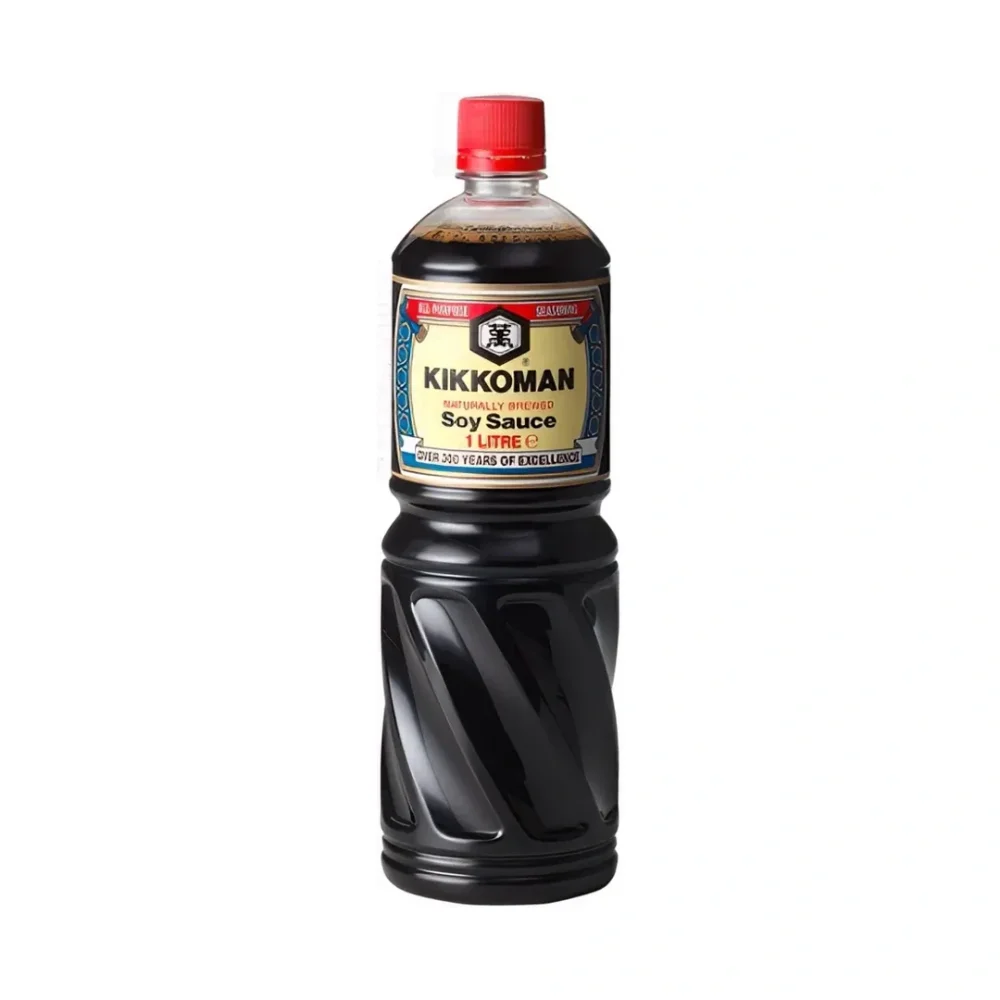
Seasoning often relies on umami and saltiness. As a universal, practical base for home cooking, quality Japanese soy sauce is suitable – for example, Kikkoman Shoyu. More important than "lots of sauce" is to hit the right rice type so the dish doesn’t become sticky.
How to think about buying: three rices that cover most home Asian cooking
For common home Asian cooking, it makes great sense to have at least three basic types of rice:
- Jasmine rice for curry, stir-fry, and versatile Southeast Asian uses.
- Basmati for Indian dishes and loose side dishes.
- Sushi rice or sticky rice depending on whether you more often prepare Japanese bowls and sushi, or Southeast Asian sticky dishes and specific preparations.
This division is often more practical than searching for one "best rice." The difference in aroma, texture, and overall meal impression is often bigger than people expect.
And if you enjoy Japanese cuisine, rice is truly central: alongside it stand other pantry basics like soy sauce, miso pastes, rice vinegar, and in a broader context also fermented seasonings (for example mirin and sake for cooking). For quick orientation in these "Japanese building blocks" a guide of soy and miso pastes and also Japanese soy sauces.
If you want to quickly turn rice at home into something "ready-made" without complicated cooking, there are also various seasoning mixes and pastes made specifically for rice – as inspiration can serve the category pastes and spices for rice.
Most common mistakes and disappointments (and how to avoid them)
- One rice for everything. For some dishes, it "works," but for sushi and fried rice, the most important thing is usually lost: structure. Rice should not be chosen as a universal commodity.
- Confusing sushi rice and sticky rice. Both stick together more than long-grain types, but their function and behavior are different. Sticky rice is not automatically a substitute for sushi rice.
- Ignoring starch. If you want fluffier results (often for fried rice), look for rice that is firmer and less sticky (higher amylose). If you want to shape and pick up with chopsticks, you need cohesiveness (shorter grain, different starch profile).
- For sushi, focus mainly on the “filling” and not the rice. Sushi relies on rice seasoned with vinegar and on the rice being cooked properly, flavored, and cooled – cohesive but not mushy.
- For curry, choose everything “by color.” For curry pastes and mixes, color doesn’t tell everything about spiciness or character. Good rice will help with texture and aroma, but the flavor profile of curry also depends on the chosen base.
What to take away from the article
- Rice in Asian dishes determines the result just like the sauce: it is about texture, aroma, and how it is eaten.
- For quick orientation, watch for 4 things: grain shape, aroma, starch (amylose/amylopectin) and processing.
- Sushi needs short-grain rice with cohesiveness; important are also seasoning and cooling.
- Curry often pairs well with jasmine rice (Thai/Laotian), while Indian dishes often call for basmati.
- Fried rice usually needs fluffier, firmer rice, which doesn’t stick after cooking and cooling.
- For home cooking, it's practical to have a “trio”: jasmine, basmati and sushi or sticky rice depending on what you cook most often.

Read next
If you want to explore this topic further, continue with these related blog guides and articles:
