


 Česky (CZK)
 Slovensky (EUR)
 Deutsch (EUR)
 Austria
 Belgium
 Bulgaria
 Croatia
 Denmark
 Estonia
 Finland
 France
 Germany
 Greece
 Hungary
 Italy
Italy Latvia
 Lithuania
 Luxembourg
 Netherlands
 Poland
 Portugal
 Romania
 Slovenia
 Spain
Spain Sweden










Typical Sri Lankan dishes: what to taste and how to understand them
Sri Lankan cuisine is not just "Indian curry on an island." It is based on rice, coconut products, strong spices, sourness, chili, and especially on the fact that one meal often consists of several smaller components (curry, sambols, pickles). In this guide, you will find the most typical Sri Lankan dishes and a simple key to recognize and understand them.
How to recognize Sri Lankan cuisine: rice, coconut, spices, and "extras"
Sri Lanka has its own easily recognizable logic. At first glance, it may resemble parts of southern India, but on closer inspection, it is significantly different: it more often works with coconut, black pepper, cinnamon, sour and pickled ingredients, and structures the entire meal differently.
- Rice as the center of the meal – at the Sri Lankan table, the question is often more about “what will be with the rice” than “what will be the side dish.”
- Coconut in several forms – coconut milk, fresh coconut, and coconut sweeteners form an important part of the taste and texture.
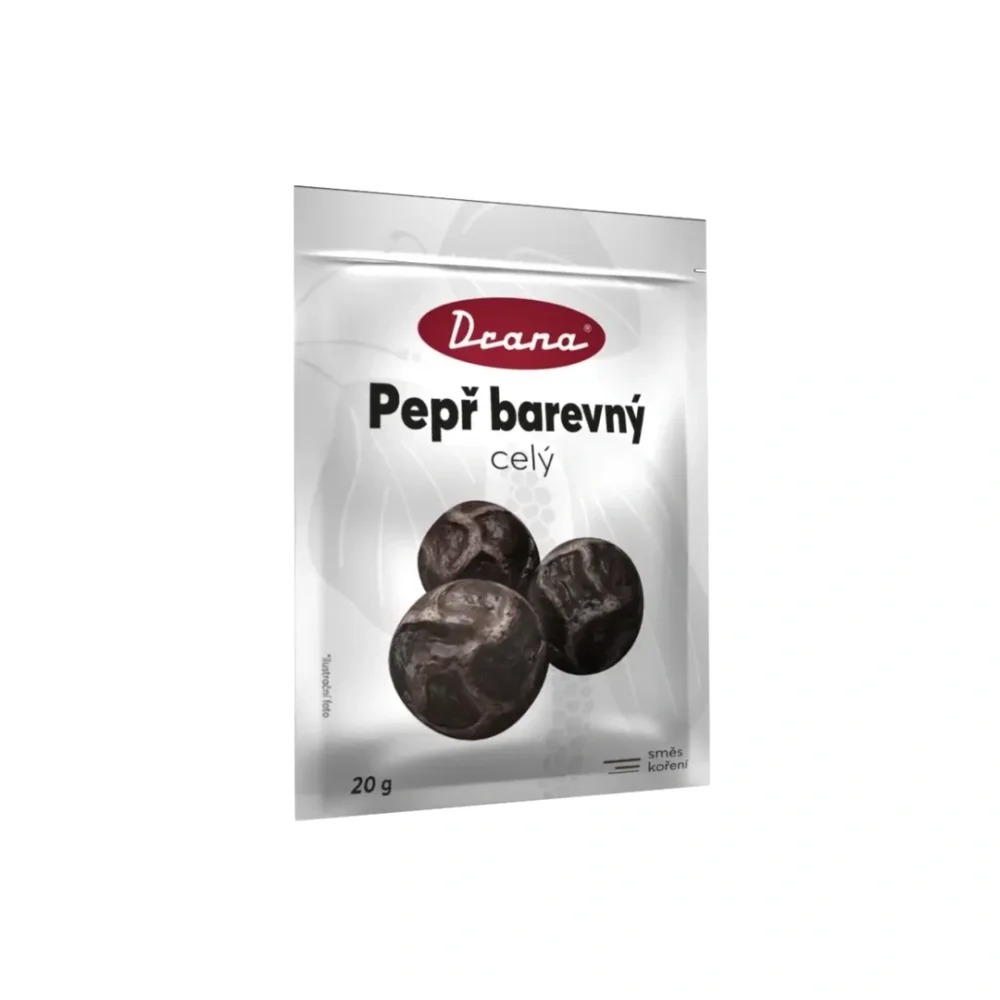
- Spices and aromatic depth – typical is intensity and aroma; pepper and cinnamon play a large role, among others. If you want to support a similar peppery line at home, it is good to have whole peppercorns and grind them just before eating (for example. whole colored peppercorns).
- Taste contrasts – spiciness, saltiness, sourness, and aromatic depth commonly meet on one plate.
- Sambols, pickles, and other extras – they are not decorations but an important part of the “puzzle” (taste and texture).
- Strong breakfast and street food scene – some typical dishes are distinctly associated with morning/evening or street food.
The diversity of Sri Lankan food is usually explained by a combination of island geography, historical influences, and ethnic and religious diversity. For you, this practically means one thing: even a "typical" Sri Lankan dish can have a different composition in various households, but you will reliably recognize the basic principles.
"Rice and curry": the most important model without which you won’t understand Sri Lanka
"Rice and curry" is not "rice with one sauce." It is an entire dining model: a mound of white or red rice surrounded by several smaller bowls or portions that are combined according to taste.
A typical composition may include:
- dhal (legume curry),
- vegetable curry,
- fish or meat curry,
- sambol,
- pickle (pickled component),
- papadum,
- possibly mallum or other side dishes.
This is the key to why Sri Lankan food feels so "full": it’s not just about the sauce and side dish but about the interplay of multiple tastes and textures on one plate. That is why Sri Lankan food often does not rely on one dominant flavor but on contrasts (delicate coconut next to a sour/spicy complement, etc.).
Typical Sri Lankan dishes worth knowing
The dishes below are among the most typical "landmarks" of Sri Lankan cuisine. For each, it is important not only what it is but also in what situation you most commonly encounter it (everyday home meal, breakfast, street food, festive meal, dessert).
Rice and curry (rice and several curries)
The basic model of Sri Lankan dining. You recognize it by rice in the center and around it several smaller curries and extras. In practice, this style can be eaten very simply or very richly – but the principle remains the same: you combine bites according to taste.
Kiribath (milk rice) – rice cooked with coconut milk
Kiribath is rice cooked with coconut milk. In Sri Lanka, it is strongly associated with celebrations, “happy beginnings,” and significant moments. Importantly, it can be served savory or sweet – thus demonstrating the big role coconut plays in local cuisine.
Kottu – urban street food made of chopped roti
Kottu is one of the best-known Sri Lankan street food worlds. The base is chopped roti bread quickly stir-fried with curry, vegetables, egg, or meat. It’s described as noisy, energetic, and strongly urban food – a type of dish that makes sense precisely in a fast street rhythm.
Hoppers and egg hoppers – typical breakfast and evening line
Hoppers (and the egg hopper variant) form one of the most characteristic "lines" of Sri Lankan food for breakfast or evening. The distinction between the regular and "egg" variant is a good orientation signal: Sri Lankan cuisine often has distinct food worlds that are not just "a side to curry" but an independent category.
String hoppers – typical dish for breakfast or a lighter main course
String hoppers are among the most typical Sri Lankan dishes for breakfast or a lighter main dish. As with hoppers, it is important to perceive them as a “world of their own”: Sri Lankan cuisine has, alongside rice and curry, a strong breakfast line with its own rhythm and typical dishes.
Lamprais – baked dish wrapped in a leaf (colonial and urban layer)
Lamprais shows another important aspect of Sri Lankan gastronomy: historical and community layers. It is a dish with Dutch Burgher heritage, where rice and other ingredients are wrapped in a leaf and baked. It is typical precisely because it reminds one how strongly historical influences have shaped the island’s cuisine.
🕰️ Wattalappam – dessert of Malay origin
Wattalappam is a dessert of Malay origin. In the context of Sri Lankan dining, it is mainly interesting as a reminder that “typical dishes” are not only savory and spicy – the sweet part of the cuisine is also influenced by history and communities.
How to start with Sri Lankan dishes at home: practical onboarding without a full recipe
The fastest way to understand Sri Lankan cuisine is not to cook “one perfect curry” but to try the assembling principle (rice + several smaller curries and extras). Here is a simple and realistic process that can be adjusted to what you like.
1) Start with a plate of “rice + 2 curries + 1 extra”
You don’t have to prepare seven bowls right away. For the first experience, it’s enough:
- rice as the main base (white or red),
- one legume curry (dhal) as a richer, “calming” component,
- one vegetable curry (often with a coconut touch),
- one extra (sambol or pickle) for sourness/spiciness/contrast.
Once this principle starts making sense to you, add another element (e.g., fish or meat curry) and gradually set your own "ideal composition."
2) Flavor guard: coconut softens, but the meal should stand on contrasts
The Sri Lankan profile often relies on having next to the milder coconut component something that “kicks” the plate – sour, spicy, or pickled. If you cook only a mild coconut sauce and rice, it will be a good meal, but the typical Sri Lankan impression may be missing.
3) Use spices so that the food smells, not just burns
Sri Lankan food does not have to be extremely hot all the time, but it is often intense. If you tend to overdo the chili heat at the start, try the opposite: first build the aroma (spices, pepper, cinnamon, aromatic ingredients) and adjust the spiciness gradually.
4) What rice to choose to work with the “assembling”
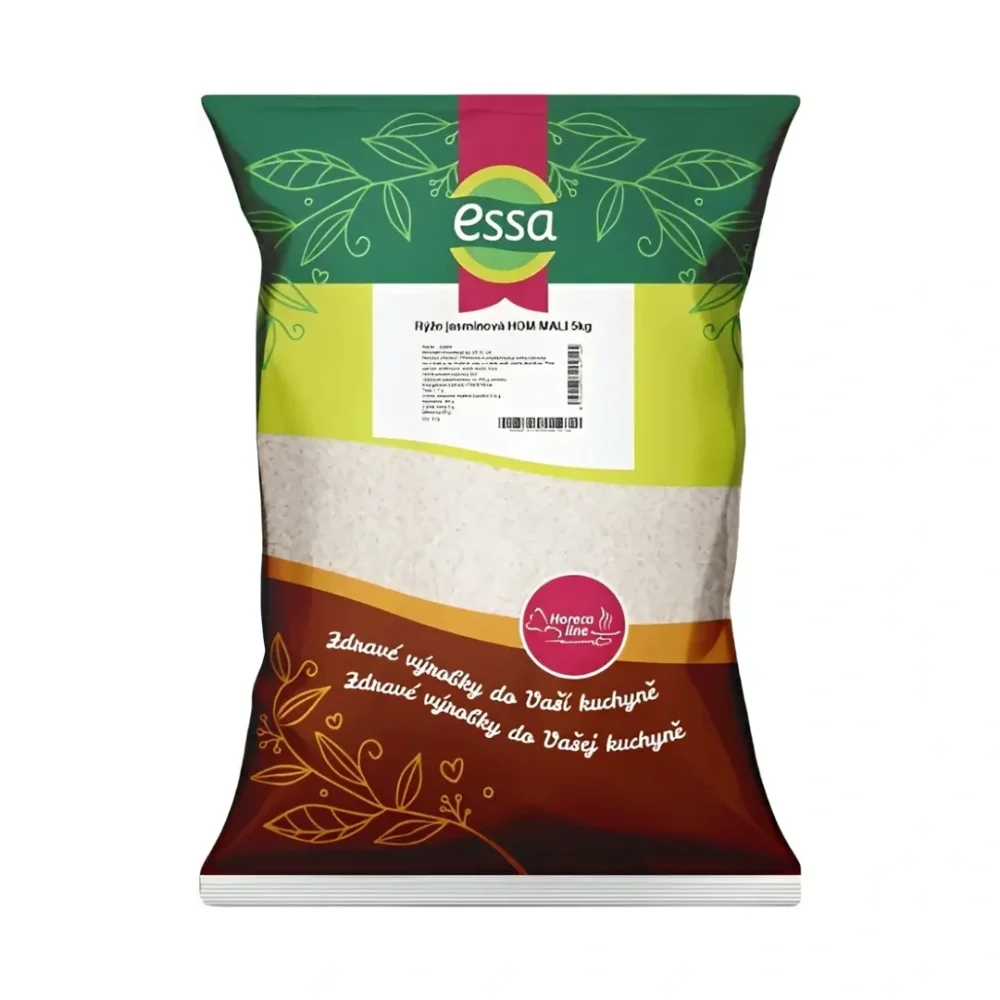
In the Sri Lankan model, white or red rice is commonly used. The main thing is its role: it should be a stable center that combines well with small portions of curry and extras. If you want to choose a fragrant white rice at home, which works well with curries in general, jasmine rice can serve (it is more typical for other Asian cuisines but works reliably as an aromatic base), for example, ESSA jasmine rice Hom Mali.
5) If you want to just taste the principle without cooking “in stages”
If assembling multiple bowls at home is too big a step for you yet, the first experience can also be a simpler approach: choose a ready-made dish and focus mainly on how it is eaten with rice and how contrasts work in it (spicy/salty/sour/aromatic). For such situations, a directory might help Ready meals – but take it more as a “tasting mode,” not as a full replacement for Sri Lankan plate composition.
💡 Common mistakes and what to watch out for
- "Sri Lankan curry = one sauce" – the typical Sri Lankan experience is more about multiple components (curry + extras) than a single dominant sauce.
- "Coconut means the food will be mild" – coconut often softens, but Sri Lankan cuisine commonly relies on contrasts: mild next to sour, spicy, and pickled.
- "It must be extremely spicy" – Sri Lankan food is usually intense but not necessarily always extremely hot. Strength often lies in fullness and aroma.
- "It’s basically the same as southern India" – in Sri Lanka, coconut, pepper, cinnamon, and sour and pickled components are typically more emphasized, and the entire meal is composed differently.
- Omitting extras (sambol/pickle) – if you leave them out, the "spark" and textural contrast that make Sri Lankan food make sense often disappear.
What to take from the article
- Sri Lankan cuisine is distinctive: it is based on rice, coconut, strong spices, sourness, and important extras (sambols, pickles).
- The most important thing is to understand the model rice and curry: rice in the middle and several smaller curries and extras around it – it’s not a single “curry in a sauce.”
- Key typical dishes include: kiribath (festive rice with coconut milk), kottu (street food from chopped roti), hoppers/egg hoppers, string hoppers, lamprais (baked in a leaf, historical layer), and wattalappam (dessert of Malay origin).
- For a home start, the most practical is to build a plate as "rice + 2 curries + 1 extra" and gradually add more bowls.

Read next
If you want to explore this topic further, continue with these related blog guides and articles:
