


 Česky (CZK)
 Slovensky (EUR)
 Deutsch (EUR)
 Austria
 Belgium
 Bulgaria
 Croatia
 Denmark
 Estonia
 Finland
 France
 Germany
 Greece
 Hungary
 Italy
Italy Latvia
 Lithuania
 Luxembourg
 Netherlands
 Poland
 Portugal
 Romania
 Slovenia
 Spain
Spain Sweden










Matcha, sencha and other Japanese teas: how to understand them and how to drink them at home
For many people, Japanese teas are the first “serious” contact with green tea — and at the same time a source of confusion: why sencha sometimes tastes fresh and other times bold, what exactly matcha is (and why it’s not the same as the sweet mix for a matcha latte), and how to tell what you’re actually buying. In this guide you’ll sort out the basic terms, the differences between the main Japanese styles, and practical rules that will keep the tea from losing its flavor or meaning.
Why there is so much misunderstanding around Japanese teas
With teas it’s surprisingly easy to talk about “the same thing” and mean something completely different. The reason is simple: the word tea hides multiple traditions and even more processing styles. And even if you have the same word on the package (for example “matcha” or “green tea”), it doesn’t automatically mean the same taste, aroma, or quality.
Japan is also specific in that for green teas it typically uses steaming, which quickly stops oxidation. The result tends to be distinctly green, fresh, sometimes even “sea-like” and umami teas. That is love at first sip for some — and for others the reason they pick the wrong Japanese tea the first time.
🌶️ What is “real tea” and why it matters even for matcha
First, the basic orientation: real tea comes from the leaves of the plant Camellia sinensis. The main differences between tea types typically don’t arise from different plants, but primarily from the processing method.
This is key for Japanese teas as well:
- matcha is still “tea” — just in powdered form,
- sencha is green tea — but the flavor profile is influenced not only by it being green, but also by the Japanese processing technique,
- and “tea drinks” (e.g. mixes for lattes) often have a composition that leans more toward a sugar/milk beverage than the tea itself.
Major tea categories: where Japanese teas stand in the wider context
For a quick comparison it’s useful to know the major tea categories. Not for an encyclopedia, but because it helps you understand why green teas taste different from oolongs or black teas.
- White tea: one of the least processed, usually delicate, light, sometimes floral or sweet-fruity. Delicacy doesn’t automatically mean a “weak” tea.
- Green tea: oxidation is stopped early, so it retains fresher, grassier, seaweed-like, vegetal or nutty notes.
- Yellow tea: a rarer category, often acting “between” green tea and a rounder, softer profile; typically not as grassy as many green teas.
- Oolong: a broad and diverse category between green and black tea — from light, floral and creamy styles to darker, roasted, mineral or honey-fruity ones.
- Black tea: generally bolder, fuller, for many people the “classic” tea taste.
- Dark / post-fermented tea: a separate large family with its own character and logic.
For green tea there’s one more detail important to the Japanese style: in China leaves are often pan-fired, while in Japan they are typically steamed. That’s why Chinese and Japanese green teas don’t taste the same — Chinese green teas are often gentler, nuttier or more chestnut-like, while Japanese styles can be distinctly green, fresh and umami.
Japanese green teas: steaming, umami and three important names
Japanese tea culture is associated with precision and a taste that often relies on a combination of freshness and umami. For green teas, rapid stopping of oxidation by steaming helps achieve that.
Sencha: the reference point for “Japanese tea”
Sencha is the most common Japanese green tea and for many Japanese it simply represents “tea.” At the same time it’s a good reference point for a beginner: depending on harvest, region and processing it can be lighter and fresher, but also very aromatic and pronounced.
Gyokuro: when you want more umami and concentration on flavor
Gyokuro is among the more prestigious Japanese teas. The plants are shadedbefore harvest, which leads to higher perceived umami, deeper green color and a gentler, sweeter taste. It’s the kind of tea for moments when you’re looking not only for refreshment but also fullness and attention to detail.
Kabusecha: a compromise between sencha and gyokuro
Kabusecha sits between sencha and gyokuro. It is also shaded before harvest, but usually for a shorter time than gyokuro. The result is a tea that combines some umami and gentleness with a livelier, fresher character.
Matcha: powdered tea that you don’t drink as an infusion but whole
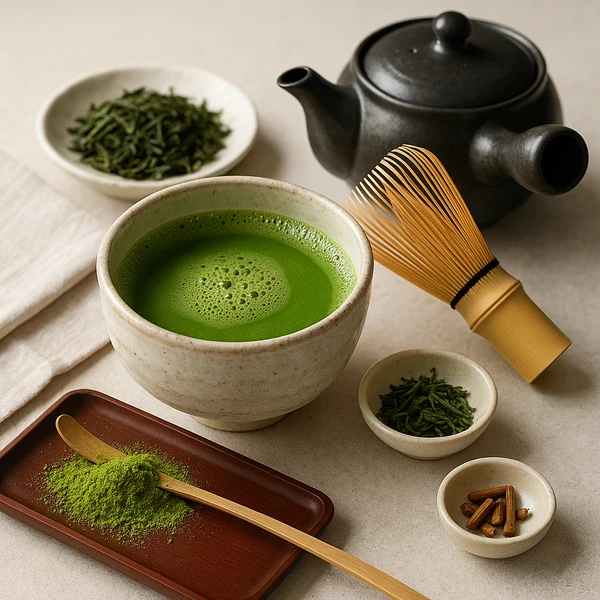
Matcha is a fine powder produced by grinding tencha and in Japan it has existed as a beverage since the 13th century within tea culture. Today matcha is no longer limited to the traditional context — matcha lattes, sweets and modern matcha drinks have spread.
What makes matcha different (and why it’s handled differently than loose leaf tea):
- it is a powdered tea, not a brewed infusion,
- you drink it whole (not just the “brewed liquid”),
- it has a pronounced green color,
- it typically carries a combination of umami, grassiness, gentle bitterness and sweetness,
- it works well with milk, ice, sugar and dessert components.
This is precisely why matcha so easily transfers into modern drinks: it has a strong identity, works hot or cold, and can “stand up to” a milky base.
How to read a tea package: 4 things that will save you disappointment
With teas the packaging is often half the orientation. It’s not about studying everything — but choosing a few signals that determine what you will actually drink.
- Country and region of origin: origin is a meaningful piece of information for tea. “Japanese green tea” says something different than “tea in the style of matcha.”
- Type of tea: look for whether it’s green tea, oolong, black, dark tea, matcha, genmaicha or flavored tea. One word often decides more than the picture.
- Composition: for pure tea it should be simple. For blends, notice whether it’s tea with flowers, natural flavoring, sugar or a milk component. In “matcha latte” mixes sugar and powdered milk often make up a large part sugar and dried milk, not the matcha itself.
- Form: loose leaf tea usually offers better room for whole leaves and finer control of preparation. Bags are convenient but often hide smaller particles. That doesn’t automatically mean bad quality, just good to know that the cup profile may differ.
How to choose and use Japanese tea at home (classic and modern)
This section is about practical decisions: what to choose when you want to drink tea regularly, and what when you’re tempted by matcha in a modern drink.
1) Start with the flavor experience you’re after
- I want an “everyday” Japanese tea → sencha is a good starting point and reference flavor.
- I want more umami and gentleness → go for gyokuro or kabusecha (shading shifts the profile toward umami and gentler sweetness).
- I want tea as an “ingredient” in drinks → matcha is a natural base thanks to its color, identity and workability with milk/ice.
2) Matcha latte and modern matcha drinks: how not to lose the taste of matcha
In modern beverage practice matcha often appears in forms like matcha latte, iced matcha, matcha with milk and foam, matcha float or matcha-based smoothies and dessert drinks. The important thing is not to overdo the sweetness.
Matcha works best when:
- its umami and gentle bitterness remain readable,
- milk doesn’t smother it,
- the sweet component rather balances than overpowers it.
A practical tip for home: if you’re switching from very sweet drinks, try sweetening less and adjust the taste only after the first sip. With matcha the difference appears quickly — and you’ll know whether you’re still drinking tea or just sweet milk with green color.
3) Tea as part of Japanese “clean taste” (washoku) 🍵
Japanese cuisine (washoku) is based on respect for ingredients, purity of flavors, seasonality, work with texture and highlighting the natural character of food instead of heavy masking with spices. This logic fits Japanese green teas well: they can be pronounced but still “clean” and readable.
If you want to pair tea with something specific on the plate, start simply — in the Japanese way:
- rice and light sides: as a base go for sushi rice,
- a marine umami note: to rice or a simple “sushi bowl,” roasted nori seaweed works, for example Yaki Nori Gold,
- noodle simplicity: gently nutty soba noodles are practical for a home start.
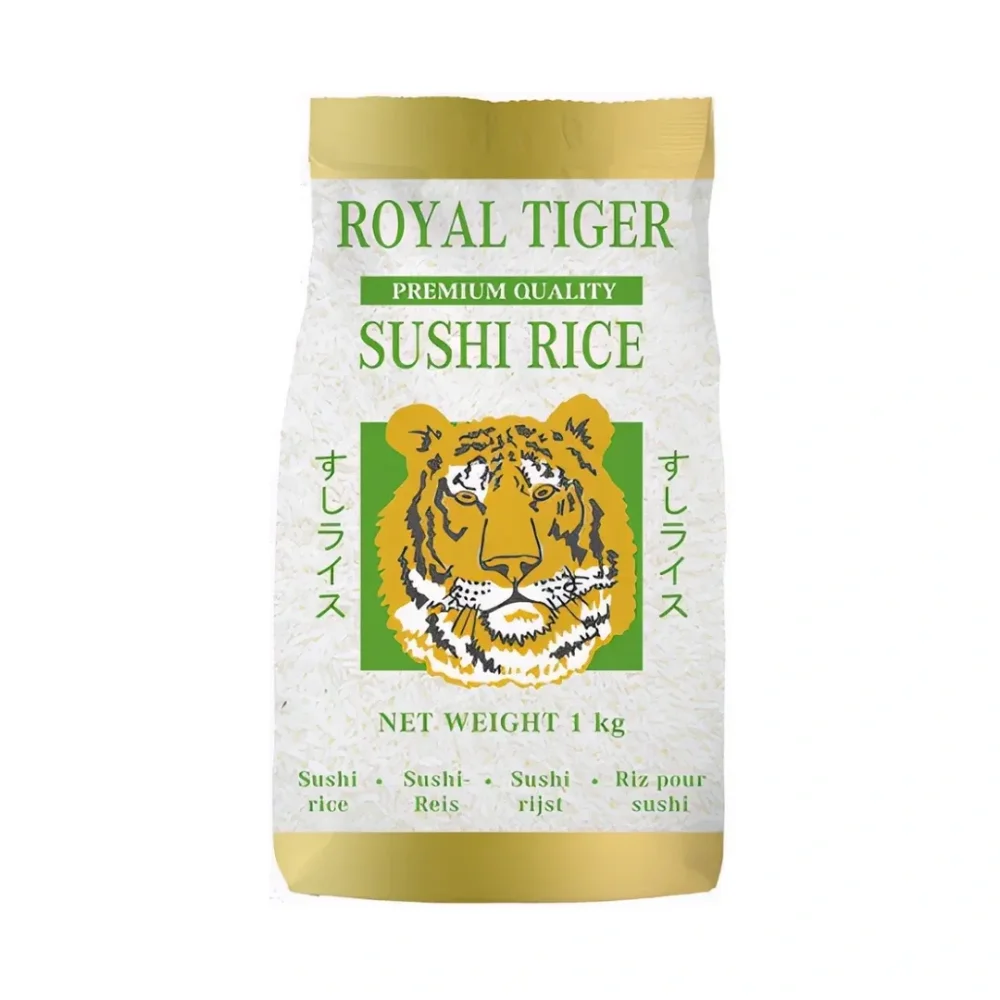
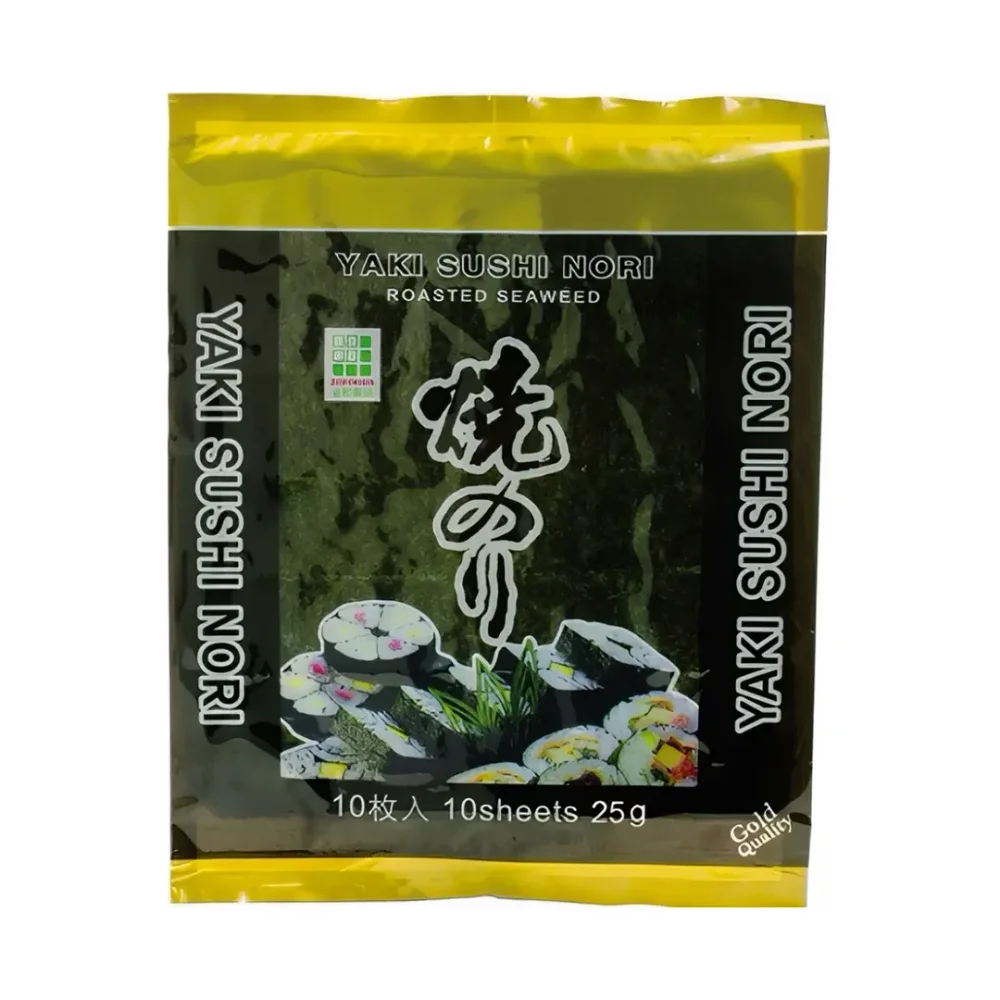
It’s not about pairing tea like wine. The point is more that Japanese tea often shines next to food that respects a similar logic: don’t overpower, but enhance.
Common mistakes and confusions (and how to avoid them)
- “Matcha is just green tea that gets steeped.” Matcha is powdered tea; the difference is fundamental because you drink the whole thing, not an infusion from leaves.
- Confusing matcha with matcha latte mixes. With latte mixes watch the ingredients: often a large part is sugar and dried milk, not the matcha itself. The result then heads in a different flavor direction.
- The idea that the same word on the packaging means the same taste. It doesn’t work that way for tea: the same name can have different expressions depending on origin, harvest and processing.
- Ignoring origin. “Japanese green tea” and “tea in the style of matcha” are not the same statement. Origin often hints at the expected flavor profile.
- Expecting Japanese green tea to taste like Chinese tea. Chinese green teas are often nuttier/chestnutty, while Japanese ones, due to steaming, are often fresher, greener and more umami.
- “Bagged = bad, loose = good.” Bags are often made from smaller particles and the expression can be different, but that doesn’t automatically mean poor quality. Treat it as information about form and expectations in the cup.
What to take away from the article
- Real tea comes from Camellia sinensis and the differences between teas are made mainly by processing – not “a different plant.”
- Japanese green teas are typically processed by steaming, which often leads to fresh, distinctly green, sometimes “sea-like” and umami profiles.
- Sencha is a basic reference point; gyokuro and kabusecha lean more toward umami and delicacy thanks to shading.
- Matcha is powdered tea (you drink it whole), it has existed as a beverage since the 13th century and today naturally works in modern drinks too.
- When choosing tea it pays to read the packaging: origin, type, composition and form tell you more than the design.
- For matcha latte a simple rule applies: don’t overpower with sweetness and let the matcha speak in flavor.

Read next
If you want to explore this topic further, continue with these related blog guides and articles:
