


 Česky (CZK)
 Slovensky (EUR)
 Deutsch (EUR)
 Austria
 Belgium
 Bulgaria
 Croatia
 Denmark
 Estonia
 Finland
 France
 Germany
 Greece
 Hungary
 Italy
Italy Latvia
 Lithuania
 Luxembourg
 Netherlands
 Poland
 Portugal
 Romania
 Slovenia
 Spain
Spain Sweden










Asian ingredients and products: how to understand, choose and cook without disappointment
A good "Asian ingredient" is not the most expensive nor the one with the prettiest packaging. The difference mainly lies in whether you understand the function of the ingredient (what it is used for in food), its types and composition – and whether you select it for a specific use. This article is a practical guide: it will teach you to quickly read labels, distinguish between basic and flavored products, and choose the right type, for example with coconut, sesame, chili, and starches.
1) What does "choosing well" mean: function is more important than packaging
The most common reason why home Asian cooking disappoints is not "bad ingredient," but an improperly chosen ingredient for the specific dish. For example, you buy something that looks like the ingredient in the recipe but is actually a different type of product (for example, a table sauce instead of a cooking base, or vice versa a very concentrated paste).
A practical way of thinking: before deciding what to buy, try to answer three questions for each ingredient:
- What does it do in the dish? (saltiness/umami, fat and aroma, spiciness, thickening, texture…)
- Is it a base or a finished seasoning? (starting building block vs. "final flavor")
- Which exact type do I need? (different coconut for curry and different for drinks; different sesame oil for cooking and different for drizzling; different chili for cooking and different for the table)
The most common mistake: mixing "authenticity," strength and quality
Stronger taste or sharper spiciness does not automatically mean higher quality. Similarly, "authenticity" often relates more to whether you chose the correct type and correct use than to price, brand, or striking packaging graphics. When you know what the ingredient does and how to use it, you easily avoid purchases that you won't know how to use at home.2) Label as a compass: what can be recognized within half a minute
Asian ingredients often have visually striking front packaging, but the deciding factor is
small print . The label often tells you more than the product name.Ingredient list: why the order is key
In a European context, it is useful to know that
composition is listed in descending order by weight . The first items are usually the most important for the character of the product. In practice, it's worth quickly checking:What is at the top of the list
- (that will dominate the taste and function). Whether the product is based on
- fermented ingredient , or rather onwater and flavorings . Whether key ingredients are not overpowered
- by sugar, starches, or additives . Allergens
- (crucial in some categories – typically sesame is highlighted on the label). A simple rule: if a sauce promises a strong mushroom or fish flavor but the composition is dominated by water, sugar, and thickener, you are buying
a different type of product than you might expect. 3) Basic vs. flavored products: same category, completely different role
Asian ingredients often cause confusion about whether it is a
cooking base orfinished seasoning . And that is the difference that determines the outcome in the pot.Basic product
Basic products are "building blocks": they have a clear function (saltiness, umami, fat, thickening, aroma) and you put them together in the recipe. Typically, you
cook with them and adjust them with other ingredients.
Flavored product
Flavored products are already "finished flavors": they can be sweeter, sharply sour, garlicky, thickened, intended for direct serving. They are not necessarily worse – they just have a different use and a different dosing logic.
Practical example: chili is not one thing
With chili products, it is especially important to separate three worlds:
- Purely spicy components (primarily spiciness as an effect).
- Spicy and also fermented pastes (often more depth and complexity).
- Sweeter or table chili sauces (quick seasoning, often with more noticeable sweetness).
Typical disappointment: you buy "something red with chili" and find out at home it’s not a base for cooking but a table sauce; or conversely, you get a concentrated fermented paste that needs to be dosed really carefully and purposefully.
4) Choosing the right type: coconut, sesame, chili, and starches in practice
It's not just about choosing the right category, but mainly the right type within the category. Here are four areas where differences make a big practical impact.
Coconut products: "coconut milk" is not one standard
Coconut is a prime example of an ingredient that forms an entire family of products. They differ in taste, texture, fat content, and suitability for various recipes. With coconut milk, the packaging can easily mislead you – the difference is usually in fat content, thickness, stabilization, how the fat separates, and how the product behaves after opening and heating.
Orientational logic by usage:
- Thai curry: often a fuller coconut milk or cream is suitable (due to richness and flavor carrier).
- Tom kha and similar soups: coconut milk, or a combination of milk and a smaller portion of cream for a richer result.
- Desserts: not only taste but also consistency is important – cream or higher-quality full-fat milk often works better.
- Drinks and lighter recipes: a lighter variant may make sense (when you don’t want too thick a body).
Useful note on the term coconut cream: sometimes it is merely a culinary product, other times it can be more "dessert-like" – you cannot automatically tell without reading the label.
Sesame: seeds, paste, and oil – and oil is not just one
Sesame in Asian cuisines is not just a topping. In various forms, it adds aroma, fat, richness and a subtle nuttiness. The difference is made by color (white vs black), but for taste, the distinction between hulled vs unhulled (smoother and rounder vs more rustic and sometimes slightly bitter) is often even more important.
A common source of confusion is sesame oil:
- Light/mild (from unroasted seeds): usually less aromatic, sometimes usable as a common fat or in marinades and dressings where you don’t want the sesame to dominate.
- Dark/roasted: it is an aromatic ingredient. Often it makes the most sense to add a little at the end (to dips, noodle sauces, final drizzling of soups, marinades, or vegetable salads).
Chili sauces, sambals, and hot pastes: choose by role, not by color
Besides spiciness, watch whether you mainly want the effect (spiciness), or flavor depth (fermentation), and whether the product is mainly intended for direct servingor for cooking. Also pay attention to how much sugar plays a role and what dominates the profile (chili vs. fermentation vs. garlic vs. vinegar vs. sweetness).
Flours, starches, and coatings: small change, big difference in texture
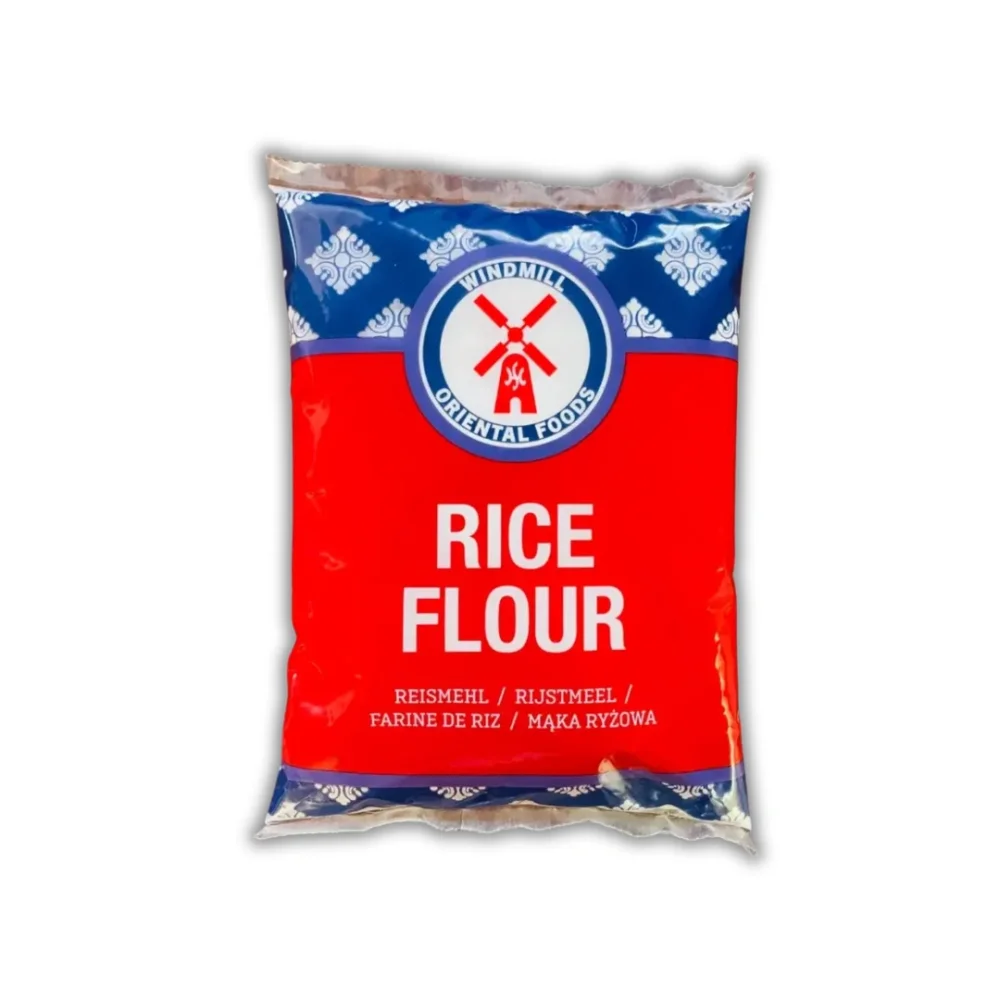
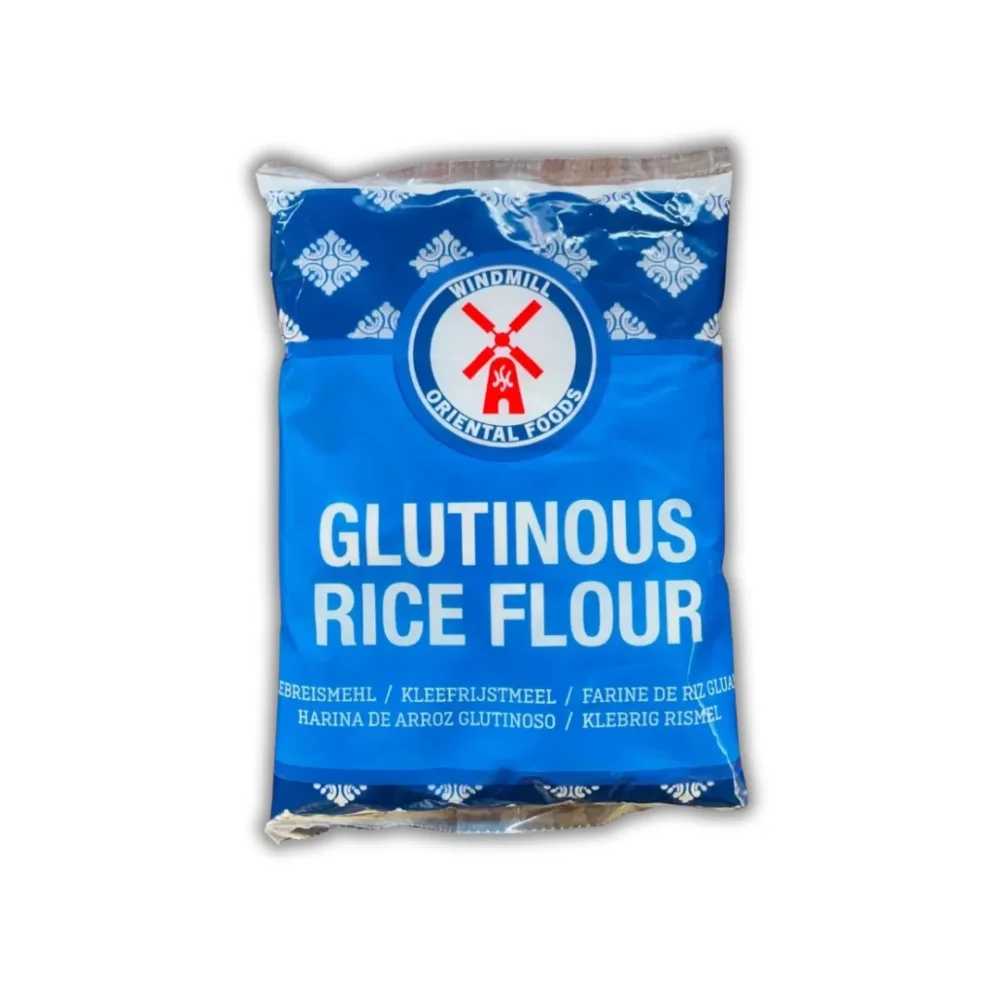
With starches and flours, it pays to be specific. "Rice flour" can mean a fine neutral flour, but "glutinous rice flour" is a type that typically forms a springy and chewy texture after heating. Tapioca starch is another world – often used for quick thickening and smoother, slightly shinier texture.
- Rice flour (neutral and fine) is suitable for thickening sauces or light doughs: Windmill rice flour 400 g.
- Glutinous rice flour is typical for springy and chewy textures (e.g., mochi or rice dumplings): Windmill glutinous rice flour 400 g.
- Tapioca starch is flavor-neutral and often helps quickly thicken without lumps and provides a smoother texture: Windmill tapioca starch 400 g.
- Pros light crispy batter in the tempura style, a ready-made mix can make sense because it is designed for a "lighter" coating: Gogi Tempura 150 g.
- When you really want a crispy coating (for meat, fish, or vegetables), panko works differently than classic breadcrumbs: Golden Turtle Chef Panko breadcrumbs 200 g.
This is exactly the situation where "choosing the right type" means more than buying anything from the general category of flour/starch/coating.
🍳 5) How to start at home: a functional Asian pantry and simple usage rules
An Asian pantry is not a mandatory list of exotic things. It is a thoughtful foundation that allows you to repeatedly compose dishes with a typical flavor without constant improvisation. And it’s also true that one universal "Asian pantry" does not exist – different cuisines have different specific products but often similar roles.
Think functionally: what do you want to be able to cook (and what flavors to repeat)
It makes sense to think in groups:
- Saltiness and umami
- Sourness
- Sweetness
- Spiciness
- Fat and aroma (for example aromatic oils)
- Starch base (rice, noodles, flours, and starches)
- Texture and depth (dried/mixed elements, toppings, crispy coatings)
The result is clearer: instead of "20 random bottles" you have several repeatedly usable building blocks.
What belongs in the pantry, what in the fridge, and what in the freezer
It's useful to divide home supplies into three zones:
- Pantry: typically unopened sauces and vinegars, rice, noodles, dried mushrooms, seaweed, flours and starches, sugars, spices, long-lasting coconut milk, canned and dried products. Dryness, darkness, and stable temperature are important (humidity and long-standing near the stove often cause problems).
- Fridge (often sensible after opening): finer soy sauces, miso, fermented pastes, tofu, opened chili and curry pastes, pickled and fermented side dishes, sometimes sesame oil if used slowly. Cold slows oxidation and loss of aroma.
- Freezer: practical for portions of aromatic ingredients and divided doses of pastes (when you know you won’t use them quickly).
A simple start without unnecessary mistakes
- Start from use: choose 2–3 dishes that you want to repeat (for example curry, noodle dish, quickly fried vegetables).
- Check the role of each ingredient: is it a cooking base or finished seasoning?
- Within the category select the type: coconut (milk vs. cream), sesame oil (mild vs. roasted), chili (table sauce vs. fermented paste), flours and starches (rice vs. glutinous vs. tapioca).
- Use strong ingredients cautiously: add aromatic oils and concentrated pastes in small doses and taste continuously.
- Think about storage: some things are fine in the pantry, but after opening (especially aromatic and fermented products) the fridge often helps.
💡 6) Common mistakes and what to watch out for
- Buying by name and color (especially with chili): you fix this by clarifying beforehand whether you want a table sauce, a cooking base, or fermented paste.
- The idea that "coconut milk" is always the same: check fat content, density, stabilization, and suitability for curry vs. desserts vs. drinks.
- Using roasted sesame oil as a universal oil: it is often more valuable as an aroma added in small amounts at the end than as the main fat for everything.
- Confusing types of flour/starch: rice flour, glutinous rice flour, and tapioca starch create different textures; if you want elasticity, you reach for a different type than when you just want to lightly thicken.
- Ignoring the label: if you don’t check the first ingredients, you can easily buy a product based more on water, sugar, and thickeners than what you expect.
- Poor storage after opening: finer sauces and aromatic/fermented products often retain flavor better long-term in the fridge.
What to take away from the article
- A good choice of Asian ingredient is based on function, type and usage – not on packaging.
- The label is the quickest filter: the first ingredients and the role of sugar/starches/additives tell you what you are buying.
- Watch the difference between basic and seasoned products – the same word on packaging can mean a different role in the kitchen.
- For key categories (coconut, sesame, chili, starches) it is essential to choose the right type for the specific dish.
- An "Asian pantry" is practical when it is functional and clear – better fewer items but repeatedly usable.

Read next
If you want to explore this topic further, continue with these related blog guides and articles:
