


 Česky (CZK)
 Slovensky (EUR)
 Deutsch (EUR)
 Austria
 Belgium
 Bulgaria
 Croatia
 Denmark
 Estonia
 Finland
 France
 Germany
 Greece
 Hungary
 Italy
Italy Latvia
 Lithuania
 Luxembourg
 Netherlands
 Poland
 Portugal
 Romania
 Slovenia
 Spain
Spain Sweden










Tempeh, edamame, and other soy products: how to understand and use them in the kitchen
Soy products are not just one "protein cube" in different packages. From the same crop comes delicate tofu, fresh edamame, soy milk, and also distinctive fermented products like tempeh – and each behaves completely differently in the kitchen. In this article, you will clarify the differences, typical uses, and the most common mistakes that lead to disappointment.
Soy as a base: why these products are not interchangeable
The biggest trap with soy products is often lumping them into one category. In reality, the technology (coagulation vs. fermentation), water content, and resulting texture are decisive. What works for tofu might not work for tempeh – and edamame is closest to the "original" form of soy.
The most useful thing is to stop asking just "is it tofu?" and instead quickly clarify a few practical questions:
- Is the product fresh or fermented? Fermentation usually adds a stronger taste and "depth."
- Is it soft or firm? With tofu, it is crucial to distinguish silken/soft vs. firm/extra firm.
- Is it meant to be the main ingredient or a flavor base? Some things build the dish (tofu, tempeh, edamame), others mainly season it (miso, soy sauce, and related fermented bases).
From edamame to miso: main groups of soy products and their roles
Practically, the "soy family" can be understood in four large groups. This is useful not only for navigating in the store but mainly for deciding, what makes sense to combine with what and what to expect from the raw ingredient.
- Fresh and minimally processed – typically edamame or soy milk. In the kitchen, they feel lighter and more "bean-like."
- Coagulated and pressed – tofu and its variants. It often works as a universal flavor carrier.
- Fermented firm products – tempeh, natto, fermented tofu (bean curd). Usually stronger taste and a more specific character.
- Fermented pastes and seasonings – miso and related pastes, soy sauce, and other fermented bases. They often are not "protein on the plate," but the flavor driver of the dish.
Tofu: the most versatile soy product (but only in the right form)
Tofu belongs to the most versatile soy products precisely because it tends to be mildly flavored and easily absorbs surrounding flavors. However, there are two fundamentally different "worlds" of tofu, which are good to consider as different ingredients:
- Silken tofu (very delicate, with higher water content) – suitable where you need a creamy or silky texture.
- Firm tofu (firmer, "biteable") – can handle pan frying, grilling, and more intense sauce work.
In the Japanese context, you may also encounter the names kinugoshidofu (silken) and momendofu (firmer).
Tempeh: fermented block of whole beans (Indonesia)
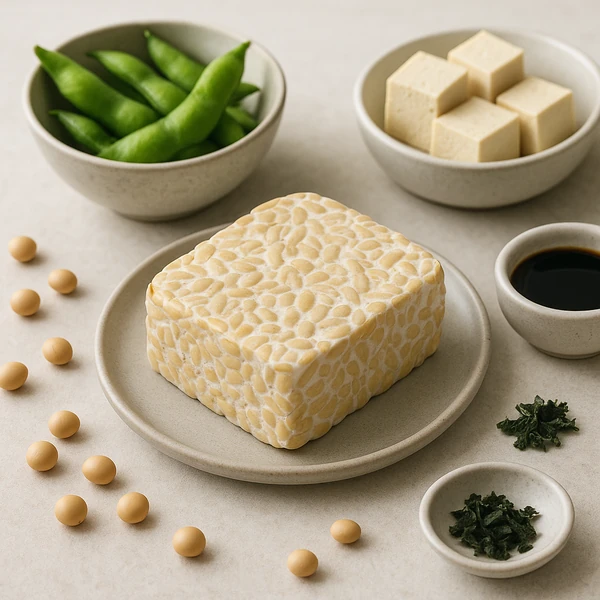
Tempeh comes from Indonesia and is typical in that it is not made from soy milk (like tofu), but by fermenting whole or partially peeled soybeans. After fermentation, the beans hold together in a compact block, which is reflected in the kitchen and on the plate: tempeh has a denser bite, a more pronounced texture, and a nutty, slightly earthy to mildly sour taste.
How tempeh is different from tofu:
- it is made from whole beans, not coagulated soy milk,
- it has a firmer, "biteable" texture,
- it tends to be more aromatic and nuttier,
- it often performs better in marinades and on the grill,
- it actively contributes flavor to the dish (not just a carrier).
It’s suitable for pan frying, grilling, marinades, sandwiches, salads, and noodle dishes when you want a more pronounced protein component.
Edamame: young green beans for snacking and bowls
Edamame are young, still green soybeans. Compared to fermented and pressed products, they are closest to the "original" form of soy: the flavor is mildly sweet, freshly bean-like, and lighter than ripe, further processed soy products.
Texture is important: properly cooked or steamed edamame should be firm, juicy, and slightly al dente, not overcooked. They are often served just with salt, but in the kitchen they also work:
- in poké and rice bowls,
- in Japanese-style salads,
- in quick vegetable mixes,
- as a base for spreads and pastes,
- in regional specialties like zunda.
Soy milk: a drink and ingredient (and it’s good to distinguish types)
Soy milk is a water extract from soybeans. In the Asian context, it's not just "something for coffee": it has its own culinary role, can be drunk alone, and is also used in soups, sauces, and desserts. At the same time, it is the starting ingredient for making tofu.
In practice, it is worth distinguishing:
- drinkable soy milk for drinking and everyday use,
- culinarily stronger soy milk (where the "soy load" is important),
- sweetened and flavored variants, which are not universally suitable for savory dishes.
Yuba and aburaage: when tofu isn’t just a “block”
Besides the classic blocks of tofu, there are lesser-known forms that significantly expand the possibilities of working with soy.
Yuba (tofu skin, "tofu skin") is created by heating soy milk until a layer forms on the surface, which is then collected and dried. It has a different texture than tofu: it is finely layered, elastic, and has a more concentrated flavor. In Chinese and Japanese cuisine, it is used both fresh and dried (for example, rolled into knots) and is suitable for stews and broths.
Aburaage is fried tofu. It has a different taste and texture than regular tofu blocks and absorbs liquid well. Therefore, it is often used in soups, broths, and rice dishes.
Other ingredients are also included in the broader soy family, such as fermented tofu (bean curd), okara, soy flour, textured soy protein, or various regional pastes and fermented blocks. They are not always the "main ingredient" – often they serve more as a building block of flavor.
How to choose and use at home: practical onboarding (tofu, tempeh, edamame, and seasoning)
1) Start with what you want from the food: texture vs. flavor carrier
- If you want a delicate protein that will take on the flavor of the sauce, reach for tofu (and check if it is silken or firm).
- If you want a stronger flavor and a "bite" structure, choose tempeh – it typically rewards you both in a pan and on the grill.
- If you want quick, green, and straightforward soy, edamame is ideal as a snack, side dish, or in bowls.
2) Tempeh in practice: pan, grill, marinades
Because tempeh is firm and more aromatic, it works well with marinades and frying. For your first attempts, it helps to keep two things in mind: (1) short, more intense searing for flavor and surface, (2) seasoning that supports its nutty tone, not overpower it.
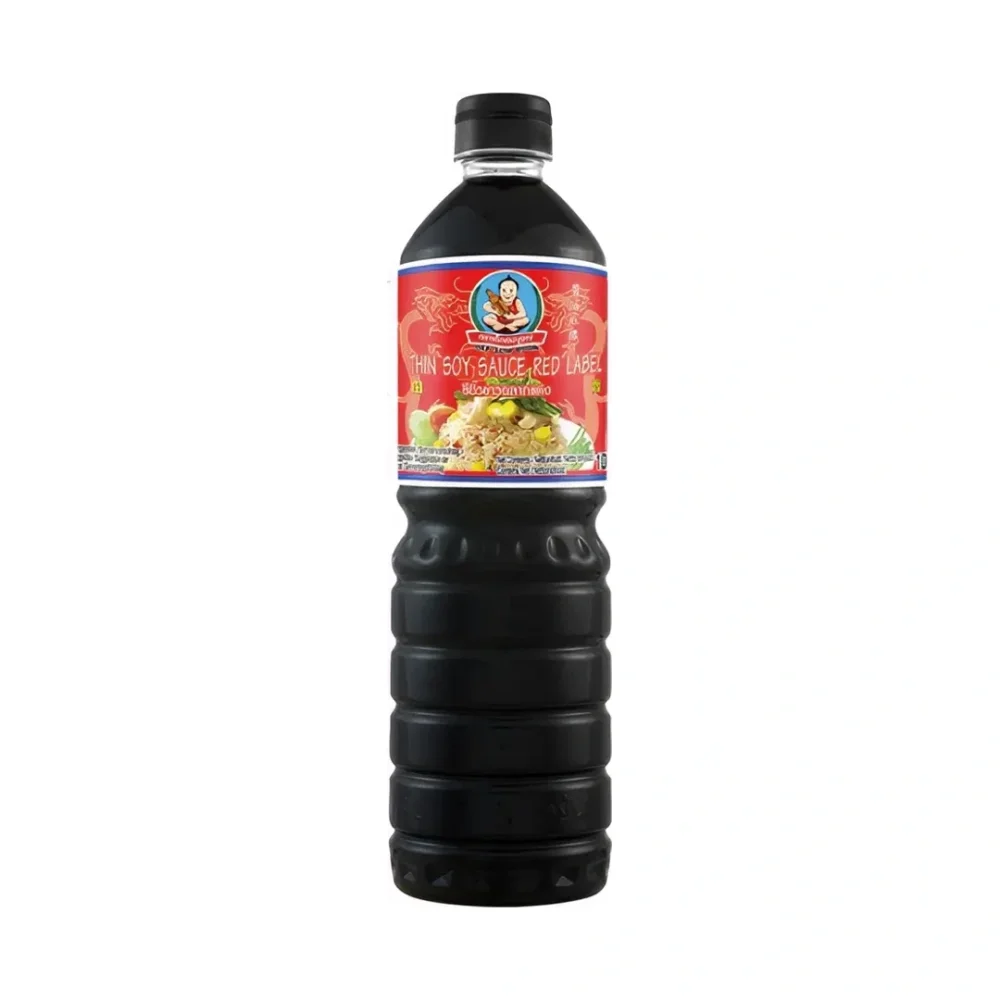
A simple start for Asian seasoning often suits light "working" soy sauce – for example, Dek Som Boon light soy sauce, which is used where you want to add saltiness and umami without strong darkening.
If you want a quickly more pronounced wok profile, a small amount of concentrated seasonings helps (here it really pays to start cautiously):
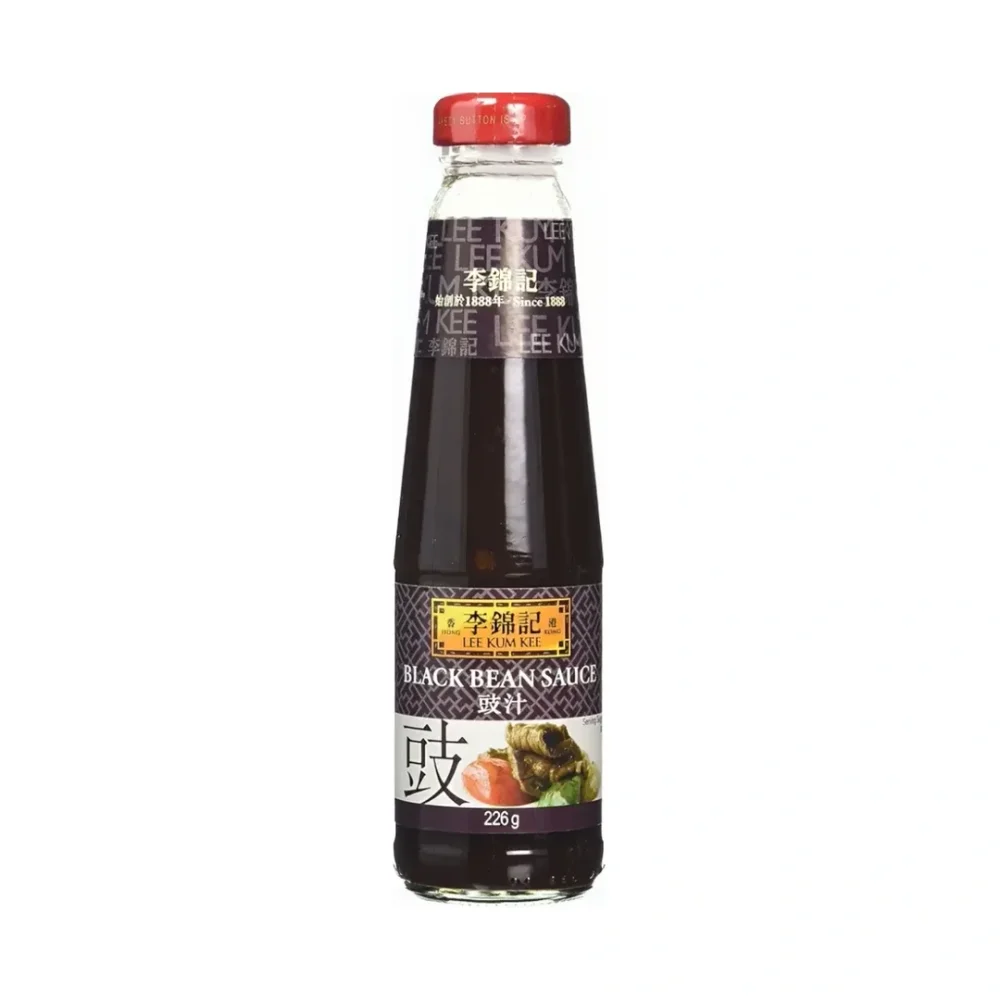
- fermented black bean sauce adds salty umami depth to stir-fry and also works with tofu,
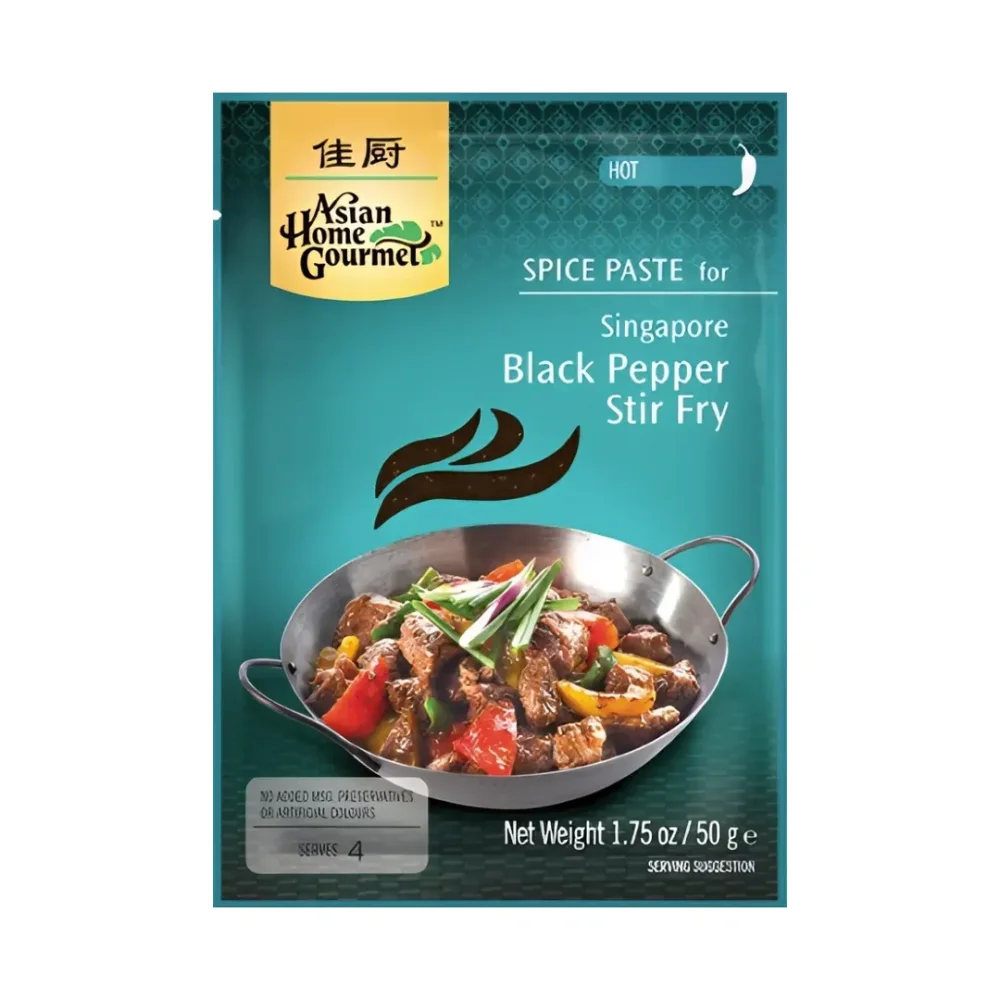
- Black Pepper Stir-Fry paste can build a quick "peppery" pan flavor (meat, tofu, and vegetables).
🍳 3) Edamame: easy preparation and most common uses
Edamame remains popular precisely because it is easy to understand: it is usually boiled or steamed in the pod and served with salt. In the kitchen, you can then use it as a ready "green protein" in bowls and salads. The key is not to overcook it – the goal is a juicy, firm bite.
4) Soy milk: when it’s better unflavored
Unflavored soy milk is generally more versatile in the kitchen. unflavored soy milk. Sweetened and flavored variants are not automatically bad, but they are much less usable in savory dishes (typically in soups and sauces) because they shift the final taste toward sweeter notes.
5) Seasoning: why there is confusion around soy sauces (and why to address it also with tofu)
Soy sauce is not a single ingredient with a fixed profile. Under the same name, different styles coexist across regions (e.g., Chinese light and dark, Japanese shoyu in several types, Korean ganjang, Thai "wok" soy sauces, or sweeter Southeast Asian varieties). Therefore, it is good to choose more by purpose rather than just by bottle color.
Practical note on mistakes: the terms "light" and "dark" do not mean the same everywhere and sweet varieties like kecap manis follow different logic than regular working soy sauce. If you confuse them, you most often "lose" sweetness and overall balance.
🍽️ 6) Combinations that make sense right from the start
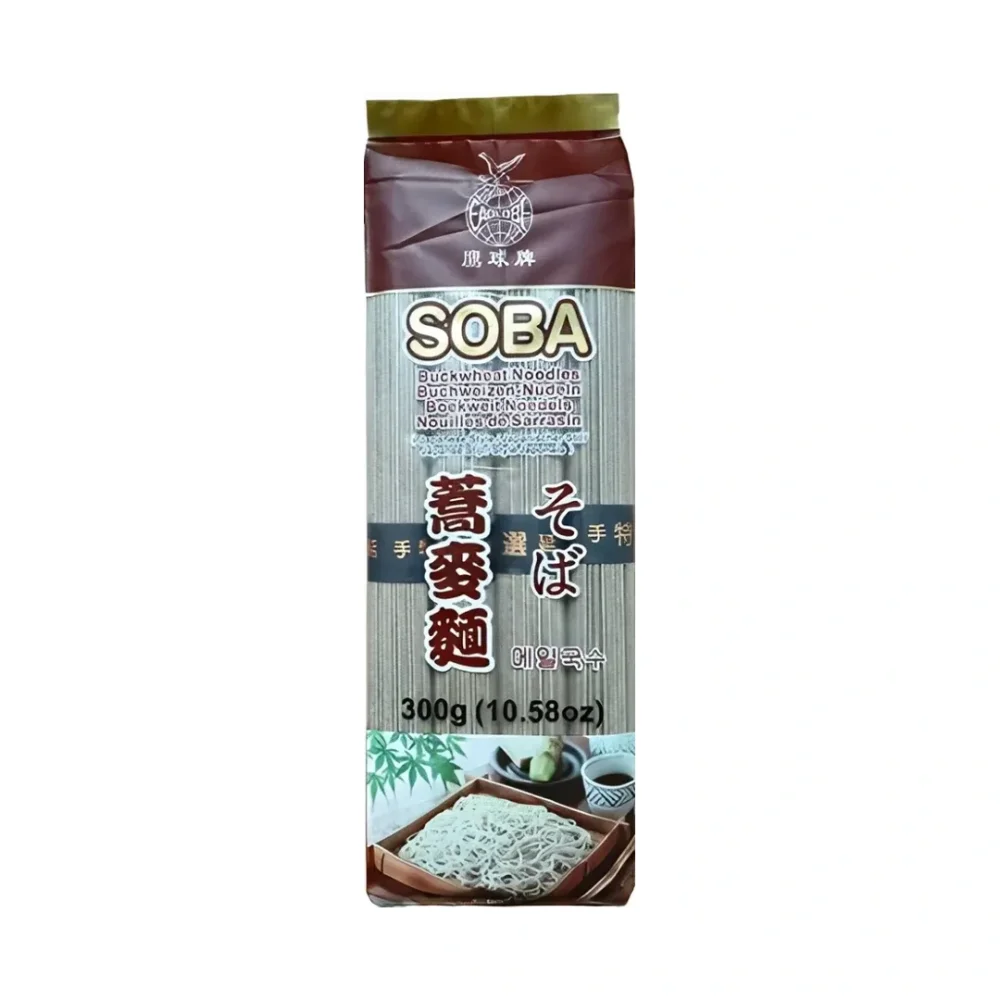
- Tempeh/tofu + quick pan sauce + noodles: as a neutral base, for example, soba noodles work well with soy-flavored seasoning.
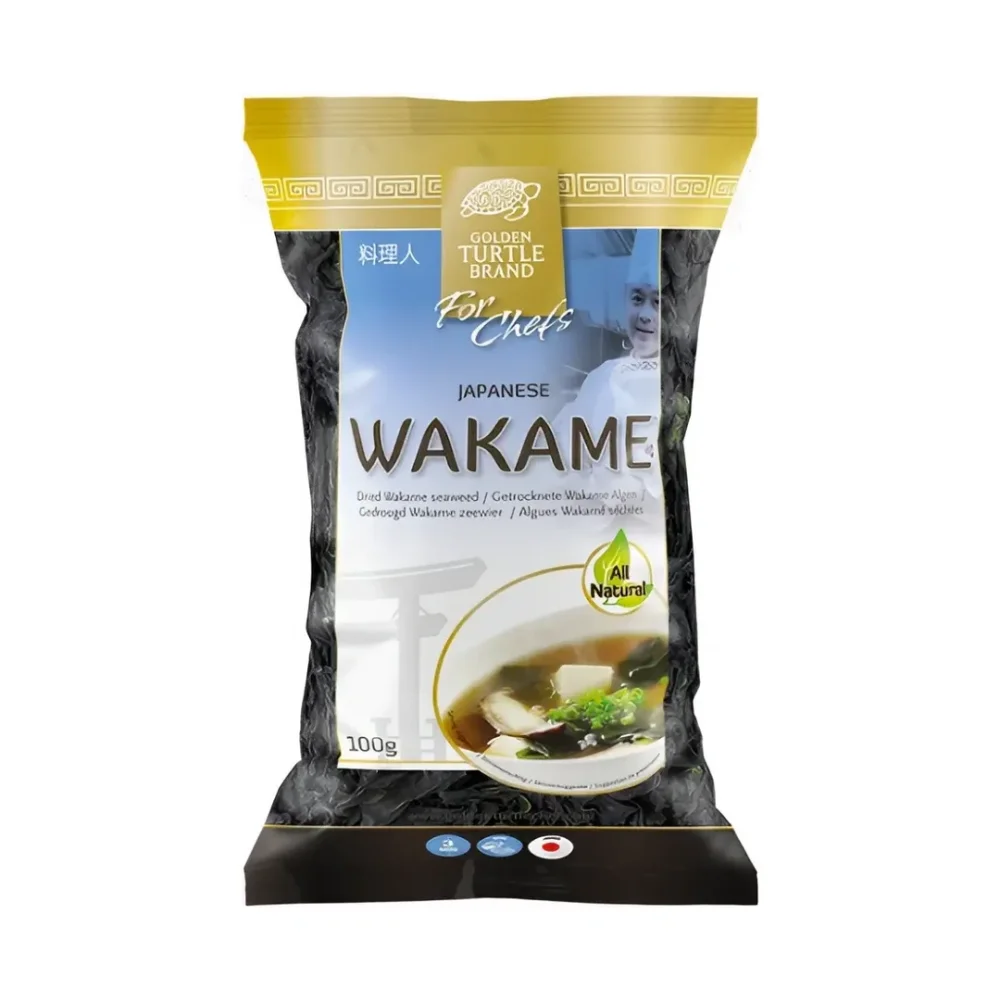
- Soup approach: sea notes often suit miso or ramen-type broths – for example, dried wakame, which softens after soaking and adds a gentle sea flavor.
Most common mistakes and unnecessary disappointments (and how to avoid them)
- Treating all soy products as a single "meat substitute." The result is often disappointment: tofu is a flavor carrier, tempeh is fermented and flavor-active, edamame is fresh "green" soy.
- Buying the wrong type of tofu for the given dish. The basic guide is silken vs. firm. If you expect delicate silken to hold up in the pan like firm tofu, it usually ends up falling apart.
- Expecting tofu to have a pronounced flavor "on its own." Tofu often works best when given clear seasoning (sauce, paste, fermented base) and a textural contrast.
- Over-salting food with soy sauce. Soy sauces are primarily salty seasonings; it pays to add gradually and taste, especially when combining multiple fermented components.
- Confusing soy sauce styles just by color. "Light" and "dark" are not universal terms across countries, and some dark sauces aim at sweetness and glaze.
- Overcooking edamame. Edamame should be firm and juicy; if you cook it into a 'mash', it loses its greatest advantage – fresh texture.
- Using sweetened/flavored soy milk in savory dishes. If you do not intentionally want a sweeter profile, the unsweetened variant is usually safer.
What to take away from the article
- Soy products do not form one interchangeable category: fermentation, water content, and texture matter.
- Edamame is fresh 'green' soy (snack, side dish, salads, bowls) and the key is to keep it slightly al dente.
- Tempeh is an Indonesian fermented block made from whole beans: firmer, nutty, and works well in a pan, grill, and marinades.
- With tofu it is essential to distinguish silken vs. firm – they are practically different ingredients with different uses.
- Soy milk is not just a drink; in cooking, it is useful to distinguish unsweetened vs. sweetened/flavored variants.
- Yuba and aburaage show that the 'tofu world' doesn't end with the white block – and opens other textures for soups, broths, and stews.

Read next
If you want to explore this topic further, continue with these related blog guides and articles:
