


 Česky (CZK)
 Slovensky (EUR)
 Deutsch (EUR)
 Austria
 Belgium
 Bulgaria
 Croatia
 Denmark
 Estonia
 Finland
 France
 Germany
 Greece
 Hungary
 Italy
Italy Latvia
 Lithuania
 Luxembourg
 Netherlands
 Poland
 Portugal
 Romania
 Slovenia
 Spain
Spain Sweden










How to cook Asian rice correctly: grain type, texture, and methods for jasmine, basmati, sushi, and sticky rice
"Rice is just rice" does not work in Asian cooking. The same pot and the same method will sometimes give you a fragrant, tender side dish for curry, other times a mushy mess, or on the contrary dry separate grains that don't suit the dish. In this guide, you will clarify how to choose rice and cook it at home so that it has the right aroma, cohesion, and texture – for jasmine, basmati, sushi, and sticky rice.
Rice in Asian cuisine: not just a side dish, but a part of flavor and texture
Rice is one of the most important foods in the world and in many Asian cuisines it is not just "something on the side." Often it is a full-fledged part of the meal – carrying the sauce, balancing saltiness and spiciness, but above all creating specific texture. Depending on the type, it can be delicate and subtle, strongly aromatic, elastic, sticky, fluffy, creamy, or chewy.
The practical consequence is simple: if you choose the wrong type of rice (or cook the right type "European style" with one universal method), the dish loses its typical character. This is a common reason why homemade curry, rice bowls, or sushi feel flat – not because the spices are bad, but because the base doesn't fit.
In this article we will stick to what makes rice rice in practice: how to navigate it, why different types behave differently, and how to adjust the cooking method according to the goal.
How to quickly get oriented in rice: 4 key aspects deciding the result
If you want to select and cook rice more confidently, it’s not enough just to read the word “rice.” In practice, it helps to perceive it at least according to four basic aspects:
- Grain length and shape: long-grain rice tends to be more separate and fluffy when cooked; short- and medium-grain rice generally has higher cohesion.
- Aroma: some varieties are intentionally cultivated for fragrance – typically jasmine and basmati.
- Starch content and behavior: starch determines stickiness, elasticity, and whether the grains stay "shape-readable" or easily clump together.
- Grain processing: white, natural, and parboiled rice behave differently – the difference is not just in nutrition but also in taste, absorption, and cooking time.
When you combine these four aspects, you get a much clearer map than from the vague label “rice for Asian cooking.”
What makes rice fluffy or sticky: amylose vs. amylopectin (without extra chemistry)
Rice texture is largely determined by starch. For home cooking, it’s enough to understand a simple rule:
- Rice with a higher amylose content tends to be fluffier, firmer, and less stickyafter cooking.
- Rice with a lower amylose content tends to be softer and stickier.
An extreme case is so-called sticky rice – it has very little or almost no amylose, and after cooking it is elastic and cohesive. This isn’t "overcooked mushy rice," but a deliberate texture type, suitable for specific dishes (for example, in Southeast Asia with sauces, grilled meat with sauce, or desserts).
How to cook main types of Asian rice: jasmine, basmati, sticky, and sushi
Before we go through the individual types, one common thing: Asian rice is very often rinsed (and sometimes even soaked). The goal isn’t to “wash the rice,” but to control surface starch and thus the final stickiness and flavor clarity.
Jasmine rice: tender, soft, but still with individual grains
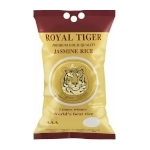
Jasmine rice typically works as a fragrant side dish for sauces – for example Thai and Laotian curries or stir-fries. It most often works well after rinsing and cooking by an absorption method (meaning the water is fully absorbed).
- Goal: tender and soft rice, but with grains still individually distinct.
- What helps: a short rest under a lidafter cooking is beneficial. This often decides whether the texture is uniform and pleasant or “half-cooked.”
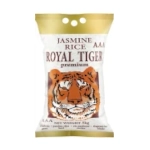
If you want to choose this type specifically, a practical guide is the jasmine ricecategory.
Basmati: fluffier, elegant, sensitive to water and stirring
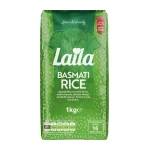
Basmati is an aromatic long-grain rice often cooked to stay as fluffy as possible. It tolerates rinsing and short soakingwell, but the key is not to overdo the water quantity and not to over-handle the grain.
- Goal: as separate grains as possible, fluffy texture.
- What to watch out for: important is caution with water amount and not to overdo stirring (this increases grain breakage and starch release).
If you often cook Indian dishes or want a fluffy side, it makes sense to have basmati as a separate type – see the category basmati rice.
Sticky rice: usually soaked and steamed
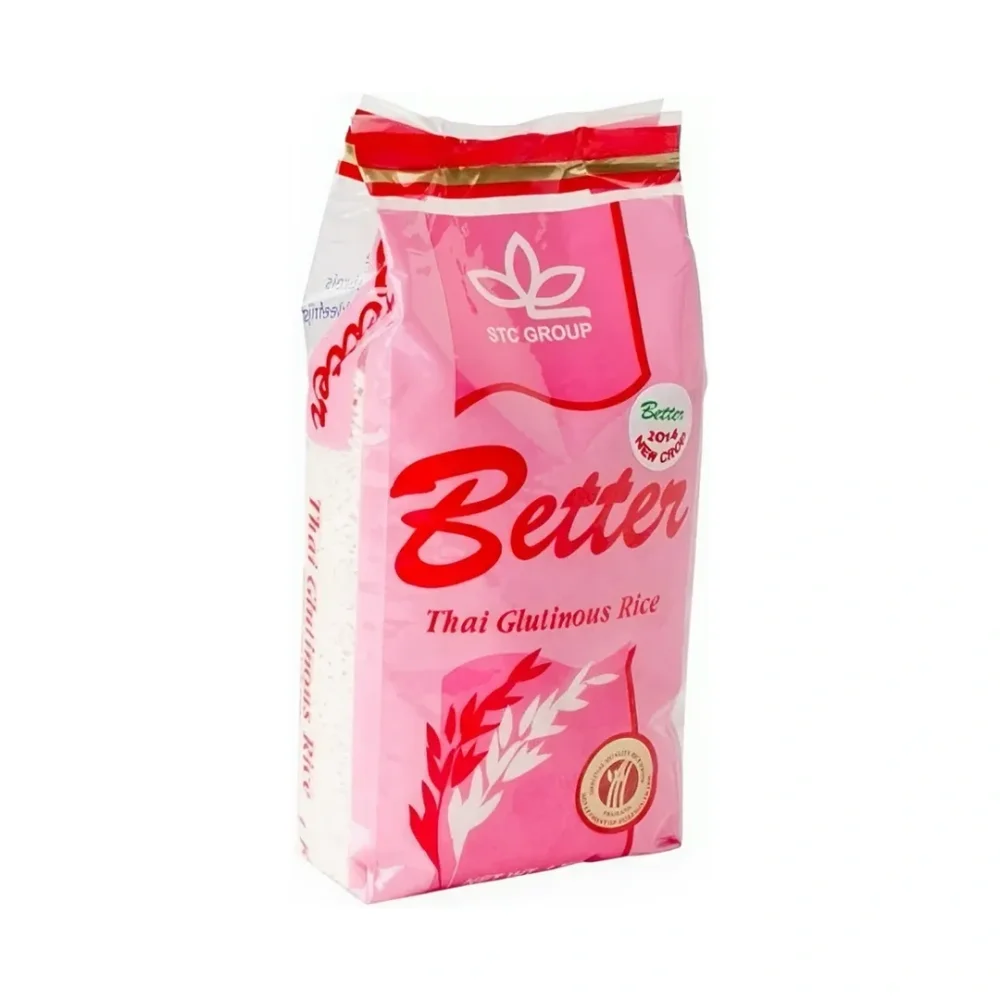
Sticky rice serves a completely different function than regular side rice. It is often soaked and then cooked by steaming. Classic cooking in a larger amount of water can lead to a less typical result – the rice softens but the texture will not be as elastic and cohesive as it should be.
- Goal: elastic, cohesive, “sticky” texture that can be picked up and shaped.
- When suitable: where rice is part of the actual eating method and for dipping sauces, or as a strong texture with strong flavors.
As a specific example of sticky rice, you can take Better Brand sticky rice – specifically for situations where rice should hold together.
Sushi rice: correct grain type, careful rinsing, and subsequent seasoning
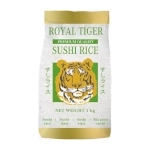
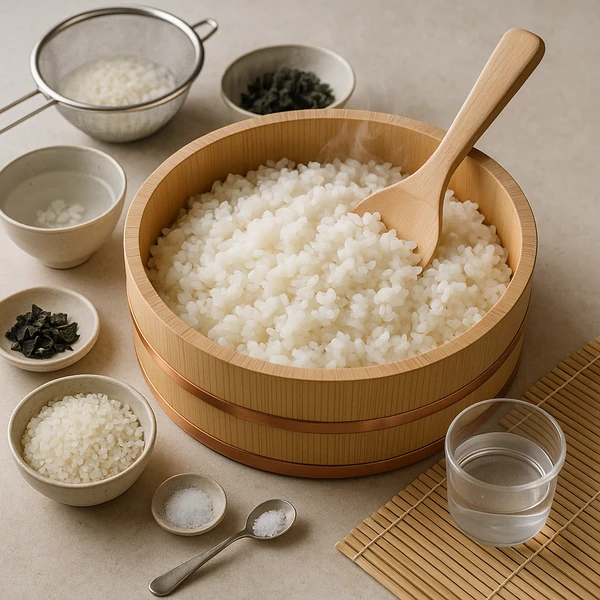
Sushi rice is not "just any white rice." It requires the correct grain type (short- or medium-grain style for cohesion), careful rinsing, precise work with water, and subsequent seasoning. Simply "cooking rice and done" is not enough for sushi – because rice is a supporting element that holds shape and at the same time has its own flavor profile.
If you make Japanese bowls or sushi, choose specifically from the sushi ricecategory.
How to choose rice by dish (and why cooking everything with one type doesn't pay off)
One of the most common mistakes is choosing rice only by price or by what’s currently at home. In Asian logic, it makes much more sense to start from the dish you want to cook:
- Do you want a fragrant and tender side dish for a sauce (for example curry)? Go for jasmine rice.
- Do you want fluffy, longer, and “elegant” rice for dishes where the structure should be separate? Go for basmati.
- Do you want elastic, sticky texture for specific Southeast Asian dishes or desserts? Go for sticky rice.
- Do you want rice that can be shaped, picked up with chopsticks, and hold shape (sushi, Japanese bowls)? Go for short-grain sushi rice.
- Do you want a rustic, stronger variant? Consider natural rice, but expect a different texture and longer preparation time.
For regular home Asian cooking, it makes practical sense to keep at least three basic types at home: jasmine for Southeast Asian use, basmati for Indian dishes and fluffier sides, and then sticky or sushi rice depending on what you cook more often.
If you want a broader directory by types, it is useful to start at rice and rice products and then go into specific categories according to the goal.
When rice is not a side dish but the framework of a meal: nasi goreng, nasi lemak and milk rice
In the European concept, rice is often just an accompaniment. In the Asian logic, however, it can be the main dish in several ways: when it forms the base of a bowl with toppings, when it is seasoned and cooked as a full meal, or when it turns into a separate category (fried rice, coconut rice, milk rice, etc.).
Indonesia: nasi goreng and why day-old rice works well
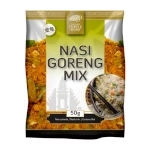
Nasi goreng is a well-known Indonesian style of fried rice. It is important to understand that it is not just "fried rice" – it has its own flavor profile and typical logic of working with rice. What is typical for it: it uses cooked and often cooled rice, which is quickly fried with an aromatic base; local seasoning plays a big role, and various toppings are common.
From the point of view of cooking rice at home, this is a useful lesson: you want different rice as a soft side dish for curry, and different (or at least differently timed) rice as a base for quick frying. If you want to simplify fried rice at home, it helps to cook the rice in advance and let it cool so that it doesn’t behave like a soft mush when frying.
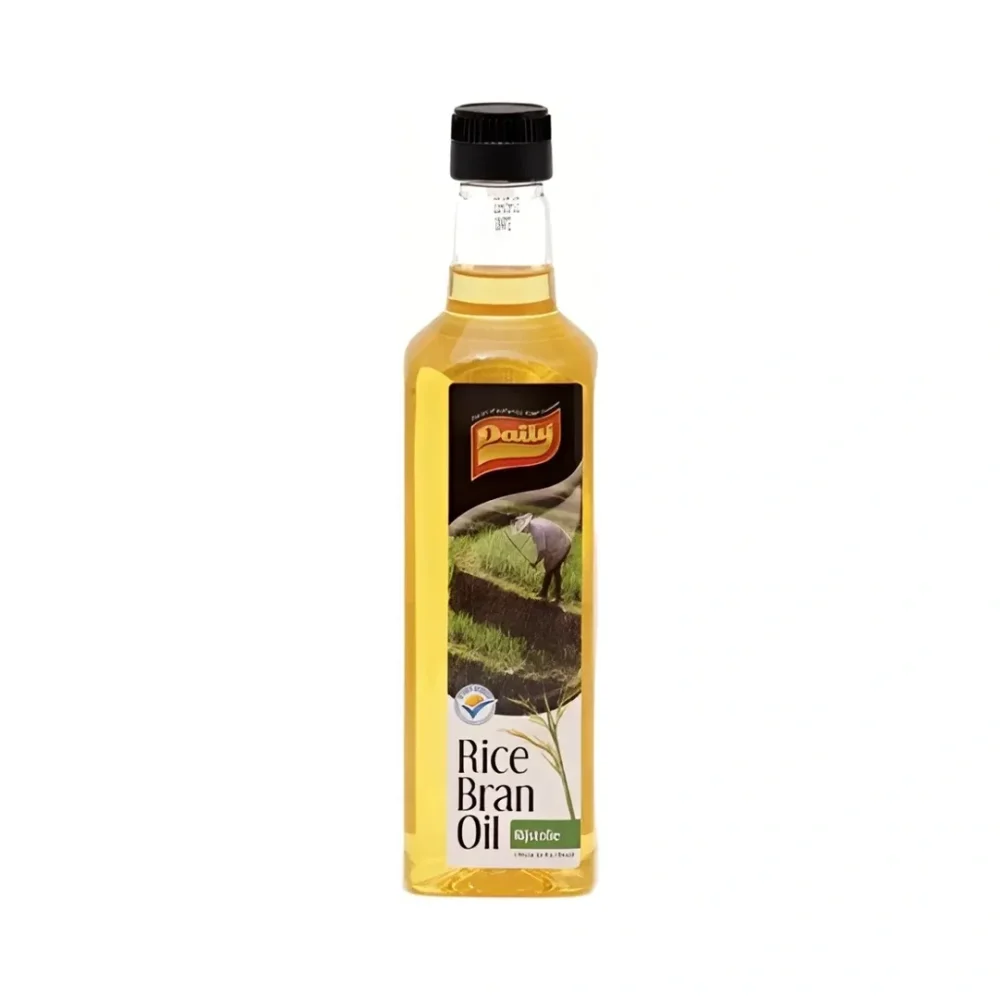
For frying, a neutral fat that does not overpower the flavor is suitable – for example Daily rice oil.
Malaysia: nasi lemak and when rice carries its own flavor
Nasi lemak is a prime example of a dish where rice is not neutral. It is cooked in coconut milk and with pandan, so it carries its own aroma and taste. It is usually paired with other ingredients and works as both breakfast and a full meal. For home cooking, this means: sometimes the goal is not a "perfect white side dish," but rice as a flavored base that has its own identity.
Sri Lanka: milk rice (kiribath) as a symbol and festive form of rice
Sri Lankan milk rice, or kiribath, is cooked with coconut milk and is important not only in flavor but also symbolically – it is associated with significant occasions and shows that rice can be both an everyday and ritual food. From a technical perspective, it is another reminder that "cooked rice" can be intentionally creamy or, conversely, shaped, not just a neutral loose side.
🍽️ Seasoning and serving: how to elevate rice without overpowering the dish
In many dishes, rice is meant to remain the calm center of the plate. Sometimes, however, you want it to carry subtle umami or to be part of the bowl itself. At such times, it makes sense to think about additions that season the rice but do not destroy its texture.
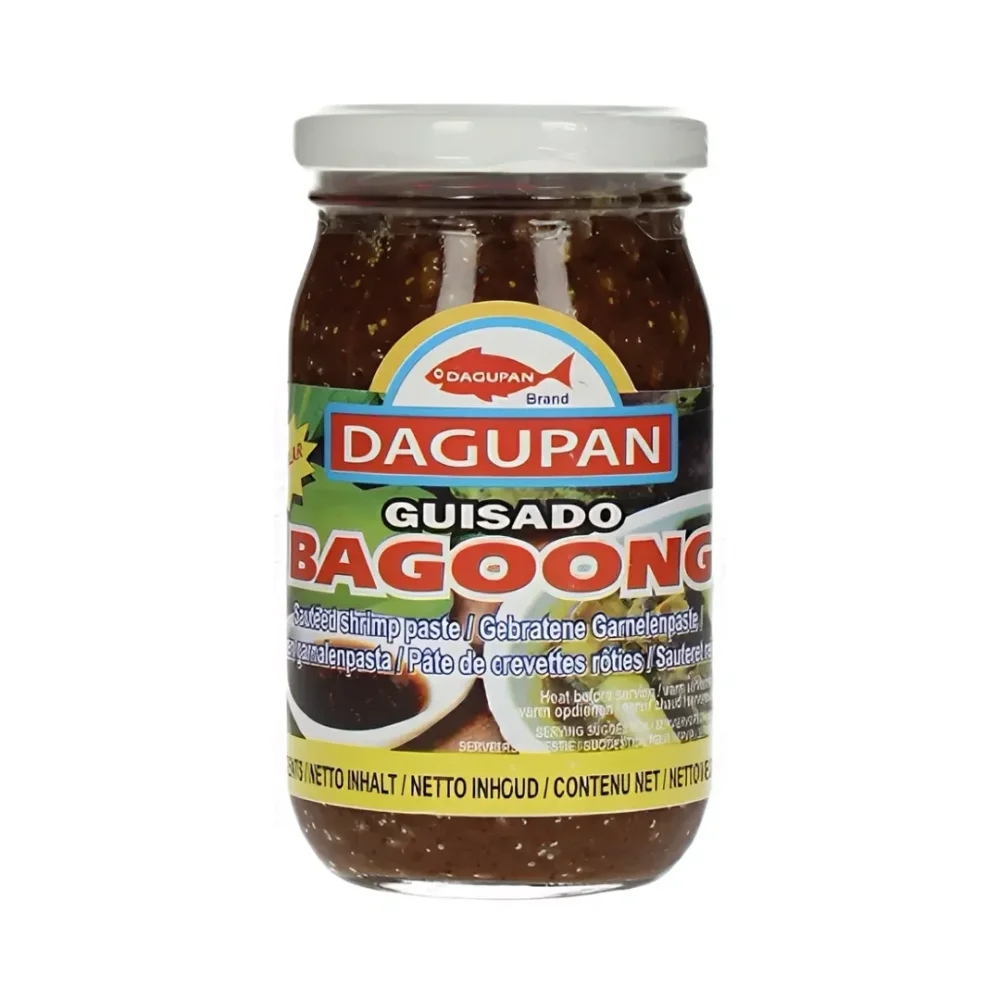
- Intense umami in small amounts: there are seasonings that are used sparingly – for example, Dagupan fried shrimp paste. The point is the "umami peak," not making the rice salty mass.
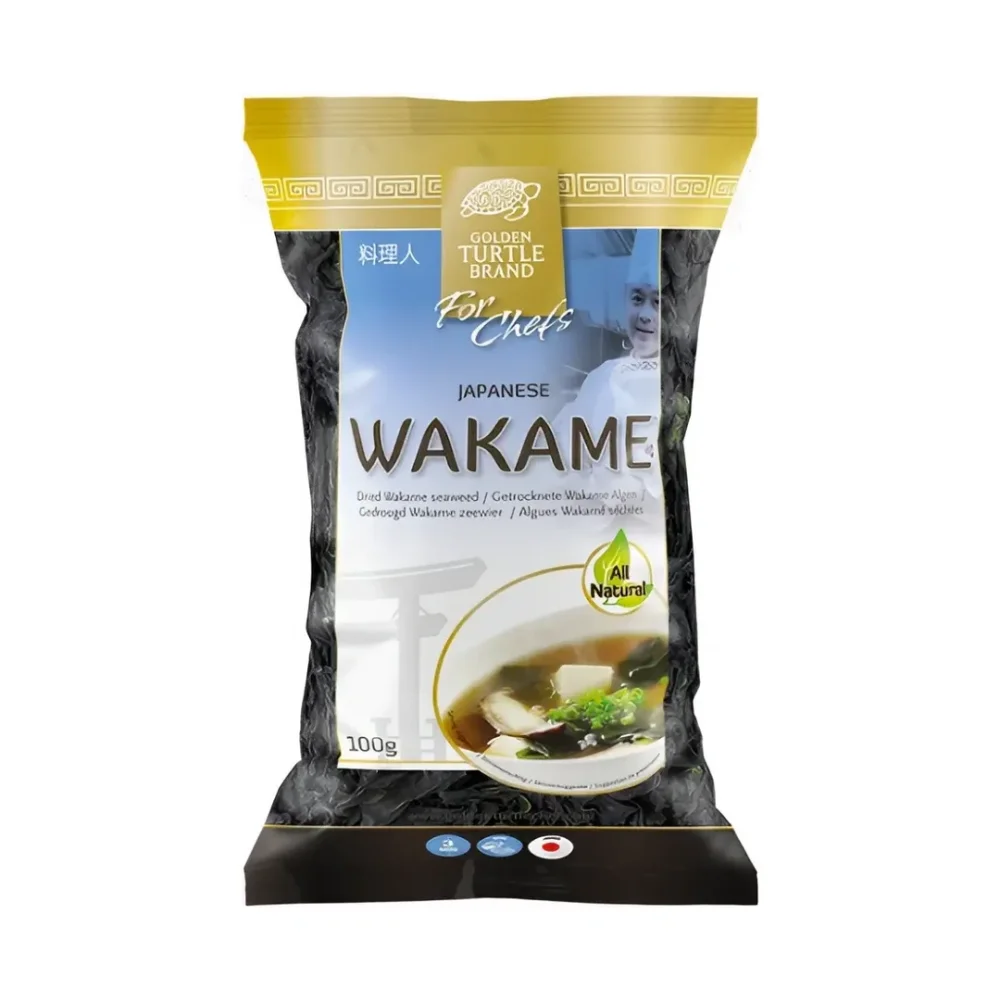
- Delicate sea flavor for bowls: seaweed also fits into rice bowls and lighter combinations. Dried wakame softens after soaking and adds a mild sea note.
If you are looking for an overview like "what is used with rice," a practical directory could be the category rice pastes and spices – but take it as inspiration for seasoning, not as a substitute for the properly chosen type of rice.
Common mistakes when cooking Asian rice (and how to fix them quickly)
- "I'll cook one rice for everything": this most often shows up with sushi and sticky rice. Sushi needs the right grain type and subsequent seasoning; sticky rice often needs soaking and steaming. Solution: have at least two to three types at home depending on what you cook most often.
- Too much water for basmati: basmati is often cooked to stay as loose as possible and is sensitive to water amount in practice. Solution: stick to conservative quantities and work gently – and most importantly, don’t over-stir.
- Skipping resting for jasmine rice: jasmine rice may look done at first glance but the texture isn’t uniform. Solution: treat a short rest under the lid after cooking as part of the process, not as an optional bonus.
- Cooking sticky rice "like pasta" in a lot of water: the result is often a less typical texture. Solution: plan soaking and steaming to make it elastic and cohesive.
- Undervaluing rinsing sushi rice: without careful rinsing and precise water handling, rice easily falls apart or becomes sticky in an unintended way. Solution: take sushi rice as a separate discipline – it’s a foundation, not a detail.
- Fried rice from freshly cooked hot rice: styles like nasi goreng typically use cooked, often cooled rice. Solution: cook the rice ahead and let it cool so it behaves better during quick frying.
What to take away from the article
- Asian rice is not one universal ingredient: it differs in grain, aroma, starch and processing – and therefore in the resulting texture.
- Higher amylose usually means looser and firmer rice, lower amylose means softer and stickier; sticky rice is deliberately elastic and cohesive.
- Jasmine rice often works when rinsed + absorbently cooked + left to rest briefly under the lid.
- Basmati tolerates rinsing and short soaking but is sensitive to water amount and excessive stirring if you want a loose result.
- Sticky rice is often soaked and steamed; sushi rice requires the right grain type, careful rinsing, precise water handling and seasoning.
- Rice can also be the main dish: from nasi goreng (with cooled rice) to coconut rice like nasi lemak or festive milk rice.

Read next
If you want to explore this topic further, continue with these related blog guides and articles:
