Česky (CZK)
 Slovensky (EUR)
 Deutsch (EUR)
 Austria
 Belgium
 Bulgaria
 Croatia
 Denmark
 Estonia
 Finland
 France
 Germany
 Greece
 Hungary
 Italy
Italy Latvia
 Lithuania
 Luxembourg
 Netherlands
 Poland
 Portugal
 Romania
 Slovenia
 Spain
Spain Sweden










Jasmine rice
🌾 Jasmine rice: a fragrant base for curries, wok dishes and simple bowls
Jasmine rice is a long-grain variety known for a gentle fragrance, a slightly tender and moist texture and a clean, round taste. It works as a reliable base for Thai-style curries, stir-fries, grilled dishes and simple vegetable bowls. It is not as dry and separate as basmati and not as sticky as sushi rice. This balanced middle ground is one reason it is so common across Southeast Asian cooking.
Asian pantry staples are available at Asian Food Shop
💡 Tip: A short rest after cooking makes a noticeable difference. Steam finishes the grain and the aroma feels cleaner and more even.
🕰️ Origin and background
Jasmine rice is strongly associated with Thailand, where it serves as an everyday side and a foundation for dishes built on the contrast between fragrant rice and bold sauces. In Thai cuisine it often appears alongside coconut-based curries, fish sauce, fresh herbs and chilli. In these combinations, the rice helps balance intensity and carry the sauce.
Interesting note: Aroma can vary by harvest and storage. Fresher rice often reads more floral, while older rice tends to show a more grain-forward character. For some brands, the crop year is part of the quality conversation because aroma is a key feature of this rice style.
🧪 Processing, types and what to expect
Jasmine rice is most commonly sold in two main forms.
- white polished quicker cooking, gentler taste and typically the most pronounced aroma
- brown whole grain firmer bite, longer cooking and a more robust, grainy profile
For orientation, the category Jasmine rice is useful, as well as the broader overview Rice and rice products.
Whole-grain versions usually need more time and often a bit more water. A short soak can reduce cooking time and soften the grain while keeping the characteristic texture.
👃 Flavour profile
- 🌸 gentle floral aroma, most expressive when freshly cooked
- 🍚 tender texture that carries sauces well
- 🥜 lightly nutty notes, more common in whole-grain versions
- ⚖️ balanced between basmati-style separation and sushi-style stickiness
✅ Note: Jasmine rice is a strong fit when sauce absorption is desired while keeping the grains intact.
🍳 Kitchen uses
🍛 With curries and saucy dishes
Jasmine rice is a classic match for Thai-style curries. A practical pairing is curry pastes with coconut milk, where rice softens heat and supports a creamy sauce.
🔥 Wok and quick stir-fries
Its mild profile lets sauces stand out. Seasoning often relies on soy sauces or the salty depth of fish sauce.
🥗 Bowls and salads
Once cooled, jasmine rice holds its shape and mixes well with vegetables, tofu, herbs and acidic elements. Whole-grain jasmine rice can be a good fit for cold preparations thanks to its firmer bite.
🍚 Fried rice
For fried rice, rice cooked the day before and chilled tends to separate better in a wok and resists getting mashed.
🫶 Wellness notes
Jasmine rice is primarily a side and a sauce carrier. In general, whole-grain versions tend to provide more fibre than highly polished white rice and can feel more filling due to their firmer structure. Exact values vary by variety and cooking method.
✅ Choosing jasmine rice
- use case classic white works well for curries and sauces, while whole grain often suits bowls and salads
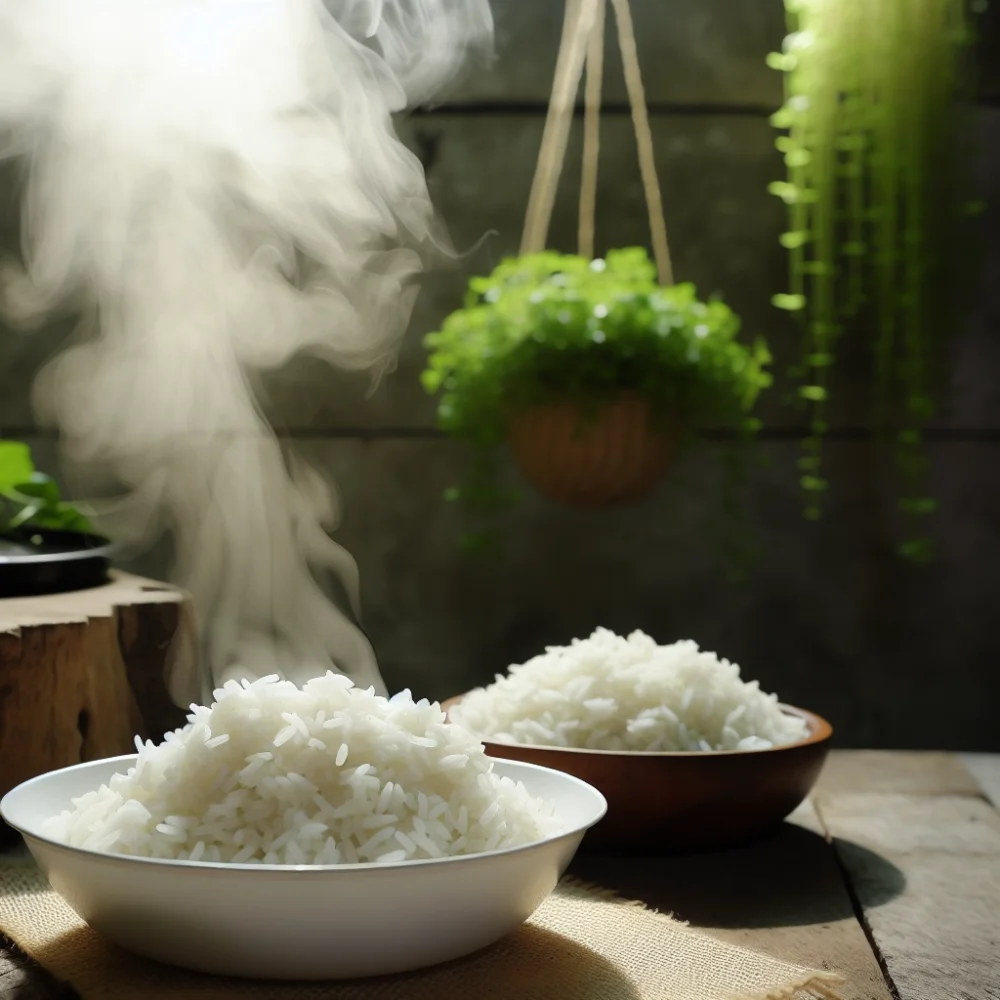
- aroma and texture good jasmine rice smells fragrant after cooking and the grains stay intact
- pack size larger bags make sense for frequent cooking, smaller packs for occasional use
- cooking method a rice cooker is consistent, while stovetop cooking benefits from a short rest after simmering
- rinsing a quick rinse removes surface starch and supports a more even result
💡 Tip: For a drier, more separated result, more thorough rinsing and slightly less water can help. For a softer texture that carries sauces, a little more water tends to work better.
🛒 Product picks
- Royal Tiger Jasmine Rice Gold 1 kg a dependable everyday option when clean aroma and consistent texture matter
- Royal Tiger jasmine rice 5 kg a larger pack for regular cooking, well suited to curries and stir-fries
- Royal Thai Jasmine Hom Mali Brown Rice 1 kg a whole-grain choice with a firmer bite, useful for bowls and cold preparations
🍵 Recipe: Thai green curry with tofu and jasmine rice
An aromatic curry where jasmine rice balances heat and coconut creaminess. The recipe relies on green curry paste, coconut milk and quick cooking in a pot or deep pan.
Ingredients
For the rice
- jasmine rice 250 g
- water 330 to 380 ml depending on the preferred texture
- salt a pinch
For the curry
- green curry paste 2 to 3 tbsp depending on heat
- coconut milk 400 ml
- oil 1 to 2 tbsp
- vegetables 300 to 400 g for example bamboo shoots, bell pepper, broccoli
- tofu 200 to 250 g
- fish sauce 1 to 2 tbsp optional
- soy sauce 1 tbsp as an alternative or for adjustment
- sugar 1 tsp
- dried lime leaves 2 to 3 pieces optional
- spice white pepper or chilli to taste optional
Method
- Rinse the rice briefly, place it in a pot with water and bring to a boil. Reduce to the lowest heat, cover and simmer for about 10 to 12 minutes. Take off the heat and let it rest for 10 minutes with the lid on.
- Heat oil in a pot or deep pan. Add green curry paste and warm it briefly for about 20 to 40 seconds until fragrant.
- Add part of the coconut milk and whisk the paste smooth, then pour in the rest of the coconut milk.
- Add tofu and vegetables. Simmer gently until the vegetables are tender but still firm, usually 6 to 10 minutes.
- Season with fish sauce or soy sauce, add sugar and optional dried lime leaves. The flavour aims to balance salty, lightly sweet and aromatic notes.
- Serve with jasmine rice, which absorbs the sauce and softens its intensity.
✅ Tip: If the curry is too thick, a small splash of water helps. If it tastes too mild, a small amount of extra curry paste can be added and briefly simmered.

Recommended products12
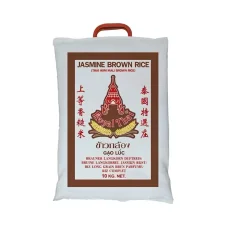
Royal Thai Jasmine Hom Mali Brown Rice 10 kg
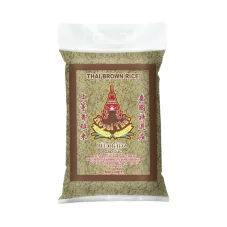
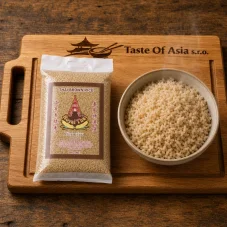
Royal Thai Jasmine Hom Mali Brown Rice 1 kg
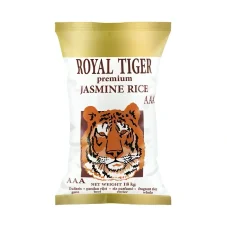
Royal Tiger jasmine rice 18 kg

Royal Tiger Jasmine Rice Gold 18 kg

Royal Tiger Jasmine Rice Gold 5 kg

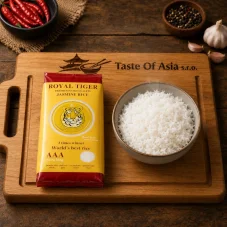
Royal Tiger Jasmine Rice Gold 1 kg
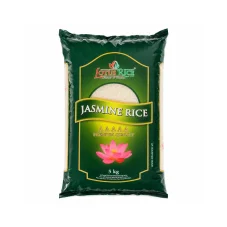
Essa Jasmine rice Lotus 5 kg
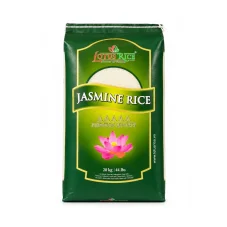
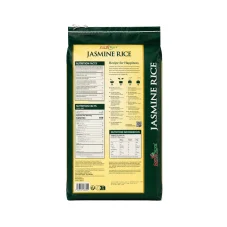
Essa Jasmine Rice Lotus 20 kg
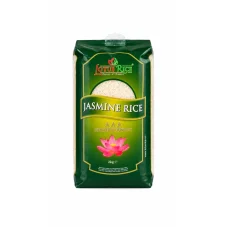
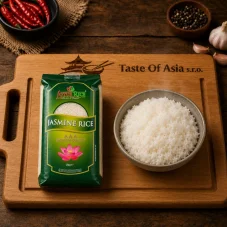
Essa Jasmine rice Lotus 2 kg
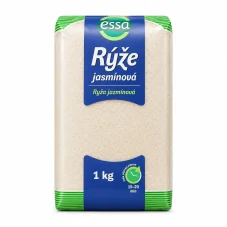
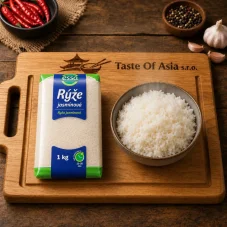
Essa Fragnant rice 1 kg
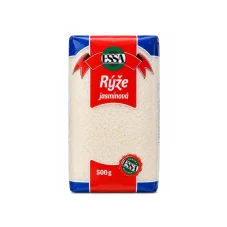
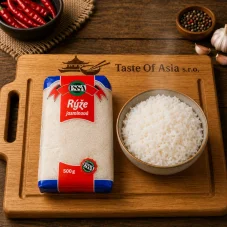
Essa Fragnant rice 500 g
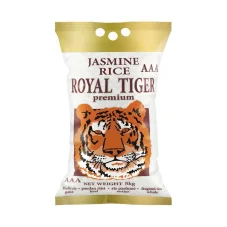
Royal Tiger jasmine rice 5 kg
Read next
If you want to continue with the same topic, here are more related articles to explore: