Česky (CZK)
 Slovensky (EUR)
 Deutsch (EUR)
 Austria
 Belgium
 Bulgaria
 Croatia
 Denmark
 Estonia
 Finland
 France
 Germany
 Greece
 Hungary
 Italy
Italy Latvia
 Lithuania
 Luxembourg
 Netherlands
 Poland
 Portugal
 Romania
 Slovenia
 Spain
Spain Sweden










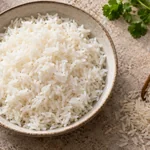
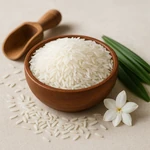
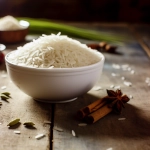
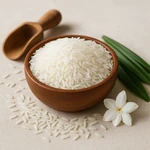
ST25 Jasmine Rice: Vietnam’s Fragrant Staple and How to Cook It Right
🌾 What ST25 jasmine rice is (and why it’s so popular)
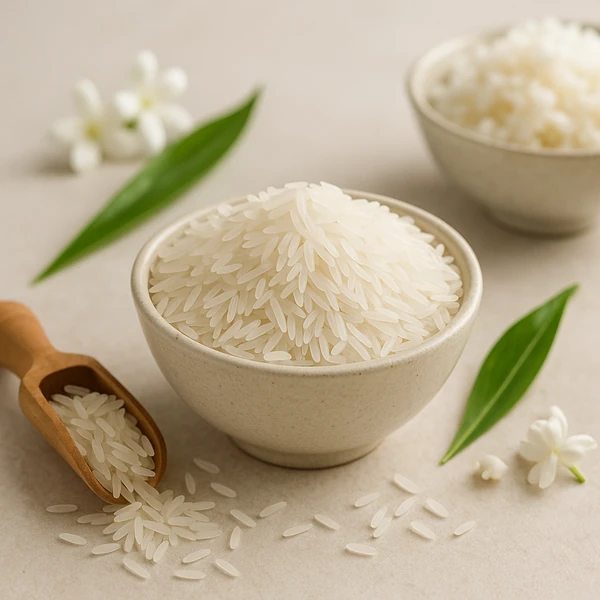
ST25 is an aromatic long-grain rice variety from Vietnam. It sits in the “jasmine-style” family—meaning it’s prized less for bold flavor and more for the comforting perfume and soft, glossy texture it brings to the plate. In Vietnamese and broader Southeast Asian home cooking, rice often plays the role of a neutral, reliable base: it absorbs sauces, softens spice, and gives structure to stir-fries, braises, and grilled dishes.
Unlike very dry, separated grains (as you might want for some Indian-style dishes), jasmine-type rice is typically served tender and slightly cohesive. The grains should still be distinct, but they’ll cling together a little—perfect for eating with chopsticks or for mixing with saucy mains.
👃 Taste, aroma, and texture: what to expect from ST25
- Aroma: naturally fragrant with a light floral note (most noticeable right after cooking and during the covered resting stage).
- Flavor: mild and subtly sweet—designed to complement strongly seasoned food rather than compete with it.
- Texture: tender and moist, with a pleasant chew when cooked correctly. It’s not meant to be crunchy, and it shouldn’t turn into porridge either.
If you love rice that smells inviting as soon as you lift the lid, ST25 is the kind of staple you’ll reach for often—especially with curries, wok dishes, and any meal that comes with a generous spoon of sauce.
🍛 Where ST25 shines in the kitchen
Because it’s aromatic yet mild, ST25 works across a wide range of Asian dishes. A few reliable pairings:
- Coconut curries and saucy stews: the grains soak up richness without becoming heavy.
- Stir-fries: it balances salty-sweet sauces and spicy garlic-chili flavors.
- Grilled or roasted meats and fish: fragrant rice rounds out smoky marinades and crisp skin.
- Everyday bowls: top with egg, tofu, quick-pickled vegetables, herbs, and a drizzle of your favorite sauce.
It’s also a great “quiet helper” when your main dish is intense—think chili heat, fermented flavors, or very salty sauces. The rice smooths the edges and makes the meal feel harmonious.
🍲 How to cook ST25 jasmine rice in a pot (simple and repeatable)
Small changes in water, heat, and resting time can noticeably change jasmine rice. Use this as a dependable starting point, then adjust once you know your preferred texture.
Step-by-step (stovetop)
- Rinse briefly: Rinse the rice under cold water 1–3 times, just until the water is less cloudy. This removes excess surface starch for a cleaner taste and better structure.
- Water ratio: Start with 1 cup rice to 1.25 cups water. For slightly softer rice, go up to 1.3–1.35 cups water.
- Bring to a boil: Combine rice and water, bring to a boil uncovered.
- Cover and simmer: Reduce to the lowest heat, cover tightly, and cook for 12–15 minutes (avoid lifting the lid).
- Rest (don’t skip): Turn off the heat and rest, covered, for 10 minutes. This is when aroma develops and the texture becomes even.
- Fluff gently: Use a fork or rice paddle to loosen the grains without mashing.
Tip: If your rice is consistently wet at the bottom, your heat may be too low or your lid isn’t sealing well—use a smaller burner, a heavier pot, or reduce water slightly next time.
⚙️ Rice cooker method (the easiest way to get consistent results)
A rice cooker is ideal for fragrant rice because it’s consistent and hands-off.
- Rinse as above.
- Add water using your usual jasmine-rice line or start close to the stovetop ratio (about 1:1.25 by volume).
- Let it rest on “Keep Warm” for 10 minutes after it switches off. This resting stage makes a bigger difference than most people expect.
If you cook rice several times a week, this method reduces variability—and prevents the common mistake of stirring or checking too early.
🚫 Common mistakes (and quick fixes)
- Too much water: leads to heavy, overly soft rice. Fix: reduce water by a few tablespoons per cup next time; always include a resting stage.
- Skipping the rest: rice can seem uneven—wet at the bottom, dry on top. Fix: rest covered 10 minutes, then fluff.
- Stirring while it cooks: breaks grains and releases more starch, making it stickier than intended. Fix: leave it alone once simmering.
- Storing in an open bag: rice absorbs odors easily (spices, coffee, detergents). Fix: transfer to an airtight container.
🧊 Storage tips (to protect aroma and texture)
- Uncooked rice: keep airtight, cool, and dry; avoid storing near strong-smelling foods.
- Cooked rice: cool quickly, refrigerate, and use within 1–2 days for best quality.
- For fried rice: chilled, day-old rice is ideal—its drier surface helps prevent clumping in a hot pan.
🍽️ A quick serving idea (when you want a great bowl fast)
Cooked ST25 + a fried egg (or soft-boiled egg) + sliced cucumber + spring onion + a drizzle of soy-based sauce. Finish with toasted sesame seeds. Simple ingredients, but the rice aroma makes it feel like a complete meal rather than “just rice.”
🛒 Our picks (ST25 in practical pack sizes)
- ESSA Jasmine Rice ST25 5 kg – a convenient size for regular home cooking.
- ESSA Jasmine Rice ST25 18 kg – ideal for big households, meal preppers, or foodservice use.
❓ FAQ
Is ST25 meant to be fluffy and dry, or tender and slightly sticky?
Tender and gently cohesive is the goal. The grains should be distinct, but not as dry-separated as basmati.
Do I have to rinse jasmine rice?
You don’t have to, but a quick rinse improves clarity of flavor and reduces excess surface starch that can make the pot bottom gummy.
Why does my rice smell great but taste bland?
That’s normal for aromatic rice: the fragrance is part of the experience, while the flavor stays mild so it can match strong sauces and mains.

Recommended products2
ESSA Jasmine Rice ST25 5 kg
ESSA Jasmine Rice ST25 18 kg
Read next
If you want to continue with the same topic, here are more related articles to explore: