

 Česky (CZK)
 Slovensky (EUR)
 Deutsch (EUR)
 Austria
 Belgium
 Bulgaria
 Croatia
 Denmark
 Estonia
 Finland
 France
 Germany
 Greece
 Hungary
 Italy
Italy Latvia
 Lithuania
 Luxembourg
 Netherlands
 Poland
 Portugal
 Romania
 Slovenia
 Spain
Spain Sweden










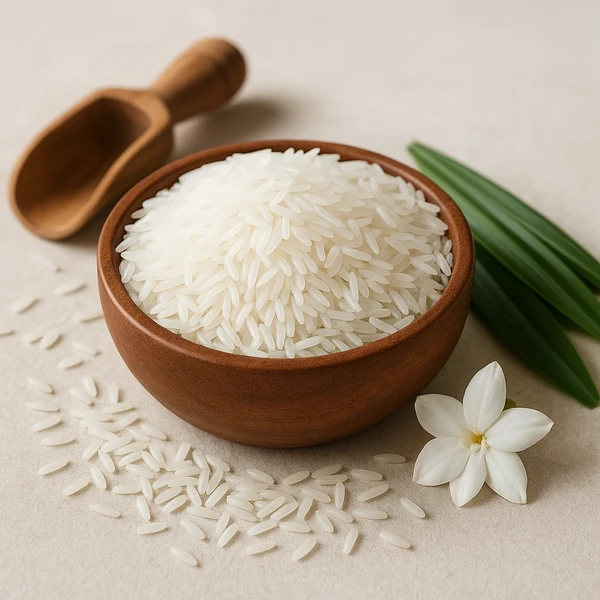
Hom Mali Jasmine Rice: Thailand’s Fragrant Classic That Elevates Any Meal
What is Hom Mali jasmine rice? 🌾
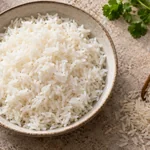
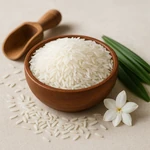
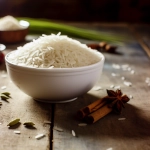
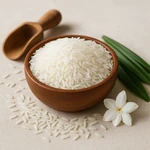
“Hom Mali” (often written as Thai Hom Mali) refers to a specific, prized style of Thai fragrant long‑grain rice—best known for its floral aroma and tender bite once cooked. In Thailand, it’s an everyday staple with a reputation similar to a signature bread: not just a side dish, but a key part of the eating experience.
While many rice varieties can be labeled “jasmine,” Hom Mali is the one people usually mean when they talk about that unmistakable Thai fragrance and a slightly creamy, comforting texture.
Aroma, taste, and texture 👃
Fragrance
Hom Mali’s aroma is naturally floral (often described as pandan- or jasmine-like). You’ll notice it most right after cooking and during the resting phase, when steam finishes the grains and carries the scent upward as you lift the lid.
Flavour & mouthfeel
The flavour is clean and subtly sweet. The grains cook up soft and fluffy, with enough tenderness to soak up sauces—without the dry, separate feel you’d expect from some other long‑grain rice types. That balance is exactly why it’s so good with curries and glossy stir‑fries.
How to cook Hom Mali well (without the common mistakes) 🍚
Great jasmine rice is mostly about restraint: gentle rinsing, not too much water, and patience at the end.
Stovetop absorption method (reliable everyday approach) 🔥
- Rinse briefly: Rinse the rice 1–3 times in cool water. You want to remove surface starch, but don’t wash it endlessly—over-rinsing can make the result less aromatic and a bit “thin.”
- Measure water carefully: Start with 1 cup rice to 1.1–1.25 cups water (a little less water than many “generic” long‑grain rices). If your rice is older or you prefer softer grains, lean toward the higher end.
- Bring to a boil, then cover and simmer: Once boiling, reduce to the lowest heat and cover tightly. Simmer about 10–12 minutes (time varies by pot and batch size).
- Rest off heat: Turn off the heat and leave covered for 8–10 minutes. This step is where the texture becomes even and fluffy.
- Fluff gently: Use a fork or rice paddle to lift and separate the grains—don’t mash.
If you use a rice cooker ✅
Hom Mali is very forgiving in a rice cooker and comes out consistent. Use the cooker’s standard white rice setting, and still allow a short rest on “warm” before fluffing.
Most frequent issues (and quick fixes) 🧠
- Rice turns gummy: Usually too much water, too aggressive rinsing plus too much water, or stirring while cooking. Next time reduce water slightly and keep the lid closed.
- Rice is dry/hard in the centre: Heat was too high (water evaporated early) or not enough water. Lower the simmer and add a small splash of hot water, then rest longer.
- Weak aroma: Over-rinsing, storing the rice unsealed near strong odours, or cooking with the lid slightly ajar. Seal it well and let it rest covered.
Where Hom Mali shines in the kitchen 🍛
Think of Hom Mali as “the sauce-friendly fragrant rice.” It rounds out spicy, salty, or sour dishes and makes simple meals taste more complete.
- Thai curries: green, red, or yellow curry—especially coconut-based sauces.
- Stir-fries: basil chicken, garlic prawns, tofu with vegetables—anything glossy and savoury.
- Rice bowls: top with grilled meat or tofu, crunchy veg, herbs, and a squeeze of lime.
- Soups on the side: a clean, comforting pairing with bold broths.
Flavours that pair especially well 🌿
- Coconut (richness + fragrance is a classic match)
- Lime, tamarind, rice vinegar (acidity “lifts” the gentle sweetness)
- Garlic, ginger, chilli (Hom Mali softens heat and sharpness)
- Soy sauce and fish sauce (umami loves a clean, fragrant base)
- Fresh herbs like coriander/cilantro or Thai basil
Hom Mali vs other popular rice types: a quick guide ⚖️
- Hom Mali jasmine: fragrant, softly fluffy, sauce-friendly.
- Basmati: more dry and separated, with a different perfume; great when you want distinct grains.
- Sushi rice: shorter grain and stickier; built for shaping and cohesive bites.
- Glutinous (sticky) rice: intentionally very sticky; common for certain regional dishes and desserts.
Choosing the right Hom Mali for your pantry 🛒
For everyday cooking, white Hom Mali is the classic. If you want more bite and a nuttier profile, look for brown Hom Mali—it takes longer to cook, but holds texture well and works nicely in grain bowls.
Also consider pack size: if you cook rice often, larger bags are convenient; if you cook it occasionally, smaller bags help you enjoy the aroma at its peak.
How to store jasmine rice so it keeps its fragrance 🫙
Fragrant rice absorbs odours and moisture easily. After opening, move it to an airtight container and store it in a cool, dry cupboard away from spices, coffee, or strong-smelling foods. If your kitchen is humid, an extra-tight seal matters even more.
A simple upgrade idea (no full recipe needed) ✨
Try “steam-finished” jasmine rice: cook as usual, then during the resting phase add a small piece of pandan leaf (if you use it) or a few crushed garlic cloves on top of the rice (not mixed in). Let the trapped steam infuse lightly, then remove and fluff. It’s a subtle restaurant-style touch for curries and grilled dishes.
Our picks (Hom Mali rice) ⭐
- ESSA Jasmine rice Hom Mali 5 kg – a practical size if you cook Thai-style rice regularly.
- Royal Thai Jasmine Hom Mali Brown Rice 1 kg – a wholegrain option with more bite and a nuttier note.
- Royal Thai Jasmine Hom Mali Brown Rice 10 kg – for frequent brown-rice eaters who want a pantry-friendly bulk pack.
FAQ ❓
Should I rinse Hom Mali jasmine rice?
Yes, briefly. A quick rinse helps prevent gumminess, but don’t wash it for a long time—Hom Mali is prized for its fragrance and character.
Why is my jasmine rice sticky?
Usually too much water or too vigorous cooking. Reduce water slightly, keep the lid closed, and always rest before fluffing.
Can I make fried rice with Hom Mali?
You can, but it’s best with rice that has cooled and dried slightly (ideally cooked the day before). Freshly cooked Hom Mali is softer and can clump in the pan.

Recommended products3
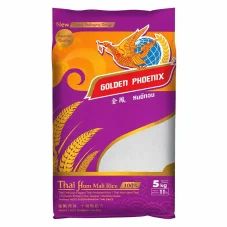
Golden Phoenix Thai Jasmine Rice Hom Mali 5 kg
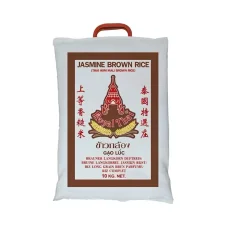
Royal Thai Jasmine Hom Mali Brown Rice 10 kg
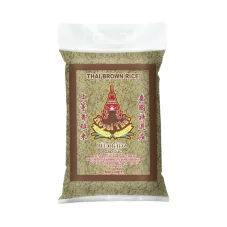
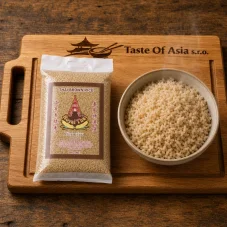
Royal Thai Jasmine Hom Mali Brown Rice 1 kg
Read next
If you want to continue with the same topic, here are more related articles to explore: