

 Česky (CZK)
 Slovensky (EUR)
 Deutsch (EUR)
 Austria
 Belgium
 Bulgaria
 Croatia
 Denmark
 Estonia
 Finland
 France
 Germany
 Greece
 Hungary
 Italy
Italy Latvia
 Lithuania
 Luxembourg
 Netherlands
 Poland
 Portugal
 Romania
 Slovenia
 Spain
Spain Sweden










Ground Nutmeg: How to Use It, What It Pairs With, and Why It Works in Asian Cooking
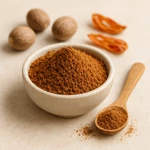
What ground nutmeg actually is 🌰
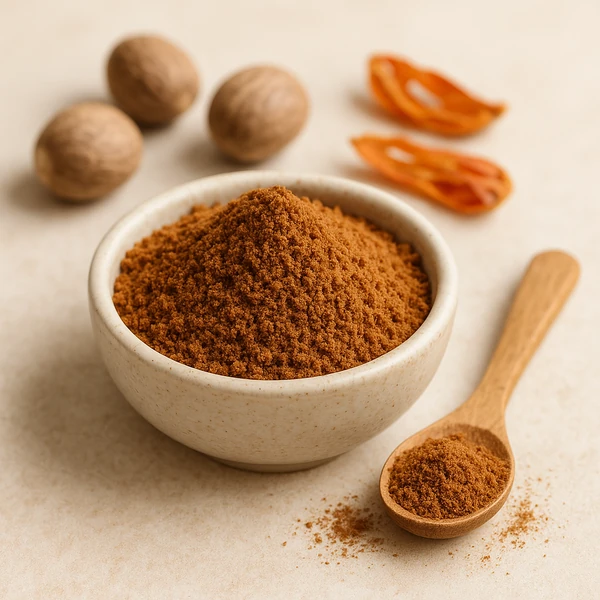
Nutmeg is the dried seed of Myristica fragrans, a tropical evergreen traditionally associated with Indonesia’s Banda Islands. In many kitchens it’s treated as a background spice: you don’t usually want to taste nutmeg clearly—you want it to make everything else taste more rounded.
Ground nutmeg is simply nutmeg milled into a fine powder. It’s convenient and blends quickly into sauces, soups, batters, and spice mixes. The trade-off is aroma: once ground, nutmeg gradually loses its brightness faster than a whole nutmeg grated fresh.
Flavor profile: warm, sweet-spicy, and intense 👃
Nutmeg’s aroma is warm and perfumed, with a gentle sweetness and a woody-spicy edge. It can read “cozy” in dairy-based dishes and “deeply fragrant” in spice blends. Because it’s potent, the most common mistake is using too much—overdoing it can turn a dish bitter, medicinal, or oddly soapy.
Where nutmeg shines in everyday cooking 🍲
Classic savory uses
- Creamy sauces (béchamel, cheese sauce, cream-based pasta): a small pinch makes dairy taste fuller and less flat.
- Potatoes: mashed potatoes, gratins, croquettes, creamy potato soups.
- Leafy greens: spinach, chard, kale—especially when sautéed with butter/cream or finished with a splash of milk.
- Vegetable purées and cream soups: pumpkin, cauliflower, parsnip, sweet potato.
- Egg dishes: quiche, savory custards, gentle scrambled eggs (very lightly).
Sweet uses beyond “holiday baking”
- Fruit: apples, pears, bananas—nutmeg adds warmth without the sharpness of clove.
- Chocolate and cocoa: a pinch can make chocolate taste deeper and more aromatic.
- Milk-based desserts: rice pudding, custard, bread pudding, panna cotta-style creams.
Why nutmeg makes sense in Asian cuisine 🌶️
Nutmeg isn’t an “in your face” spice in most Asian recipes, but it can be a smart supporting player in dishes built on warm aromatics, slow-cooked sauces, and coconut milk. Think of it as a rounding spice: it softens sharp edges, ties together sweet-salty notes, and adds a gentle, lingering warmth.
Asian-style dishes where a tiny pinch works well
- Coconut curries and stews: add a pinch near the end to deepen the aroma without dulling freshness.
- Spice-heavy meat dishes: works with black pepper, coriander, cumin, cinnamon/cassia, star anise, and clove-like profiles.
- Marinades for grilled meats: especially when the marinade already includes ginger, garlic, soy/fish sauce, or palm/brown sugar.
- Fried snacks and fillings: in small amounts, nutmeg can lift minced meat, cabbage, or potato fillings used in dumplings, buns, or patties.
Practical tip: if a curry tastes “good but a bit sharp” (too much heat, too much tang, or too much raw spice), try a micro-pinch of nutmeg instead of adding more sugar or salt. It won’t make the dish sweet—it can simply make it feel more integrated.
How much to use (and when to add it) 🧂
Nutmeg is powerful. For most dishes, think in pinches, not teaspoons.
- Per serving: start with about 1/16–1/8 tsp (a small pinch).
- For a family pot (4 servings): typically 1/8–1/4 tsp is plenty.
Timing matters
- In sauces and soups: add early for a deeper, mellow note, or add late for a brighter aroma. Many cooks do both: a tiny pinch early, then adjust with another tiny pinch at the end.
- In baked goods: mix into dry ingredients so it distributes evenly.
- In curries: add near the end and simmer briefly (1–2 minutes) so it blooms without taking over.
Ground vs whole nutmeg (and what about mace?) 💡
Ground nutmeg is best when you want speed and even distribution—ideal for creamy soups, sauces, batters, and quick weeknight cooking.
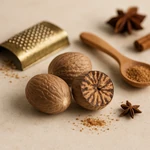
Whole nutmeg (grated fresh) delivers the most vivid aroma. If nutmeg is a key note in your dish (for example a béchamel-based bake or a fragrant dessert), whole nutmeg can taste noticeably fresher.
Mace is the lacy outer covering of the nutmeg seed. It’s related but usually more delicate and floral. If you find nutmeg too forceful, mace can be a softer alternative—especially in lighter sauces or subtly spiced desserts.
Common mistakes (and easy fixes) ✅
- Using too much: if the dish turns harsh or medicinal, dilute with more base (more sauce/soup) and add fat (cream, coconut milk, butter) to soften the edge.
- Adding it only at the table: nutmeg benefits from a short warm bloom. Stir it in, simmer briefly, then taste.
- Old spice, weak results: ground nutmeg fades over time. If you need to keep adding more to “taste it,” it may be stale—replace it or switch to whole nutmeg.
Storage: keep the aroma where it belongs 🫙
- Store ground nutmeg airtight, away from heat, moisture, and direct light.
- Keep it near the back of a cupboard, not above the stove.
- For best flavor, use within a few months after opening (it’s still safe later, just less fragrant).
Quick usage idea: coconut curry “rounding pinch” (not a full recipe) 🍛
- Cook your curry as usual (aromatics, paste/spices, protein/veg, coconut milk).
- When everything is tender and the sauce tastes balanced, add a very small pinch of ground nutmeg.
- Simmer for 60–90 seconds, then taste again.
- If you want more warmth, add another micro-pinch—stop before nutmeg becomes identifiable.
Our picks (if you’re restocking) 🧺
- Ground nutmeg for everyday sauces and soups
- Whole nutmeg for fresh grating and maximum aroma
- Mace as a gentler, more floral alternative
FAQ
Does nutmeg make food sweet?
Not exactly. It has a gentle sweetness in aroma, but in savory dishes it mainly adds warmth and depth—especially in creamy or coconut-based sauces.
What spices pair especially well with nutmeg?
Black pepper, cinnamon/cassia, clove-like spices, ginger, coriander, cumin, and vanilla all play nicely with nutmeg. In savory cooking, it also loves dairy, butter, and coconut milk.
Is it okay to use a lot for stronger flavor?
It’s better to avoid large amounts. Nutmeg is potent and can become unpleasant quickly. Build flavor with small additions and rely on the rest of your aromatics for intensity.

Recommended products2
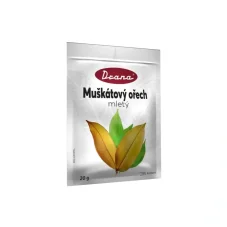
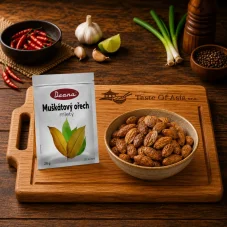
Drana Ground Nutmegs 20 g
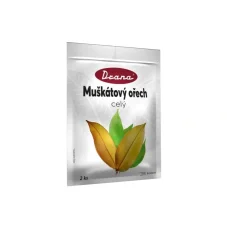
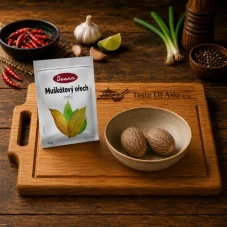
Drana Nutmeg Whole 2 pcs
Read next
If you want to continue with the same topic, here are more related articles to explore: