


 Česky (CZK)
 Slovensky (EUR)
 Deutsch (EUR)
 Austria
 Belgium
 Bulgaria
 Croatia
 Denmark
 Estonia
 Finland
 France
 Germany
 Greece
 Hungary
 Italy
Italy Latvia
 Lithuania
 Luxembourg
 Netherlands
 Poland
 Portugal
 Romania
 Slovenia
 Spain
Spain Sweden










Yuzu, aloe and other current beverage trends
Yuzu, aloe, tapioca or matcha — modern Asian drinks combine tea tradition with striking visuals and playful textures. In this practical guide, I will explain what connects these drinks, how to use selected ingredients (yuzu, aloe, tapioca, matcha), and give specific tips on how to start safely and easily at home.
🌶️ What is really typical for modern Asian drinks
Contemporary Asian drinks are not just "something sweet with ice." They have several recurring features that explain their success in cities and cafes:
- Strong connection to tea – many drinks are based on a tea foundation (green tea, oolong, black tea or matcha).
- Texture as an experience – drinks often contain tapioca pearls, aloe pieces, jelly, milk/cheese foam or crushed ice; texture entertains and at the same time mildly satiates.
- Possibility of personalization – choice of sweetness, amount of ice, type of milk and toppings is part of the product.
- Visuals and layering – contrasts of colors and layers (for example white milk layer on dark tea) are thoughtful and signal taste and composition.
- Drink as snack – a drink can simultaneously serve as a small meal, not just a refreshing beverage.
Modern Asian drinks as a world of textures
Texture is a fundamental difference compared to common European drinks. Each textural element has its role:
- Tapioca pearls – add chewiness and body; work as the “body” of the drink in a blend.
- Aloe pieces – fresh, slightly gelatinous element; work well in fruit teas and iced drinks.
- Jelly and agar pieces – variable texture and clean fruit or tea aroma.
- Milk foam / cheese foam – creamy layer that highlights the aroma in contrast with iced tea.
Practical tip for first experiments: count on about 20–50 g of toppings per serving (about 1–3 tablespoons up to 1/4 cup depending on type). This will give noticeable texture without making the drink feel "overloaded."
Bubble tea as a textural drink
Bubble tea is a paradigmatic example of how textures, tea and personalization work together. What is unique about bubble tea:
- balance between tea base, milk (or plant-based alternative) and syrup;
- topping (tapioca, jelly, aloe) as the main "experience" while drinking;
- possibility to adjust sweetness and ice according to taste.
Quick approximate ratio for the first attempt (not a complete recipe but a practical guide): 150 ml strongly brewed tea + 30–50 g cooked tapioca pearls + 15–30 ml sweet syrup (or to taste) + 30–50 ml milk/plant drink + ice. If pearls are hard, usually they need to be softened longer in warm water or sugar syrup.
Matcha latte and other modern matcha drinks
Matcha today works in cafes also as an iced drink. Important principles:
- Do not overdo sweetness – matcha works best when its subtle bitterness and umami remain readable; sweetener should rather balance than overpower.
- Milk must not drown matcha – keep the ratio of matcha paste to milk reasonable (see practice below).
- Watch out for blends – some “matcha latte” blends contain a large part of sugar and powdered milk, not pure matcha; read the ingredients.
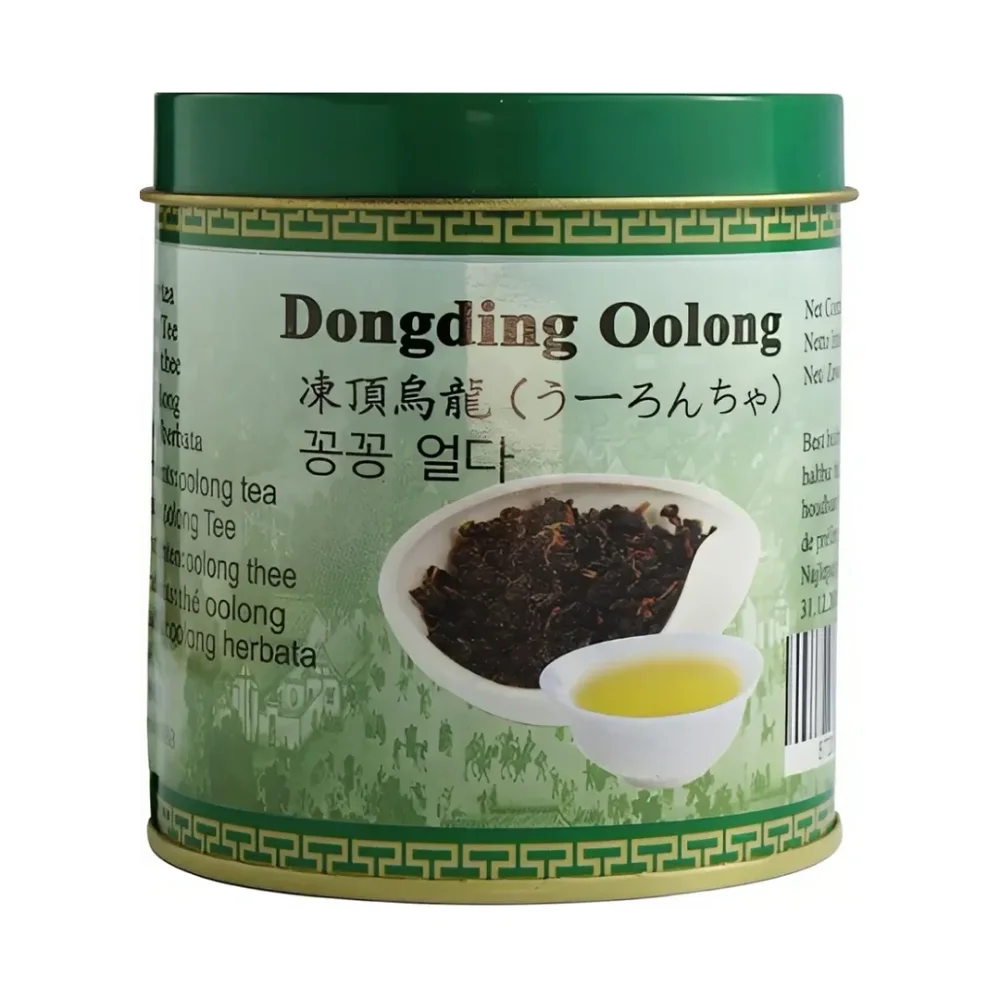
Practical way to prepare latte-style at home: sprinkle 1 teaspoon of quality matcha (about 1–2 g), stir it smoothly in a small amount of hot water and add 150–200 ml of frothed milk. Sweeten little by little and taste. If you prefer a tea base instead of matcha, a quality oolong example to use is Golden Turtle Dong Ding Oolong, which is suitable for iced and milk drinks.
Yuzu and iced citrus drinks
Yuzu represents the trend of iced citrus drinks: strong aroma, floral notes and intense fragrance. In practice, yuzu is often used in concentrated form (juice or syrup) because fresh fruit is not common everywhere. Basic approach:
- work with small doses of concentrate – yuzu is aromatic, so 10–30 ml concentrate per 200–300 ml drink is often enough;
- balance acidity with simple syrup or mildly sweet tea;
- yuzu works well with soda, green tea or light black tea.
How to start at home: what to buy and how to combine
Quick shopping and preparation plan for first home experiments:
- quality loose leaf tea (basic choice: oolong, stronger green tea or black tea) — for example tea base see Golden Turtle Dong Ding Oolong;
- matcha (pure, not sweet blend), instant tapioca or ready-made toppings (aloe cubes, jelly);
- basic syrup 1:1 (sugar:water) and optionally aromatic pastes for quick syrups — for inspiration see category Pastes and blends;
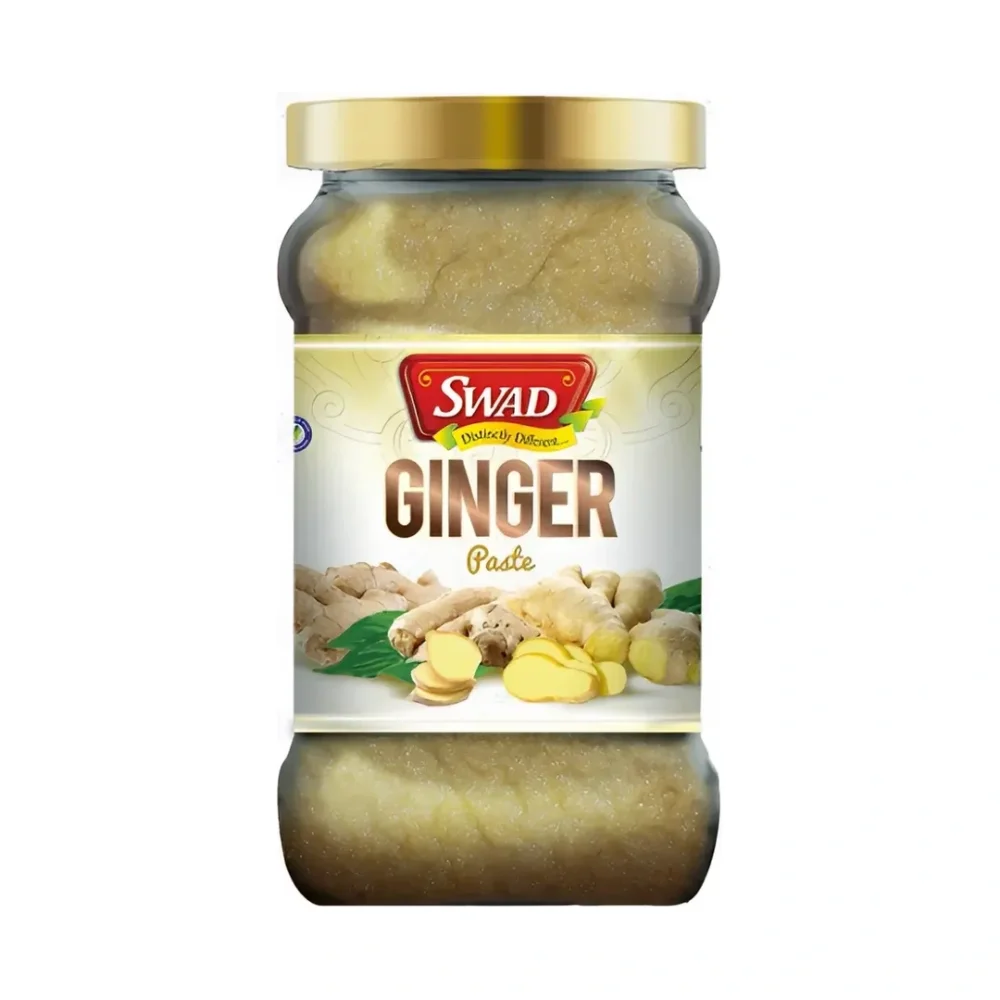
- for quick ginger aroma or spicy tone also ginger paste (a quick way to homemade ginger syrup) will serve.
Basic ratios for first three types of experiments (approximately):
- Fruit/iced tea: 150–200 ml strong tea + 20–40 ml citrus concentrate + 10–30 ml syrup + 30–50 g topping + ice.
- Matcha latte: 1 teaspoon (1–2 g) matcha + 20–40 ml hot water for paste + 150–200 ml milk + sweetener to taste.
- Soda with yuzu: 20–30 ml yuzu concentrate + 150–200 ml sparkling water + 10–20 ml syrup + ice.
Tip: start with a smaller amount of sweetener and add gradually — it is easy to overdo the flavor and hard to soften it later.
Common mistakes and warnings
- Too sweet mixes: commercial blends for latté often contain large amounts of sugar and powdered milk; if you want the taste of matcha, buy pure matcha and sweeten separately.
- Underestimating texture: too large amount of toppings without corresponding volume of liquid ruins the experience; stick to the given ratios.
- Hard tapioca pearls: usual cause is undercooking or insufficient "resting" in warm syrup; solution is to extend cooking or leave pearls a while in hot syrup.
- Layering without purpose: visual supports taste logic — thicker syrups/density at the bottom, pour milk slowly over the back of a spoon for clean layers.
- Unread composition: for tea blends check whether it is pure loose leaf tea or a sweetened instant mix; for matcha it is crucial how much real matcha is in the blend.
What to take away from the article
- Modern Asian drinks combine tea base, strong aroma and textures; that is their core.
- Tapioca, aloe and jelly are not just decoration — they give the drink haptics and can partially substitute a snack.
- Matcha requires sensitivity: minimize sugar, let its umami be readable. It can also be used in iced and dessert drinks.
- Yuzu and other citrus work as concentrated fragrances — a small amount is enough, which needs to be balanced with syrup and base.
- For first home attempts, quality tea, simple syrup, one type of topping (tapioca or aloe) and willingness to adjust sweetness by teaspoons are sufficient.

Read next
If you want to explore this topic further, continue with these related blog guides and articles:
