


 Česky (CZK)
 Slovensky (EUR)
 Deutsch (EUR)
 Austria
 Belgium
 Bulgaria
 Croatia
 Denmark
 Estonia
 Finland
 France
 Germany
 Greece
 Hungary
 Italy
Italy Latvia
 Lithuania
 Luxembourg
 Netherlands
 Poland
 Portugal
 Romania
 Slovenia
 Spain
Spain Sweden










Tofu
Products
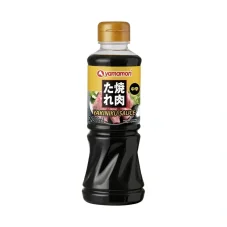
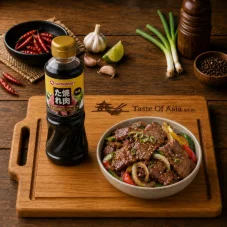


Yamamori Yakiniku sauce 220 ml
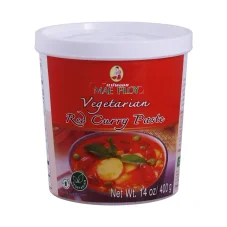
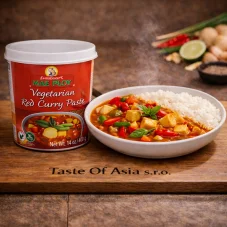
Mae Ploy Vegetarian red curry paste 400 g
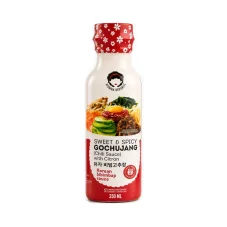
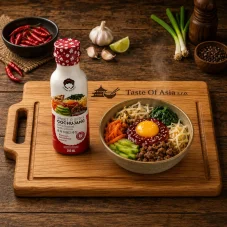
Ajumma Republic Korean sweet and spicy chili sauce with yuzu 250 ml
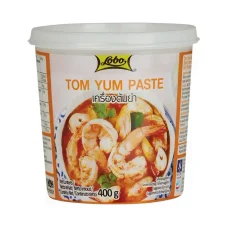
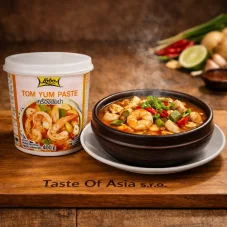
Lobo Soup paste Tom Yum 400 g
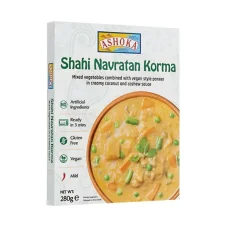
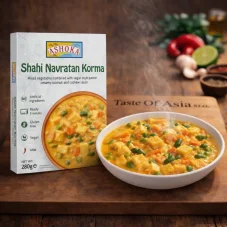
Ashoka Instant Shahi Navratan Korma 280 g
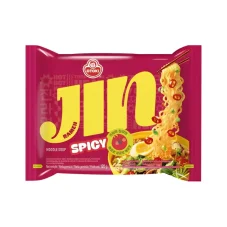
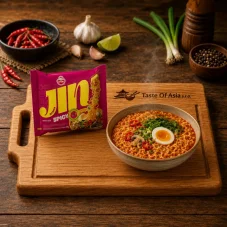
Otoki Instant Noodles Jin Ramen Spicy 120 g
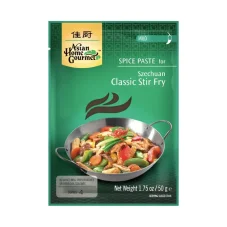

AHG Classic Stir-Fry Paste 50 g
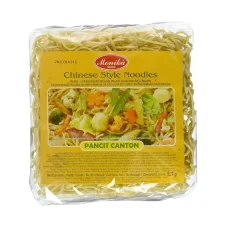
Monika Cantonese noodles for a pan 227 g
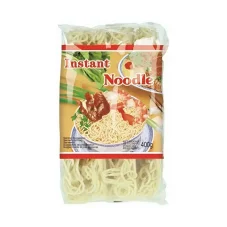
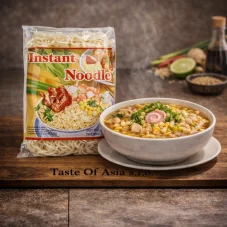
H&S Instant noodles 400 g
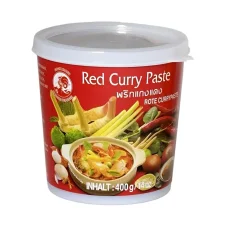
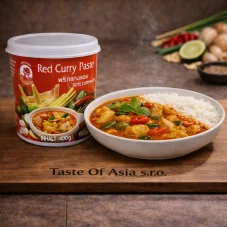
Cock Brand Red curry paste 400 g
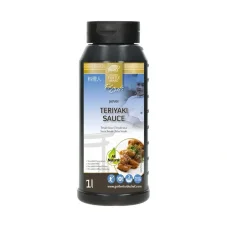
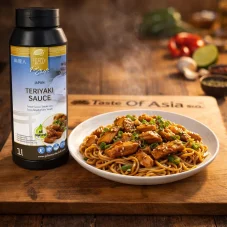
Golden Turtle Teriyaki sauce 1 l
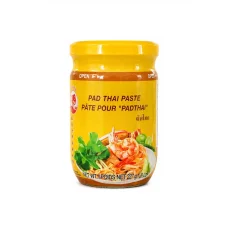
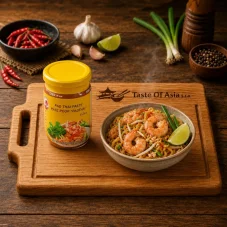
Cock Brand Pad Thai Pasta 227 g
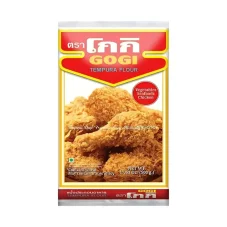
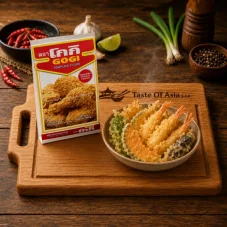
Gogi Tempura 500 g
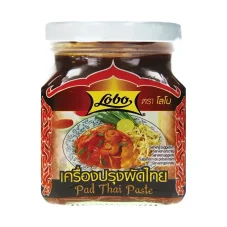
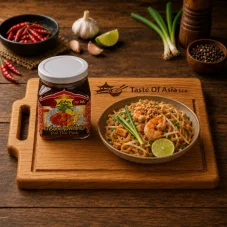

Lobo Sauce for Pad Thai 280 g
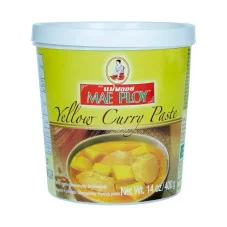
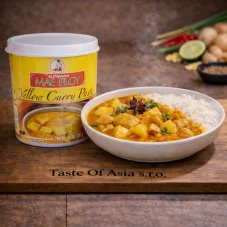
Mae Ploy Yellow curry paste 400 g

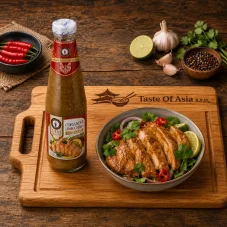
Thai Dancer Lemon Chili Sauce with Coriander 300 ml
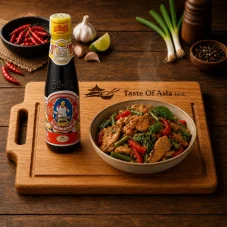

Maekrua Oyster Sauce 150 ml
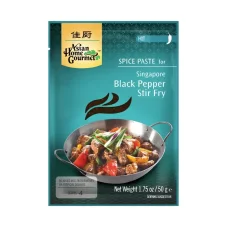
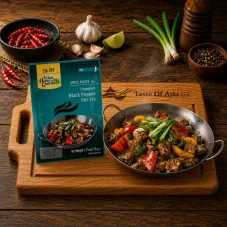
AHG Paste Black Pepper Stir-Fry 50 g
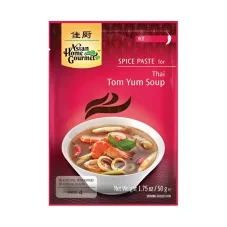
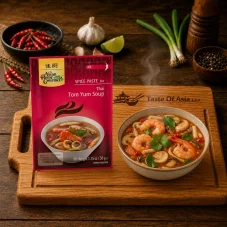
AHG Pasta for Tom Yum soup 50 g

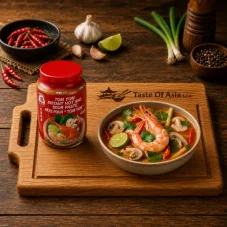
Cock Brand Tom Yum Soup Paste 454 g

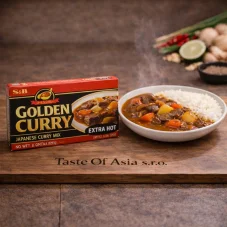


S&B Curry spice paste extra hot 220 g
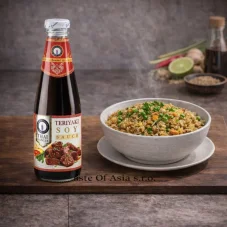
Thai Dancer Teriyaki soy sauce 300 ml
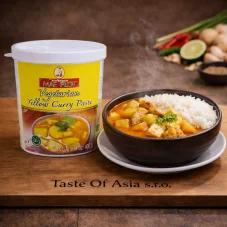
Mae Ploy Yellow curry paste vegetarian 400 g
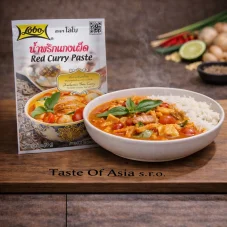
Lobo Red curry paste 50 g
Articles
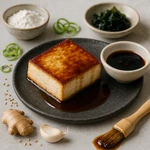
How to prepare tofu so it tastes good: type of tofu, sauce, and proper technique
Tofu often tastes "bland" on first try – and that is its strength. If you choose the right type (soft for soup vs. firm for pan) and base the flavor on a good sauce and texture, it starts working as an excellent carrier for marinade, spices, and umami. In the article, we will show you how to navigate tofu, the common mistakes that ruin the result, and what to do to make tofu really taste good at home.
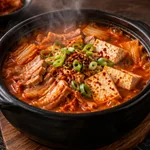
Kimchi Soup (Kimchi Jjigae) with Pork and Tofu
Kimchi soup is the kind of Korean comfort food that tastes bigger than its ingredient list: tangy, spicy, and deeply savory. This version uses pork and tofu for a hearty bowl you can cook on a weeknight—especially if you have well-fermented kimchi in the fridge.
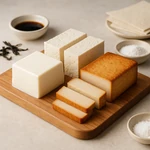
Soft, firm, and smoked tofu: how to understand and use them correctly
Tofu is not a single universal "block" that fits everywhere the same. The difference between soft (silken/soft), firm (firm/extra firm), and flavored varieties like smoked tofu lies mainly in texture, water content, and how tofu tolerates stirring, frying, and how quickly it absorbs the flavor of sauces. In this guide, you will compare the basic types and get practical rules to choose the right tofu for soup, wok, or a quick rice bowl.
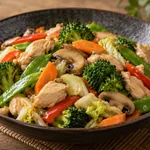
Quick Chop Suey (Chopsuey) Stir-Fry: Chicken, Tofu, or Whatever’s in Your Fridge
Chop suey is the ultimate “mix-and-match” stir-fry: tender protein, crisp vegetables, and a light savory sauce that clings to every bite. It’s fast, flexible, and perfect for using up leftover veg—served over rice or noodles for an easy weeknight meal.
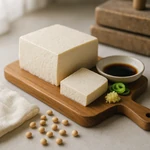
How to recognize good tofu (and why it’s not just about the brand)
"Good tofu" is not universally the firmest or the softest. You recognize quality mainly by whether a particular tofu corresponds to what you need from it in a dish: a different type fits soup, another for the pan, and another for cream or dessert. The article explains clear differences between silken and firm tofu and practical signs to identify a quality piece right after opening and during cooking.
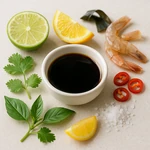
How to choose fermented and specialty soy products: sauces, pastes and “not tofu”
Fermented and specialty soy products are two different things in the kitchen at once: some of them act as a flavor base (soy sauces, fermented pastes), others are standalone ingredients with their own texture (yuba, aburaage, fermented tofu). Once you clarify that role, the “similar” names will stop confusing you and you’ll start choosing based on what the ingredient should actually do in the dish.
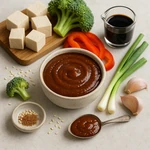
How to flavor tofu and vegetables: marinade, glaze, and final seasoning without unnecessary mistakes
Tofu and vegetables can be great, but on their own, they often feel 'flat' – lacking saltiness, umami, and aroma. In Asian cuisine, this is not solved with a single universal marinade but with a cleverly divided approach to flavor: some is added in advance, some develops on the pan, and some is refined at the end. When you understand what each step is supposed to do, seasoning will start to make sense and the results will be consistently better.
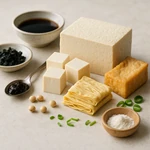
Guide to tofu and soy products: how to understand the types, taste, and uses
Tofu is not just one “white cube” and soy products are not a single universal meat substitute. From the same raw material – soy – both delicate, neutral ingredients (tofu, soy milk) and distinctive fermented products (tempeh, miso, soy sauces) are made. However, they behave completely differently in the kitchen. This guide will help you choose the right type for a specific dish, understand textural differences, and avoid the most common mistakes.
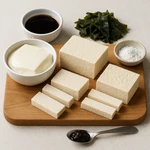
How to choose tofu: the key is texture (silken vs. firm) and the way it is used
Tofu is not a one-size-fits-all block. The differences between smooth silken tofu and firm tofu are crucial in the kitchen – they determine whether tofu will create a creamy texture in soup or withstand the pan, marinade, and grill. In this guide, you'll learn how tofu is made, what its main types are, and how to choose the right one based on the dish you want to cook.
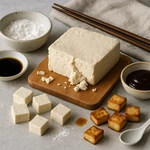
Most common mistakes when cooking with tofu: why it sometimes fails and how to easily turn it to your advantage
Tofu has a reputation as a "boring substitute" mainly because it is often treated as a single universal ingredient. But tofu is primarily about working with texture and how well it can carry the flavor of sauces, marinades, or broth. When you choose the right type (silken vs. firm) and understand the difference between "salting" and "glazing" through various styles of soy sauces, tofu stops being a compromise and becomes one of the most practical ingredients in the kitchen.
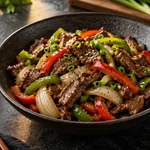
Black Pepper Stir-Fry (Quick Wok Dinner)
This black pepper stir-fry is all about bold aroma, a glossy savory sauce, and crisp-tender vegetables—ready in about 25 minutes. Use chicken, beef, or tofu, and don’t be shy with freshly ground black pepper.
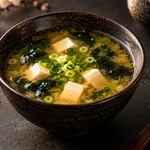
Classic Japanese Miso Soup (with Homemade Dashi)
Miso soup is quick to make, deeply savory, and easy to customize. This recipe shows the traditional approach with kombu and katsuobushi dashi, plus tofu and wakame—perfect as a light breakfast, starter, or side for a Japanese-style meal.
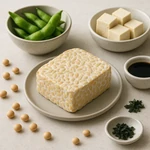
Tempeh, edamame, and other soy products: how to understand and use them in the kitchen
Soy products are not just one "protein cube" in different packages. From the same crop comes delicate tofu, fresh edamame, soy milk, and also distinctive fermented products like tempeh – and each behaves completely differently in the kitchen. In this article, you will clarify the differences, typical uses, and the most common mistakes that lead to disappointment.
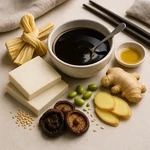
How to replace meat in Asian dishes: flavor, umami, and texture without compromise
Replacing meat in an Asian dish does not mean "finding one substitute." In practice, it is much more important to understand the role meat plays in a specific dish – whether it provides texture, carries the sauce, builds the broth, or creates a "grilled" impression. Once you distinguish this, the plant-based version can be full, umami, and convincingly flavorful.
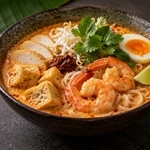
Coconut Curry Noodle Laksa (Easy, Creamy & Comforting)
This coconut laksa is a Southeast Asian-style noodle soup that hits the sweet spot between creamy, fragrant and gently spicy. It comes together fast on a weeknight, and you can make it with chicken, prawns, or tofu—whatever you have.
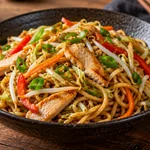
Chow Mein Recipe: Stir-Fried Noodles with Vegetables (and Your Choice of Protein)
Chow mein is all about speed and heat: springy noodles, crisp-tender vegetables, and a savoury sauce that clings to every strand. This flexible recipe shows you the core technique, then lets you swap chicken for beef, tofu, shrimp—or go veggie-heavy.
Vegetarian Asian cuisine: how to build flavor without meat (and without disappointment)
Vegetarian (and often vegan) Asian cuisine is not a 'deprived' version of cooking with meat. In many parts of Asia, it has its own traditions, techniques, and flavor logics – and good food here is not based on substitutes, but on umami, fermentation, texture, spices, herbs, and smart bases. The article provides an orientation in main styles, solid building blocks (tofu, tempeh, legumes), a practical guide on how to start at home, and what to watch out for in 'hidden non-animal' sauces and broths.
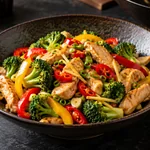
Chilli, Ginger & Garlic Stir-Fry (Fast Weeknight Wok Dinner)
This chilli ginger garlic stir-fry is the kind of dinner you can cook faster than you can order takeaway: sizzling aromatics, crisp-tender vegetables, and a glossy sweet-sour-soy sauce. Make it with tofu, chicken, or just vegetables—one pan, big flavor.
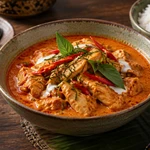
Panang Curry (Thai-Style) – Creamy Coconut Curry with a Peanut Note
Panang curry is a Thai classic: rich coconut sauce, aromatic curry paste, and a gentle nutty depth that makes it feel luxurious without being complicated. This home-friendly version works with chicken, tofu, or seafood and comes together fast enough for a weeknight dinner.
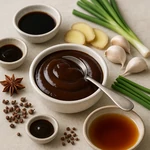
Typical Chinese ingredients: what forms the basis of flavor and how to use them at home
"Chinese cuisine" is not a single uniform tradition, but a wide family of regional styles. Nevertheless, certain ingredients are repeated in it, without which home cooking with Chinese influences often sounds flat or "un-Chinese." In this guide, you will find an overview of the most typical ingredients, their function in dishes, the main differences, and practical tips for first use.
Vegan Asian cuisine without loss of flavor: umami, texture, and smart fundamentals
Vegan food in the Asian style does not have to be a compromise or a “substitute” for regular cuisine. In many parts of Asia, vegetarian and vegan cooking has its own traditions – and above all its own way of building flavor fullness: through umami, fermentation, working with texture, the right fat, acidity, and herbs. This article will show how to practically use these principles at home so that the food remains distinctive even without meat, fish, and dairy products.
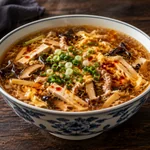
Hot & Sour Soup (Quick Chinese-Style Recipe)
Hot & Sour soup is all about contrast: a warming chilli kick balanced by bright vinegar, plus satisfying textures from mushrooms, tofu, and silky egg ribbons. This home-friendly version comes together fast and is easy to adjust—make it sharper, hotter, or heartier depending on what you crave.
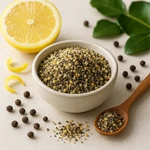
Lemon Pepper: The Bright Citrus Twist That Lifts Fish, Wok Dishes, and Rice
Lemon pepper is a simple seasoning with a surprisingly big impact: the warmth of black pepper meets a clean citrus aroma, making dishes taste lighter and more “awake.” Used well, a small pinch can sharpen stir-fries, refresh fried rice, and bring out the best in fish, chicken, tofu, and vegetables.
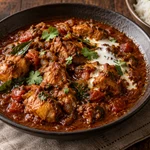
Madras Curry (Spicy South-Indian–Style Curry) – Easy Home Recipe
Madras curry is known for its deep colour, bold aroma and a confident chilli kick. This home-friendly version builds a rich onion-tomato base and finishes with warming spices (or a ready-made Madras curry blend) for a curry that works equally well with chicken, beef, lamb or tofu.
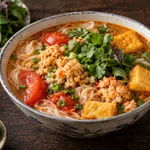
Bún Riêu (Vietnamese Crab & Tomato Noodle Soup) Recipe
Bún Riêu is a bright, savory Vietnamese noodle soup built on tomatoes, seafood umami, and a generous pile of fresh herbs. This home-friendly version keeps the signature sweet-sour balance and “riêu” crab clusters—without requiring hard-to-find ingredients.
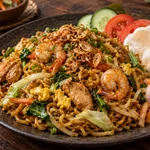
Bami Goreng Noodles (Indonesian-Style Fried Noodles) — Easy Weeknight Recipe
Bami Goreng is Indonesia’s beloved fried noodle dish: springy noodles tossed in a savory-sweet soy seasoning, quickly stir-fried with vegetables and your choice of chicken, shrimp, or tofu, then finished with egg and a squeeze of lime. This version is fast, flexible, and designed to work well on a home stovetop.
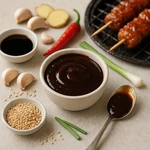
BBQ Grill Seasoning: Smoky, Sweet-Heat Flavor for Meat and Vegetables
“Barbecue” isn’t only a sticky sauce—it’s a flavor profile. A good BBQ grill seasoning brings smoky aroma, gentle sweetness, and a peppery kick that works just as well on chicken and ribs as it does on corn, mushrooms, tofu, or eggplant. Here’s how to use it as a dry rub, in a quick marinade, or as a finishing glaze—with a few Asian-inspired twists for extra umami.

Barbecue seasoning: flavor that sticks to meat and vegetables
Great grilled flavor isn’t only about smoke and heat—it’s about how seasoning clings to the surface, browns evenly, and stays aromatic from the first flip to the final bite. Here’s a practical guide to choosing and using dry rubs, marinades, and finishing glazes, with simple ideas for adding an Asian-style punch to meat, tofu, and vegetables.
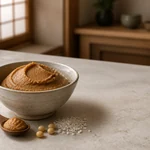
The miracle of miso
Miso paste is one of the basic building blocks of Japanese cuisine.
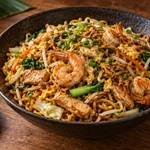
Mee Goreng (Southeast Asian Fried Noodles) – Easy Weeknight Recipe
Mee goreng is the kind of dish you make once and then crave regularly: springy noodles tossed in a sweet-savoury, lightly spicy sauce, finished fast over high heat. This version is flexible (chicken, shrimp, tofu, or veg), works in a wok or large pan, and comes together quickly when you prep everything first.
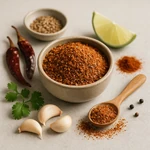
Mexiko Grill Seasoning: How to Get the Most Out of It on the BBQ and in Fast Weeknight Cooking
Mexiko-style grill seasoning is a shortcut to bold, smoky-spicy flavour—great on meat, vegetables, seafood, and plant-based proteins. Used the right way, it works as a quick dry rub, a juicy marinade base, and even a “fusion” seasoning that plays surprisingly well with Asian pantry staples like soy sauce, sesame, and lime.
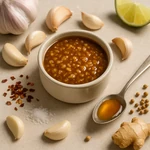
Garlic Marinade: How to Get the Most Out of It (Especially in Asian-Style Cooking)
Garlic marinade is one of those kitchen shortcuts that doesn’t feel like a shortcut: it can make chicken, pork, tofu, or vegetables taste deeper, smell incredible, and stay juicier—fast. The trick is knowing how garlic behaves with heat, how long to marinate different ingredients, and how to balance sweet, salty, and acidic notes for Asian-inspired results.
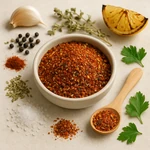
Argentina Grill Seasoning: a Bold “Grilled” Flavor That Also Works in Asian Cooking
Argentina Grill seasoning is the kind of spice blend you reach for when you want instant smoky, roasty “grill energy” on meat, tofu, or vegetables—without planning a marinade. What’s surprising is how naturally it fits into fast Asian-style cooking too: stir-fries, noodles, fried rice, and quick pan sauces all benefit from its warm, savory backbone.
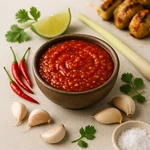
Orient Grill Seasoning: the spice blend that gives barbecue an exotic edge
When you want grilled food to taste instantly more “special,” a warm, aromatic spice blend can do more than an extra sauce ever will. Orient-style grill seasoning is made for high heat: it clings well, perfumes the grill, and works on meat, fish, tofu, and vegetables—either as a dry rub or a quick marinade.
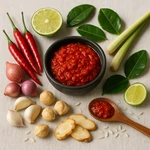
Typical Indonesian ingredients: what makes Indonesia Indonesian (and how to start with them at home)
Indonesian cuisine is a huge island world – from Sumatra through Java to Bali – yet it has a few common ingredients that you recognize at the first taste. In this guide, you will find an overview of key Indonesian ingredients, their role in the food, main differences (especially in sambal, kecap manis, and coconut products), and a practical guide on how to cook with them without unnecessary mistakes.
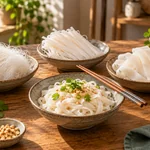
Rice noodles
Discover the fascinating world of rice noodles! Whether it's delicate vermicelli noodles, wide slices, or tapioca varieties, these noodles are the basis of many Asian dishes. In our article, you will learn about their history, how they are made, and how you can incorporate them into your own culinary creations. Immerse yourself in traditional flavors and textures that will introduce you to the secrets of Asian cuisine!
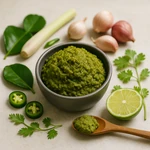
Thai Green Curry: the fresh, herbal classic for coconut sauces and quick stir-fries
Thai green curry is one of those flavors that instantly fills the kitchen: fragrant herbs, lively chili heat, and a silky coconut base. Learn what “green curry” really means, how to handle curry paste for maximum aroma, and how to use it beyond a classic bowl of curry and rice.
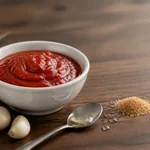
The Sriracha Phenomenon
Currently one of the most popular chilli sauces in the world. Recipe for homemade Sriracha!
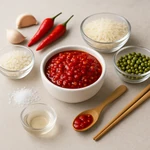
How to choose Asian ingredients: by function, not by impression
A good Asian ingredient is not automatically the most expensive one or the one with the "most authentic" packaging. In home cooking, it is much more important whether you have chosen the right type for a particular dish (and whether you understand what the ingredient does in the dish). This guide summarizes practical rules that will help you decide more confidently about sauces, pastes, rice, or tofu – and with less risk of disappointment.
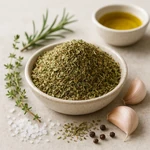
Provençal seasoning: a blend of herbs that enhances both vegetables and meat
Provençal seasoning—often sold as “Herbs de Provence”—is a fragrant mix of dried Mediterranean herbs that can make everyday food taste more rounded and aromatic in seconds. It’s a classic for roasted vegetables and grilled meats, but it also fits surprisingly well into simple Asian-style meals when you want extra aroma without adding complexity.
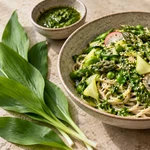
Wild Garlic (Ramsons): A Spring Herb With a Gentle Garlicky Aroma—And How to Use It in Asian Cooking
Wild garlic—also known as ramsons—is one of those short-season spring ingredients that can instantly make food taste brighter. It brings a fresh, leafy garlic character without the harsh bite of raw cloves, which makes it surprisingly easy to weave into quick Asian-style stir-fries, noodle dishes, coconut curries, and rice paper rolls.
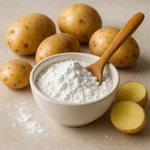
Potato Starch: The Quiet Trick Behind Extra Crispy Coatings and Silky Sauces
Potato starch doesn’t look like much, but it can change the texture of your cooking in minutes. Used the right way, it turns pan sauces glossy, helps soups feel rounder without tasting “floury,” and creates a light, shatteringly crisp crust on tofu, chicken, mushrooms, or vegetables—one of the small restaurant-style techniques that shows up again and again in Asian home cooking.
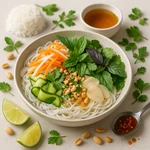
Asian salads and cold dishes: why they taste "alive" and how to understand them
Asian salads and cold dishes are not just a light side dish or "vegetables with dressing." In many cuisines, they serve as a full meal – based on freshness, herbs, acidity, umami base, chili, and especially texture. In this guide, you will clarify what is typical for cold Asian cuisine, what the main forms are (from rolls to cold noodles), and how to assemble a bowl at home so that it tastes complete, not just "mixed."
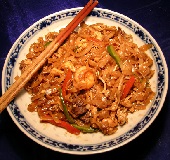
Fried Pad Thai noodles
Pad thai, phat thai nebo phad thai jsou smažené rýžové nudle, v Thajsku běžně prodávané na ulici, které si určitě zamilujete pro svou jednoduchou přípravu a skvělou chuť.
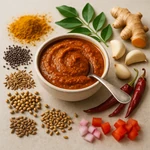
Madras Curry: a Spicy Indian Classic and Easy Ways to Use It at Home
Madras curry is one of the boldest “curry” styles you’ll find in European shops: warming spices, a lively chilli kick, and an aroma that instantly signals comfort food. Here’s what the label usually means, what flavours to expect, and how to turn Madras curry powder or paste into weeknight meals without overthinking it.
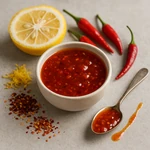
Sweet-Spicy Chili Sauce with Yuzu: Citrus Heat That Lifts Any Dish
Sweet-spicy chili sauce is already a kitchen shortcut for instant flavor—but add yuzu and it becomes something brighter and more versatile. The gentle sweetness helps it cling to food, the chili brings warmth, and yuzu adds a crisp citrus aroma that can make fried, grilled, or rich dishes taste lighter and more defined.
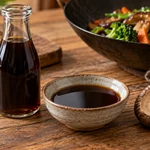
Soy mushroom sauce
Discover the magic of soy mushroom sauce – an indispensable addition to your kitchen. This sauce adds depth and umami flavor to any dish, ideal for stir-fries, soups, or marinades. Learn how to use it properly and what dishes you can enhance with it. Click on our article to find out more about the benefits and uses of this unique sauce!
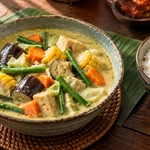
Sayur Lodeh: Indonesian Coconut Vegetable Curry (Easy, Flexible Recipe)
Sayur Lodeh is a comforting Indonesian-style vegetable curry made with coconut milk, aromatics, and a mix of everyday vegetables. It’s naturally plant-based, easy to adapt to what’s in your fridge, and tastes even better with steamed rice.
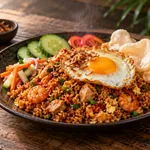
Nasi Goreng (Indonesian Fried Rice) – Easy Weeknight Recipe
Nasi Goreng is Indonesia’s iconic fried rice: smoky, savoury-sweet, and endlessly adaptable. The key is simple—use cold, dry rice and cook everything fast over high heat for that irresistible “wok” aroma.
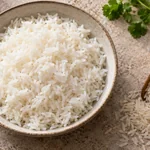
Jasmine rice
Discover the secrets of jasmine rice! Learn how to prepare it properly, what its health benefits are, and why it should be a staple in your kitchen. Read our article and get tips for great recipes!
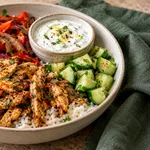
Gyros Seasoning: Flavor Profile, Best Uses, and Why It Works with Rice and Noodles
Gyros seasoning isn’t only for pita nights. This herb-forward blend can instantly give chicken, pork, vegetables, or chickpeas a warm Mediterranean character—and it also fits surprisingly well into quick rice bowls and noodle stir-fries. Here’s what it tastes like, how to use it, and how to avoid the most common mistakes.
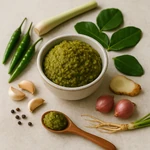
Thai-Style Curry Paste: Flavour, Best Uses, and How to Cook with It at Home
“Thai-style curry” is often a convenient label for a ready-to-use curry base inspired by Thai cooking—fragrant herbs, warm spices, and a gentle to medium heat that turns into a creamy sauce with coconut milk. Here’s what that wording typically means, how the taste differs from other curry pastes, and how to get consistently good results in everyday home cooking.
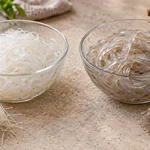
Glass noodles
Glass noodles are light, delicate, and perfectly absorb all the flavors you put into them. Ideal for quick Asian dishes, whether in hot soups, stir-fries, or fresh salads. Discover their history, production, and how best to prepare them for authentic and delicious experiences!
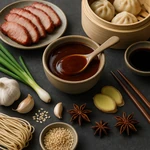
Typical Chinese dishes: overview of groups and what to taste
Chinese cuisine represents many different worlds of flavors. In this article, you will find an overview of the main groups of typical dishes, representative dishes (what they are and how they taste), practical tips for starting at home, and the most common mistakes to avoid.
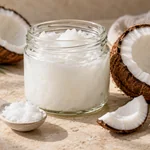
Coconut oil
Discover the secrets of coconut oil! Read our article, where we show you the differences between its types and their benefits for your skin, hair, and health. Find out which one is best for you!

Kimchi
Want to know what kimchi is and how it's made? Read about this traditional Korean delicacy, its origins, different types, and methods of preparation. Discover why kimchi has become popular around the world!
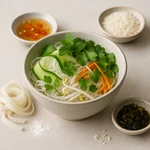
Light and balanced Asian dishes: how “lightness” works in the bowl and on the plate
Light and balanced Asian dishes are not “diet versions” of classics or flavorless meals. In many parts of Asia, lightness is a natural result of how a dish is composed: what forms the base (rice or noodles), what carries the protein, what adds freshness, acidity, texture, and how a sauce or broth is used so that the ingredients are not overwhelmed.
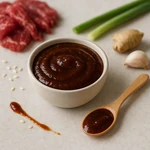
Bulgogi-Style Hoisin Sauce: the Sweet-Umami Shortcut for Fast Marinades and Glossy Glazes
If you like the sticky, savory-sweet finish of Korean BBQ but don’t want to measure ten different ingredients on a weeknight, bulgogi-style hoisin sauce is the kind of pantry helper that earns its space. It’s thick, dark, sweet-umami and designed to work immediately as a quick marinade, a last-minute pan glaze, or a bold dipping sauce.
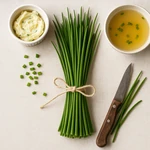
Chives: the gentle herb that lifts soups and Asian-style bowls
Chives may look like a modest garnish, but they can quietly transform a dish: a clean, green aroma and a soft onion note that doesn’t overpower broths, noodles, rice bowls, or creamy dips. The key is knowing when to add them—and how to keep that fresh flavor intact.
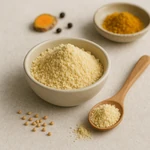
Ground White Mustard Seed: Flavor, Timing, and Smart Ways to Use It
Ground white mustard seed is a quiet workhorse in the spice cupboard: it brings a gentle heat, a warm mustard aroma, and extra “body” to sauces and marinades. Used well, it can deepen everything from salad dressings and rubs to Asian-style curries and stir-fry sauces—without overpowering the dish.
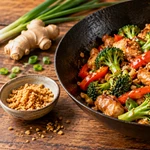
Granulated garlic – an inconspicuous ingredient that can save dinner in seconds
Granulated garlic gives you a clean, savory garlic hit without peeling, chopping, or worrying about burning fresh cloves in a hot pan. It’s especially handy for quick stir-fries, marinades, soups, and Asian-style sauces—easy to measure, easy to repeat, and ready whenever you are.
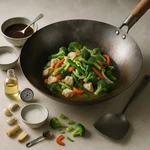
The most common mistakes when cooking with a wok (and how to quickly fix them at home)
A wok can give food speed, aroma, and a pleasant "seared" quality – but only when its logic is respected. At home, the most frequent mistakes are: not enough heat, overcrowded pan, wrong order of ingredients, or too much sauce. In this article, you'll find a practical guide on how to recognize these problems and what to do to make stir-fry work reliably even without a professional burner.
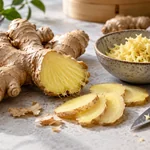
Ginger
Ginger is a wonderful natural remedy that will enrich your health and taste buds. Read about its benefits, how to use it in the kitchen, and what forms it comes in.

Typical Taiwanese Ingredients: What Shapes the Island's Flavor (And How to Start Using Them at Home)
Taiwanese cuisine is not just bubble tea and night markets. It is an independent and vibrant culinary world where local cooking meets various Chinese regional influences, a distinctive Hakka layer, indigenous traditions, Japanese heritage, and modern urban food culture. That's why it makes sense to start with the ingredients: how they taste, their role in the dish, and how to recognize if you've chosen the right type.
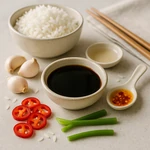
Where to start in Asian cuisine based on what you like (and how much time you want to cook)
The most common dead end for beginners is trying to start "Asian cuisine" as one package. In practice, however, individual cuisines (Japanese, Chinese, Korean, Vietnamese, Thai, Indian, etc.) work differently: they have different flavors, different cooking pace, and different pantry requirements. It is much better to choose your first entry door – according to the style of dishes you like – and only then deal with the details.

Young corn
Are you interested in how to use young corn in the kitchen? This delicious and tender food is great for various types of preparation. Read more about its benefits and great recipes!
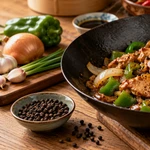
Black pepper that gives food zest and depth
Black pepper is easy to overlook because it’s always within reach—but used thoughtfully, it can make Asian dishes taste more complete: warmer, more aromatic, and more layered. Here’s what black pepper actually brings to the plate, how to choose between whole and ground, and when to add it so it stays fragrant instead of turning bitter.
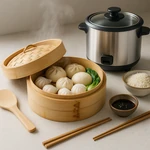
Steamers, rice cookers, and other helpers: what you will really use at home (and why)
Good equipment for Asian cooking is not about "having a special set," but about choosing a few tools that really change the outcome or significantly simplify the work. This applies twice as much for steaming and rice: the right steamer and a sensible approach to cooking rice will help you maintain texture, moisture, and cooking rhythm – without unnecessary purchases based on impressions.

Brown rice
Why does brown rice deserve a place in your kitchen? This article will introduce you to all its benefits, ways to prepare it, and tips on how to incorporate it into your favorite dishes. Discover how brown rice can enrich your diet and give it that extra something!
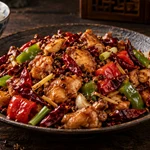
Traditional Sichuan Stir-Fry (Mála Chicken with Crunchy Veg)
This Sichuan-style stir-fry is all about contrast: tender slices of chicken, crisp vegetables, and a bold, glossy sauce with chilli heat and that signature tingly “mála” kick from Sichuan peppercorns. It’s fast, weeknight-friendly, and easy to adapt to whatever you have in the fridge.
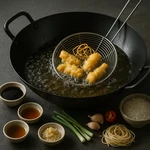
Frying in Asian cuisine: how crispiness, lightness, and the "first layer of flavor" are created
Frying in Asian kitchens is more than just "throwing something in oil." Behind one word, several different techniques are hidden - from quick searing in a wok to light frying in a thin layer of fat to deep frying and double frying. When you understand the differences and a few technical rules, you can achieve a crispy result at home that doesn't feel heavy or overly greasy.
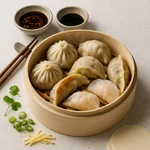
Dumplings and Asian dumplings: how to tell apart jiaozi, gyoza, mandu, and dim sum
Dumplings (dumplings, pockets, filled buns) are not a single specific dish but a huge family of foods across Asia. They share a simple principle: a dough or starch wrapper holds the filling – or forms a bite on its own without filling. In practice, however, they differ fundamentally: by the type of wrapper, shape, cooking method, and whether they are a quick pan dinner, part of a soup, or dim sum dining. This guide gives you a map to decide by situation, not just by foreign names.
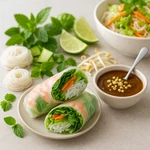
Summer rolls, Asian salads, and cold noodle bowls: how they work and how to assemble them at home
Asian cold dishes are not "lighter versions" of hot cuisine nor just vegetables with dressing. Their strength lies in freshness, herbs, acidity, a strong umami base (often from soy or fish sauces), clever textures, and a dip or dressing that holds the whole meal together. In summer, this gives you a quick lunch, dinner, or practical meal to-go – and often a full main dish, not just a side.
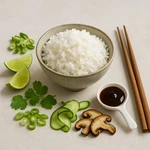
Light Asian foods for everyday: bowls, noodles, porridges, and cold salads
"Light" Asian food is not about being small or bland. Often, it's actually a full bowl or plate that satiates but doesn’t feel heavy: it’s based on rice or noodles in a reasonable ratio, complemented by vegetables and herbs, with flavor carried by broth or precise seasoning, and the whole is held together by acidity, umami, and contrast of textures. In this guide, you’ll find practical orientation and specific "families" of dishes that make sense for everyday – from warm breakfast bowls to cold noodle salads.

The taste of Taiwanese cuisine: delicate, broth-based, and surprisingly "textured"
Taiwanese cuisine is not just bubble tea and night markets. It is a distinct, lively, and very diverse world where local styles meet various Chinese regional influences, a prominent Hakka layer, indigenous traditions, Japanese heritage, and modern urban food culture. If you really want to understand the Taiwanese taste, it pays to focus less on "spices" and more on broth, precise seasoning, and especially texture.
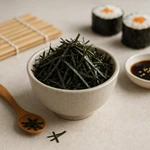
Kizami Nori: Fine Shredded Nori That Adds Sea Aroma and a Touch of Umami
Kizami nori is roasted nori seaweed cut into delicate strips and used as a quick finishing garnish. A small pinch can lift the aroma of rice bowls, noodle soups, and salads—adding gentle brininess, subtle roastiness, and clean umami without changing the whole dish.
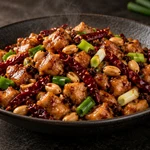
Kung Pao Chicken Stir-Fry (Quick, Spicy & Nutty)
Kung Pao chicken is a classic Sichuan-style stir-fry built on contrasts: tender bites of chicken, crunchy peanuts, fragrant dried chilies, and that signature sweet-sour-salty heat. This version is streamlined for home cooking while keeping the bold flavor balance that makes Kung Pao so addictive.
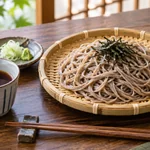
Recipe for Tsuyu
Try this recipe for Japanese sauce, which has a fascinating history and can enhance any dish! Find out how this delicious sauce originated in Japan and how you can easily make it at home.
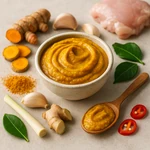
Golden Chicken Seasoning: How to Get a Gentle Flavor and a Beautiful Golden Color
“Golden chicken” seasoning isn’t one single fixed recipe—it’s a style of spice blend designed to make chicken taste warmly seasoned (not aggressively hot) and look appetizingly golden. Here’s what creates that effect, how to use the blend for roasting, pan-frying, or quick Asian-style stir-fries, and how to pair it with sauces so the result stays juicy and balanced.
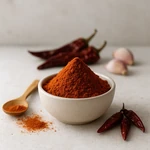
Smoked Sweet Paprika (Ground): How to Use It
Smoked sweet paprika is one of those spices that can make a simple meal taste like it spent time over charcoal. It brings gentle pepper sweetness, a warm red hue, and a distinct smoky aroma—without needing a grill. Here’s how to use it well, what it pairs with, how to avoid bitterness, and smart ways to fold it into Asian-style dishes.
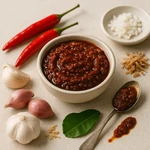
Nasi Goreng Chilli Paste: What It Tastes Like and How to Use It for Indonesian Fried Rice
Nasi goreng is one of Southeast Asia’s most loved “use-what-you-have” dishes—fragrant fried rice that can be mild, smoky, or seriously spicy. A nasi goreng chilli paste gives you that street-food style flavour base in minutes: warm it in oil, toss in cold rice, and build the rest from whatever’s in your fridge.
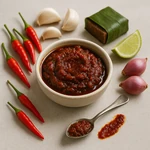
Sambal Trassi: Indonesian Chili Paste with a Bold Shrimp-Paste Umami Kick
Sambal trassi is one of those Southeast Asian condiments that can transform a plain bowl of rice into something deeply savory and exciting. It combines hot chili with the unmistakable, funky depth of trassi (also spelled terasi)—a fermented shrimp paste that brings saltiness and intense umami.
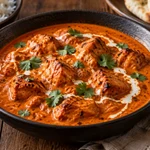
Murgh Makhani (Butter Chicken) Recipe: Creamy Tomato-Butter Curry at Home
Murgh Makhani—often called Butter Chicken—is a classic North Indian curry built on tender chicken, a velvety tomato sauce, warm spices, and a buttery finish. This home-cook friendly version keeps the flavor authentic while giving you practical options for the oven, pan, or grill.
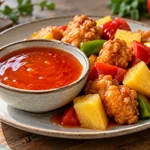
Sweet and sour sauce
Discover the secrets of sweet and sour sauces. Learn how to make them and use them in various dishes, from fried foods to noodles and dips. This article will show you how to add new dimensions to your favorite meals.
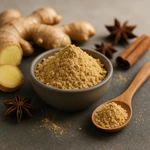
Ground Ginger in Asian Cooking: How to Use It for Full Aroma and Flavor
Ground ginger is one of those quiet pantry spices that can make a dish taste instantly more “Asian”—warm, gently peppery, and lightly citrusy. Used well, it boosts curries, marinades, stir-fries, and dipping sauces without adding fibrous bits or extra prep. Here’s how to choose it, when it beats fresh ginger, and how to add it so it actually smells and tastes vibrant (not dusty or bitter).
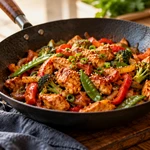
Sweet paprika how to use it in Asian cuisine
Sweet paprika is often treated as a “background” spice, but it can do three very practical things at once: deepen colour, add gentle sweetness, and round out sharp flavours—without extra heat. That’s exactly why it fits not only European staples, but also many everyday Asian stir-fries, noodle dishes, rice bowls, and soups.
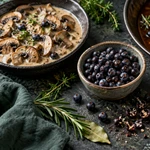
Whole Juniper Berries: An Aromatic Spice for Meat, Sauces, and Marinades
Whole juniper berries bring a distinctive evergreen, resinous aroma and a gently bitter-spicy edge that can transform stews, roasts, stocks, and pickles with just a few berries. Used with restraint, they add depth to rich meats and also work surprisingly well in modern soy-based marinades.
What to take from Asian cuisine for quick everyday cooking
Asian cuisine is not just a collection of "exotic" recipes – it is mainly a set of practical habits that allow cooking quickly, tasty, and without feeling heavy. In this article, you'll find specific principles that you can bring home: from salty and warm breakfast to the "bowl" logic of meals and seasoning with sauces, acidity, and texture.
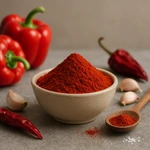
Sweet Hungarian Paprika (ASTA): how to spot it, use it well, and get the most color and flavor
Sweet Hungarian paprika is one of those quiet workhorses that can transform a dish with just a teaspoon—adding a warm red hue, gentle sweetness, and a rounded pepper aroma without real heat. If you understand the ASTA marking and learn how to heat paprika without turning it bitter, you’ll get consistently better stews, sauces, marinades, and even quick Asian-inspired stir-fries.
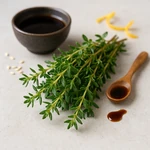
Thyme: What It Tastes Like, When to Add It, and What It Pairs With
Thyme may look modest, but it brings a deep, savory herbal note that can make simple food taste more “finished”. Learn how thyme behaves in cooking (fresh vs. dried), the best timing for adding it, and pairing ideas—including smart ways to use it alongside umami-rich Asian pantry staples.
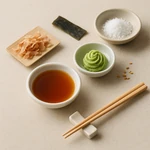
The taste of Japanese cuisine: why it is so clean, delicate, and yet distinctive
Japanese cuisine is based on respect for ingredients, purity of flavors, and thoughtful balance. The distinctiveness is often not achieved by "heavy" seasoning, but by working with umami, delicate seasoning, and a final touch at the table. In the article, you will compare how this logic works and how to safely translate it into home cooking.
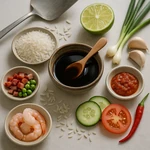
Nasi goreng, fried rice and “Cantonese” rice: how to tell them apart and what to expect on the plate
On menus and in home cooking, three names for “pan” rice often meet: nasi goreng, fried rice and Cantonese rice. They sound similar but do not mean the same thing. In this guide we'll clarify what is a technique (fried rice), what is a specific national style (nasi goreng) and why it makes sense to ask for clarification with “Cantonese rice.” And most importantly: how to choose the right rice and how to achieve good flavor at home without cooking “by one universal recipe.”
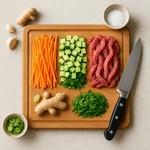
Cutting vegetables, meat, and herbs without unnecessary mistakes
For many Asian dishes, the outcome is decided not on the pan but already on the cutting board. The size, thickness, and especially the uniformity of the cuts affect the cooking speed, texture, and whether different ingredients cook evenly. This guide summarizes practical rules and typical mistakes in cutting vegetables, meat, and herbs – so you cook more confidently and without unnecessary dead ends.
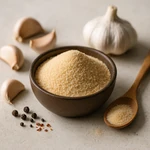
Ground Garlic: A Fast Way to Big Flavor (Especially in Asian Cooking)
Ground garlic is one of those pantry staples that earns its place: it’s quick, consistent, and easy to dose—ideal for weeknight stir-fries, marinades, soups, and dry seasoning blends. Here’s how it differs from fresh garlic, when to add it to avoid bitterness, and how to pair it for the most fragrant results.
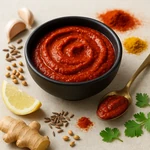
Tandoori Masala: the spice blend that brings authentic Indian flavour to meat and vegetables
Tandoori masala is a bold Indian spice mix made for high heat: aromatic, warmly spiced, and often gently hot. Combine it with yogurt and citrus for a quick marinade that works just as well in a home oven or on the grill as it does in a traditional tandoor.
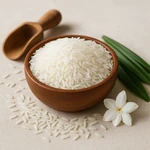
Hom Mali Jasmine Rice: Thailand’s Fragrant Classic That Elevates Any Meal
Hom Mali is the jasmine rice people remember: naturally fragrant, gently sweet, and soft without turning mushy. Learn what “Hom Mali” really means, how it differs from other rice styles, and how to cook it so the aroma and texture shine—whether you’re serving curry, stir-fry, or a simple bowl with herbs and lime.
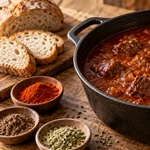
Goulash seasoning how to use it correctly?
Goulash seasoning is often treated as a one‑dish blend—something you grab only when you’re making a pot of stew. But its paprika-and-herb profile is versatile: used carefully, it can add warmth and depth to quick pan dinners, rice bowls, and even noodle stir-fries. Here’s how to get the best flavour without bitterness or heavy saltiness.
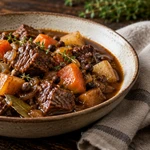
Allspice: how to use it and what to combine it with?
Whole allspice berries look modest, but a few pieces can transform a pot of broth, rice, or braise. Their aroma sits somewhere between clove, cinnamon, and pepper—warm, gently sweet, and surprisingly versatile. Here’s how to dose them, when to add them, and how to use them in Asian-inspired dishes without overpowering the food.
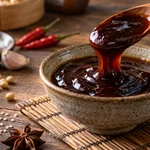
Hoisin Sauce: What It Is, How It Tastes, and How to Use It Well
Hoisin sauce is the sweet-savoury, deeply aromatic condiment that can make a simple stir-fry taste restaurant-level in minutes. Learn what’s inside, what it pairs with, and how to avoid common mistakes—plus a few fast ways to use it beyond dipping.
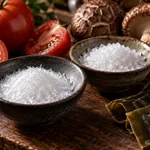
MSG (Monosodium Glutamate): What It Is, How It Adds Umami, and How to Use It Well
MSG—short for monosodium glutamate—is one of the most misunderstood seasonings in modern kitchens. It enhances savory “umami” depth, can help you rely less on salt, and has been studied extensively for safety. Here’s how it works, where it naturally occurs, and how to use it in everyday cooking.
