Česky (CZK)
 Slovensky (EUR)
 Deutsch (EUR)
 Austria
 Belgium
 Bulgaria
 Croatia
 Denmark
 Estonia
 Finland
 France
 Germany
 Greece
 Hungary
 Italy
Italy Latvia
 Lithuania
 Luxembourg
 Netherlands
 Poland
 Portugal
 Romania
 Slovenia
 Spain
Spain Sweden










Classic Japanese Miso Soup (with Homemade Dashi)
Why miso soup tastes so good
Miso soup is built on two layers of umami: dashi (a clear Japanese stock) and miso (a fermented soybean paste). Dashi brings a clean, oceanic depth; miso adds body, gentle sweetness, and a salty, rounded finish. The key technique is simple: never boil miso, or the flavor turns dull and the aroma fades.
Quick overview 🥣
- Time: 15–20 minutes
- Servings: 2–3 as a starter
- Difficulty: Easy
Ingredients 🧾
For the dashi
- 4 cups (1 liter) water
- 1 piece dried kombu (about 8–10 cm / 3–4 inches)
- 1/2 cup katsuobushi (bonito flakes)
For the soup
- 3 tbsp miso paste (white for mild, red for bolder)
- 1/2 block tofu, cut into small cubes
- 1–2 tbsp dried wakame (it expands a lot)
- 1–2 spring onions, thinly sliced
Method (step by step) 🔥
- Make kombu dashi: Add water and kombu to a small pot. Warm gently over medium heat until the water is just about to simmer (small bubbles at the edge). Remove from heat and let the kombu steep for 5 minutes, then take it out.
- Add bonito: Return the pot to the heat until the liquid is hot (not a rolling boil). Add katsuobushi, turn off the heat, and steep for 5 minutes. Strain through a fine sieve to get a clear dashi.
- Rehydrate wakame: While the bonito steeps (or while heating the dashi), soak wakame in cool water for a few minutes, then drain. (If you add it dry directly to the soup, use a very small pinch.)
- Warm tofu and wakame: Bring the dashi back to a gentle simmer. Add tofu and wakame and heat for 2–3 minutes—just until warmed through.
- Dissolve miso (no boiling): Turn the heat to low. Put the miso in a ladle or small bowl, add a little hot dashi, and whisk to dissolve. Pour it back into the pot. Keep the soup hot but do not boil.
- Serve: Taste and adjust (more miso = saltier and richer). Ladle into bowls and top with spring onion.
Tips & variations 🌿
- White vs. red miso: White miso is mild and slightly sweet; red miso is deeper, saltier, and more robust. You can also mix them 50/50.
- Make it heartier: Add sliced mushrooms, napa cabbage, or a few thin carrot ribbons. Keep additions light so the broth stays clear and delicate.
- Vegetarian option: Swap bonito dashi for kombu-only dashi (or add dried shiitake for extra depth). Use the same miso technique: dissolve off the boil.
- Common mistake: Boiling miso. If your soup starts bubbling hard after adding miso, remove from heat immediately.
Storage & reheating ⏱️
Miso soup is best fresh, but you can refrigerate leftovers for up to 2 days. Reheat gently until hot—avoid boiling. If you know you’ll store it, consider keeping tofu and wakame separate and adding them when reheating for the best texture.
FAQ ❓
How much wakame should I use?
Start small—dried wakame expands dramatically. For 1 liter of soup, 1–2 tablespoons dried wakame is usually plenty, depending on the cut.
Can I use instant dashi instead?
Yes. Homemade dashi has a cleaner aroma, but instant dashi is a practical shortcut. The most important part is still the miso step: dissolve and heat gently without boiling.
What should miso soup taste like?
Light yet savory, with a sea-breeze note from the dashi and a mellow fermented richness from miso. It should be comforting, not heavy.
Our picks (miso pastes) 🛒
- Hikari Savoury Miso Paste White 300 g – great for a gentle, classic bowl.
- O'Food Soybean miso paste 500 g – deeper soybean profile for more pronounced flavor.
- AHG Paste for soup Miso 50 g – convenient small pack for trying miso soup at home.


Recommended products6


Hikari Miso paste red aged 300 g
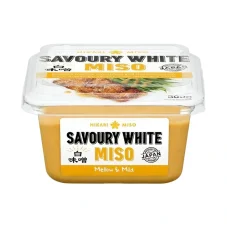

Hikari Savoury Miso Paste White 300 g
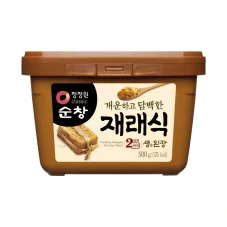



O'Food Soybean miso paste 500 g
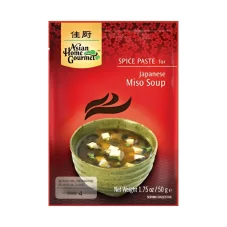


AHG Paste for soup Miso 50 g
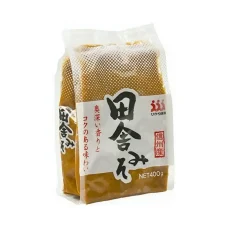
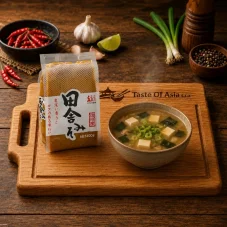
Hikari Miso paste red 400 g
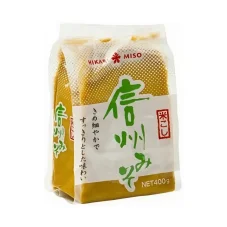

Hikari Miso paste white 400 g
Read next
If you want to continue with the same topic, here are more related articles to explore: