


 Česky (CZK)
 Slovensky (EUR)
 Deutsch (EUR)
 Austria
 Belgium
 Bulgaria
 Croatia
 Denmark
 Estonia
 Finland
 France
 Germany
 Greece
 Hungary
 Italy
Italy Latvia
 Lithuania
 Luxembourg
 Netherlands
 Poland
 Portugal
 Romania
 Slovenia
 Spain
Spain Sweden










Asian salads and cold dishes: why they taste "alive" and how to understand them
Asian salads and cold dishes are not just a light side dish or "vegetables with dressing." In many cuisines, they serve as a full meal – based on freshness, herbs, acidity, umami base, chili, and especially texture. In this guide, you will clarify what is typical for cold Asian cuisine, what the main forms are (from rolls to cold noodles), and how to assemble a bowl at home so that it tastes complete, not just "mixed."
With cold Asian dishes, it's good to discard the European expectation that salad = leaves + dressing and that cold = raw and bland. In the Asian context, these are often technically precise dishes where the dressing or dip plays as big a role as the main ingredient.
🌶️ What is truly typical for Asian salads and cold dishes
"Cold" in this context usually means served cold or lukewarm – and often very intense flavor. The main characteristics are:
- Herbs and fresh vegetables are not decoration, but a fundamental part of the dish.
- Acidity (e.g., citrus or vinegar) is not just "for seasoning," but the active driver of flavor.
- Umami base (often fish sauce, soy and other umami components) adds depth so the dish doesn’t feel flat.
- Chili is usually the final spark – even though the dish doesn’t have to be extremely spicy.
- Texture is key: the contrast between soft, crunchy, juicy, and elastic often matters more than a "luxurious" ingredient.
- Rice noodles, rice paper, tofu, seafood, or grilled meat frequently appear in cold dishes and make them a full lunch.
Cold dishes are also great as a counterbalance to richer hot dishes: they can lighten, refresh, and stimulate the appetite for the next bite.
Salad in Asia doesn't always mean leafy salad
In practice, "Asian salad" often hides more various forms than just a bowl of vegetables. For orientation, it helps to think about cold dishes according to what their main component is and how the dressing or dip is eaten:
Rolls and dishes in rice paper (e.g., gỏi cuốn)
Gỏi cuốn are Vietnamese summer (fresh) rolls: typically a combination of herbs, vegetables, and often noodles wrapped in rice paper and served with a dip. The dip is crucial – without it, the roll often feels "unfinished."
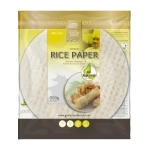
If you want to start simply at home, a practical base is rice paper (making rolls is mostly about proper softening and the right filling ratio).
Cold noodle bowls and noodle "salads"
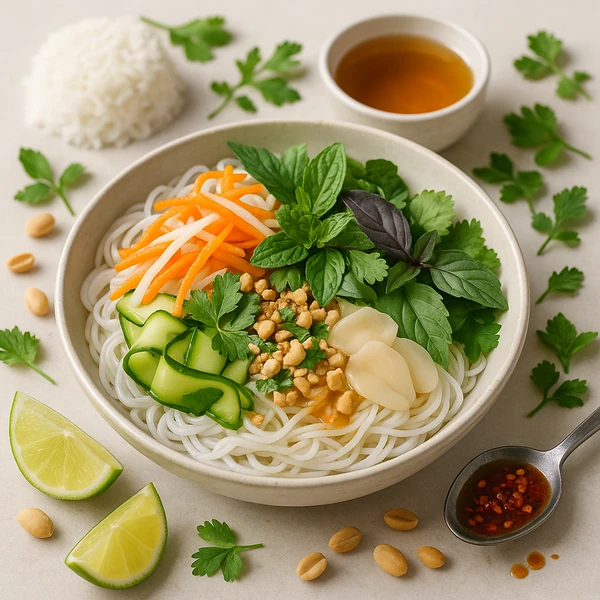
Cold noodles are not just "cooked and chilled." The character of the bowl is determined by the type of noodles and how they work with the liquid: sometimes it’s an almost dry dish (noodles coated in dressing), other times a bowl with cold, refreshing broth.
Generally, with noodle dishes, noodles are not a side dish – they carry the sauce, dip, and texture. Therefore, it depends on what the noodles are made of and whether they should be cooked, blanched, rinsed, or just soaked. (This is one of the most frequent reasons homemade cold bowls taste "kind of" instead of "finished.")
Tofu and vegetable salads with light dressing
In many cuisines, purely vegetable or tofu variants work great – if they get the right acidity, umami base, and an aromatic "final touch" (oil, chili, herbs).
Pickles and marinated, seasoned bowls
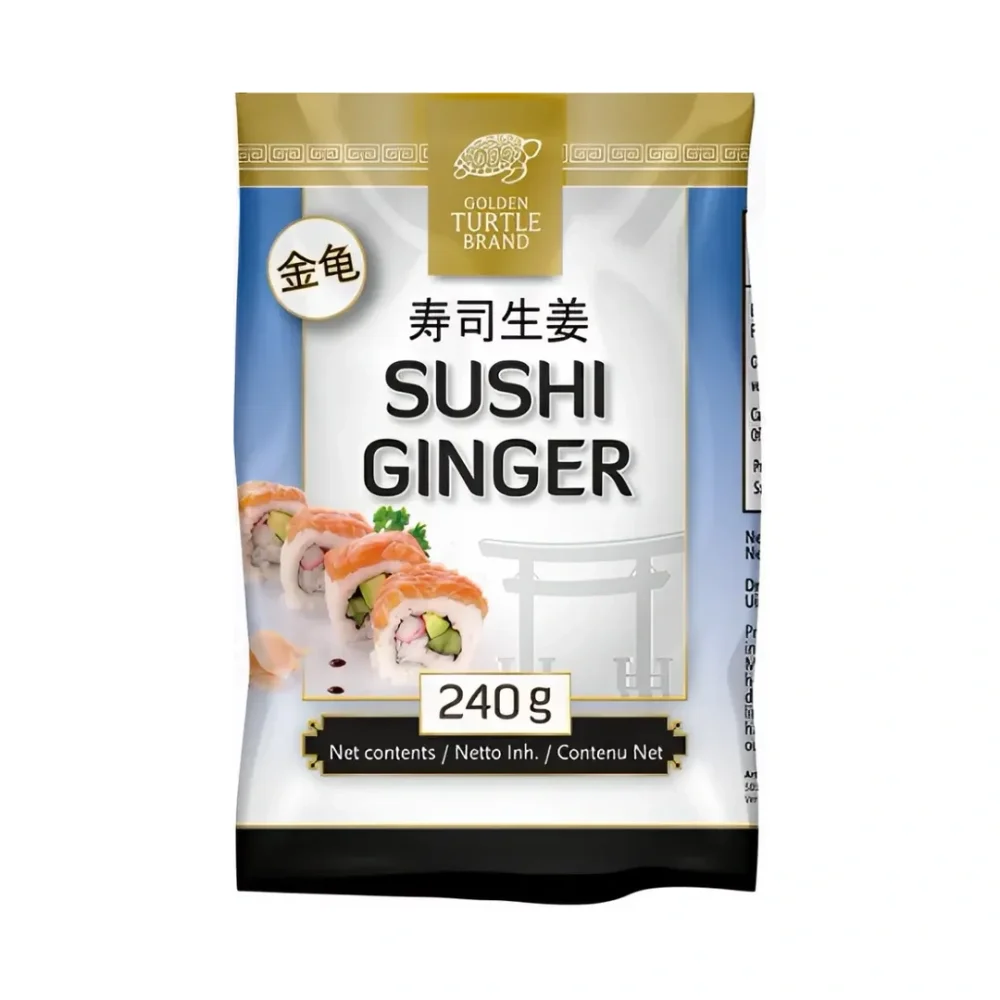
Marinated and quickly pickled components (pickles) add acidity and crunch and often serve as a "flavor reset" between bites. A typical example of such flavor cleansing is pickled ginger, which can also be used as a small sour accent in cold bowls.
Why cold dishes are so important in Asia: climate, street food, and flavor logic
The significance of cold dishes in Asian cuisines rests on three practical reasons:
- Climate: in warm and humid areas, cold or lukewarm dishes make a lot of sense – they refresh and don’t feel heavy. That’s why they often rely on herbs, citrus, and acidic components.
- Street food and everyday life: rolls, salads, cold noodles, and pickled bowls can be prepared quickly and work well as a light "handheld" lunch or a quick homemade meal.
- Flavor logic: cold dishes are an ideal space for herbs, acidity, chili, light fermented components, and crunchy vegetables. Because of this, they feel exceptionally lively even without long cooking.
Representative dishes worth knowing (and their specifics)
Dish names may vary between regions, but some "icons" appear repeatedly in cold cuisine guides. Don’t take these as recipes, more as a map of what to expect from individual styles.
Thailand: som tam and larb (cold energy, acidity, and chili)
Som tam is a salad made from green papaya. Important is that it’s not just shredded vegetables: the flavor rests on a precise combination of acidity, sweetness, chili, "fishy" depth, and crunchy texture.
Larb is sometimes called "meat salad," which can be misleading. The key is the principle: chopped main component (often meat), herbs, lime, chili, sometimes toasted rice flour, and overall a dry, fresh profile. Larb perfectly demonstrates that "salad" in Asia doesn’t have to rely on leaves or raw vegetables.
In Thai cold logic, you will often also encounter dips like nam chim and combinations of fruit or vegetables with spicy dips.
Vietnam: gỏi cuốn and noodle salads as a light but filling lunch
Vietnamese summer rolls (gỏi cuốn) and various cold noodle salads are dishes that are light but can satisfy – because besides vegetables and herbs, they often contain noodles and a distinct dip.
Korea: cold noodles and spicy bowls
As a distinctive, spicy style of cold dishes, bibim naengmyeon (Korean cold noodle variant) is often mentioned. A common trait is emphasis on intense seasoning even in cold service.
Indonesia and other Southeast directions: richer "salad" bowls
If you want a cold dish that feels more like a main course, often mentioned is gado-gado. Among richer cold dishes, you generally also find sesame and peanut dressing salads and "stronger" cold noodle combinations.
How to choose cold dishes according to the situation (and what to expect from the flavor)
When you know what kind of experience you want, you pick the right dish and the right dressing style:
- I want something light and fresh: gỏi cuốn, Vietnamese noodle salads, light Japanese cold noodles, tofu and vegetable salads with light dressing.
- I want something spicy and bold: som tam, larb, bibim naengmyeon, spicy rojak or sambal worlds.
- I want something richer: gado-gado, cold noodle bowls with tofu, egg or grilled meat, sesame and peanut dressing salads, stronger Korean or Chinese cold noodle combinations.
This choice will also tell you whether the main role will be freshness and acidityor rather richer sauce, possibly with higher spiciness.
How to assemble a cold bowl at home so it tastes "finished" (practical onboarding)
The most common home problem is not "I don’t have authentic ingredients," but that the bowl lacks a clear flavor axis and texture. A simple composition helps: base → freshness → dressing/dip → texture → final aroma.
1) Choose a solid base (so it’s a meal, not a side dish)
- Noodles (often rice or wheat): hold the dressing and provide heartiness.
- Rice paper and rolls: make sense if you want to eat with your hands and have the dip as the main flavor.
- Tofu / seafood / grilled meat: elevate the bowl to a main dish.
2) Build freshness and crunch (cold food "does not live" without it)
For one serving, roughly count:
- 1–2 handfuls of fresh vegetables (crunchy component),
- 1 handful of herbs (not just a few leaves),
- optionally something acidic/pickled for contrast.
3) Dressing or dip must be a full "sauce," not just seasoning
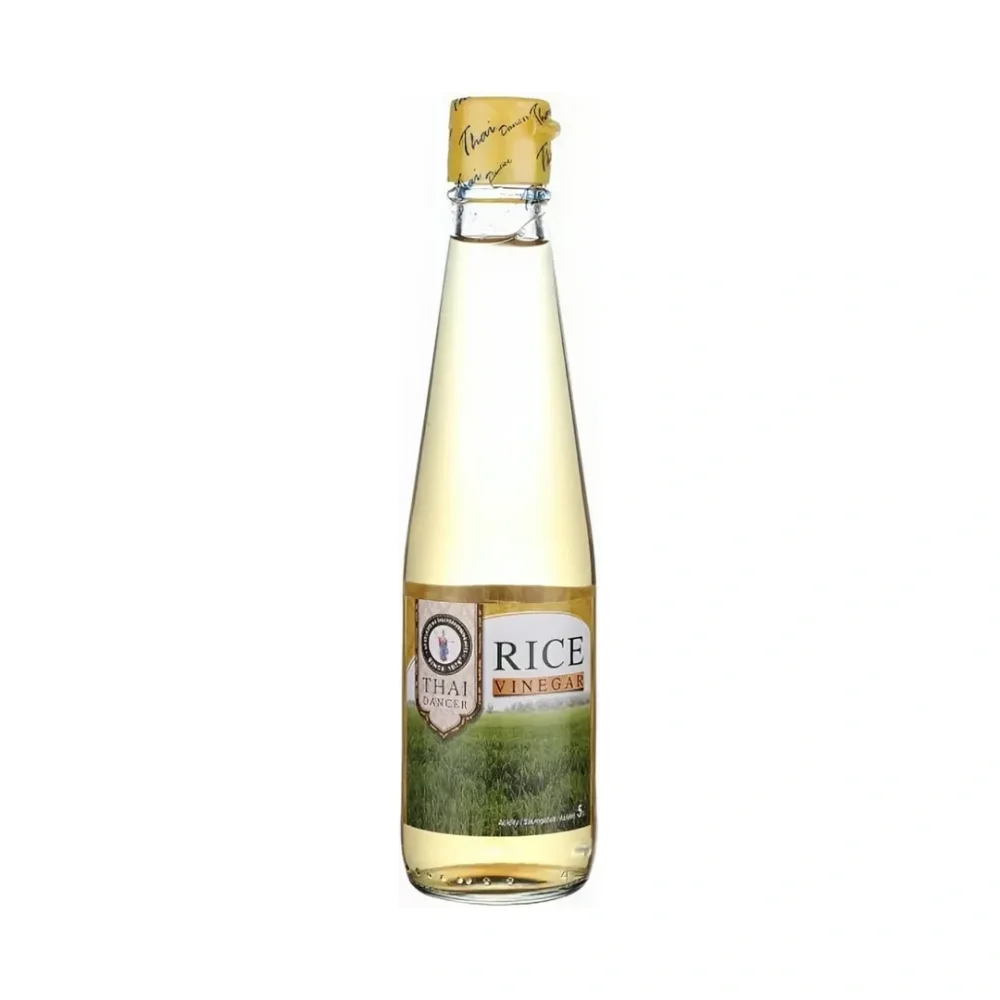
Cold food often depends on whether the dressing can combine acidity, saltiness/umami, and possible sweetness. Rice vinegar works well as a clean and easy-to-dose source of acidity – for example, Thai Dancer rice vinegar.
Indicative dosing for one bowl (take as a start, not a recipe):
- acidity: 1–2 tablespoons (vinegar or citrus),
- umami/saltiness: add in small amounts and taste (e.g., fish sauce, soy sauce, or other umami components),
- spiciness: rather gradually – spiciness can feel sharper in cold dishes.
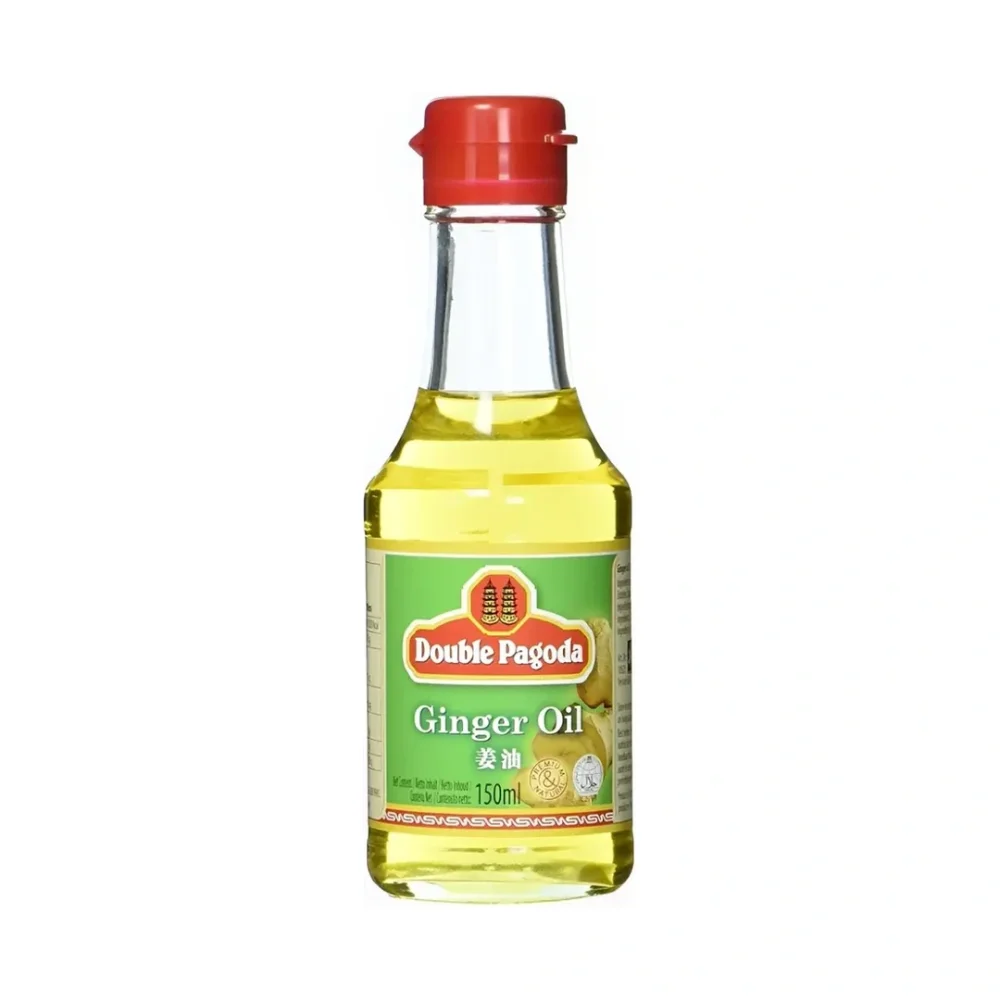
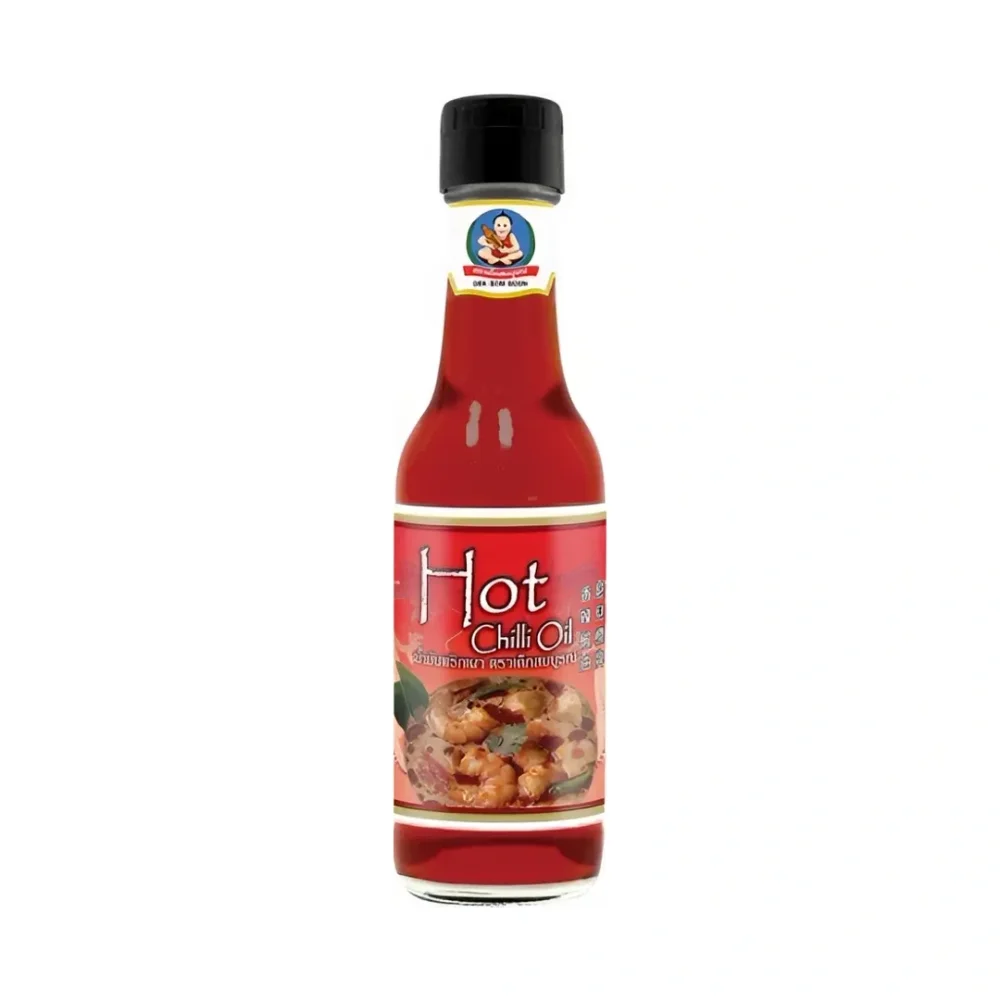
If you want a quick "final" seasoning without long tuning, sometimes just a few drops of aromatic oil make a big difference – for example, Double Pagoda ginger oil for a strong aroma or Dek Som Boon chili oil for a spicy finish.
4) Don’t forget the extra texture (elastic, crunchy, juicy)
Textural contrast is crucial in Asian cold dishes. When you feel that "the flavor is good, but it’s still not right," often what’s missing is texture: something elastic next to crunchy and something juicy next to "dry."
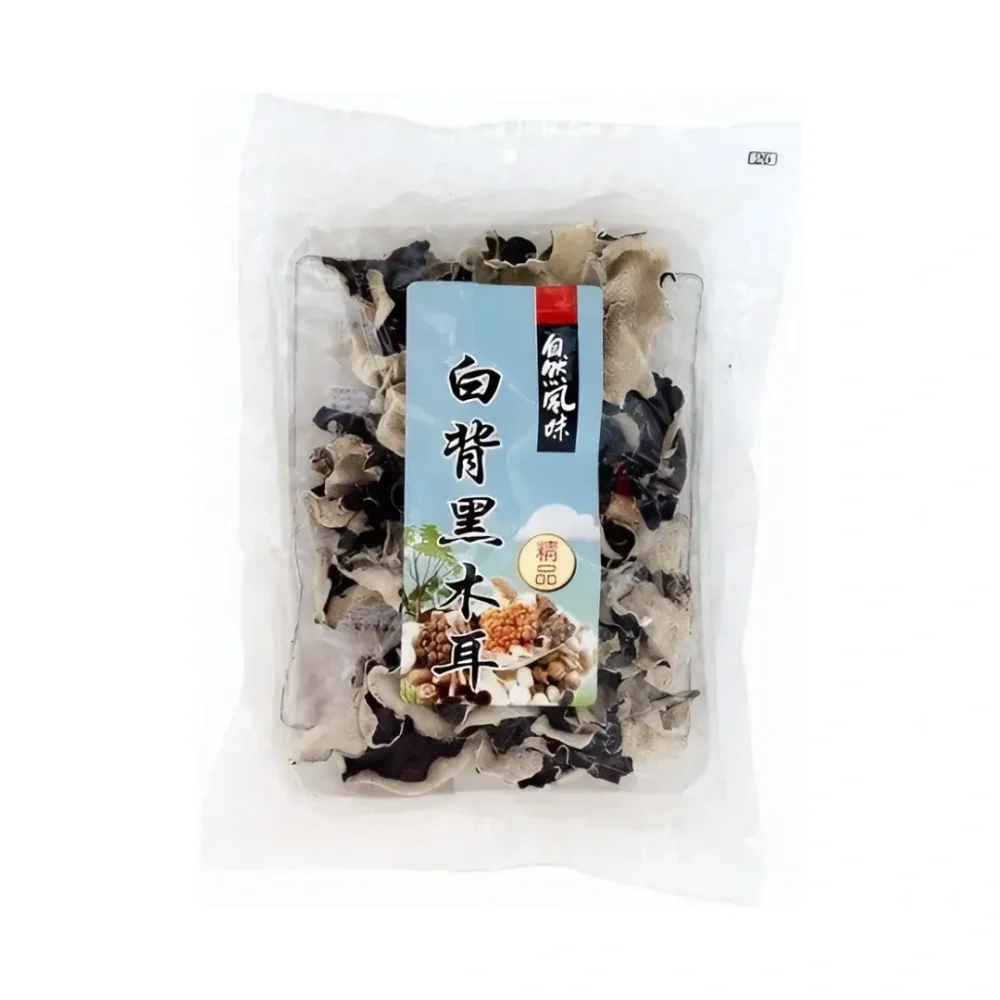
One typical ingredient in Asian dishes is wood ear mushroom – flavor-neutral but texturally distinctive. In a cold salad context, it can work exactly as an "elastic counterpoint": Mountains wood ear mushroom.
5) If you want deeper "fishy" umami, be careful
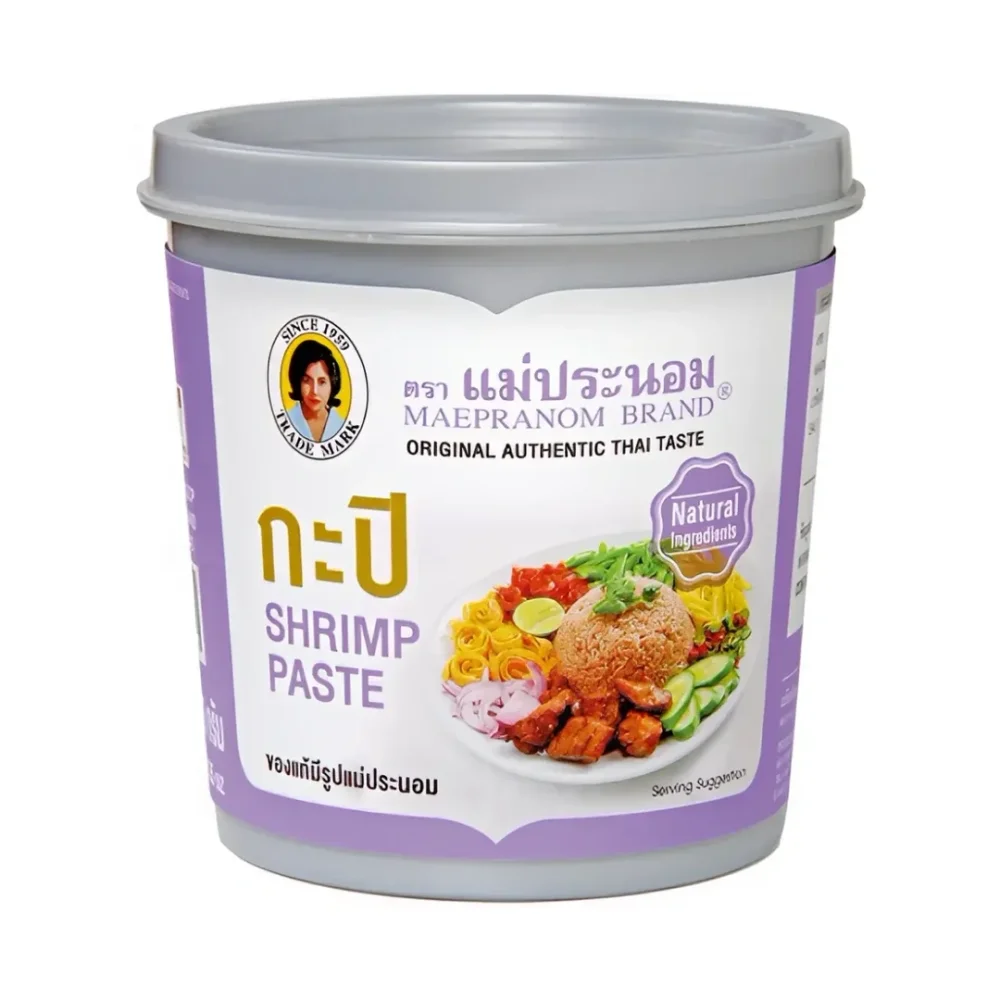
In part of cold Asian cuisine, strong umami bases (fish sauce, fermented components) are used. If you want to boost similar depth even more, there are very intense seasonings like shrimp paste. Here, the only rule applies: extremely small amount and always taste. An example is Maepranom shrimp paste, which is aromatically strong and belongs in cold dips only if you know you are looking for exactly that flavor.
The most common mistakes in Asian salads and cold dishes (and how to fix them quickly)
- Too "European" dressing: just oil + vinegar is often not enough. Fix: add clear umami (e.g., soy/fish base) and check acidity – cold food needs more acidity than you expect.
- Too much sauce or almost none at all: in "dry" cold noodles everything should be coated, not drowned. Fix: add dressing in parts and mix each time.
- Bad noodle texture: overcooked or glued noodles will ruin even good seasoning. Fix: keep the proper heat treatment and stop cooking on time (rinsing helps with many noodles).
- Too few herbs and crunch: then the bowl feels heavy or "tired." Fix: add a handful of herbs and one distinct crunchy element.
- Salad as an "appetizer," even though it was supposed to be lunch: when the main base is missing, the food does not satisfy. Fix: add noodles, tofu, seafood, or a grilled component.
What to take away from the article
- Asian salads and cold dishes are often full meals – they rely on herbs, acidity, umami, chili, and mainly on texture.
- "Salad" in Asia doesn’t have to be leafy: it can be a rice paper roll, a cold noodle bowl, or seasoned and pickled combinations.
- Cold dishes make sense because of the climate, street food logic, and the fact that cold serving carries herbs, acidity, and crunch very well.
- At home, you will be most successful when you build the bowl systematically: base → freshness → dressing/dip → texture → final aroma.
- The most common problems are wrong acidity/umami settings and ruined texture (especially with noodles) – both can be fixed if you know what to watch out for.

Read next
If you want to explore this topic further, continue with these related blog guides and articles:
