


 Česky (CZK)
 Slovensky (EUR)
 Deutsch (EUR)
 Austria
 Belgium
 Bulgaria
 Croatia
 Denmark
 Estonia
 Finland
 France
 Germany
 Greece
 Hungary
 Italy
Italy Latvia
 Lithuania
 Luxembourg
 Netherlands
 Poland
 Portugal
 Romania
 Slovenia
 Spain
Spain Sweden










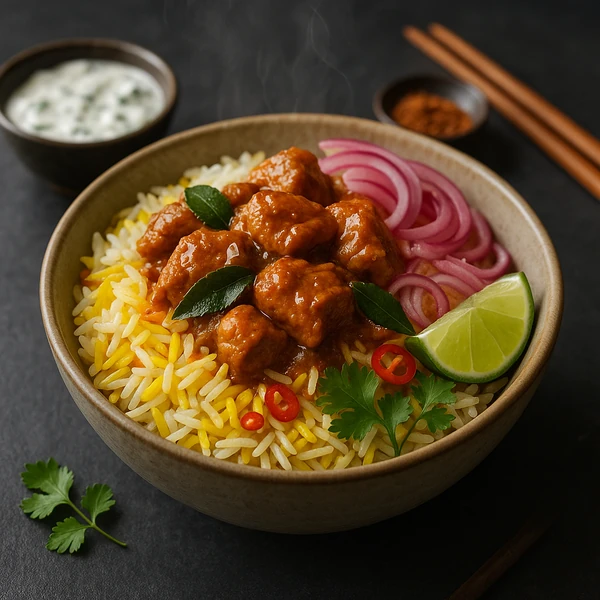
Donburi, biryani, and other one-bowl meals: how they work and how to understand them
One-bowl meals are not shortcuts or emergency meals in Asia – they are often well-thought-out rice dishes where rice is not a side dish but the center around which flavor, aroma, and texture are arranged. In this guide, we will show you how a bowl like Japanese donburi differs from layered biryani, what rice bowls have in common, and how to choose the right rice and style at home according to what you crave and how much time you have.
Why rice one-bowl meals are so natural in Asia
In many parts of Asia, food is not thought of as "rice will be the main part of the meal." Often, it is the opposite: rice forms a stable, neutral center of the plate (or bowl), and the main question is “what will be with the rice“. Because of this, rice meals can have a huge range – from quick, practical bowls to festive dishes where rice carries aroma, prestige, and regional identity.
The common denominator of one-bowl meals is simple: well-cooked rice + a thoughtfully prepared topping/sauce/layers. It's not just about convenience when serving. It’s about flavors interacting with the rice – with its aroma, temperature, and texture.
What donburi, bibimbap, nasi lemak, nasi goreng, and biryani have in common
Although they are completely different dishes, they share several principles worth knowing before choosing a style or ingredients:
- Rice is not secondary. It forms the body of the dish, not just a filler.
- The key is the relationship between the rice and what’s on or in it. Either it’s a topping and sauce (bowls), mixed, or layered (festive rice dishes).
- The aroma and texture of the rice determine the experience. The same topping on poorly chosen rice can ruin the impression more than a slight seasoning mistake.
- Often, it’s a complete whole. You don’t necessarily need to deal with additional sides – the bowl should be complete on its own.
- The context is usually either everyday or festive. And the technique corresponds to that: quick bowls vs. aromatic layering.
Two poles of one bowl: Japanese donburi vs. layered biryani
Donburi: a simple bowl with clear logic
Donburi is a Japanese bowl of hot rice with a well-seasoned topping, often slightly saucy. The point is that you eat everything together as one whole – rice provides volume and calm, the topping brings boldness.
Typical for donburi:
- hot rice as the base,
- a topping with clear seasoning and usually some juice/sauce,
- speed and practicality – a comfortable everyday meal.
Within donburi, there are several “worlds” (different types of bowls): oyakodon, gyudon, katsudon, unadon, tendon, or kaisendon. For choosing, it’s important to know mainly that donburi is not “anything on rice” – typically you want a topping that blends with the rice and won’t feel dry.
👃 Biryani: festive, aromatic, and layered rice dish
Biryani shows a completely different logic than a bowl like donburi. It is a layered, aromatic rice dish of Persian originthat developed into many regional variations in South Asia.
Typical for biryani:
- rice is the main body of the dish, not a carrier for “something on top”,
- layering of rice and other components is part of the technique,
- the aroma of spices, fat, and other components permeates throughout the dish,
- usually associated with more festive, bold dishes.
Practically: with donburi, you mainly decide what topping to use and how “juicy” to make it. With biryani, you work on how to get aroma and flavor into the rice itself and how to maintain its structure.
Other “worlds” of one-bowl rice dishes: mixed and aromatic rice
Mixed and composed rice dishes
Besides bowls with toppings, there are rice dishes where mixing or assembling multiple components matters to make sense in every bite. This often includes dishes like bibimbap or nasi goreng – whatever the specific technique, the principle is that rice remains central and other elements are designed to pair well with it.
For home cooking, it is useful to take away one thing: when you want a “composed” bowl, think of contrast (something juicy, something firmer, something aromatic) and make sure the rice isn’t just a background.
Rice that carries flavor itself: coconut and regionally seasoned
Another big group are dishes where rice deliberately carries aroma and flavor – for example, through fat, spices, or other aromatic ingredients during cooking. Asian rice dish overviews mention names like nasi lemak – what’s important for you is mainly that this is not just about topping but about the “fragrant body” of the rice.
How to choose rice at home and build a bowl that works
Texture is not a detail: what makes rice fluffy or stickier
Rice differs not only in grain shape and aroma but also in how it behaves after cooking. An important guide is the starch content:
- rice with a higher amylose content is usually fluffier, firmer, and less sticky,
- rice with a lower amylose content is usually softer and stickier,
- so-called sticky rice has very little or almost no amylose and after cooking is elastic and cohesive.
This is not just theory: in bowls, the texture of the rice is part of the result. Donburi usually requires rice that is easy to pick up and holds together. Festive, aromatic rice dishes often rely on grains remaining separate while carrying fragrance.
Rice by dish: a simple pairing that will save you disappointment
- When you want long, separate, and aromatic grain, typically for more festive rice dishes: reach for basmati. For this style, for example, ESSA Basmati Rice Punjab Pride works well.
- When you want rice that holds its shape and is easy to eat from a bowl: short-grain and medium-grain rice (typically “sushi rice”) are suitable. Important note: short-grain rice is not automatically the same as sticky rice.
- When you want fragrant, tender rice “for sauce”: jasmine rice often makes sense.
- When you specifically want an elastic, cohesive sticky texture: that is the role of sticky rice, which has a different function than regular side rice.
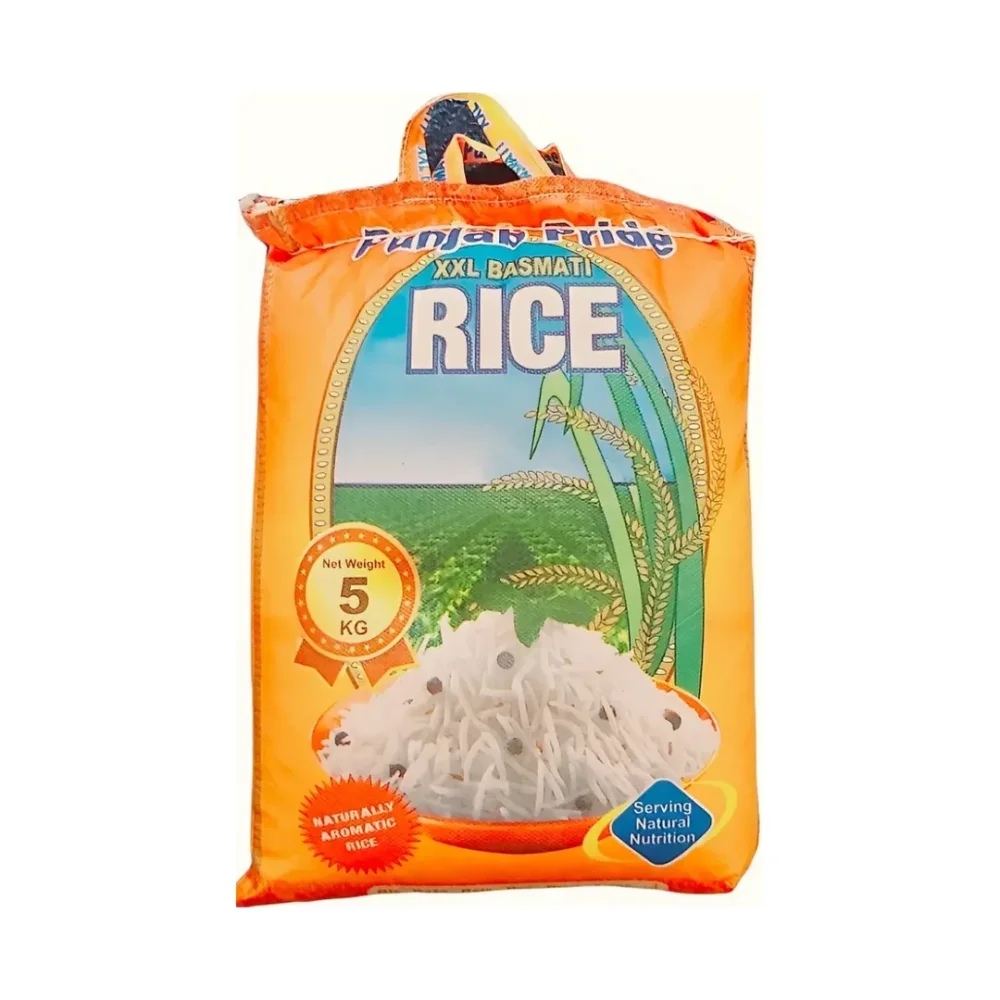
The most common practical rule is: don’t choose rice “like a single commodity.” Base it on the dish you want to cook—and only then decide on the brand and packaging.
Blueprint of a bowl (without recipe): so it’s neither dry nor overloaded
If you're starting out, a simple logic will help you that you can then adjust to taste:
- Clarify the style: do you want a topping on rice (donburi), mixing/composition (mixed bowls), or aromatic rice as the main body (biryani and related worlds)?
- Cook the rice with the goal: not “to be done,” but to have the texture that fits the chosen style.
- Consider the ratio: as a starting orientation, it works when the rice makes up about two-thirds of the bowl volume and the rest is topping/sauce. In donburi, it’s important that the topping has a little juice which flavors the rice.
- Adjust the taste at the end: with bowls, it’s easy to overdo saltiness or spices. It is more practical to add a small amount of seasoning gradually than to “rescue” an oversalted whole with additional rice.
When you want to speed up: spices and pastes as shortcuts (but wisely)
One-bowl dishes are great because they can be built from minimal ingredients—if you have a functional base. In a home Asian “pantry,” a reasonable minimum often includes a universal salty base, acidity (e.g., rice vinegar), fats for aroma, chili seasoning, and of course rice.
If you want to quickly create a stronger sauce or “flavor signature” for rice, blends and pastes that can be briefly sautéed in fat help:
- For warmer, aromatic Indian profiles, for example, Drana Garam Masala works well—often a small amount is enough to round out the flavor.
- A subtly citrusy, herbal-spicy aroma can be added by Mehek dried curry leaves (typically for curries, sauces, and similar bases).
- If you want a really quick “sauce” shortcut, you can work with a ready-made seasoning paste, such as AHG Vindaloo paste — the principle is to briefly toast and only then add the main ingredient.
- With curry pastes in general, it makes sense to start with the guide curry pastes; if you are looking for less “standard” directions, special curry pastescan also be useful.
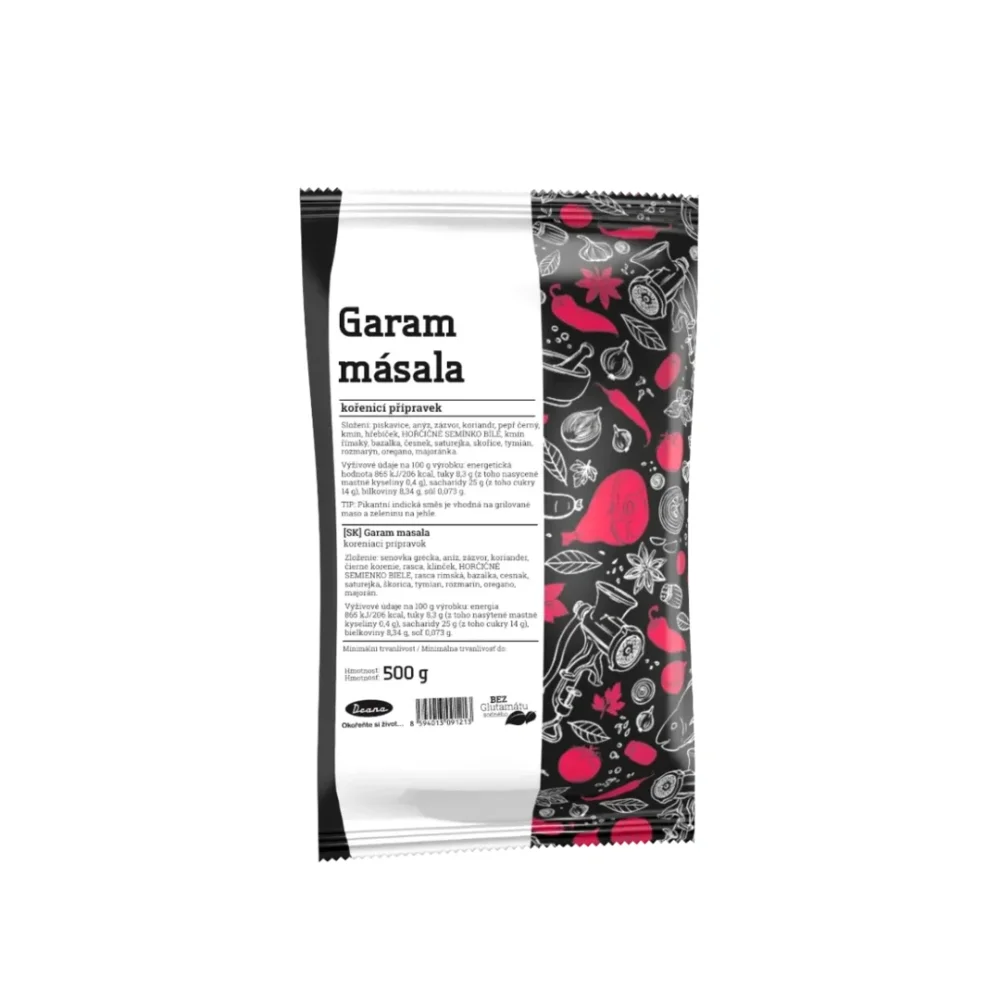
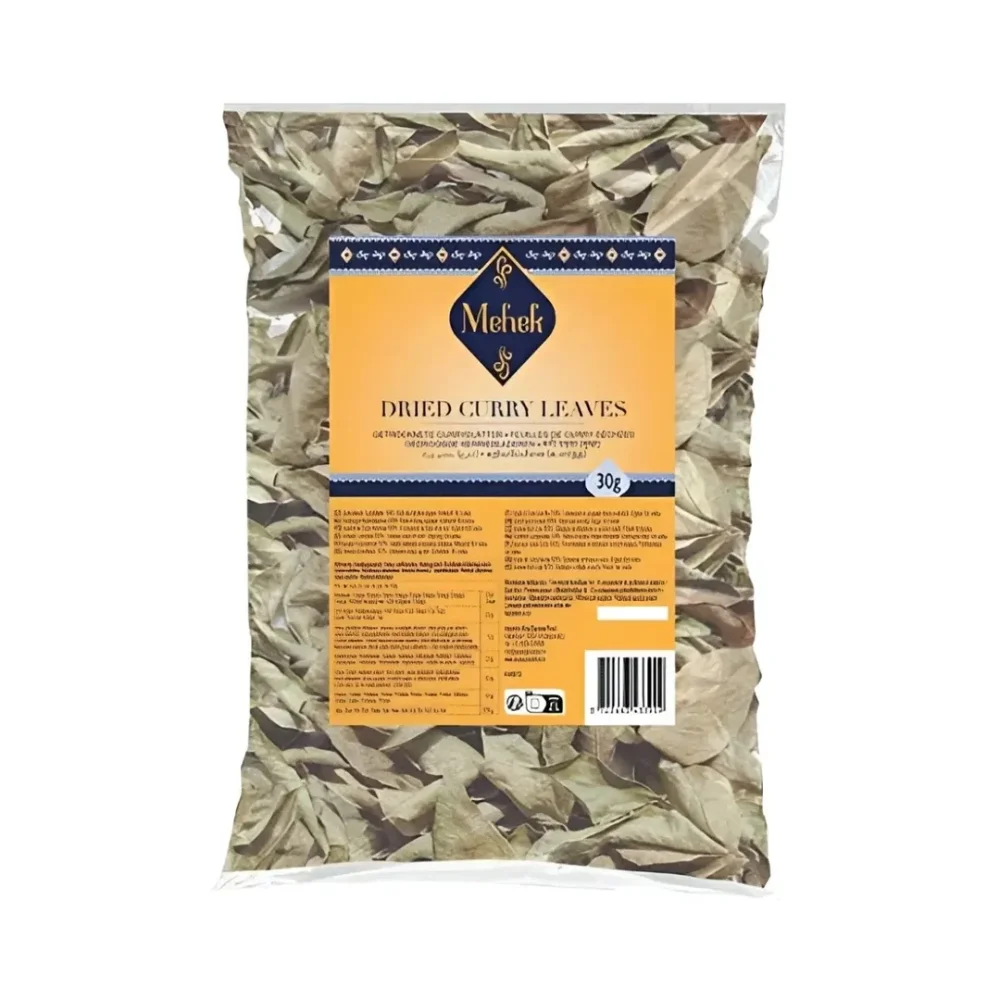
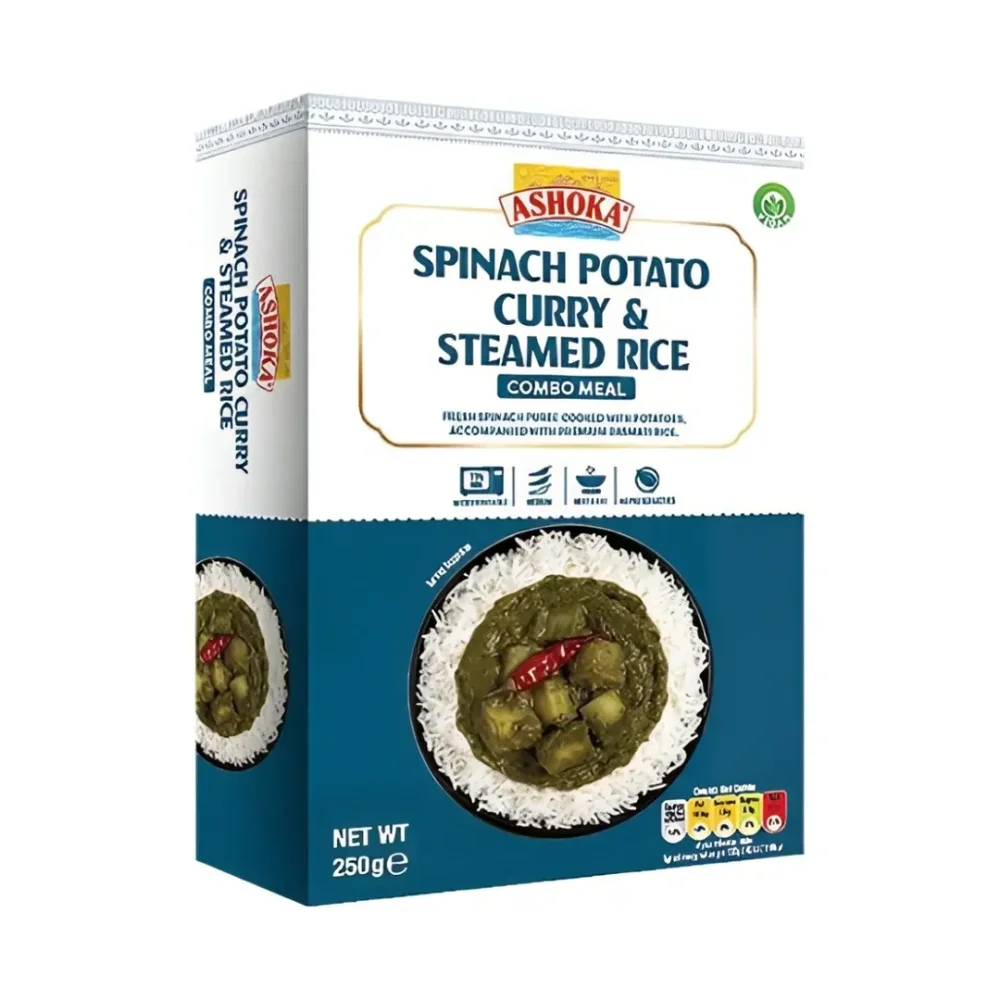
And when you really need a bowl without cooking “from scratch,” there are ready meals that already contain rice directly—for example, Ashoka spinach curry with potatoes and steamed rice. In the context of this article, it is a good reference for how a full combination of rice + distinctive sauce works in practice as a whole.
💡 What to watch out for: common mistakes that spoil the bowl even with great ingredients
“Sushi rice” is not the same as sticky rice
Short-grain and medium-grain rice tend to be stickier after cooking than long-grain types, so they are suitable for sushi and bowls where you want the rice to hold well (e.g., with chopsticks). However, this does not mean they are the same as sticky rice. Sticky rice has a different function and behavior—if you substitute one for the other, the texture change will be significant.
Trying to replace all other types with one type of rice
This is one of the most common mistakes: choosing rice just based on what is at home. With some dishes, that “works,” but elsewhere the typical logic is lost—for example, in bowls where the rice must hold together, or conversely in festive aromatic rice dishes where you want separate grains and strong aroma.
Confusing strength with quality
With Asian ingredients, it is often true that the most intense, saltiest, or spiciest variant is not automatically “the best.” Quality can mean purity of flavor, depth, or that the product precisely fits the purpose. Practically: you need something different for quick bowl seasoning and something else for long cooking where the flavor develops differently.
Dry topping or “flat” bowl: simple fixes
- If the topping is dry: with the donburi style, it helps when the topping has a bit of juice/sauce that soaks into the hot rice.
- If the bowl is flat: often one function is missing from the pantry (saltiness/umami, acidity, fat aroma, or spiciness). It’s better to add a small element intentionally than to sprinkle “more spices” without direction.
What to take from the article
- “One bowl” in Asian cuisine usually means that rice is the center of the meal — and everything else is designed to work with it.
- Donburi is a quick bowl of hot rice with a well-seasoned, often slightly sauced topping.
- Biryani is a different world: a layered, aromatic rice dish where the rice carries the aroma and festive character.
- The biggest difference in the result is often not made by the “secret ingredient,” but the correctly chosen type of rice and its texture.
- The most common mistakes are confusion of rice types (mainly short-grain vs. sticky) and trying to cook everything from one universal rice.

Read next
If you want to explore this topic further, continue with these related blog guides and articles:
