


 Česky (CZK)
 Slovensky (EUR)
 Deutsch (EUR)
 Austria
 Belgium
 Bulgaria
 Croatia
 Denmark
 Estonia
 Finland
 France
 Germany
 Greece
 Hungary
 Italy
Italy Latvia
 Lithuania
 Luxembourg
 Netherlands
 Poland
 Portugal
 Romania
 Slovenia
 Spain
Spain Sweden










How to flavor tofu and vegetables: marinade, glaze, and final seasoning without unnecessary mistakes
Tofu and vegetables can be great, but on their own, they often feel 'flat' – lacking saltiness, umami, and aroma. In Asian cuisine, this is not solved with a single universal marinade but with a cleverly divided approach to flavor: some is added in advance, some develops on the pan, and some is refined at the end. When you understand what each step is supposed to do, seasoning will start to make sense and the results will be consistently better.
Seasoning is not just marinade: 3 steps that are often confused
In home cooking, the word 'marinade' is used as a shorthand for everything. But in Asian kitchens, it's useful to distinguish three different things – because each has a different goal and works differently:
- Marinating (in advance): mainly working with the surface of the ingredient before heat treatment. Typically helps to provide basic saltiness and umami, unify surface flavor, support color and caramelization, and 'prepare' tofu or vegetables for wok, pan, oven, or grill.
- Seasoning during cooking: flavor adjustment during heat treatment (for example, when you quickly sear something and only then add a sauce that reduces and coats the ingredients).
- Final seasoning: refining after cooking or at serving. In Asian style, often this decides: the last acidity, a drop of aromatic fat, table sauce, or dip.
Practical impact: tofu and vegetables often do not need a 'heavy' marinade for hours. Often, they benefit more from short prior flavoring + good seasoning on the pan + a final touch on the plate.
Tofu and vegetables are not one category: what determines if the flavor 'sticks'
Tofu: marinating is important but not all-powerful
With tofu, three things mainly matter: firmness of tofu, how much water remains in it and what technique you use to prepare it (pan/wok, oven, sauce…). Tofu's strength is that it absorbs surrounding flavors well, but the flavor does not penetrate 'deeply' just by long soaking in a sauce. It often benefits from first losing some water and only then gaining flavor.
To orient yourself in texture, it is useful to think about two basic worlds:
- Silken (soft, smooth): suitable for soups, delicate stews, cold dishes, dips, dressings, or creams. Not suitable where you will aggressively stir or flip it in a pan.
- Firm / extra firm (firmer): suitable for pan, wok, baking, grill, and marinating – basically everywhere you want cubes or slices that hold shape.
Vegetables: more often short seasoning and stronger final glaze win
Not every vegetable is equally suitable for marinating. Firmer vegetables (that keep structure) can handle longer contact with seasonings. Tender vegetables may unnecessarily soften in a wet marinade and lose freshness. Therefore, with vegetables it often works better: short prior seasoning and then stronger final glazing or a dip added only at the end.
What good seasoning consists of (and why 'dark sauce' is not the answer)
Asian marinades and seasonings can vary by region but functionally often revolve around several building blocks. You can think of them as 'flavor controllers' – and decide accordingly what tofu or vegetables really need.
1) Salty and umami component: backbone
Most often it determines whether the result feels full or empty. Soy sauce, fish sauce, miso, fermented pastes, or oyster sauce often serve as the backbone. It's important that these are not automatically interchangeable: for example, fish sauce can take the role of 'salting and umami' component in some dishes, but its profile is different – sharper and more penetrating, effective in very small amounts.
2) Sweet component: not just sweetness but also color and shine
Sweetness often balances salt, supports browning and glazing and rounds off fermented or sharp tones. That's why many sweet and salty sauces work great on tofu and vegetables when stir-frying or baking.
3) Sour component: freshness and 'tension'
Acidity provides freshness. Sometimes it is primary (distinct), other times just supportive. For vegetables, it's often wise to add an acidic component at the end so the taste remains pure and lively.
👃 4) Aromatics: aroma that makes an 'Asian' impression
Aromatics (spices, garlic, ginger, and similar) often decide whether the seasoning is just salty or truly characterful. Sometimes it is more practical to use dry spices, other times a paste that is quickly fried and only then a liquid component is added.
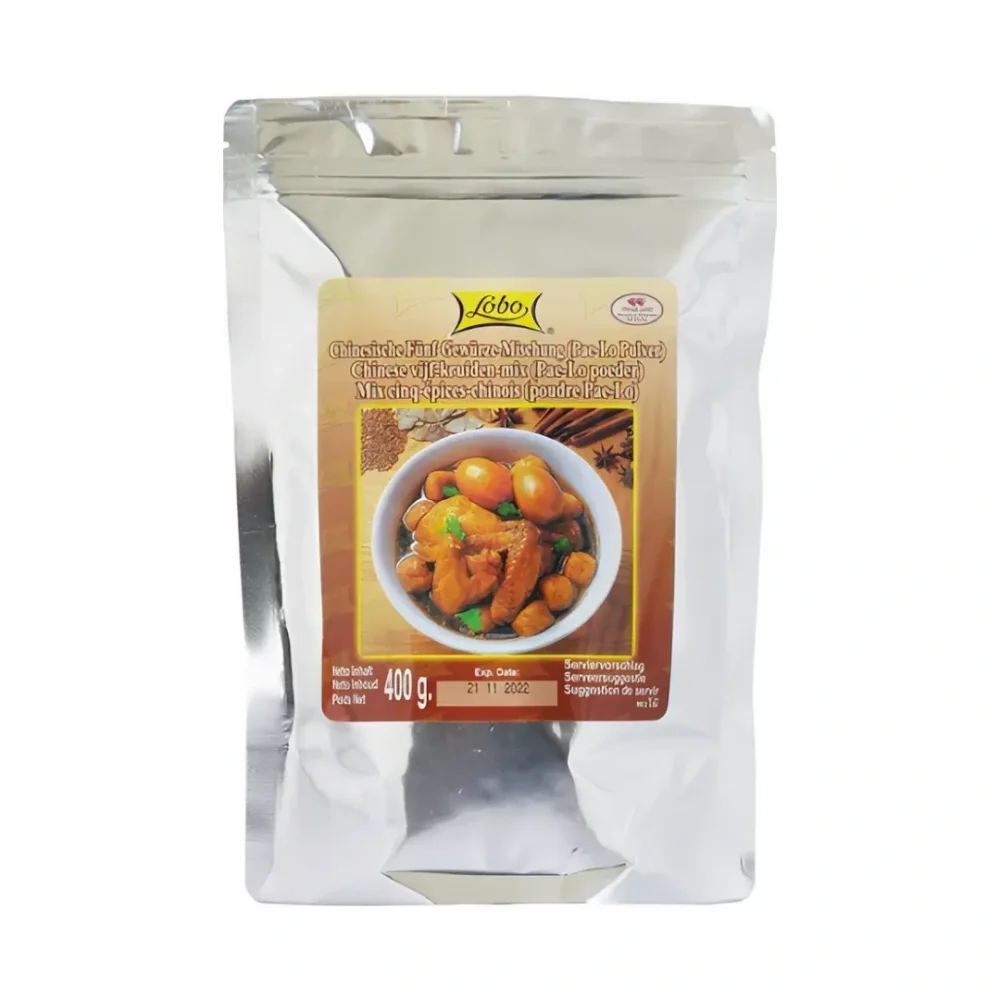
As a typically aromatic 'dry' trace, for example, the five-spice powder can be used – it is intense and only a small amount is needed to shift the flavor.
👃 5) Fat: carrier of aroma and connecting link
Fat helps 'stick' aromatic components on the surface and connect the flavor. In practice, this often means some seasoning makes more sense to add to fat (or fat mixture) and work with it briefly in a pan before diluting everything with water.
Dry vs. wet seasoning: when each makes sense
- Dry seasoning (spices, blends): often good for quick stir-frying and for situations where you don't want to 'soak' the ingredient and change the texture.
- Wet seasoning (pastes, sauces, miso, etc.): suitable where you want coating, glaze, shine, and a 'finished' impression – typically on tofu and wok vegetables.
Flavor directions by region: what to expect from them on tofu and vegetables
Asian cuisines do not base everything on one logic. It's worth choosing a direction depending on how you want the dish to feel – and according to the technique (wok vs. baking vs. sauce).
China: short, precise seasoning linked to technique
Chinese-style marinades tend to be targeted and short. In stir-fry it is often not about 'marinating,' but about tofu and vegetables catching flavor in the pan, correctly coating, and later sauce sticking to them.
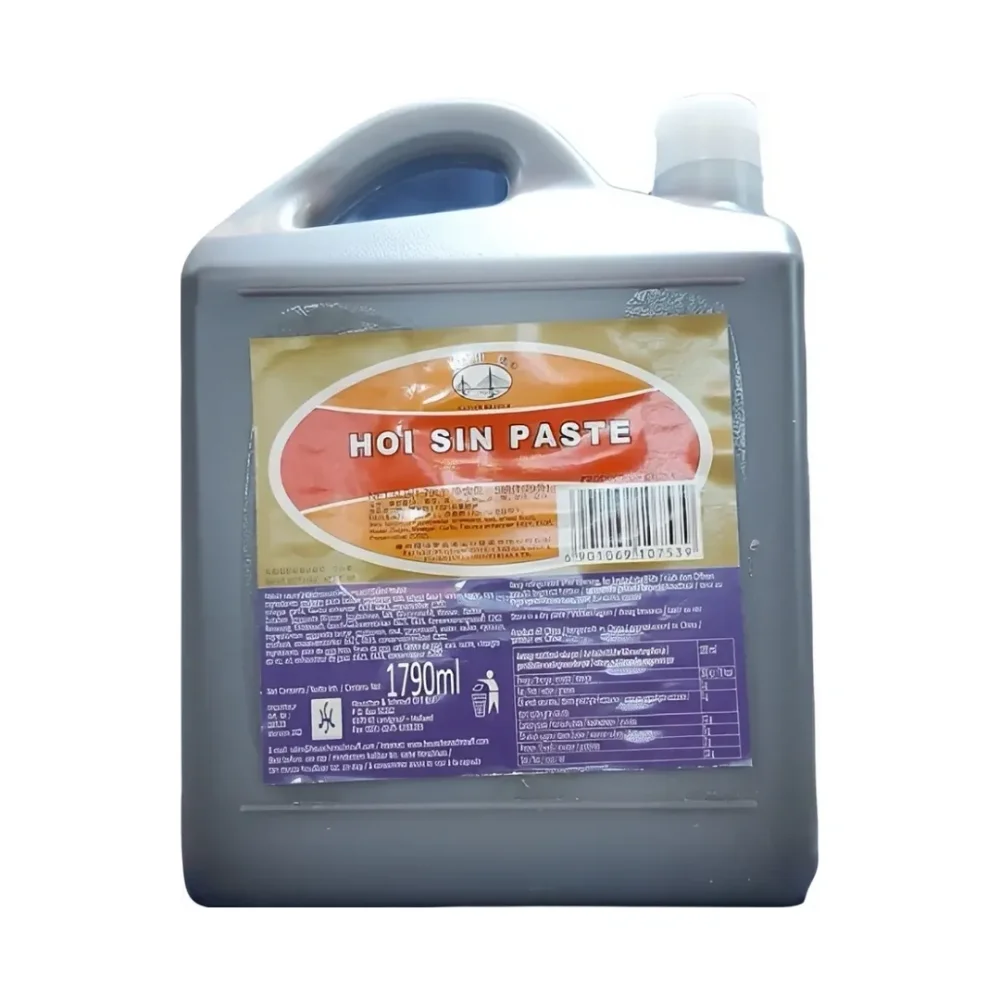
For sweet-salty thickness that glazes well (and often works as a dip too), hoisin is used, for example. If you want to use this profile practically, it might make more sense to work with a sauce like hoisin sauce more as a 'final coating' on the pan than as a long soaking bath for ingredients.
Korea: stronger flavor already before cooking
The Korean approach often works with the idea that the flavor is stronger, sometimes sweeter, more fermented already before cooking. For tofu and vegetables, this means: if you want fuller and 'rounder' character, don't hesitate to include a fermented component in the base. (In practice, miso as a fermented paste can serve a similar role, even though it's a different regional context.)
Japan: moderation, purity, and balance
Japanese marinating tends to be more moderate: it rather supports the ingredientthan overpowers it. Miso or a sweet-salty base often plays a significant role, which creates shine with heat.
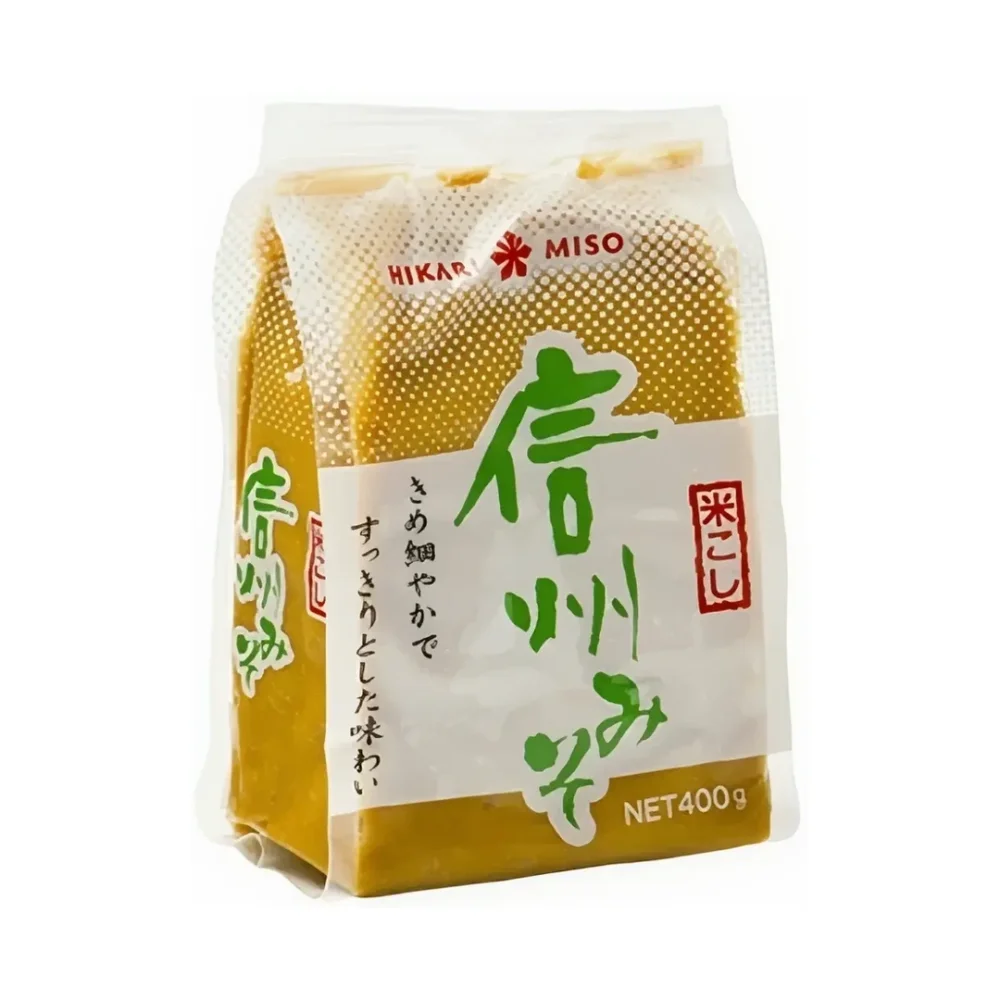
For finer umami depth, you can work with miso, for example, white miso paste. It is useful in practice when you want tofu or vegetables to have fuller taste even without heavy sauce.
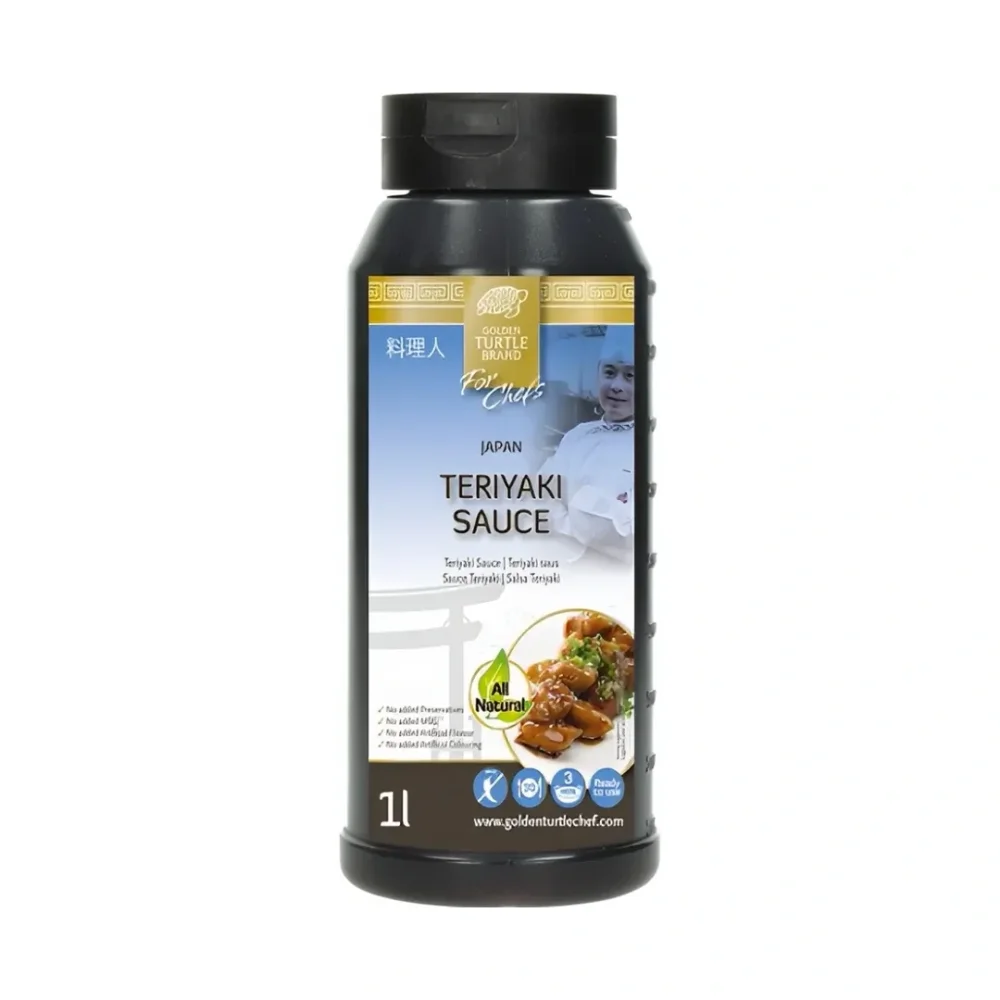
For quick sweet-salty glazing (especially during stir-frying), a ready-made teriyaki style can serve, for example, teriyaki sauce. Technique is important here: briefly and at the end, to create glaze, not watery taste.
Thailand and Vietnam: lightness, freshness, and contrast
Thai and Vietnamese logic often emphasizes freshness and contrast. A marinade or prior seasoning can combine saltiness, sweetness, acidity, and aromatics, but the final character often arises only at the end: by adding adjustment in a bowl, dip, or 'fresh' final layer.
Practical advice for tofu and vegetables in this spirit: don't overdo prior marinating of tender ingredients; often quick preparation + strong finale wins.
🍳 Practical process at home: how to season tofu and vegetables so it works repeatedly
💡 The goal of the practical procedure is not 'one right marinade.' The goal is to know, when you build flavor in advance, when you create it with heat and when you refine it at the end.
1) Clarify the technique: pan/wok, oven, or sauce?
- Pan/wok: often a short prior seasoning is enough and then a sauce that reduces on heat and coats the ingredients.
- Oven: suitable for thick styles that can create glaze and color (the sweet component often plays a big role here).
- Tofu/vegetables in sauce: when you know the resulting sauce will be strong, don't overload the marinade – sometimes it's better to add just basic saltiness and umami and rely on the final sauce.
2) Tofu: water first, then flavor
- Choose the type of tofu according to the dish. For pan and wok, firm/extra firm usually makes the most sense. Silken is great for soups and delicate dishes, but not designed for aggressive frying.
- Reduce water content. If tofu releases a lot of water, the flavor will dilute and instead of roasting, you will rather stew. Therefore, tofu often benefits from first losing some water and only then being seasoned.
- Season purposefully and briefly. For tofu, it often works better to add flavor so it sits on the surface and then 'locks in' with glaze or quick sauce with heat, rather than waiting for everything to magically absorb.
- Count on the final step. Some flavor in Asian logic comes only at the final adjustment. This is important for tofu too: if something 'is missing' after cooking, it's often not more salt but acidity or aroma added at the end.
3) Vegetables: less marinating, more glazing (especially for delicate kinds)
- Distinguish between firm and tender vegetables. Firmer vegetables tolerate longer contact with seasonings. Tender vegetables can unnecessarily soften in wet seasoning and lose freshness.
- For tender vegetables, give only a short 'pre-tone'. Light saltiness/umami in advance often suffices – and the main flavor is created on the pan with a quick glaze or dip.
- Make glaze with heat. The sweet component helps shine and browning, so it's typically worth adding it when it has a chance to stick to the surface (instead of long soaking in a cold marinade).
4) When you want a quick 'finished' impression without complicated mixing
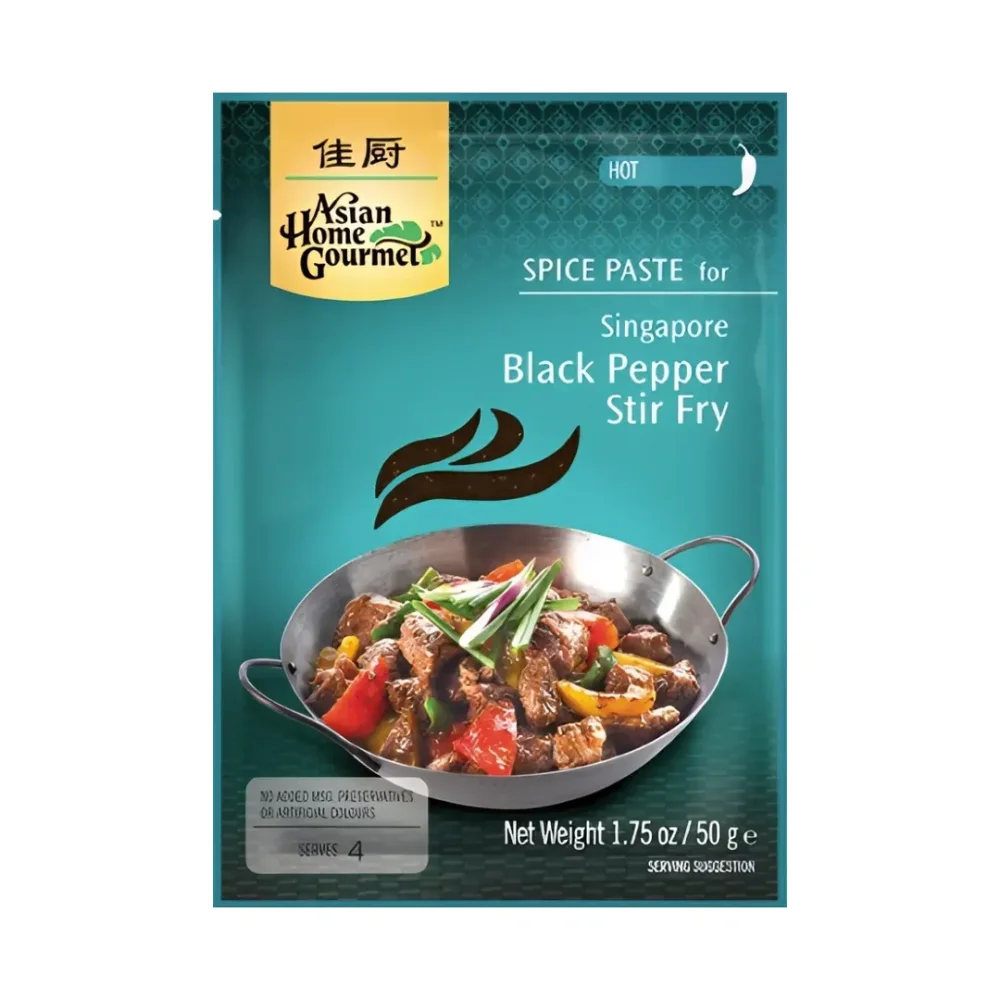
On some days, it's most practical to reach for a concentrated paste that you briefly fry and mix with the ingredient. For example, Black Pepper stir-fry pasta works as a strong aromatic shortcut for quick tofu and vegetables – the key is to keep the thermal work short so the flavor stays clean and does not overpower the ingredient itself.
Common mistakes (and how to avoid them)
Mistake 1: Expecting the marinade to 'penetrate' tofu by itself
Tofu is a great flavor carrier, but the result is often more influenced by water content and cooking technique than the marinating time. When tofu is watery, the flavor will dilute and the surface won't sear as expected. Solution: first deal with water (drying/pressing), then flavor, and finally with the glaze.
Mistake 2: Marinating delicate vegetables for too long
For delicate vegetables, longer contact with a wet marinade can cause loss of freshness and a "wilted" texture. Solution: short initial seasoning and stronger final seasoning (glaze or dip).
Mistake 3: Using sauces as mechanically interchangeable
Asian sauces often look similar, but their roles differ. A good example is fish sauce: it is not a direct substitute for soy sauce. It can add saltiness and umami, but has a sharper, more aromatic and penetrating profile and is effective in small amounts.
Similarly, sweet soy varieties like kecap manis work on a different logic than regular “working” soy sauce: they are significantly sweet, thicker, and glaze-like. Using them as a substitute for regular salty base can easily disrupt the sweetness and the overall tone of the dish.
👃 Mistake 4: Overcooking aromatics or adding them at the wrong time
Aromatics should be perceptible, not bitter. Generally, it helps to think that part of the aromatics belong to a short cooking phase (to release fragrance) and part to final seasoning (to stay fresh). If you put everything in at the start and cook for a long time, you'll often lose what makes the flavor lively.
Key takeaways from the article
- Seasoning in the Asian style is more than just marinade: distinguish marinating, seasoning during cooking, and final adjustment.
- For tofu, the type and water content matter: firmer tofu behaves differently than silken and often it helps to reduce water content first.
- Vegetables often need rather short seasoning + final glaze than long soaking.
- Build flavor from components: salty/umami backbone, sweetness for glaze, acidity for freshness, aromatics for character, fat as carrier.
- Sauces are not automatically interchangeable: fish sauce, soy sauce, miso or sweet soy variants have different profiles and different uses.

Read next
If you want to explore this topic further, continue with these related blog guides and articles:
