


 Česky (CZK)
 Slovensky (EUR)
 Deutsch (EUR)
 Austria
 Belgium
 Bulgaria
 Croatia
 Denmark
 Estonia
 Finland
 France
 Germany
 Greece
 Hungary
 Italy
Italy Latvia
 Lithuania
 Luxembourg
 Netherlands
 Poland
 Portugal
 Romania
 Slovenia
 Spain
Spain Sweden










What to take from Asian cuisine for quick everyday cooking
Asian cuisine is not just a collection of "exotic" recipes – it is mainly a set of practical habits that allow cooking quickly, tasty, and without feeling heavy. In this article, you'll find specific principles that you can bring home: from salty and warm breakfast to the "bowl" logic of meals and seasoning with sauces, acidity, and texture.
What does "cooking quickly the Asian way" mean: bowl, heat, and final seasoning
Quick everyday cooking in many parts of Asia is not based on cutting corners. It is based on having a simple base (rice, noodles, toast, broth), one hearty component (egg, tofu, meat, legumes), and finishing the rest on the plate.
This is close to the logic of street food: food is often prepared quickly or quickly finished in front of the diner. Sauces, dips, and final toppings play a big role – not as a "heavy sauce on everything," but as a precise finishing touch that makes one base into a different meal every time.
- Base: rice / noodles / toast / broth
- One protein: typically egg or tofu (quick and versatile)
- Freshness + contrast: vegetables, herbs, something sour (like pickled vegetables)
- Seasoning "at the end": sauce, chili, oil – preferably less, but precise
Why salty and warm breakfast works in Asia (and why it can make sense here too)
In a European context, we often have breakfast as a separate category (sweet pastries, flakes, yogurt). In many Asian countries, breakfast is simply the first "normal meal of the day". Therefore, it is common for it to be salty, warm, and hearty.
The reasons this setting developed are practical: different staple crops (rice and noodles are just as important as bread), a different relationship to warm food in the morning, and also a big role of street food, markets, and small businesses.
The most valuable thing for quick home cooking is one thing: you don't have to "invent breakfast". A bowl of rice with leftover curry, noodles in broth, or rice with egg are perfectly legitimate starts to the day – often with more stable satiety than the sweet version.
Five forms of breakfasts and light meals that you can rotate endlessly
Asian breakfasts (and generally light meals) typically exist in several "forms." Each is quick mainly because you can vary them without changing the core technique.
1) Rice: the fastest versatile base
Rice is great because it is neutral – and that is why you can switch its flavor with sauce, acidity, or fermented components. In practice, rice + egg + something spicy/fermented is often enough.
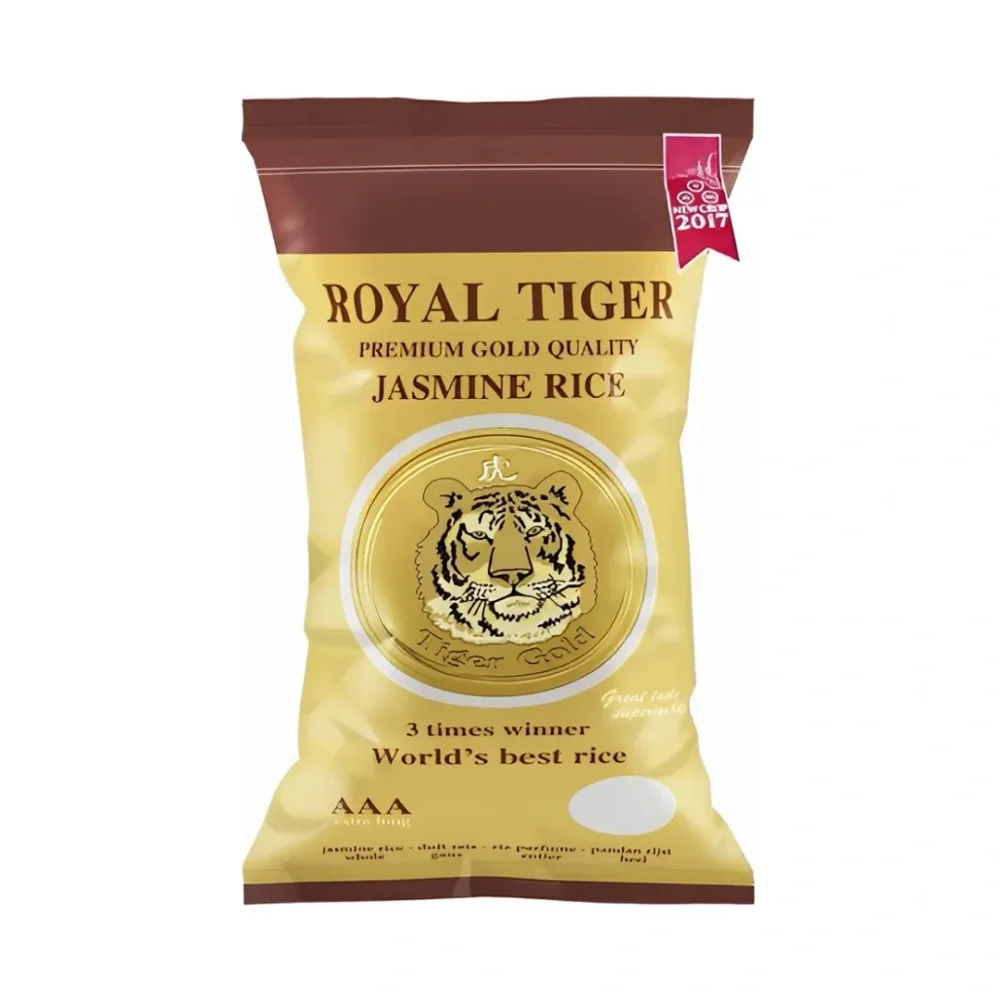
For everyday cooking, it helps to know that different rices behave differently: if you want loose grains, it makes sense to pick basmati rice (see for example the guide Basmati rice), if you want a "stickier" base suitable for bowls, short-grain rice works well (e.g. Sushi rice). For a fragrant side dish to stir-fries and curries, jasmine rice is popular – an example is Royal Tiger jasmine rice.
2) Noodles and "broth bowls": warm, quick, easily digestible
Noodle breakfasts or light meals often rely on a simple broth and quick finishing: noodles + hot base + some protein + spring onion/herbs. An important detail from Asian cuisines: broth is often more gently simmered (simmering) than vigorously boiled – the taste then feels cleaner and "lighter."
3) Porridge and congee: when you want something really gentle
Rice porridge (often called congee) is typical by being warm, smooth, and tolerating many toppings. For quick home use, it is especially valuable as a "platform": even a small amount of seasoning and texture makes a big difference.
4) Pancakes, crepes, and fermented doughs: hearty food without the European bread framework
In various parts of Asia, breakfast pancakes and doughs (often fermented or steamed) are common. The important idea for home inspiration: breakfast can be "bread-like," yet salty, warm, and served with a dip or sauce.
5) Kopitiam and toast breakfasts: speed, simplicity, good seasoning
In the kopitiam environment (cafeteria-dining places typical especially for Malaysia and Singapore), toast, egg, coffee, and quick noodles meet. For a regular morning at home, this is a great reminder that even plain toast can work "Asian-style" if complemented with egg and strong but measured seasoning.
How to start at home: 7 practical habits for quick cooking every day
Here are specific steps that turn Asian logic into a usable system for normal days – without needing to cook complicated recipes.
1) Accept that "breakfast" can be rice, soup, or leftovers
One of the most practical principles: rice, egg, soup, or leftovers from the evening are full meals even in the morning. Try just changing your expectations – instead of "what sweet," ask yourself "what warm and simple."
2) Build the bowl as a balanced meal (not as a heap of rice)
Lightness in the Asian context often doesn’t mean small portions. It means the food doesn’t feel heavy: flavors are clear, the sauce doesn’t overpower the ingredients, and freshness and texture are present.
- Starchy base: rice or noodles (in a "reasonable proportion")
- Protein: egg/tofu/meat
- Vegetables: cooked and raw
- Fresh element: herbs, spring onion, cucumber, etc.
- Acidity or pickles (pickled vegetables): lifts flavor and speeds up a "sense of liveliness"
- Precise seasoning: preferably a small amount, but well timed
3) Season "on the plate" – and watch the dosing
Sauces and dips are great because they quickly change the flavor of the same base. At the same time, they are the most frequent way to unnecessarily "weigh down" the food.
Practical orientation for one bowl:
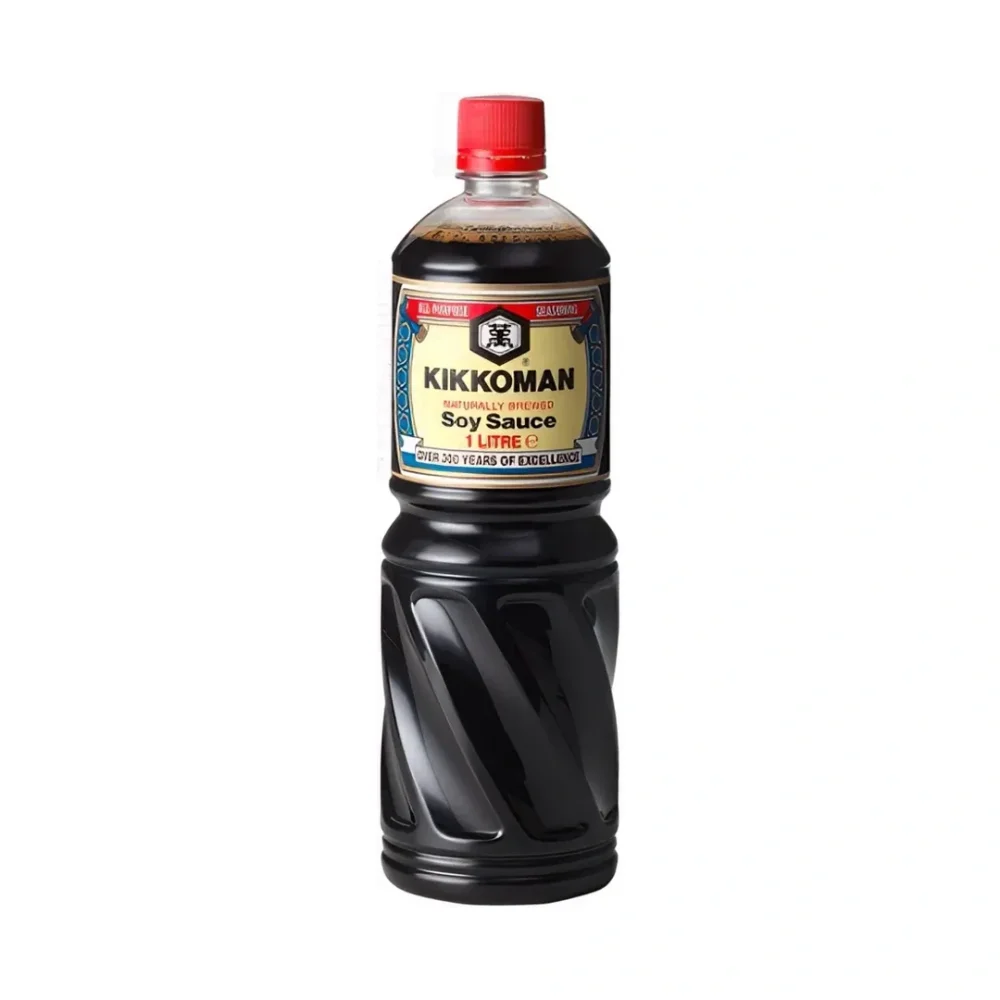
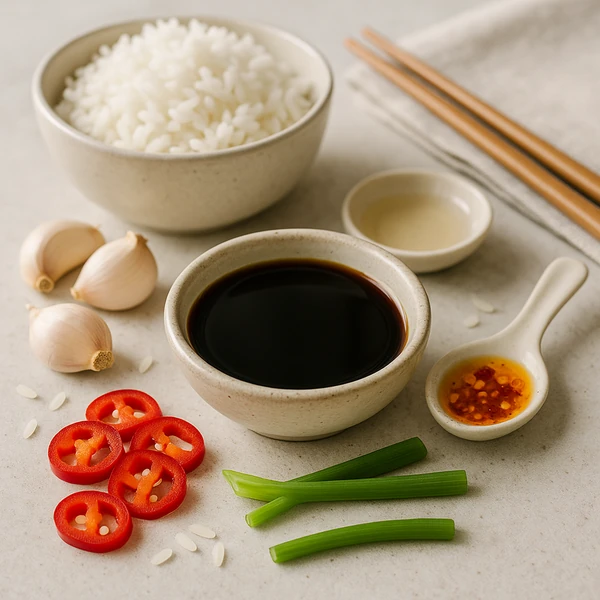
- Soy sauce: start with about 1–2 teaspoons and add gradually (a good universal example is Kikkoman soy sauce).
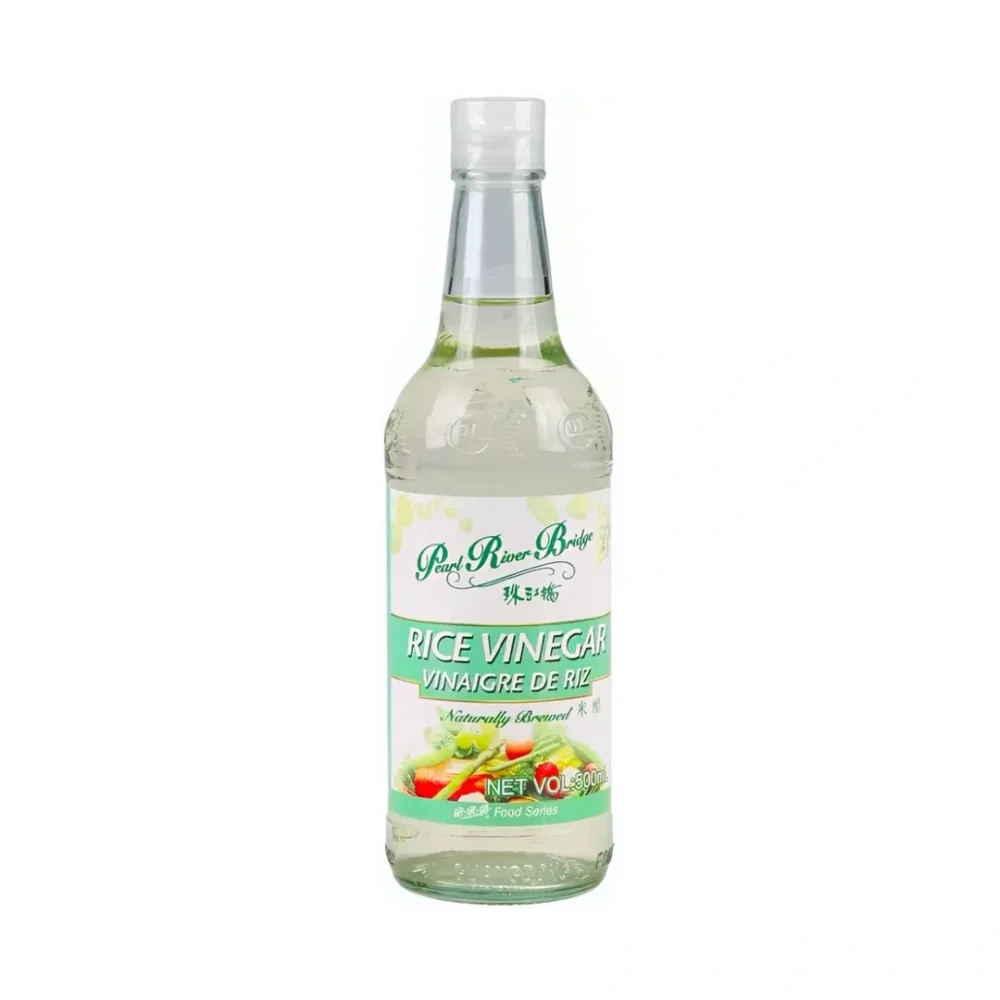
- Acidity: a few drops up to 1 teaspoon of mild vinegar can "open" the flavor (e.g. P.R.B. rice vinegar).
- Spicy touch: often only a few drops of chili oil are needed because it mainly works as aroma (e.g. Dek Som Boon chili oil).
Tip: When you feel "something’s off," the first fix is often not another sauce but acidity or texture (something crunchy, fresh).
4) Have one "quick" sauce for noodles/rice and one "salad" sauce
For everyday rhythm, it’s useful to have two prominent but usable things at hand: one for warm dishes and one for cooler/bowl/salad direction.
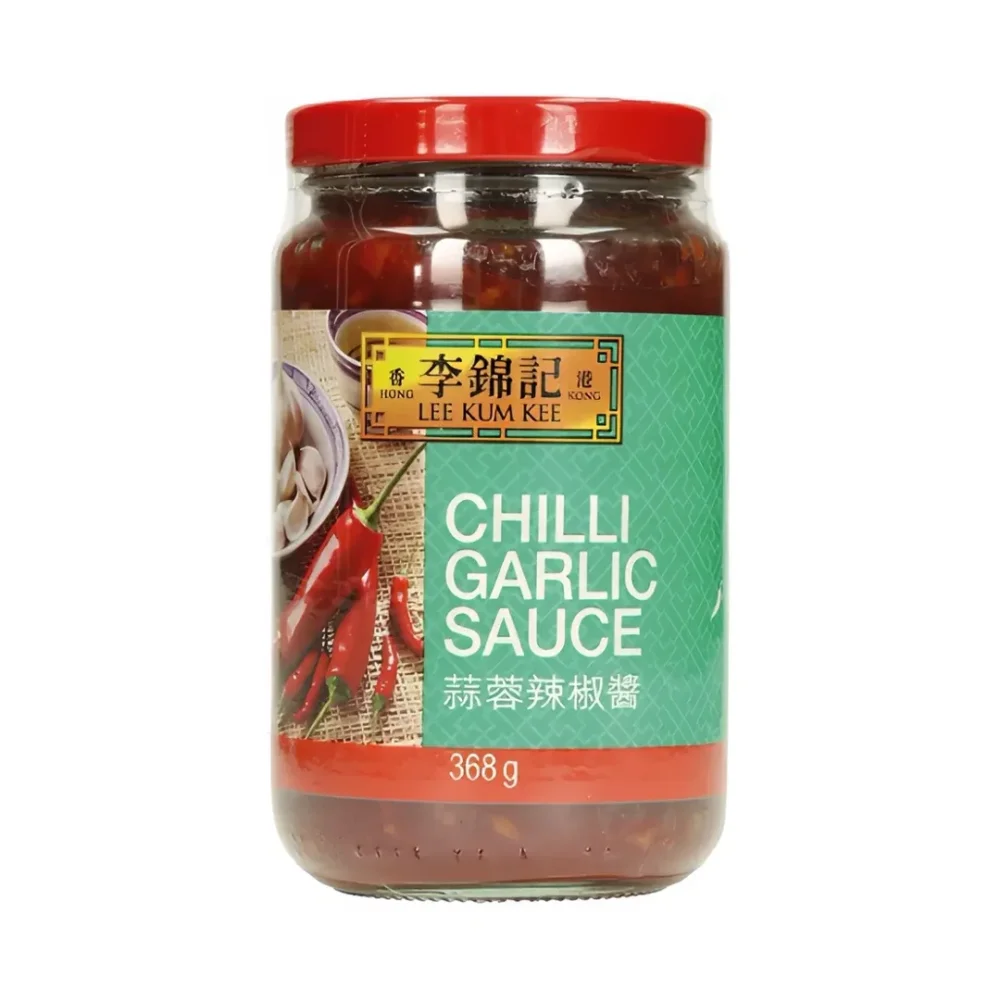
- For quick seasoning of noodles, rice, or stir-fry, for example, Lee Kum Kee garlic chili sauce (works as a dip and as a "final spoon" in the bowl).
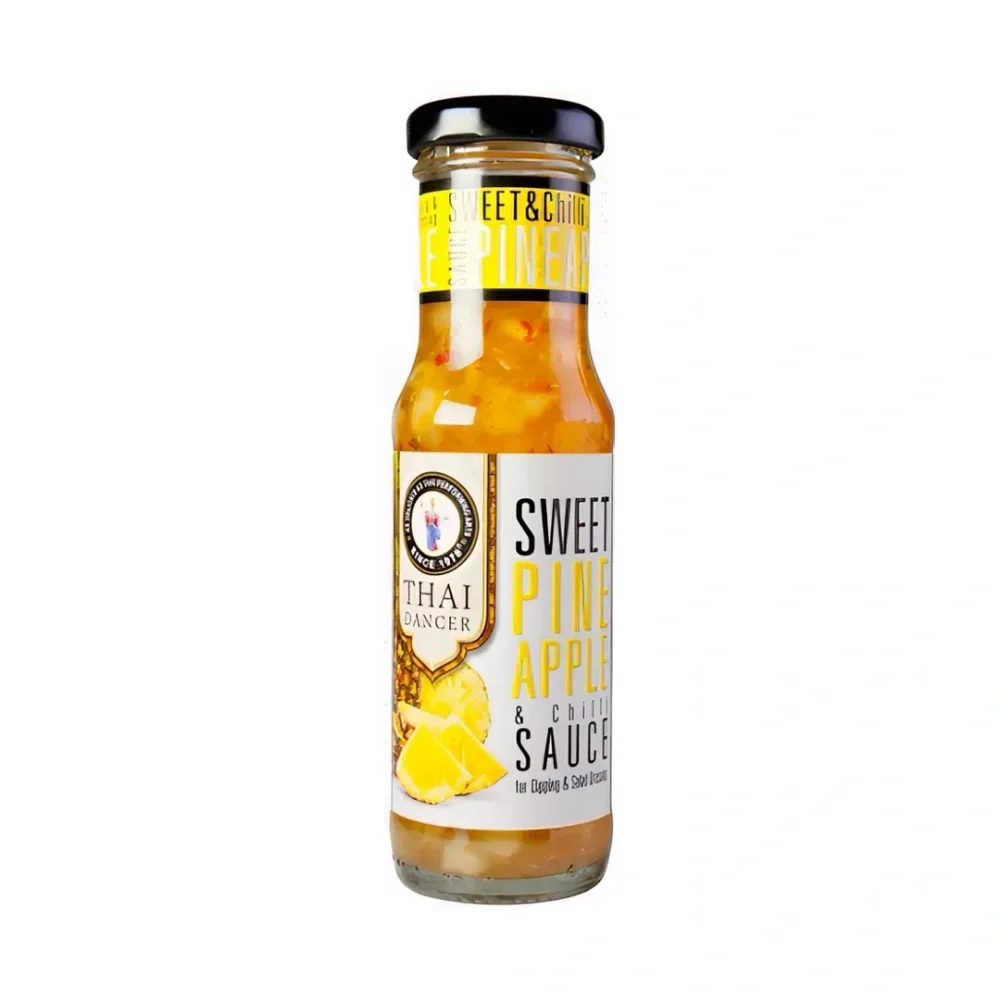
- A sweeter-spicy variant may make sense for lighter bowls or as a quick dressing, for example, Thai Dancer sweet pineapple chili sauce – typically used in small amounts and balanced with acidity.
If you enjoy toppings and mixes right on the rice, a useful guide is pastes and seasonings for rice (the principle stays the same: small amount, big effect).
5) Do stir-fry (quick pan) disciplined: temperature, order, dryness
A quick pan is only quick when it doesn’t turn into stewing. Key elements are high heat, smaller quantities in the pan, and a clear order: first what needs to be seared, sauce only later.
- Cut ingredients into smaller and similarly sized pieces: they roast faster and absorb seasoning better.
- Let the pan really heat up and don’t fill it to the brim – otherwise, everything starts to steam.
- Add the sauce only at the end so the food doesn’t soften and lose texture.
6) Create lightness by contrast, not by "abstinence"
Asian dishes can be hearty without feeling heavy when they combine several contrasts: warm + fresh, soft + crunchy, strong + acidic. Sometimes just adding a small fresh side, a bit of pickled vegetables, or herbs – lifts the bowl more than another spoon of sauce.
7) When pressed for time, even "quick ready-made" can be a base – but finish it with a fresh element
In the Asian everyday rhythm, it’s normal to combine quick bases with fresh additions. If you pick something ready-made, try to add at least one thing "for balance": a piece of fresh vegetable, herbs, or something acidic. A useful guide for such situations is the category Ready meals.
Most common mistakes and how to fix them quickly
- Too much sauce → food "drowns" and loses lightness. Fix: reduce sauce, add a fresh element and a few drops of acidity.
- Lack of freshness (without herbs, acidity, pickles) → even good warm food feels flat. Fix: something acidic or pickled and a handful of "live" components.
- Wrong ratio of rice/noodles and the rest → a big heap of starch without contrast feels heavy. Fix: add vegetables and texture, not more seasoning.
- Everything soft → lack of texture. Fix: add a crunchy element (raw vegetables, seeds, something pickled).
- Stir-fry without searing (overfilled pan, low temperature, wet ingredients) → instead of a quick pan, a stewed mixture results. Fix: smaller portions, more heat, dry ingredients, sauce last.
- Misconceptions about street food: "it's just fried food to go" or "can't be done at home" → street food also includes soups and rice bowls, and at home, you can mainly emulate its logic: quick finishing, precise seasoning, contrast.
What to take from the article
- Quick cooking the Asian way relies on form (bowl, broth, rice, noodles), not on dozens of complicated recipes.
- Salty and warm breakfast is common in many Asian cuisines – and at home, it can be surprisingly practical.
- Flavor can be quickly changed through final seasoning: sauce, chili, acidity – in small doses.
- Lightness does not arise from "removing everything," but contrast: warm vs fresh, soft vs crunchy, strong vs sour.
- The most common obstacle to quick cooking is too much sauce, little freshness, and an undisciplined pan.

Read next
If you want to explore this topic further, continue with these related blog guides and articles:
