


 Česky (CZK)
 Slovensky (EUR)
 Deutsch (EUR)
 Austria
 Belgium
 Bulgaria
 Croatia
 Denmark
 Estonia
 Finland
 France
 Germany
 Greece
 Hungary
 Italy
Italy Latvia
 Lithuania
 Luxembourg
 Netherlands
 Poland
 Portugal
 Romania
 Slovenia
 Spain
Spain Sweden










Breakfast in Asian cuisine: why rice, noodles, and hot porridge are eaten in the morning
Asian breakfast is not a single universal category. Depending on the country and region, morning can mean a bowl of rice with side dishes, noodle broth, delicate rice porridge (congee), pancakes made of fermented dough, coconut rice, or even toast and coffee. Often common is that breakfast is salty, warm, practical, and in many places connected to street food.
🌶️ What is really typical for Asian breakfasts
If you are used to the European "sweet pastry + coffee", an Asian morning might feel like lunch at 7:30. In many countries, however, it really works that way: breakfast is the first full meal of the day and the difference between "breakfast food" and "regular food" is smaller than in Europe.
- Salty breakfasts are common and often predominate over sweet ones.
- Rice, noodles, porridge, soups, and pancakes have an equally important place as baked goods.
- Practicality and speed: breakfast is usually simple to order and prepare, often "to go" or in a bowl.
- Strong connection to street food and small establishments: in the morning, specialized places operate where only breakfast is served.
- Emphasis on freshness, warmth, and easy digestibility: many breakfasts are hot and "delicate," although taste-wise they are definitely not boring.
- Localness: it is perfectly normal for two cities in the same country to have different breakfasts.
From this naturally follows that in Asia you can encounter for breakfast for example rice with side dishes, noodle broth, hot porridge, fermented dough with sambar, coconut rice, toast with eggs and coffee or a quick street food plate or bowl.
Why Asian breakfast is so different from European
It is not about "exoticism for exoticism." The differences have very practical roots and make sense in the context of everyday life.
- Different staple crops and agricultural background: where the main starch is rice (not wheat), it is natural that it appears in the morning as well.
- Different attitude toward hot food in the morning: hot soup or porridge can be perceived as the best "start" for the body and digestion.
- Greater role of street food and small establishments: breakfast is often purchased on the way to work or school.
- Less emphasis on sweet baked goods as a standard: sweets exist, but they are not an automatic norm.
- Different daily rhythms and connections to markets, transport, and morning rush: breakfast should be quick, warm, and filling.
The result is that "breakfast" in many countries simply means the first proper meal of the day: it can be bold, filling, and tastefully complete.
Basic forms of Asian breakfast (and how not to get lost in them)
The easiest orientation is according to what forms the base of the bowl or plate. This is then complemented with protein, vegetables, aromatics, and final seasoning.
Rice breakfast: a bowl that can be varied every day
Rice in the morning can be surprisingly variable. It can be plain cooked rice, rice with additions and side dishes, but also rice in particular styles, such as milk rice, coconut rice or garlic rice. This logic is strong in Japan, Korea, Sri Lanka, Southeast Asia, and some parts of China.
For a home start, it is practical to be aware of two things:
- Rice breakfast doesn't have to be "dry." It is often held together by a small sauce, broth, or additions that add juiciness.
- There is no need to aim immediately for a complicated assembly. A simple bowl works too: rice + protein + something fresh + small final seasoning.
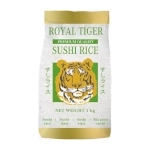
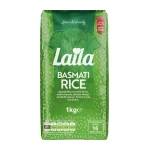
As a starting point, signposts by rice type are useful: shorter grain is often easier to eat with chopsticks and "holds" in the bowl (a practical start might be through sushi rice), while aromatic long grain rice is naturally chosen for other styles (for example via basmati rice).
Noodle breakfast: broth and noodles as morning certainty
Noodles in the morning are not an exception. In many countries, on the contrary, a morning noodle soup or a bowl is the norm. Typical examples you might encounter:
- phở in Vietnam,
- beef noodle and other bowls in Taiwan,
- various fish noodles, laksa and noodle soups in Malaysia and Borneo,
- bakso and other morning bowls in Indonesia,
- street food noodle soups in China.
Why does it work? Noodle breakfast is often warm, quick and thanks to the broth feels "lighter," although it fills. At home, it pays to think more in terms of a bowl than "a complicated soup": first warm base, then noodles, and finally toppings and final seasoning.
Porridge and congee worlds: delicate breakfast that withstands strong flavors
Rice porridge and its local variants function as a gentler and easily digestible breakfast. It can be plain but also richly supplemented. The important thing is that although the base is soft and gentle, the taste is often built on top: with small salty and aromatic components that make the "porridge" a complete meal.
If you want something calmer in the morning (not sharp or heavy), congee logic is great. And at the same time, it is a type of breakfast where work with texture and small seasonings by portions really shines.
Pancakes, crepes, and fermented doughs: breakfast made quickly (and often on the street)
Very important in many regions is also breakfast based on pancakes, crepes or fermented doughs. In practice, this means foods made on a pan, stove, or steam and can be eaten on the go.
This group also includes examples that may sound unconventional to a European ear, such as fermented dough with sambar (sambar is a strong legume sauce/soup used as accompaniment). But the fundamental principle is simple: the dough is the main part and the taste is built around it.
Kopitiam and "toast" breakfasts: coffee, toast, eggs – and it's still Asia
Besides bowls and pancakes, there is also a breakfast line that may seem "more familiar": coffee with toast, often supplemented with eggs and simple salty elements. It is important not to view it as a marginal peculiarity – this too is a common morning norm in some places and part of the urban rhythm.
Taiwan: breakfast as a separate urban world
Taiwan has an exceptionally strong breakfast culture. Breakfast businesses tend to be specialized and form their own culinary world. Typical directions include:
- warm soy milk (including variants eaten with a spoon as "savory soy milk"),
- youtiao and other fried doughs,
- fan tuan (rice rolls),
- dan bing and other filled breakfast pancakes,
- spring onion, eggs, sesame baked goods,
- various breakfast sandwiches and toast combinations.
This breakfast shows an important thing: Asian morning can be very urban and quick, and yet still strongly local.
How to start at home: build an "Asian breakfast bowl" instead of searching for the perfect recipe
With Asian breakfasts, the "assemble" approach often works better than "cook exactly." The goal is simple: warm base + clear flavor + balance.
1) Simple logic of balance: filling but not heavy
Lightness in the Asian context usually doesn't mean small portions or bland taste. It rather means the food:
- does not feel heavy or "tired",
- has distinct flavors (the sauce doesn't overpower the ingredients),
- has, alongside starch, freshness and texture.
Practically, you can divide a breakfast bowl in your mind like this:
- Base: rice or noodles in a reasonable proportion to the rest.
- Protein: egg, tofu, meat, or fish depending on what is natural for you in the morning.
- Vegetables / fresh elements: so the bowl doesn’t seem flat.
- Acidity or "pickles" element: a small contrast that lightens the dish.
- Final seasoning: a small amount, but precise (more on this below).
In Asian cuisines, it often holds that food can be both filling and light when part of the flavor is carried by broth or a smaller amount of a strong sauce, while the rest balances freshness, acidity, and texture.
🍳 2) Morning is decided by preparation: chopping and "mise en place"
Breakfasts are often under time pressure. And that's precisely why Asian cooking style emphasizes deciding the outcome not only at the stove but already on the chopping board.
What will help you most at home:
- Prepare ingredients in advance: with quick techniques, there is no time to chop vegetables or search for seasoning.
- Adapt cuts to the technique: for a quick pan, rather smaller and uniform pieces; for broth, aromatics can be more robust, but final toppings gentler.
- Watch size and shape: the same ingredient behaves differently according to the cut (softens at a different rate, holds juice differently, coats differently in sauce). This is crucial in a bowl.
If you like "quick rice" or noodles, this is one of the biggest differences between a result that feels clean and fresh and one that falls apart into chaos.
3) Table sauces, dips, and final seasoning: a small bowl, a big difference
In Asian cuisine, a dip is often not just a "dipping sauce." It can work as a contrast, flavor enhancer, and a way for everyone to adjust their bite to their liking. And importantly: final seasoning is usually intentionally small but concentrated.
An important distinction that saves beginners from a lot of disappointment:
- Cooking sauce: forms the base during preparation (wok, soup, glaze, marinade).
- Table dip: added only during serving in small doses (acidity, spiciness, umami, freshness).
- Final seasoning: a few drops or a teaspoon of something strong to "open" the flavor.
For homemade breakfast bowls, it's often more practical to start with final seasoning dosed carefully. Examples that work well by drops or in small amounts:
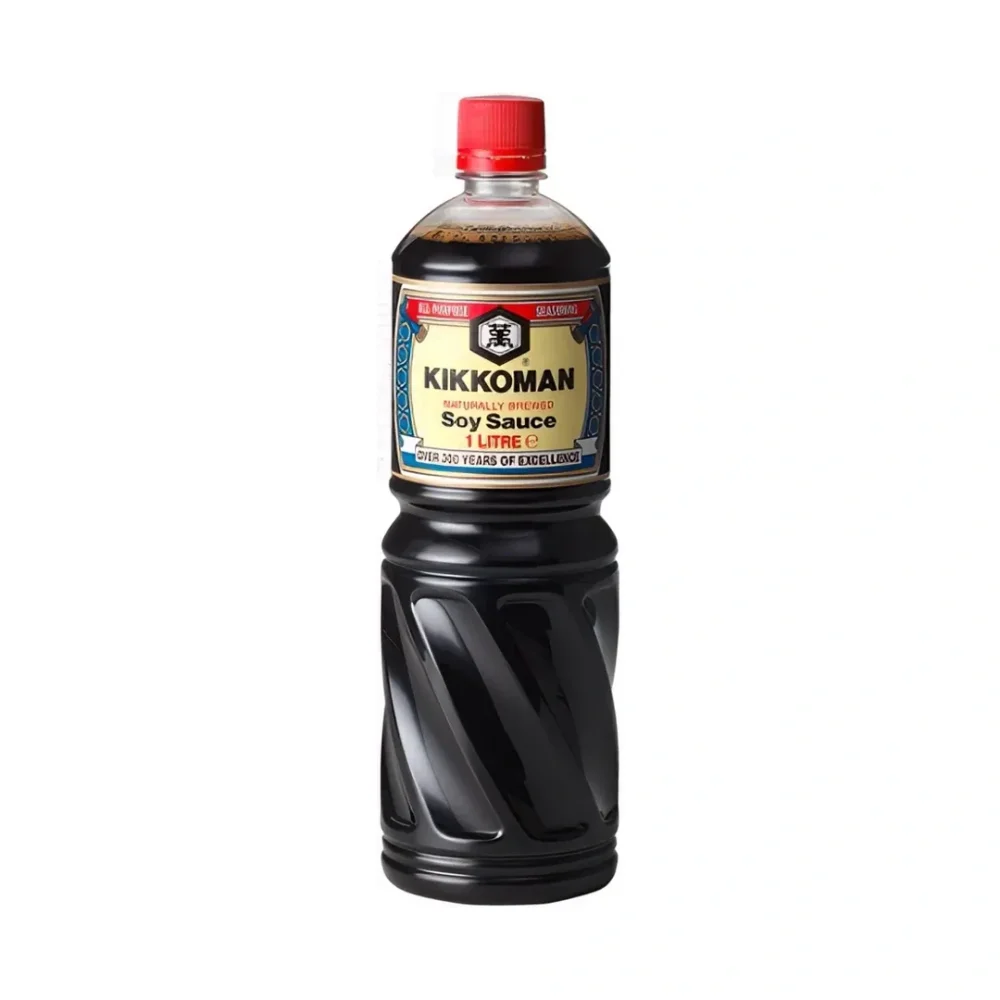
- Kikkoman soy sauce as a simple savory umami accent in the bowl or bites.
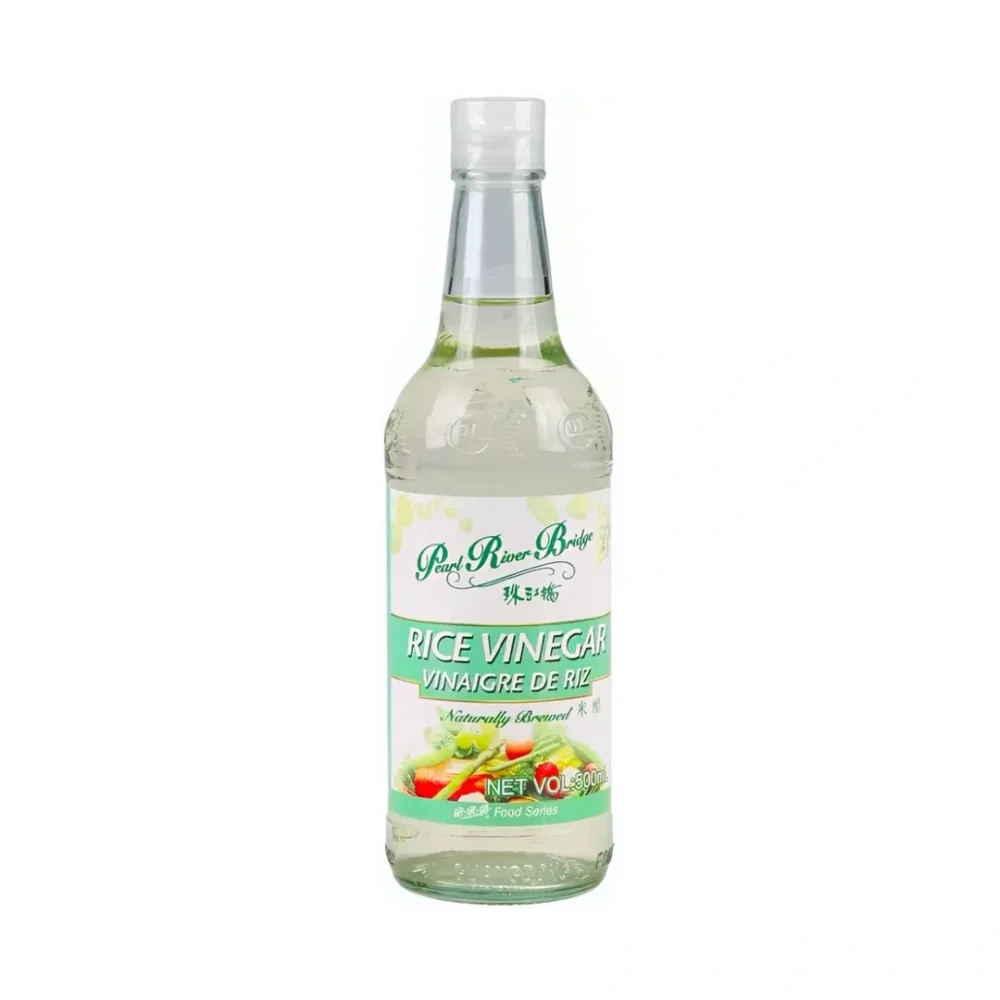
- P.R.B. rice vinegar for gentle acidity (good when the bowl needs "awakening" and you want acidity without unnecessary sharpness).
- Dek Som Boon chili oil as a strong finishing touch on noodles, rice, or soup (ideally start really drop by drop).
- Thai Dancer sweet pineapple chili sauce as a quick dip or dressing when you want a contrast of sweetness and spiciness (again, rather in a small dose so it doesn't overpower the base).
A strong example of "dip logic" is Vietnam, where table seasoning often centers on fish sauce (nước mắm) and the dip is created by balancing saltiness, acidity, light sweetness, spiciness, and aromatics. Crucially, the dip is not a supplement but the final flavor structure. Similarly, Korea reminds us that dip can be part of the entire dining style (for example, thick pastes like ssamjang work in small amounts but fundamentally change the bite).
4) What to get first (to get your Asian breakfasts rolling at home)
You don't need to buy "everything" at once. For a start, it's useful to have a stable base and a few small things that add flavor.
- Rice according to the style you want to eat: a good guide is sushi rice (for bowls that hold together) or basmati rice (for aromatic long-grain style).
- Seasoning for rice: if you want even a simple bowl of rice to be interesting without complicated cooking, the logic of small additions from the category rice pastes and spiceshelps.
- Plan B for days without time: some days you just want warm food without cooking; a practical solution can be ready meals, which you just complement with a fresh element and a small final seasoning.
Common mistakes and misunderstandings (and how to fix them quickly)
- "Light means boring." No. In Asian cuisines, the opposite often applies: lightness goes hand in hand with strong flavor. Flavor is cared for by small, concentrated accents and contrasts.
- Too much sauce. One of the most common mistakes: the bowl gets "drowned," loses texture, and starts to feel heavy. Fix: reduce the base sauce and add small final seasonings drop by drop.
- Too little freshness and acidity. Without fresh elements, acidity, or pickles, even good rice and broth feel flat. Fix: add a small contrast (acidity, herbs, a crunchy element).
- Wrong ratio of starch to the rest. A big pile of rice without additions easily leans toward a "heavy impression." Fix: reduce the base and add vegetables, toppings, and contrasting texture.
- Too many fried elements at once. One crunchy accent is great, but when everything is crunchy, balance disappears. Fix: keep only one pronounced element and build the rest on broth/porridge/rice and freshness.
- Confusing "cooking sauce" with table dip (or vice versa). When you use a cooking base as a dip, it tends to be excessively heavy; when you expect the table dip to cook the food "for you," it feels unfinished. Fix: the cooking base builds the dish’s body, the dip fine-tunes individual bites.
- Underestimating ingredient preparation. Uneven pieces cause some parts to remain raw and others overcooked; aromatics burn before it's done. Fix: cut evenly and prepare everything in advance.
What to take away from the article
- Asian breakfast is often neither sweet nor pastry-based: savory, warm, and filling bowls are common.
- The most common "bases" are rice, noodles, porridge (congee), soups, and pancakes – often eaten in street food style.
- The difference compared to Europe makes sense: different crops, a different relationship to warm food in the morning, a big role for small businesses, and the morning rhythm of cities.
- For a home start, it's better to build a bowl (base + protein + freshness + acidity + texture + final seasoning) than look for "one right recipe."
- The biggest mistakes are too much sauce, too little freshness, wrong ratio of rice/noodles to additions, and underestimating preparation.

Read next
If you want to explore this topic further, continue with these related blog guides and articles:
