


 Česky (CZK)
 Slovensky (EUR)
 Deutsch (EUR)
 Austria
 Belgium
 Bulgaria
 Croatia
 Denmark
 Estonia
 Finland
 France
 Germany
 Greece
 Hungary
 Italy
Italy Latvia
 Lithuania
 Luxembourg
 Netherlands
 Poland
 Portugal
 Romania
 Slovenia
 Spain
Spain Sweden










Japchae, ramen and other noodle dishes: why the same “noodle” doesn’t make the same bowl
Japchae is not “Korean ramen” and ramen is not just noodle soup. In Asian cuisines noodles are often not a side but the very core of the dish – they carry broth, sauce, dip and texture. In this guide you’ll clarify the main types of noodle dishes (from broth bowls to cold noodles), the differences between ramen/udon/soba and why japchae is built on a completely different logic than European “pasta with sauce.”
You may have experienced this: you buy “Asian noodles”, cook them similarly to spaghetti, add sauce… and the result is either overcooked mush or dry and disjointed. The problem often isn’t the recipe but that different noodle worlds work with completely different expectations: in some places a clear broth is key, in others the elasticity of a starch noodle, and elsewhere how the noodle holds texture after cooling.
Noodles as the core of the dish: texture, broth, sauce and proper pre-treatment
In Asian noodle dishes it’s typical that noodles are not just “something on the side.” In many dishes they carry the main portion of flavor and mouthfeel. So it pays to think about a few practical questions before you pick a particular package:
- What the noodles are made of (wheat, rice, buckwheat, starch blends…): this will affect elasticity, fragility and whether they should be boiled or rather just soaked.
- What texture they should have: some should be softer and “full,” others elastic with a noticeable “bite.”
- What cooking methods they tolerate: boiling, blanching, rinsing, quick pan-frying, or just soaking.
- What they are meant to carry: a light broth, a heartier broth, a thicker sauce, or be eaten almost dry with minimal liquid.
This is also why a “one-size-fits-all noodle” often doesn’t work – the difference between soup noodles and pan noodles is fundamental.
Four worlds of noodle dishes: how to recognize them at a glance
The quickest orientation isn’t by country but by what type of dish you are actually cooking. A large part of the differences can be understood through the relationship between the noodles and the liquid component (broth/sauce) and the way of serving.
Noodle soups and broth bowls
Here what matters most is the quality and character of the broth and how the noodles behave in it. The broth in a good bowl is usually clean-tasting and technically well-managed – the noodles must not disappear, but at the same time they should cooperate with the broth.
The broth can be built in different ways: from clear and delicate through heartier to spicy, seasoned or even cold and refreshing. For home cooking this means: choose noodles that will hold their shape in the broth and won’t seem “mushy.”
Stir-fried and wok noodle dishes
For pan dishes the most important thing is that the noodles tolerate tossing, contact with fat and short intense heat. At the same time a simple rule applies: noodles should accept the sauce, but must not swim in it. Too much sauce reliably ruins the texture, too little makes the result dry and “disjointed.”
Dry, tossed and dip-style noodles
This category includes dishes where noodles are eaten with minimal liquid, often with stronger seasoning and an emphasis on keeping the flavor on the surface of the noodle. It’s typical to work with a dip or a more concentrated dressing that everyone mixes to their liking.
Cold and seasonal noodles
Cold noodles are not a “makeshift summer version.” In many traditions they are a distinct style where it’s crucial that the noodles retain texture after cooling and the dish feels refreshing. You often encounter rinsing and attention to serving temperature (whether cold broth or cold sauce).
Ramen as a system (not just soup): what must fit together for the bowl to work
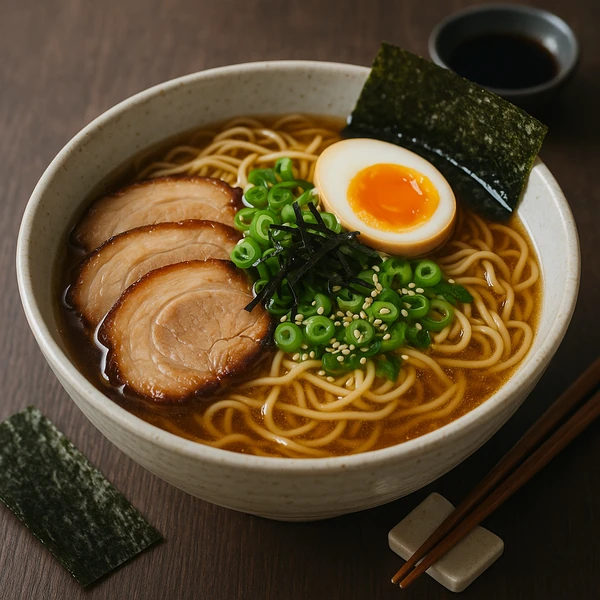
Ramen is originally a dish of Chinese origin that transformed into a separate culinary world in Japan. Practically it’s important to understand that ramen isn’t just “noodle soup,” but a combination of several supporting elements:
- broth (the foundation of the whole impression),
- tare or the base seasoning,
- noodle type,
- oil component,
- toppings.
In the Japanese context it also makes sense to apply a broader “washoku” logic: emphasis on purity of flavors, working with texture and trying to highlight the natural character of ingredients rather than overpower everything with a heavy sauce. In noodles this shows up for example in that even when ramen is bold, you can still tell the difference between broth, noodle and topping – it doesn’t blend into one uniform mass.
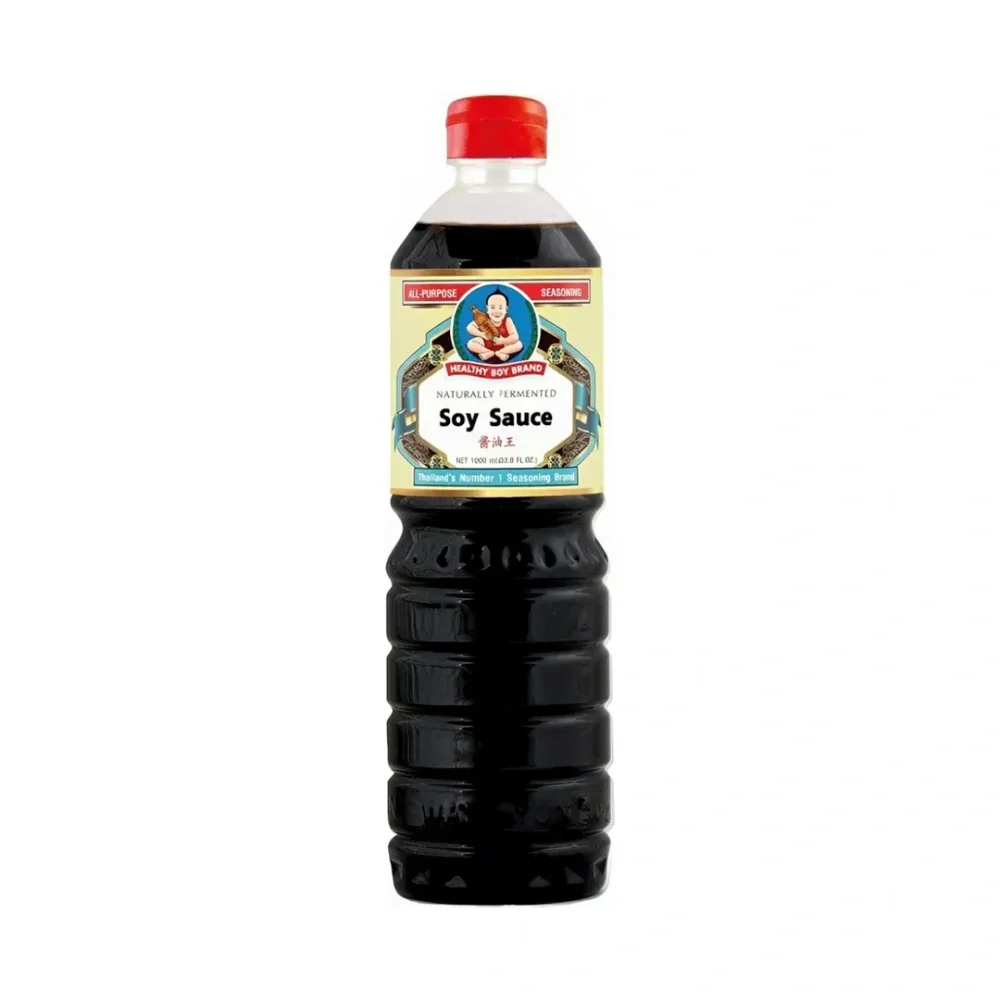
For seasoning you often rely on fermented bases. If you want one reliable “salty umami” anchor at home, it’s practical to reach for a milder Japanese-style soy sauce – for example Dek Som Boon Japanese-style soy sauce. In ramen and drier noodle preparations it often matters that a small amount is enough to round the flavor without overpowering the noodles.
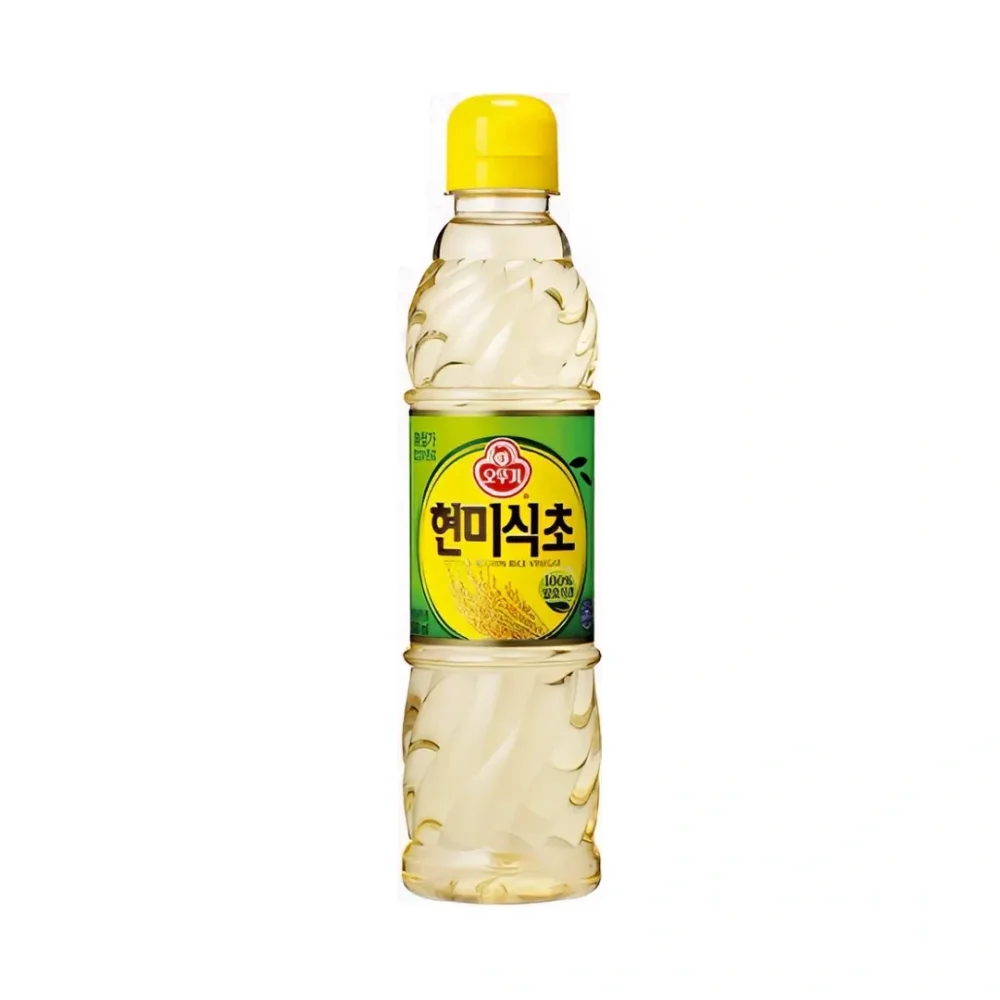
And when you need to add a gentle acidity to the dish that “lifts” the flavor without drowning it, rice vinegar typically works. Practically it’s useful not only for sushi rice but also in dressings and marinades for noodles – an example is Ottogi brown rice vinegar.
Udon and soba: two Japanese answers to the question “what noodles for broth and for cold”
Alongside ramen, udon and soba are essential in the Japanese noodle world – and both groups work differently than ramen.
Udon: thick wheat noodles for heartier bowls
Udon are thick wheat noodles with a mild flavor and a soft to elastic texture. Practically they work where you want a heartier impression and where the noodles should “lean” on the broth or sauce. They can also be eaten cold, so they’re not just a winter thing.
Soba: buckwheat flavor, simplicity and purity of service
Soba is based on a buckwheat flavor and often served in a style where seasonality, simplicity and purity matter. They can be hot or cold, with a dip or in broth. For soba it makes sense to check the composition: in practice it often matters how much buckwheat the noodles actually contain (and thus how they will taste and behave).
Korea: japchae and naengmyeon – two completely different noodle logics
Korean noodle dishes are a great example of how much the handling of noodles can differ even within one cuisine.
Japchae: sheen, elasticity and balance (not “pasta in sauce”)
Japchae is built on starch noodles, usually made from sweet potato, and on a stir-fry logic with several colors and textures. Importantly, it’s not a saucy dish in the European sense. Instead it focuses on:
- sheen (noodles should not be dull and dry),
- elasticity (starch noodles should “stretch,” not break),
- balance between noodles, vegetables and sesame-soy seasoning.
Practically this means: with japchae it’s easy to “overdo it” – if there’s too much liquid component, the characteristic texture is lost and the dish feels heavy.
Naengmyeon: cold noodles, icy broth and freshness
Naengmyeon shows that Korean noodle dishes are not only hot and strongly seasoned. They are cold noodles, historically connected with both winter and later summer dining. Important are the icy broth or sauce, elastic texture and overall freshness. If you expect “ramen-like soup just chilled,” you might be surprised: here temperature and clarity of impression take precedence.
What noodles are made of (and why it changes the result): wheat, rice, buckwheat, starch
For home orientation it’s often more useful than the marketing name to watch the base ingredient. That decisively influences whether the noodles belong in broth, in a pan or in a cold bowl.
- Wheat noodles: a huge family that includes ramen and udon among others. They can be thin and elastic (good for quick stir-fries or lighter soups), thicker and heartier (for richer broths) or smooth thin variants for cold dishes and dips.
- Rice noodles: typical for many Southeast and East Asian cuisines. Often used in soups like pho and in many other dishes where the result should be lighter and fresher.
- Buckwheat noodles (soba): more pronounced in flavor, with its own serving logic (hot or cold), often emphasizing simplicity.
- Starch and “glass” noodles: typical for dishes where you want elasticity, sheen and a different type of “bite” than with wheat and rice. This category includes the japchae logic.
With noodles it pays to read the label: the name on the front is indicative, but the character of the noodles is often determined by the ingredients. Practically watch the main ingredient, any eggs, the presence of an alkaline component in ramen noodles (often mentioned as kansui, which relates to the typical elasticity and “bite”) and also the recommended preparation method (boil vs soak, dried vs fresh vs pre-cooked/instant).
Practical start at home: how to choose noodles by dish (and how not to ruin them)
The most universal procedure is to first decide what type of bowl you want (broth / pan / cold / dry) and only then choose the noodle. Below are practical guidelines that save the most disappointment in a home kitchen.
You want a broth bowl
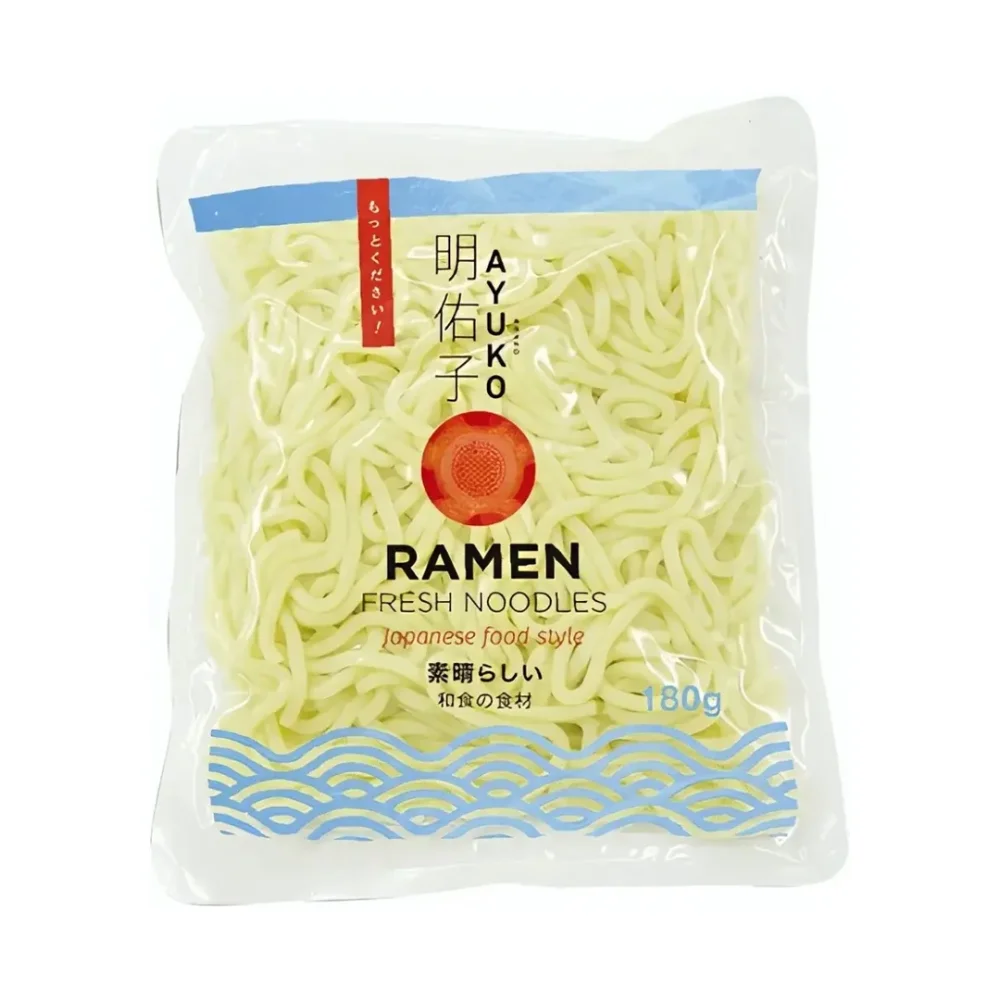
- Ramen: typically wheat, with elasticity given also by an alkaline component. Expect that they easily overcook and continue to soften in the broth, so a short cooking time and quick serving are important. If you want to go the fresh noodle route, a practical example is Ayuko fresh ramen noodles.
- Udon: good where you want a heartier impression and a more pronounced “body” of the noodle in the broth.
- Soba: great for more delicate Japanese broths and also for cold variants.
How much seasoning to add? With broth bowls it’s good to proceed cautiously: start with a smaller amount of the salty component and adjust by teaspoons. In gentler Japanese styles “less, but precise” often wins – overstated saltiness or sweetness quickly erases the difference between noodle and broth.
You want pan noodles (stir-fry / wok)
- Choose noodles that tolerate tossing and short intense heat (wheat wok noodles, wider rice noodles, in some preparations ramen, or glass noodles for a lighter and more elastic texture).
- Key rule: do not cook the noodles completely beforehand. They should finish cooking in the pan. If you overcook them in water first, they will easily fall apart or stick together in the pan.
- Use sauce sparingly: the goal is to coat the noodles, not drown them. If you feel dryness, it often helps more to add small amounts of liquid gradually than to pour everything at once.
You want cold noodles or a refreshing bowl
- Choose noodles that hold texture even after cooling (typically soba or some smooth wheat varieties; in the Korean naengmyeon world the logic is based on a springy texture and freshness).
- After cooking it's often sensible for noodles to rinse (depending on the specific type and recommendations), so they cool down and don't become sticky.
- Add acidity and salt gradually: flavors in cold dishes are often perceived more sharply, so it's easy to overdo it.
Quick umami “toppings” that help noodles
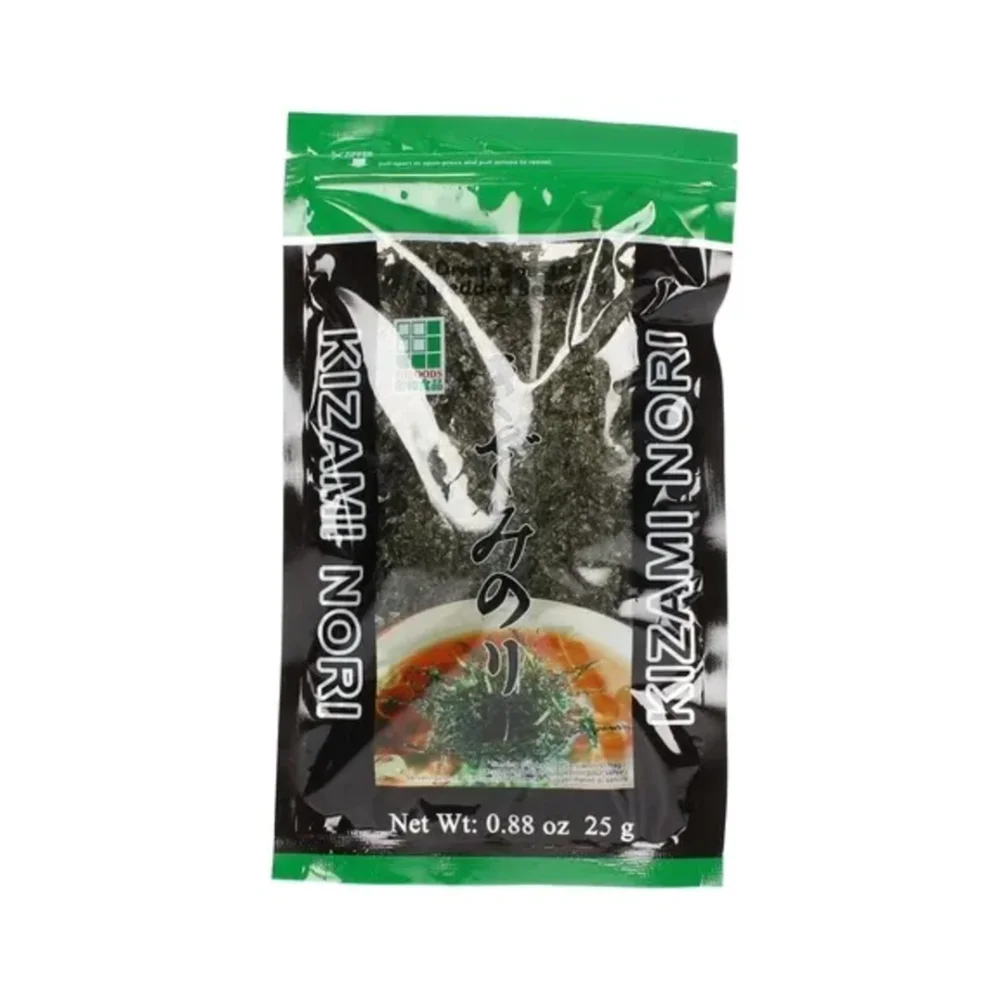
In Japanese bowls it's often surprising how much difference a small detail makes. For example, nori seaweed can add umami and aroma without weighing the dish down. A practical shortcut for home cooking is thin nori strips – for example JH foods Kizami Nori seaweed – which can be used as a ready sprinkle on ramen, udon and drier noodle bowls.
Most common mistakes and misunderstandings (and how to fix them quickly)
- “Ramen are just wheat noodles, like any other.” In practice ramen are distinguished by a typical springiness and “bite,” which is also related to the alkaline component (kansui). That's why they also overcook easily and continue to soften in the broth.
- Too much sauce in the pan. In wok and dry dishes the sauce shouldn't drown the noodles. When there's too much sauce the texture breaks down and the dish feels heavy. Solution: add liquid gradually and ensure the noodles are mostly coated.
- Japchae as “pasta in sauce.” Japchae is built on shine, springiness and balance – not on a thick sauce. If you try to make it like European pasta you lose the characteristic starch noodle texture.
- Cold noodles without work on texture. Cold noodles are not just about cooking and letting them cool. It's often important to chill them quickly and (depending on the type) rinse them so they retain texture and don't feel sticky.
- Replacing Japanese seasonings with “just sugar.” In Japanese cuisine seasonings play a role that brings not only sweetness but also rounding and a more “finished” impression (typically mirin). Sugar can sweeten, but it doesn't always do the same job in a sauce or glaze.
- Relying on noodles “looking gluten-free.” In gluten-free cooking composition and labeling matter, not appearance. Some types may contain wheat admixture even where you don't expect it.
What to take away from the article
- Asian noodle dishes are worth understanding as different families: broth bowls, pan dishes, dry/dipped noodles and cold seasonal styles.
- For noodles it's not only the shape that matters but mainly the ingredient, texture and whether they are meant to carry broth or sauce.
- Ramen is a “system”: broth + seasoning (tare) + noodles + oil + toppings. Noodles overcook easily and continue to soften in the broth.
- Japchae is not a saucy dish like European pasta – key elements are shine, springiness and balance between noodles and vegetables.
- Cold noodles (including the naengmyeon logic) rely on texture, temperature and freshness – this is where mistakes in pre-preparation show most.

Read next
If you want to explore this topic further, continue with these related blog guides and articles:
