


 Česky (CZK)
 Slovensky (EUR)
 Deutsch (EUR)
 Austria
 Belgium
 Bulgaria
 Croatia
 Denmark
 Estonia
 Finland
 France
 Germany
 Greece
 Hungary
 Italy
Italy Latvia
 Lithuania
 Luxembourg
 Netherlands
 Poland
 Portugal
 Romania
 Slovenia
 Spain
Spain Sweden










Asian noodle dishes: basic types and how to quickly navigate them
Noodle dishes in Asia are not "one soup" nor "noodles in a pan." They are entire families of dishes where the type of noodles, handling of broth or sauce, cooking method, and whether it is a quick street food, a hearty bowl, or a light cold dish differ. Once you understand a few basic differences, it will be much easier to pick the right noodles and the right preparation style.
🌶️ Noodles as the centerpiece of the dish: what is typical for Asian noodle dishes
The most important difference compared to many European habits is simple: in many Asian dishes, noodles are not a side dish but the “carrier” of the entire meal. They carry the broth, sauce, dip, and especially the texture – how the food behaves in the mouth (elasticity, slipperiness, tenderness, “bite”).
Therefore, it is worth thinking about a noodle dish through several practical questions:
- What the noodles are made of (wheat, rice, buckwheat, starch…)?
- What texture they should have – elastic and "crispy" to the bite, or softer and denser?
- How they are prepared – boiled, just blanched, rinsed, soaked, or finished in a wok?
- What they should carry – light broth, dense sauce, or eaten almost dry with a dip?
Asian noodle dishes are characterized by great diversity, strong regional ties, and emphasis on quick service – and this applies even to the part of the noodle world associated with street food culture. It is also important that "noodles for soup" and "noodles for the pan" behave differently: some must withstand hot broth, others tolerate intense mixing with fat and sauce.
The four main worlds of Asian noodle dishes (and how to recognize them at first glance)
Practical orientation is surprisingly easy when you divide noodle dishes according to what role the liquid component plays (broth/sauce) and how the noodles are handled. The following four groups cover most of what you will most often encounter at home.
1) Noodle soups and broth bowls
In this group, the focus is on broth. The noodles must withstand contact with hot liquid and at the same time they must not “disappear” in it. The broth can be clear and delicate, thick and collagen-rich, coconut, spicy and seasoned, slightly sour – or even cold and refreshing (this touches on the fourth world below).
Wheat noodles of the type ramen or udonare often used in broths; lighter Japanese broths also feature soba. Southeast Asian soups typically use rice noodles (e.g. for pho and bun). The purpose is always the same: the noodles must hold their shape and the texture must match the character of the broth.
2) Stir-fried and wok noodle dishes
Here the main difference is that the noodles are not “in liquid” but are cooked in a pan and the sauce is rather a film that coats the noodles and connects them with other ingredients. For wok cooking, it is essential that the noodles are not overcooked before being put into the pan – otherwise they easily break, stick, or turn mushy when mixed.
Typical are wheat wok noodles, wider rice noodles, sometimes even drier ramen noodle preparations. This family also includes dishes people often know by names like Pad Thai, Chow Mein or Mee Goreng – the commonality is that texture and handling of the sauce matter more than “how much sauce is there.”
3) Dry, mixed, and dipped noodles
“Dry” does not mean tasteless. It means the noodles are not drowned in broth and often not even in sauce in the European sense. Instead, they are mixed with concentrated seasoning or eaten with a dip. The texture here is usually more sensitive: if you add too much liquid, the typical “bite” is lost and the whole dish becomes heavy.
A practical tip: when you want dry noodles, think of the sauce as “liquid spice,” not as a sauce for stewing. It is better to start with a small amount and add gradually.
4) Cold and seasonal noodles
Cold noodle dishes are not just “noodles from the fridge.” Often, it's a thoughtful style that emphasizes freshness, clean flavors, and firm texture even after chilling. Typical are thin smooth noodles that can be well rinsed and kept elastic.
A specific and very illustrative example is Korea: naengmyeon are cold noodles where an icy broth or sauce, elastic texture, and refreshing character are important. This type of dish also demonstrates that “noodles = hot soup” is an unnecessarily narrow idea.
What noodles can be made of (and why it changes broth, sauce, and texture)
One of the most common paths to a good result is not to choose noodles just by name, but by how they should behave in the dish.
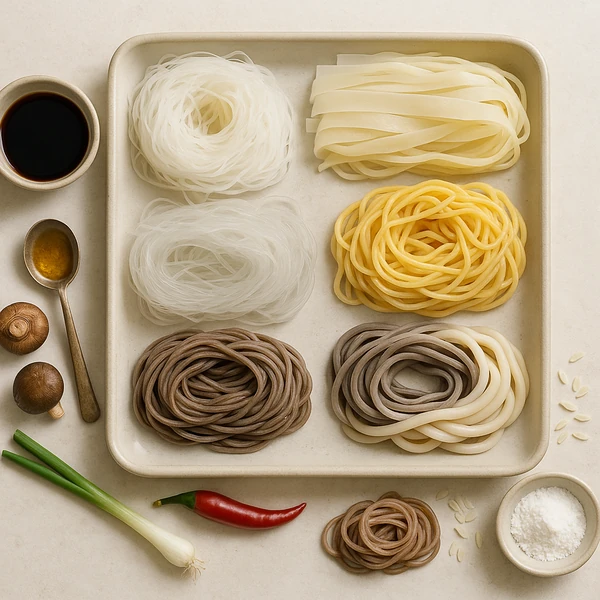
Wheat noodles: from ramen to udon
Wheat noodles are a wide family – they can be thin or thick, smooth or wavy, delicate or distinctly elastic. For home orientation, it is useful to know at least two poles:
- Ramen noodles are wheat and their typical elasticity and slightly “crispy” bite are related to an alkaline component called kansui. This is one reason why ramen behaves differently than common soft wheat noodles. At the same time, a practical warning applies: ramen cooks easily over and softens further in broth – cooking times are usually very short.
- Udon are thick wheat noodles with a denser, fuller texture. They suit where you want “support” in broth or a heartier bowl.
Rice noodles: versatility from soups to wok
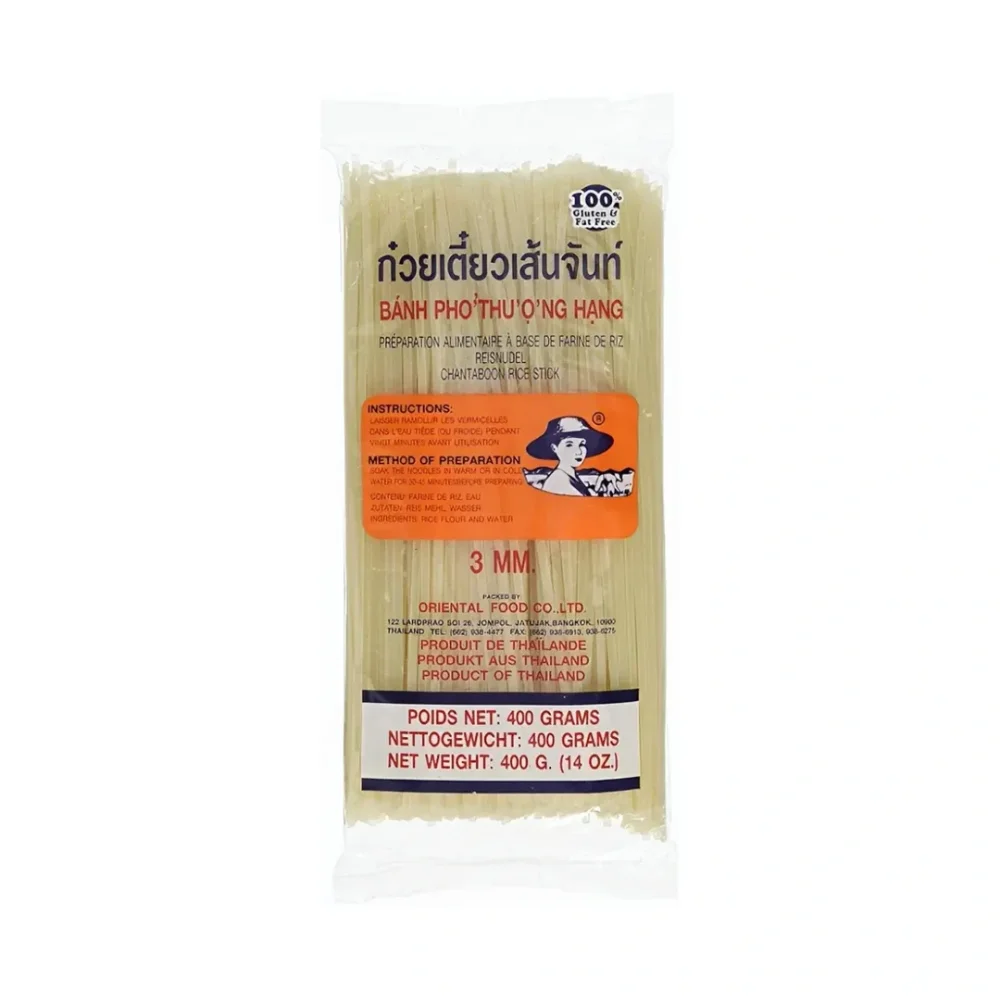
Rice noodles are based on rice flour or rice starch (sometimes mixed with other starches for better texture). In practice, the biggest issues are width and thickness: thin ones behave differently than wider sheets. For home cooking, it's useful to have one universal type on hand that can handle both soups and quick stir-frying – for example, Farmer Brand rice noodles 3 mm, which have medium width and can be used in multiple ways.
Buckwheat, starch, and "glass" noodles: when you want a different bite
They are mentioned in lighter Japanese broths soba (buckwheat noodles). Next to them are starch and "glass" noodles: they are often elastic and light, and in some clear soups they work well precisely because they don't feel heavy.
From Korea, worth mentioning is japchae – a dish based on starch noodles (most often made from sweet potatoes) and stir-fry logic with multiple colors and textures. The important factor is not the "European" impression of the sauce, but the gloss, elasticity and the balance of noodles with vegetables and sesame-soy seasoning.
Broth vs sauce: what mostly determines the character of the bowl
In noodle dishes, two things often decide: type of noodles and the way they are coated with a liquid component.
When the base is broth
Broth dishes rely on the broth being technically mastered and flavor-wise clean. The noodles must not disappear, but at the same time, the broth must "carry" the flavor of the bowl. If the broth is too aggressive, the noodles (and their texture) are lost; if the broth is bland, the noodles feel without context.
When the base is sauce (or seasoning)
In wok and dry dishes, it's key that the noodles absorb the sauce but don't drown in it. There is a simple rule which is often a more common cause of failure than the wrong type of noodles:
- Too much sauce destroys the texture (noodles soften, stick together, and the dish is "heavy").
- Too little sauce makes the dish dry and unconnected (the flavor is island-like, the noodles "just are").
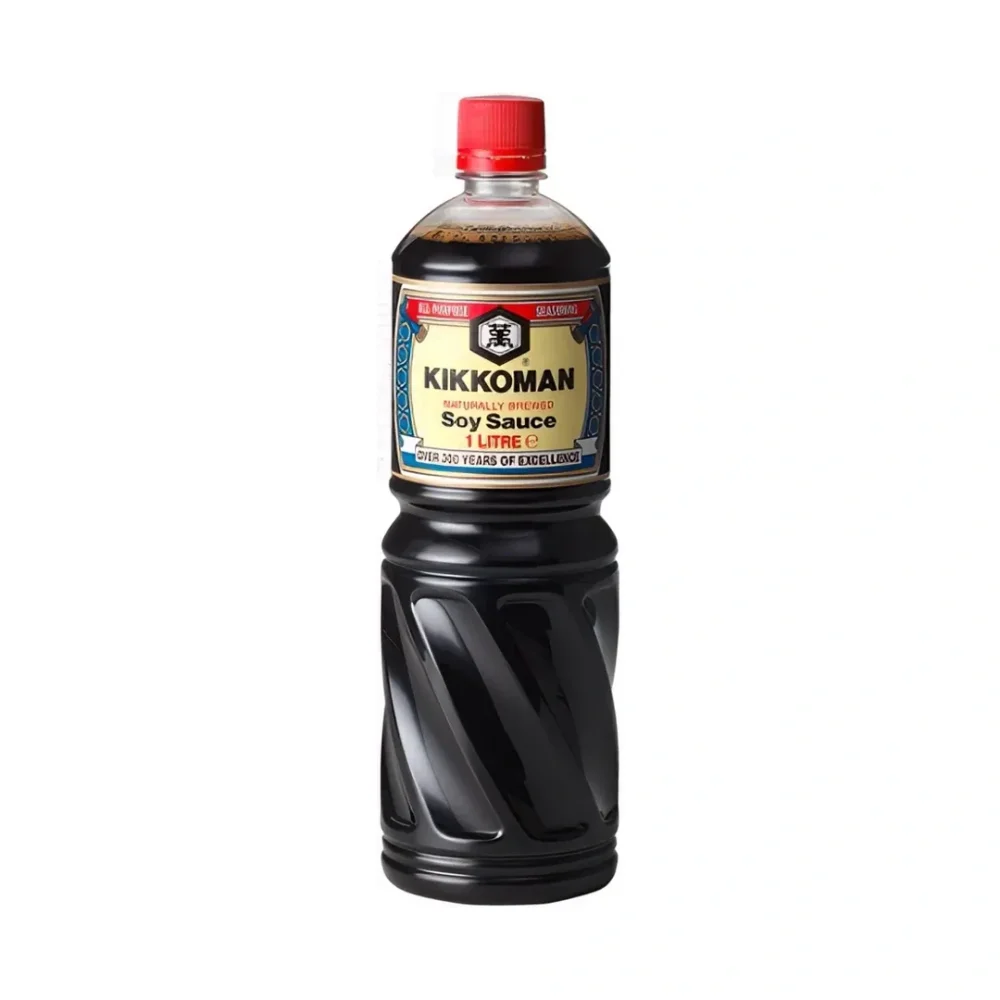
As a universal basic seasoning for home cooking, soy sauce is often used – but it is important to choose based on function, not on the impression of "what is the strongest flavor." If you want one practical bottle for everyday use in marinades, sauces, and stir-fry, it can make sense to choose Kikkoman soy sauce.
How to start at home: quick onboarding by situation (and what to watch for to succeed)
If you're just getting familiar with noodles, the fastest way isn't "to find the right noodles," but to choose the right type of dish. Only then does the choice of noodles truly make sense.
Step 1: Choose the “world” of the dish based on taste and time
- I want warmth and liquid: broth bowl / noodle soup.
- I want quick, bold, and "pan" style: wok / stir-fry noodles.
- I want something concentrated, eaten almost dry: dry or mixed noodles.
- It's hot and I want freshness: cold noodles.
Step 2: Choose noodles based on what they must withstand
- For soup choose noodles that maintain their shape even after contact with hot broth. Suitable examples include ramen, udon, soba for lighter Japanese broths, rice noodles for pho/bun, and some glass noodles for lighter clear soups.
- For wok you need noodles that can handle mixing, contact with fat and sauce, and short intense heat. Wheat wok noodles, wider rice noodles, some ramen noodles for drier preparations, or glass noodles for a lighter elastic texture work well.
- For cold dishes noodles that keep their texture even after cooling – and that you can quickly cool and rinse after cooking without falling apart – are suitable.
Step 3: Maintain texture – the three most practical tricks
- Don't overcook noodles. For some types (typically ramen), the time is short and noodles also soften after draining – especially when they go directly into hot broth.
- Separate "cook" and "finish." Noodles often go into the wok just briefly preheated or al dente, so they finish their last minutes in the pan and don't fall apart during mixing.
- Add liquid gradually. For saucy and dry dishes, it's better to add sauce in small amounts and mix continuously than to start with a large amount and hope it "absorbs."
Step 4: Seasoning for first attempts (without complicated preparation)
In home cooking, it often helps to have two things handy: a stable salty/umami component and a quick flavor "kick." The combination of soy sauce and ready-made chili sauce can create a clear base for quick noodles and for dips.
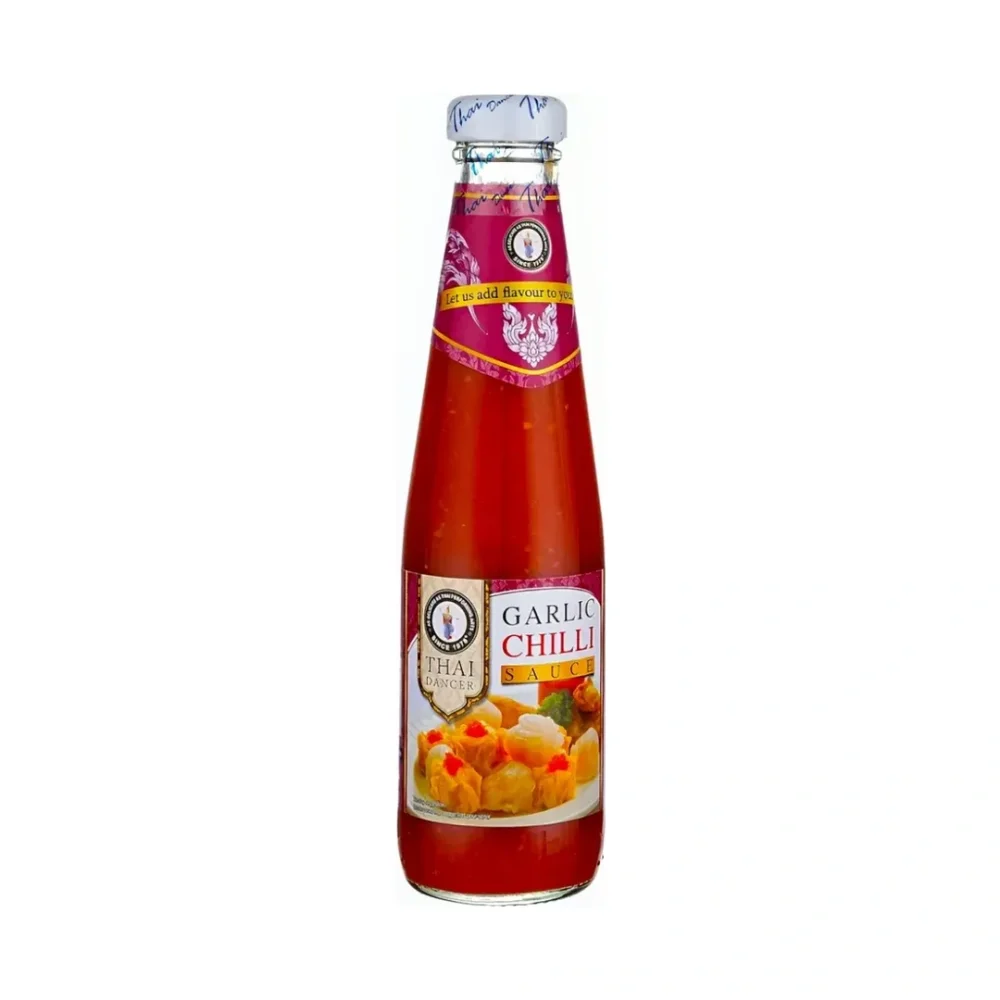
If you want simple seasoning without lengthy cooking, you can use, for example, Thai Dancer garlic chili sauce – in small amounts as a dip or as a quick "finish" on a bowl. The key is to follow the principle: rather start with little and add more than ruin texture with too much liquid.
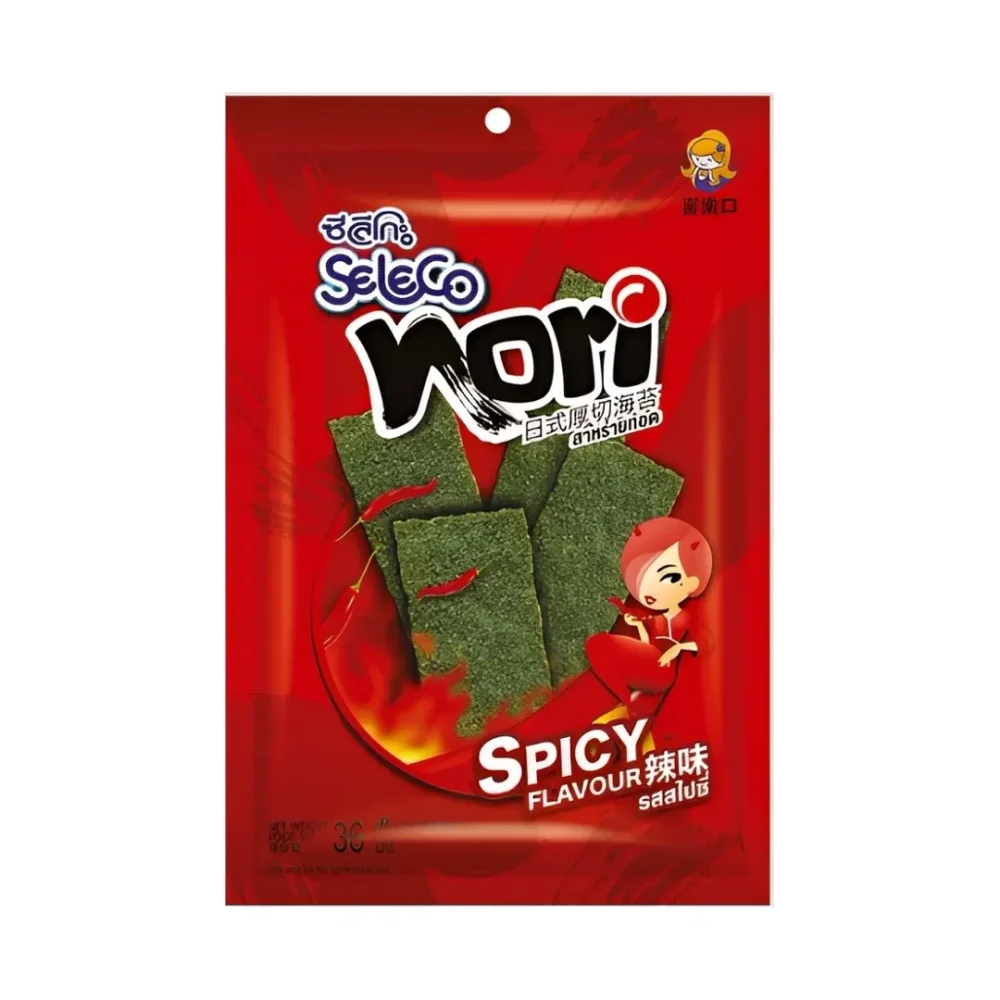
And because noodle bowls rely a lot on contrast, it makes sense to also think about a simple topping. A crispy layer can be made, for example, by seasoned spicy seaweed Seleco – as a quick addition to noodles or soup (add at the end so it stays crispy).
Common mistakes and how to fix them quickly
1) "They are all the same noodles"
The most common mistake is expecting one type of noodle to fit soup, wok, and cold salad. Sometimes it "somehow" works, but the typical texture is lost. Fix: go back to the question of what the noodles need to carry (broth vs sauce vs dip) and what heat they must withstand.
2) Overcooking and breaking down in broth
Typically with noodles that cook briefly and then stand in heat (e.g., ramen), the texture breaks surprisingly fast. Fix: shorten the time, serve noodles immediately, and expect that they will continue to soften in the broth.
3) Watery wok noodles
Wok noodles often turn out bad not because the "sauce is bad," but because there is too much – or it's added all at once. Fix: dose the sauce in small amounts, mix, let it evaporate briefly, and aim for the sauce to just coat the noodles.
4) Clumping and "one mass"
When noodles stick together, the dish loses lightness and flavor clarity. The fix is more of a process than an "ingredient" one: do not overcook, do not let noodles stand still long after draining, and for wok dishes add them to the pan when the environment (fat, aromatics, seasoning base) is ready.
5) Confusing street food with "food to go"
With noodle dishes, it is clearly seen: many typical street food dishes are bowls and soups, not necessarily food eaten while walking. Fix: think of street food as a style – quick finish, specialization, clear flavor, emphasis on sauces/dips and contrast of textures – not as a "sandwich" format.
What to take away from the article
- Asian noodle dishes make the most sense when you understand them as families of dishes: broth bowls, wok noodles, dry/dipped noodles, and cold seasonal noodles.
- The type of noodle is not a detail – it determines texture and whether the dish works in broth, in sauce, or dry.
- For broths, quality and technique are decisive; for sauces, the key is not to drown the noodles and to add liquid gradually.
- The most common home problem is not "lack of exotic ingredients," but a bad choice of noodles for the type of dish and ruined texture (overcooking, too much sauce, clumping).

Read next
If you want to explore this topic further, continue with these related blog guides and articles:
