

 Česky (CZK)
 Slovensky (EUR)
 Deutsch (EUR)
 Austria
 Belgium
 Bulgaria
 Croatia
 Denmark
 Estonia
 Finland
 France
 Germany
 Greece
 Hungary
 Italy
Italy Latvia
 Lithuania
 Luxembourg
 Netherlands
 Poland
 Portugal
 Romania
 Slovenia
 Spain
Spain Sweden










Orient Grill Seasoning: the spice blend that gives barbecue an exotic edge
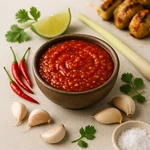
🌶️ What “Orient” grill seasoning is (and why it works on the grill)
“Orient” on a spice mix usually signals a warm, layered aroma inspired by cuisines stretching from the Eastern Mediterranean and the Middle East to parts of Asia. It’s a broad label rather than one strict regional recipe, but the goal is consistent: create an unmistakably fragrant, slightly exotic profile that still plays well with smoke and char.
Unlike delicate herb blends that can fade or burn, grill-focused mixes are typically built to handle heat. They’re designed to:
- Hold on to food (especially with a little oil)
- Develop aroma fast once they hit the hot grate
- Stay tasty after browning, giving you a flavorful crust rather than a flat surface seasoning
🧭 Flavor profile: what to expect
Orient-style grill seasoning tends to sit in the “warming” spectrum rather than sharp heat. Think spicy-fragrant more than “hot.” Depending on the blend, you’ll often notice:
- Warm spice notes (the kind that smell toasted when heated)
- Gentle sweetness that balances char
- Light chili warmth that can be increased if you like it hotter
This is exactly why it’s so versatile: it supports richer foods like chicken thighs, lamb, or oily fish, but it also makes vegetables taste fuller and more “complete.”
🔥 How to use it: three reliable methods
1) Quick dry rub (fast and clean)
For everyday grilling, a dry rub is the simplest route.
- Pat the ingredient dry.
- Lightly coat with oil (or brush the grill-safe vegetable with oil).
- Season generously and rest 10–20 minutes while you heat the grill.
Practical guide: start with about 2–3 tsp per 500 g of meat/veg, then adjust next time based on intensity and saltiness of your specific blend.
2) Fast marinade (more depth, still easy)
Mix the seasoning with:
- Oil (carrier for aroma)
- Something acidic (lemon/lime juice or a mild vinegar)
- Optional umami (a splash of soy sauce works well)
Marinate 20–60 minutes for fish and vegetables; 1–4 hours for chicken; longer for bigger cuts if your marinade isn’t very acidic.
3) Finish-seasoning (best for delicate foods)
For shrimp, tender fish fillets, or quick-cooking vegetables like zucchini, it can be smarter to keep the surface clean during grilling and season at the end. Stir a pinch into melted butter or warm oil and brush it on right before serving for a fresher aroma.
🍢 What to grill with it: easy pairings
Meat
- Chicken thighs and wings: the fat carries the spice beautifully.
- Lamb: especially good with a squeeze of lemon after grilling.
- Pork skewers: great when finished with something tangy.
Fish & seafood
- Salmon: season lightly, grill hot and quick, finish with citrus.
- Shrimp: use a short marinade and high heat; don’t overcook.
Vegetables & plant-based
- Eggplant, peppers, onions: ideal for kebabs and grill baskets.
- Tofu: press first, then rub and grill until crisp-edged.
🧩 Building an “Asian-style” finish: heat, acid, freshness
Orient seasoning becomes even more interesting when you add one contrasting element. A simple framework:
- Heat 🌶️: add a little chili paste to the marinade or serve it on the side.
- Acid 🍋: lemon or lime right before serving “lifts” the spice aroma.
- Freshness 🌿: chopped cilantro, mint, or spring onion helps balance warm spices.
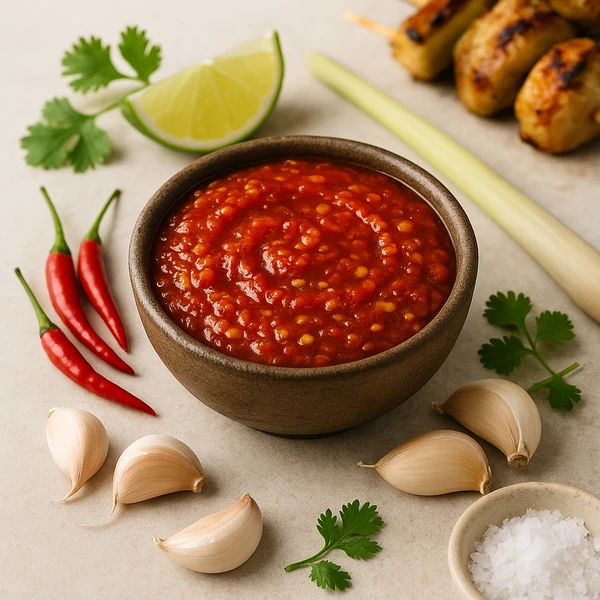
If you want a clean, direct chili kick without changing the flavor too much, Sambal Oelek is a classic option. A small spoonful turns a mild marinade into a bolder, street-food-style glaze.
✅ Choosing and handling the blend: what to watch for
- Check salt levels 🧂: some blends are already salty. Season, grill, then adjust—especially if you also use soy sauce.
- Mind sugar content: blends with more sugar brown faster. Use slightly lower heat or finish over indirect heat to avoid scorching.
- Smell matters: spice mixes should smell vivid and aromatic. If it smells dusty or flat, it’s likely old.
💡 Common mistakes (and how to avoid them)
- Burning the rub: sear quickly, then move thicker pieces to gentler heat to finish.
- Over-marinating fish: too long in acid can make the texture mushy—keep it short.
- Under-oiling vegetables: a little oil helps the seasoning stick and prevents dry patches.
🧊 Storage tips
Keep the seasoning tightly closed in a cool, dark place. Avoid storing it next to the grill or stovetop where heat and steam speed up aroma loss. If your blend clumps, it has likely absorbed moisture—break it up, but also check that it still smells fresh.
🥣 A quick serving idea: 2-minute spicy yogurt dip
Serve this with skewers and grilled veg.
- 4 tbsp thick yogurt (or mayo for a richer version)
- 1–2 tsp Orient grill seasoning
- 1 tsp lemon or lime juice
- Optional: 1/2 tsp Sambal Oelek (to taste)
Mix and rest for 5 minutes. The dip gets more aromatic as it sits.
Our picks
- Royal Orient Chilli paste Sambal Oelek 200 g – ideal if you use chili occasionally.
- Royal Orient Chilli paste Sambal Oelek 360 g – a practical size for frequent grilling.
- Royal Orient Chilli paste Sambal Oelek 720 g – great for bigger households and summer BBQ season.
FAQ
Is “Orient” grill seasoning supposed to be spicy?
Usually it’s more aromatic than hot. If you want real heat, add chili paste (like Sambal Oelek) or fresh chili.
Can I use it beyond grilling?
Yes—try it for oven-roasted vegetables, pan-seared tofu, or to season fries and roasted chickpeas.
Should I add salt separately?
Only after tasting. Some blends already include salt, and adding soy sauce in a marinade increases saltiness further.

Recommended products1
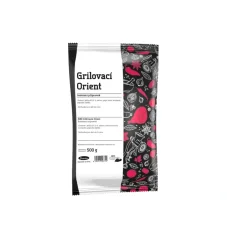
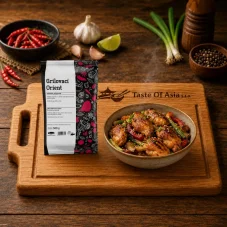
Drana Grill Orient 500 g
Read next
If you want to continue with the same topic, here are more related articles to explore: