

 Česky (CZK)
 Slovensky (EUR)
 Deutsch (EUR)
 Austria
 Belgium
 Bulgaria
 Croatia
 Denmark
 Estonia
 Finland
 France
 Germany
 Greece
 Hungary
 Italy
Italy Latvia
 Lithuania
 Luxembourg
 Netherlands
 Poland
 Portugal
 Romania
 Slovenia
 Spain
Spain Sweden










Mexiko Grill Seasoning: How to Get the Most Out of It on the BBQ and in Fast Weeknight Cooking
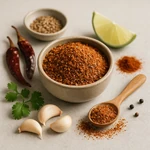
🌶️ What “Mexiko” grill seasoning usually is (and why it’s so useful)
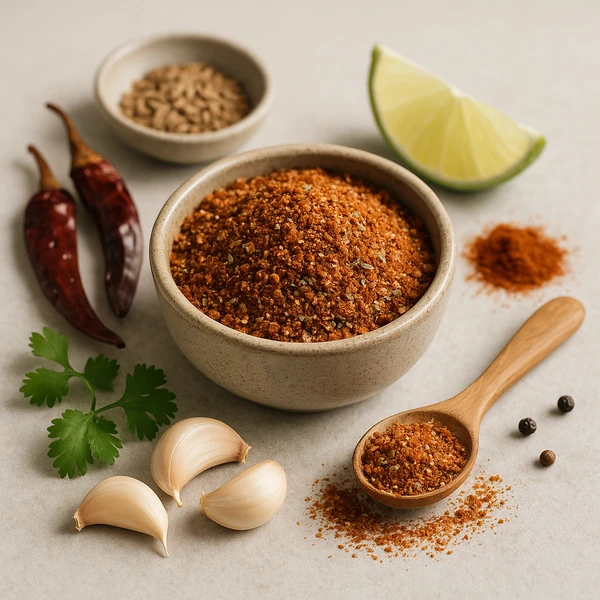
In many European kitchens, “Mexiko” grill seasoning refers to a ready-made spice blend inspired by Mexican and broader Latin American BBQ flavours: chilli warmth, paprika-like sweetness, herbal notes, and a savoury backbone that makes grilled food smell irresistible.
The big advantage is speed and consistency. Instead of measuring cumin, garlic, herbs, and chilli separately, you get a balanced mix you can apply in seconds—on a grill, in a pan, in the oven, or even for quick rice and noodle bowls.
Note: every brand is different. Some blends are salt-free and purely aromatic; others include salt, sugar, or smoke flavour. The tips below help you adapt either way.
👃 Flavour profile: what to expect
Most Mexiko blends taste spicy (but not always hot), smoky-savoury, and slightly herbal. When heated, the aroma “blooms” fast, which is why it can make simple ingredients taste like proper BBQ.
You control the intensity with (1) how much you use, (2) whether you apply it dry or with fat (oil, butter), and (3) whether you add acidity (lime, lemon, vinegar, yogurt) to sharpen and lift the spices.
🔥 Two core techniques: dry rub vs. marinade
1) Dry rub (fastest, most “grill-like”)
A dry rub is simply seasoning rubbed directly onto the surface. It’s ideal when you want a punchy crust.
- How much: start with 1–1½ tsp per 200 g (7 oz) of protein or vegetables, then adjust.
- Best method: pat the ingredient dry, lightly oil it, then massage the seasoning in evenly.
- Rest time: 10–30 minutes is enough for most items. Longer is fine for chicken and pork.
Great for: chicken thighs/wings, pork neck steaks, shrimp, firm fish, tofu/tempeh, eggplant, mushrooms, corn, and sweet potatoes.
2) Marinade (juicier, more forgiving)
Marinades smooth out sharp edges and help seasoning cling evenly—especially on lean meat and vegetables.
Simple base ratio:
- 2 tbsp oil
- 1–2 tsp Mexiko seasoning
- 1 tbsp lime/lemon juice or mild vinegar 🍋
- Optional: 1 tsp honey or sugar for balance (especially for pork and chicken)
Marinating times:
- Chicken: 30 minutes to overnight
- Pork: 30 minutes to 8 hours
- Fish/shrimp: 10–20 minutes (don’t overdo it)
- Tofu: 30 minutes to 4 hours
- Vegetables: 15–45 minutes
🍳 Beyond the grill: weeknight uses that actually work
Despite the name, grill blends are often even more practical in everyday cooking because they deliver a “cooked-out”, BBQ-ish flavour without needing long simmering.
Sheet-pan vegetables
Toss cauliflower florets, bell pepper, zucchini, onions, or potatoes with oil + seasoning. Roast at 200–220 °C (400–425 °F) until browned. Finish with lime and a pinch of salt only if needed.
Skillet “taco-style” mince or crumbled tofu
Brown minced meat (or crumble tofu and pan-fry until drier), then add seasoning plus a splash of water to dissolve the spices into a quick coating. Great for wraps, rice bowls, or salads.
Fast fries, wedges, and crispy chickpeas
Mexiko seasoning loves starchy things. Season after roasting if your blend contains sugar (to avoid burning), or mix into oil before cooking if it’s mostly spices and herbs.
🥣 Why it also shines in Asian-leaning “fusion” cooking
Mexiko-style blends are built around chilli, warm spices, and aromatic herbs—elements that pair easily with Asian favourites such as soy sauce, sesame oil, rice vinegar, ginger, garlic, and chilli sauces. The result is not “authentic Mexican” or “authentic Asian”—it’s simply a very effective flavour combination for modern home cooking.
Try it like this:
- Rice bowls: season chicken or tofu with Mexiko rub, then finish with lime + a drizzle of soy-sesame dressing.
- Stir-fry shortcut: a pinch of seasoning in the pan before adding noodles can create a grilled, smoky baseline flavour.
- Dips and sauces: mix into mayo or yogurt with lime; or stir into a tomato-based sauce for a quick spicy BBQ vibe.
🧂 How to choose and dose smartly (what to check on the label)
- Salt content: if salt is high on the ingredient list, reduce extra salting until the end.
- Sugar content: sugar browns fast. On very hot grills, add the blend later or cook over indirect heat to prevent bitter burning.
- Heat level: “Mexiko” can range from mild to hot. Start small; you can always add more at serving.
- Allergens: some blends include mustard, celery, or additives—important if you cook for guests.
Common mistakes (and easy fixes)
- Burnt spice crust: avoid direct high heat for too long. Use two-zone grilling: sear briefly, then finish over indirect heat.
- Dusty, uneven flavour: oil the surface first (or use a thin marinade) so spices stick evenly.
- Too salty: if your blend contains salt, treat it like a complete seasoning and adjust only at the end.
- Over-marinating seafood: keep shrimp and fish short (10–20 minutes) so texture stays clean.
⏱️ Quick idea: 15-minute Mexiko-lime tofu bowl
- Press firm tofu briefly, cube it, and pat dry.
- Pan-fry in oil until edges crisp.
- Add 1–2 tsp Mexiko seasoning and toss for 20–30 seconds to bloom the spices.
- Finish with lime juice and a small splash of soy sauce (optional).
- Serve over rice with sliced cucumber, spring onion, and a creamy yogurt/mayo dip.
Our picks (pantry add-ons that pair well)
- Lime or lemon juice for brightness and balance
- Sesame oil for a nutty fusion finish
- A chilli sauce to adjust heat at the table without over-seasoning the whole dish
Related categories to explore
- Chilli sauces and spicy condiments
- BBQ rubs and grill marinades
- Seasonings for rice and noodle bowls
FAQ
Is Mexiko grill seasoning very spicy?
It depends on the blend. Many are more aromatic than fiery. Start with a small amount, then increase or add chilli sauce at the end.
Can I use it on vegetables only?
Absolutely. It’s excellent on corn, mushrooms, cauliflower, sweet potatoes, and zucchini—especially with a little oil and a squeeze of citrus.
Should I use it as a rub or a marinade?
Use a rub for a bold crust and fast cooking. Use a marinade when you want juiciness, gentler heat, and more even coverage.
How should I store it?
Keep it airtight, dry, and away from light and heat. For best aroma, use within 6–12 months after opening (sooner if it smells flat).

Recommended products1
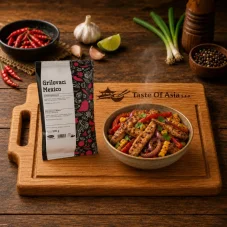
Drana Grill Mexico 500 g
Read next
If you want to continue with the same topic, here are more related articles to explore: