Česky (CZK)
 Slovensky (EUR)
 Deutsch (EUR)
 Austria
 Belgium
 Bulgaria
 Croatia
 Denmark
 Estonia
 Finland
 France
 Germany
 Greece
 Hungary
 Italy
Italy Latvia
 Lithuania
 Luxembourg
 Netherlands
 Poland
 Portugal
 Romania
 Slovenia
 Spain
Spain Sweden










Garlic Marinade: How to Get the Most Out of It (Especially in Asian-Style Cooking)
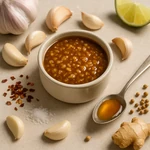
Why garlic marinade works so well 🧄
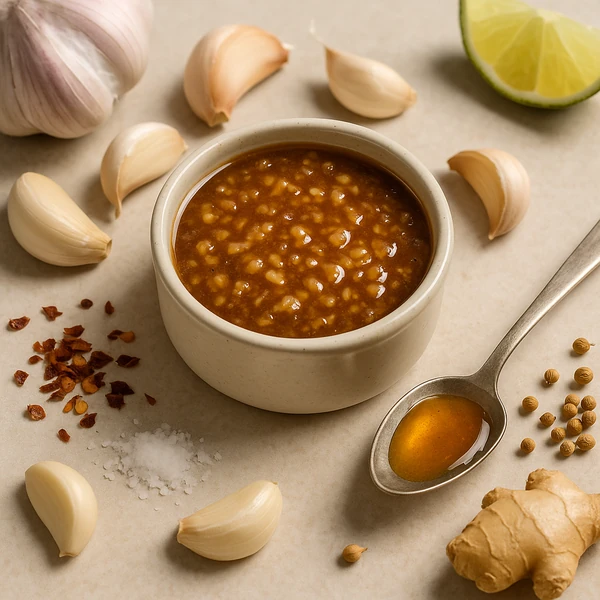
Garlic brings intensity, aroma, and a savory “roundness” that pairs naturally with many Asian pantry staples—soy sauce, fish sauce, sesame oil, palm sugar, chili, rice vinegar, and citrus. A good garlic marinade does more than add garlic flavor: it helps seasoning stick to the surface, encourages browning, and can carry other aromatics (ginger, scallion, lemongrass) into the food.
Across Asia, garlic-based marinades show up in different forms: thin, salty mixes that penetrate quickly; thicker pastes that cling and caramelize; and spice-forward blends that double as a cooking sauce. At home, you can treat garlic marinade as a flexible “base” that adapts to grilling, roasting, air-frying, or quick wok cooking.
What a garlic marinade usually contains (and what each part does) 🔥
- Garlic: fresh minced/grated for punch; garlic paste for convenience; roasted garlic for sweetness and low bite.
- Salt + umami: soy sauce, tamari, fish sauce, or salted bean paste. These season the surface quickly.
- Sweetness: sugar, honey, palm sugar, or mirin to balance sharp garlic and help browning.
- Acid: lime/lemon, rice vinegar, or tamarind to brighten flavor and reduce “heaviness.”
- Fat: neutral oil to distribute aromatics; a touch of sesame oil for fragrance (use sparingly—it can dominate).
- Optional aromatics: ginger, chili, black pepper, five-spice, cumin, coriander, or lemongrass depending on the direction you want.
How garlic changes with heat: raw garlic is sharp and sulfur-forward; as it cooks, it becomes sweeter and nutty. The catch is that small garlic bits can burn quickly—especially when sugar is present—so timing and heat control matter.
How to use garlic marinade on meat, tofu, and vegetables ⏱️
1) Prep so the marinade can actually stick
- Pat dry first: moisture dilutes the marinade and slows browning.
- Increase surface area: slice meat across the grain; score thicker cuts; press tofu to remove excess water.
- Coat evenly: a zip bag or shallow container helps keep everything covered without using too much marinade.
2) Marinating time: a practical guide
| Ingredient | Best marinating time | Notes |
|---|---|---|
| Chicken thighs/wings | 2–12 hours | Great for grilling/roasting; sugar-based marinades brown fast. |
| Chicken breast | 30 minutes–4 hours | Don’t overdo strong acid; it can make the surface chalky. |
| Pork shoulder/neck slices | 2–12 hours | Ideal for skewers, pan-searing, or BBQ. |
| Beef strips for stir-fry | 15–60 minutes | Thin slices absorb quickly; keep marinade lighter to avoid steaming. |
| Firm tofu/tempeh | 30 minutes–8 hours | Pressed tofu benefits from longer time; tempeh loves garlic + sweet. |
| Eggplant, mushrooms, zucchini | 10–45 minutes | Too long can make veg watery; apply more as a glaze while cooking. |
3) Cooking methods that suit garlic marinades
- Grill or broil: unbeatable aroma and color. Keep an eye on flare-ups and sugar darkening.
- Oven/air fryer: reliable browning. Use a rack for crisp edges, or a tray for more “glazed” results.
- Wok or skillet: cook marinated protein first, then add vegetables. If the pan is too hot at the start, garlic bits can scorch—start medium-high, then increase as moisture evaporates.
Flavor directions for Asian-style garlic marinades 🌶️
Think of garlic as the backbone, then choose a “regional” flavor path by adjusting just one or two ingredients.
- Southeast Asian grilled vibe: garlic + fish sauce + lime + sugar + black pepper; add lemongrass if you have it.
- Japanese-inspired: garlic + soy sauce + mirin + ginger. Great for chicken, salmon, or mushrooms.
- Korean-style profile: garlic + soy sauce + a little sugar + toasted sesame oil; add chili paste or chili flakes for heat.
- Chinese barbecue direction: garlic + soy + a sweetener; finish with a glossy glaze in the last minutes of cooking (avoid high heat too early).
- Indian-inspired (garlic-forward, spice-heavy): garlic + ginger + yogurt (or a dairy-free alternative) + spices like cumin/coriander + chili. Cook on high heat for charred edges.
Tip: If you want deeper umami without extra salt, add a small amount of a fermented ingredient (such as miso or bean paste). A little goes a long way.
Store-bought vs homemade: which is better? 💡
Choose a ready-made garlic marinade when you want consistency and speed—especially for weekday cooking or batch meal prep. Many commercial marinades are formulated to brown nicely and stay balanced even after high heat.
Mix your own when you want control over sweetness, salt, heat, or dietary needs (gluten-free, low sugar, no fish sauce). Homemade is also useful when you want a lighter marinade for wok cooking, where heavy sugar can burn.
Common mistakes (and easy fixes) 🚫
- Burnt garlic on the surface: scrape off excess thick marinade before searing, or start at slightly lower heat and let the food brown after moisture evaporates.
- Too salty overall: don’t salt the protein separately until you’ve tasted the marinade. Balance with a little acid or sweetness, and keep side dishes less salty.
- Not enough time: slice thinner and massage the marinade in. Even 15 minutes helps for stir-fries.
- Watery results: overcrowding the pan makes the marinade steam. Cook in batches and let the surface caramelize.
- Using raw-meat marinade as a dipping sauce: only do this if you boil it properly first, or better—reserve a clean portion before adding meat.
Storage & food safety basics 🧊
- Marinate in the fridge, not on the counter.
- Use non-reactive containers (glass, stainless steel, food-safe plastic), especially with acidic marinades.
- Typical fridge time: raw marinated meat should be cooked within 24 hours; fish often within 30–60 minutes depending on acid and salt; tofu and vegetables generally within 24 hours.
- Leftover cooked food: chill quickly and eat within 2–3 days.
Quick “master” garlic marinade (easy to adjust) 🍳
This is a practical baseline for about 500 g / 1 lb of chicken, pork slices, tofu, or mixed vegetables.
- 3–5 garlic cloves, finely grated or minced
- 2 tbsp soy sauce (or tamari)
- 1 tbsp neutral oil
- 1–2 tbsp honey or sugar (use less for wok cooking, more for grilling)
- 1 tbsp lime juice or rice vinegar
- 1 tsp grated ginger (optional but highly recommended)
- Chili to taste (fresh, flakes, or paste)
How to use: mix, coat ingredients evenly, then marinate as per the timing table above. For grilling or roasting, lightly wipe off thick clumps before high heat to reduce burning, then brush a fresh thin layer near the end for shine and aroma.
Easy variation: add 1 tsp sesame oil for fragrance, or a spoon of yogurt for a more tikka-like coating (best for oven or grill).

Recommended products1
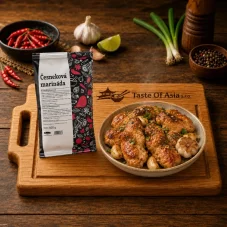
Drana Garlic Marinade 500 g
Read next
If you want to continue with the same topic, here are more related articles to explore: