


 Česky (CZK)
 Slovensky (EUR)
 Deutsch (EUR)
 Austria
 Belgium
 Bulgaria
 Croatia
 Denmark
 Estonia
 Finland
 France
 Germany
 Greece
 Hungary
 Italy
Italy Latvia
 Lithuania
 Luxembourg
 Netherlands
 Poland
 Portugal
 Romania
 Slovenia
 Spain
Spain Sweden










Light Asian foods for everyday: bowls, noodles, porridges, and cold salads
"Light" Asian food is not about being small or bland. Often, it's actually a full bowl or plate that satiates but doesn’t feel heavy: it’s based on rice or noodles in a reasonable ratio, complemented by vegetables and herbs, with flavor carried by broth or precise seasoning, and the whole is held together by acidity, umami, and contrast of textures. In this guide, you’ll find practical orientation and specific "families" of dishes that make sense for everyday – from warm breakfast bowls to cold noodle salads.
What "light" means in the Asian context (and why it’s not a "diet version")
Light and balanced Asian meals are not a "simplified" or "watered-down" variant of classics. In many parts of Asia, lightness is a natural part of everyday cooking: the food has clearly readable flavors, the sauce doesn’t overpower the ingredients, and vegetables or herbs are not just decoration but an active part of each bite.
In practice, this often means the bowl is built on several building blocks:
- starchy base (rice or noodles) – important, but not dominant,
- protein (meat, tofu, eggs, seafood – depending on the style of dish),
- vegetables and fresh elements (crispness, juiciness, "life"),
- acidity or pickles (pickled, lime/citrus, sour components),
- smaller but precise seasoning (umami base, chili accent, dressing, or broth).
Important note: “light” here typically does not mean “cold” or “fat-free.” It's more about the food not feeling heavy, sluggish, or "drowned" – and that it can be eaten even on an everyday basis without the feeling it will slow you down in the afternoon.
Why Asian everyday food can be both light and filling at the same time
Many Asian cuisines don’t handle lightness by “taking everything away.” Instead, they work with contrast: the richer component is balanced by vegetables and acidity, part of the flavor is carried by broth instead of heavy sauce, and each bite is enlivened by herbs, citrus, or a crunchy element.
Typical situations where you’ll notice it even at home:
- Broth instead of heavy sauce: a noodle bowl can be full-flavored even when it’s not “thickened.”
- Smaller amount of bold seasoning: a precise dip or dressing is enough, not a bowl full of sauce.
- Texture as part of satiety: when food contains crunch (raw vegetables, pickles, seeds), it doesn’t need as many “heavy” components to feel complete.
Therefore, for example, Vietnamese noodle bowls or simpler Japanese sets can be filling yet don’t feel as heavy as some western meals of similar size.
What to choose from: most practical "families" of light Asian foods for everyday
Asian breakfasts and light everyday meals don’t have one universal model. In different countries, "light food" can mean rice with sides, noodle soup, hot porridge (congee style), a handheld flatbread, or conversely cold noodles and rolls. A common factor is that it is practical, often quick food – and in many cities, it is strongly connected with street food and small businesses.
1) Rice bowl: simple base that can carry sides
Rice can be very plain or act as a “canvas” for stronger components. In various styles, it appears as coconut rice, garlic rice, or rice with supplements and sides.
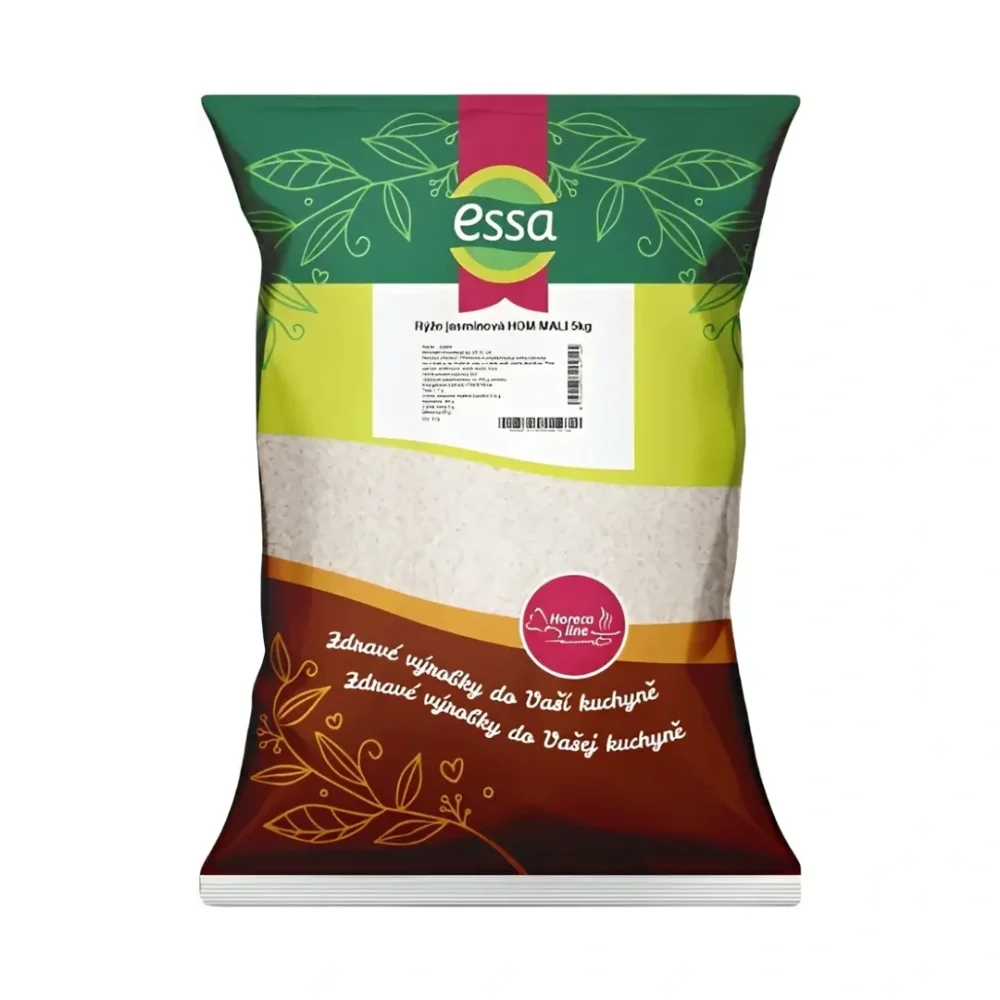
For everyday, it’s practical to stick to the logic: rice as a base + 2–3 smaller additions (vegetables, protein, something sour or crunchy). If you want to start simply, good aromatic rice is suitable – for example ESSA Hom Mali Jasmine Rice, which works as a neutral but fragrant base for vegetables and quick stir-fry.
If you want the bowl to feel light, mainly watch that the rice doesn’t "occupy" the whole volume of the bowl. Lightness often comes from rice not being the only mass on the plate but just one part.
2) Noodle breakfast and noodle broths: warm, quick, surprisingly "clean"
In many countries, noodles in the morning are not an exception – rather, it’s normal to have a noodle broth as the first “normal meal of the day”. Typical examples are phở in Vietnam, various beef noodle bowls in Taiwan, laksa and other noodle soups in Malaysia, or bakso in Indonesia.
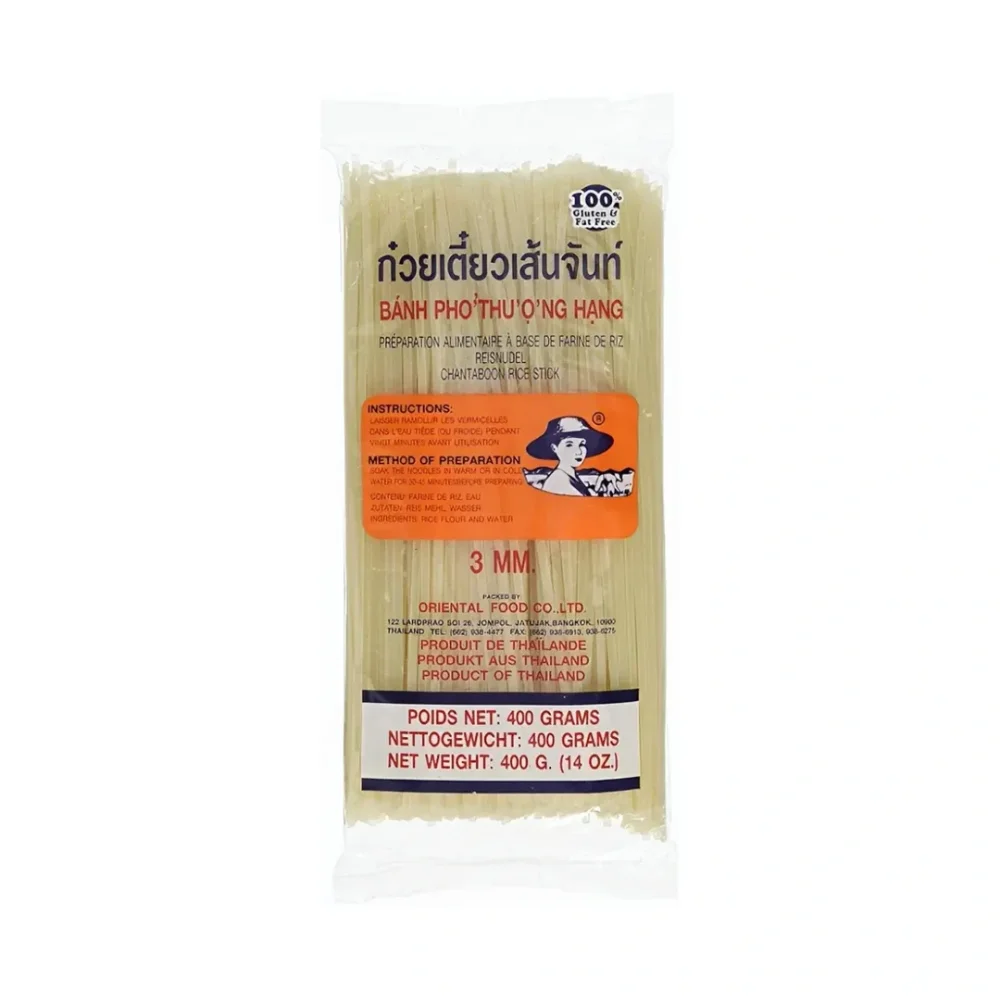
In the home version, the key is that flavor is carried by broth + seasoning, not thickened sauce. Noodles mainly serve as a carrier. For universal use (soups, stir-fry, and cold salads), medium-width rice noodles are suitable – for example Farmer Brand rice noodles 3 mm.
3) Porridge and congee style: soft, easily digestible "bowl" breakfast
Rice porridge and its local variants serve as a softer, easily digestible type of breakfast. It can be very plain or complemented by stronger components. For everyday, it’s a good choice when you want a warm meal but don’t want a "big sauce" or heavy fried food in the morning.
The practical logic of congee style: flavor and interest are often added only on top (something crunchy, something fresh, something umami), so the base stays light.
4) Flatbreads, pancakes, and fermented doughs: quick food “to go” or on a plate
Besides bowls, many regions also have an important role for flatbreads and doughs – including fermented varieties (and in some styles, combinations of "dough + dip"). In urban contexts, they often serve as quick breakfast or snack.
Taiwan illustrates this nicely, where breakfast is a separate world: alongside warm soy milk and fried doughs, there appear fan tuan (rice rolls) or dan bing (filled breakfast pancakes) and various toast combinations. For everyday, the main inspiration is the principle: quick form + clear flavors + local, simple ingredients.
5) Cold Asian foods: salad doesn’t have to be leafy and "cold" doesn’t mean bland
Asian salads and cold dishes are not just “vegetables with dressing.” They are often full meals based on freshness, texture, acidity, herbs, dip sauces, cold noodles, rice papers, and pickles. Thanks to this, they can be extraordinarily "alive" even without long cooking.
Vietnam is a typical example: gỏi cuốn (fresh Vietnamese rolls) are based on rice paper, herbs, rice noodles, vegetables, and protein – and what matters is the right dip. Similarly, Vietnamese cold or lukewarm noodle bowls work: noodles + herbs + pickled vegetables + dressing (often fish sauce based).
For orientation, it’s practical to perceive three “situations” where cold foods work best:
- When I want something light and fresh: gỏi cuốn, Vietnamese noodle salads, light Japanese cold noodles, tofu and vegetable salads with light dressing.
- When I want something spicy and bold: som tam, larb, bibim naengmyeon, and other combos where the “spark” comes from chili and acidity.
- When I want something more filling: gado-gado or cold noodle bowls with tofu, egg, or grilled component – often with a stronger dressing (e.g., sesame or peanut).
How to assemble light Asian food at home (practical onboarding for everyday)
The simplest way to transfer the “light Asian logic” into everyday life is to think in modules. You don’t have to cook a specific iconic dish – just build a bowl so that it has balance and clear flavor.
Step 1: Choose the base (rice or noodles) – and give it the right role
Rice and noodles are great, but lightness is often spoiled the moment you turn the bowl into a “starch heap” and everything else is just an addition. A practical tip: let the base form about a third to half of the volume and fill the rest with vegetables, protein, and fresh elements.
For orientation in ingredients, the index Rice and rice productsis useful, where you’ll find various types of rice and rice bases for bowls.
Step 2: Add protein but don’t let it “drown” in sauce
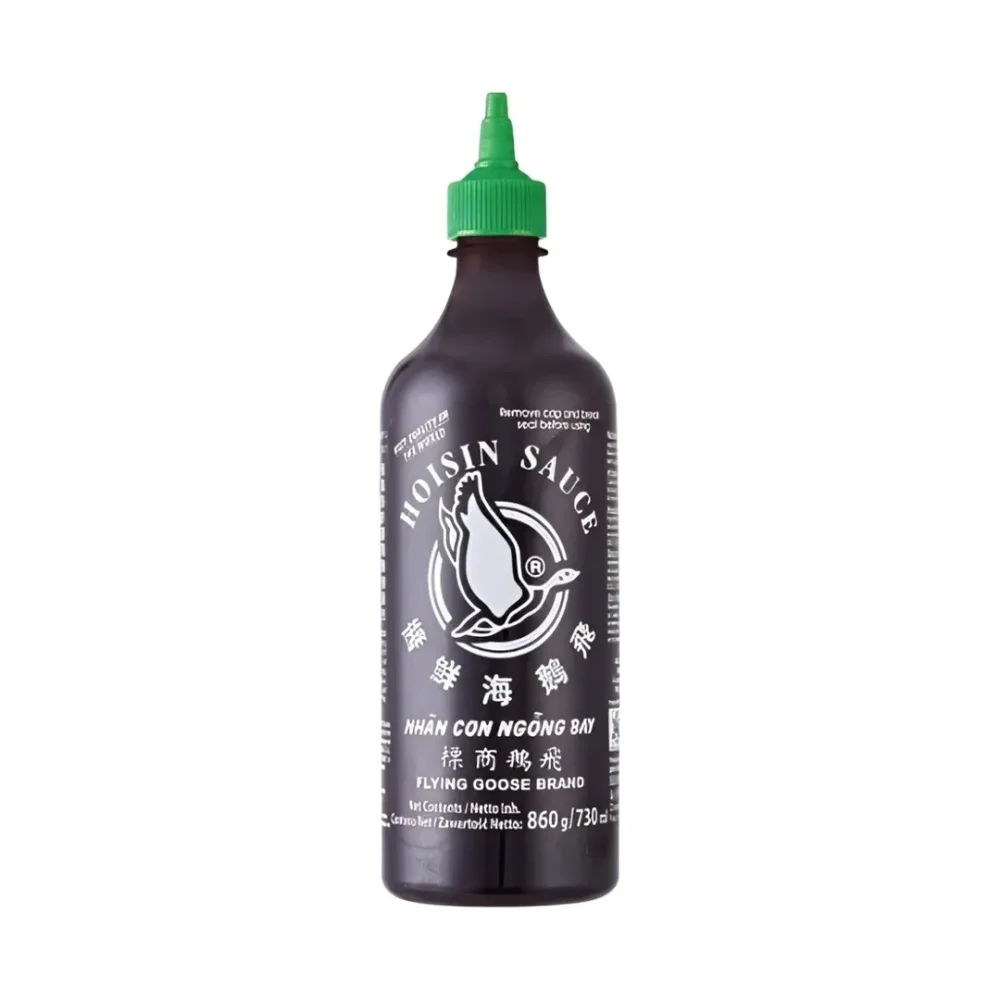
Light meals often don’t come from skipping protein but from seasoning it precisely and sparingly. Instead of a large pan of sauce, a quick glaze or dip that you add while eating works well. If you want an easy sweet-salty umami accent, hoisin can be used – it’s important to start with a small amount and not overpower the rest of the bowl. A practical example: Flying Goose Hoisin Sauce is perfect for quickly adding flavor without long cooking (for example, with vegetables, tofu, or as a dip).
Step 3: Vegetables and mushrooms are not a “side” – they are carriers of lightness
In light Asian food, vegetables do two important things: add volume without “heaviness” and mainly add texture (crispness, juiciness). That’s why it’s worth always having something at home that can be used quickly raw or briefly sautéed.
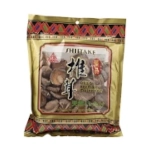
For inspiration in ingredients and combinations, the category Vegetables and mushrooms is useful – here you’ll often find “quick building blocks” for bowls and salads.
Step 4: Add acidity, herbs, or pickles (this is a common difference compared to the “European bowl”)
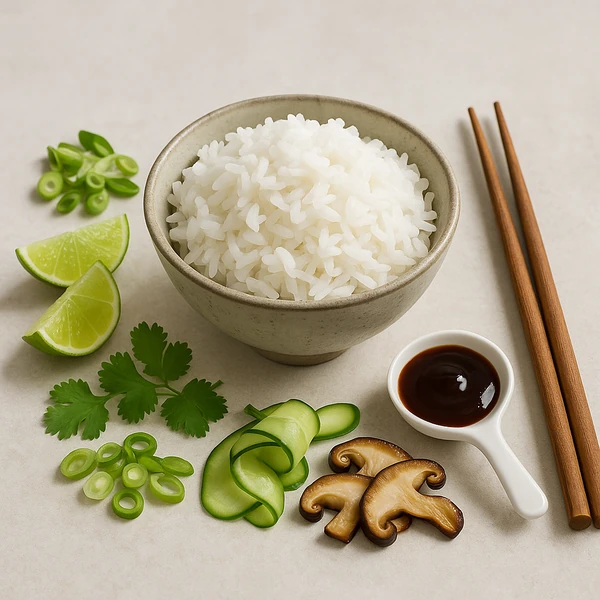
Without acidity and freshness, even a well-cooked meal can feel flat and heavy. In many Asian styles, it’s normal to balance a bite with a fresh, pickled, or herbal element alongside the warm component. In cold noodles and salads, this is even one of the main reasons they work so well: acidity and herbs “open up” each next bite.
Step 5: Keep seasoning “smaller but precise” (and make sure the sauce doesn’t take over)
One of the most common traps in everyday cooking is “saving” the meal with sauce – resulting in heaviness. A better approach is the opposite: first build the bowl on a good base and vegetables, and add seasoning gradually.
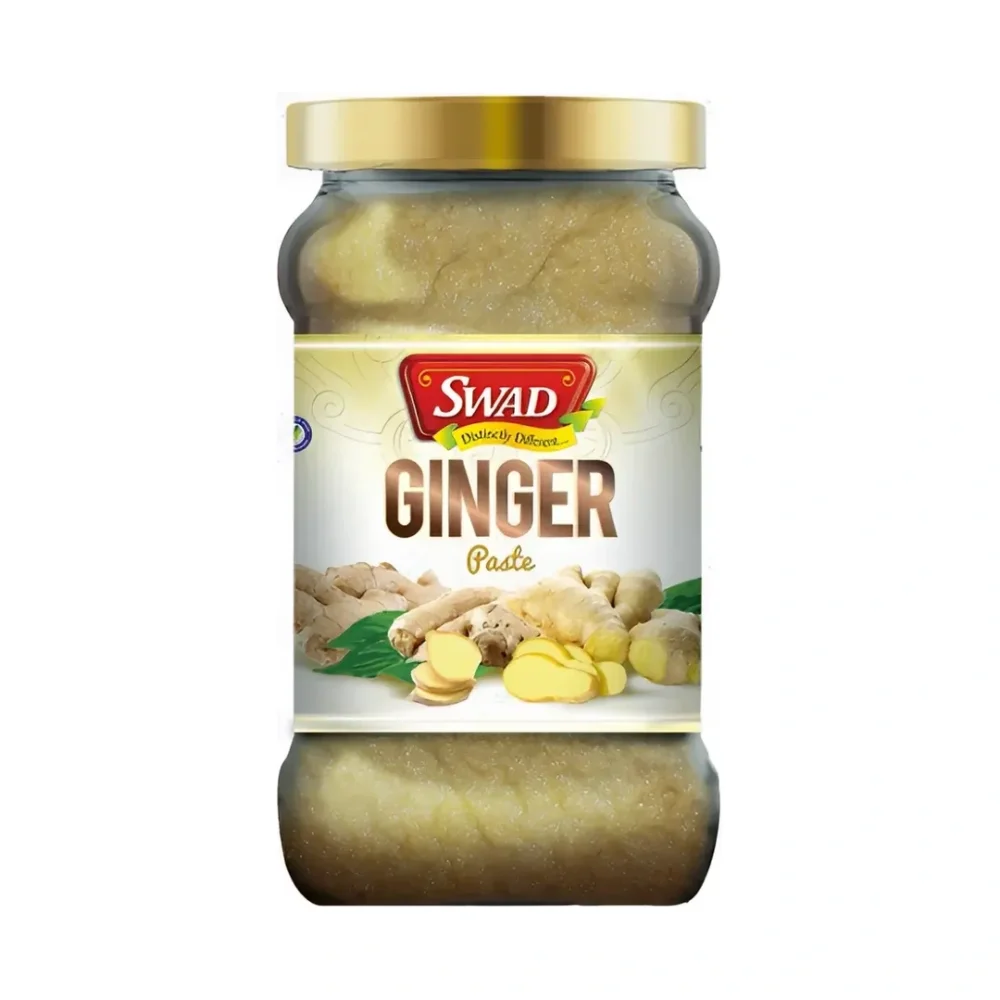
When you need to quickly create an aromatic base (for broth, sautéed vegetables, or dressing), ginger can help. A practical shortcut is SWAD ginger paste – use a small amount first, taste, and then add more.
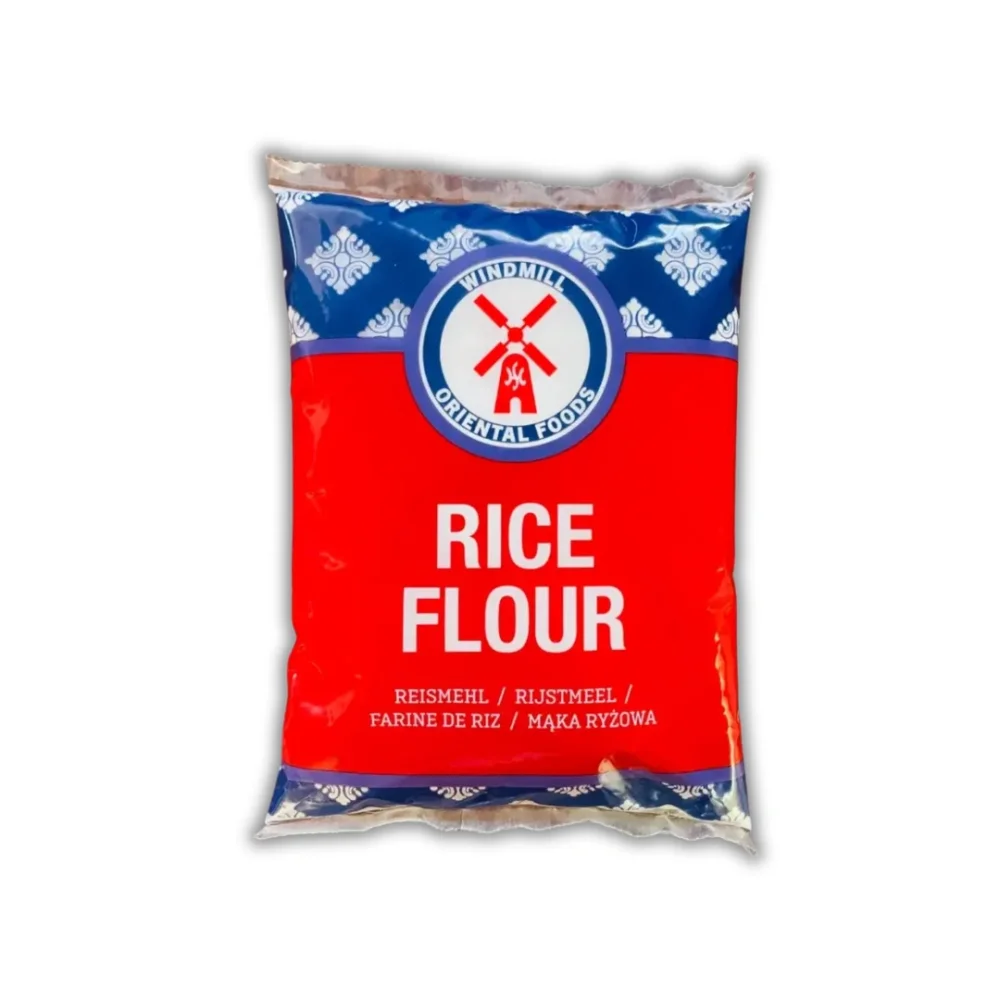
And if you need to slightly “adjust” texture (for example, make a softer batter or slightly thicken), rice flour can be useful. In the kitchen, a universal choice is Windmill rice flour, which can be used for lighter doughs and thickening.
What most often spoils light Asian food (and how to fix it quickly)
- Too much sauce – the food gets “drowned” and loses lightness. Fix: serve sauce on the side as a dip or add it in small amounts so that individual ingredients remain recognizable.
- Lack of freshness – without herbs, acidity, or pickles even good food feels flat. Fix: add something fresh (herbs, crunchy vegetables) or a sour element that “opens” the whole bite.
- Bad starch-to-rest ratio – a big heap of rice without contrast easily shifts the impression to “heavy.” Fix: reduce the base and add vegetables, or make rice/noodles only one layer of the bowl.
- Too many fried elements at once – one crunchy accent is great, but when everything is fried, lightness disappears. Fix: consider fried items as an addition, not the main construction.
- Lack of texture – when everything is soft, the bowl doesn't feel "alive." Fix: add crunchiness (raw vegetables, pickles, seeds) or combine soft and resilient components (e.g. noodles + crunchy vegetables).
What to take away from the article
- Light Asian food is not weak food – it’s a bowl with clear flavors, a reasonable base ratio, and plenty of freshness and texture.
- The most practical everyday forms are rice bowls, noodle broths, congee-style porridge, handheld pancakes, and cold noodle salads or rolls.
- Lightness is most often ruined by sauce and lack of freshness – save the bowl rather with acidity, herbs, pickles, and crunchiness than with another dose of sauce.
- Start with a module: base (rice/noodles) + protein + vegetables/herbs + acidity/pickles + small, precise seasoning.

Read next
If you want to explore this topic further, continue with these related blog guides and articles:
