Česky (CZK)
 Slovensky (EUR)
 Deutsch (EUR)
 Austria
 Belgium
 Bulgaria
 Croatia
 Denmark
 Estonia
 Finland
 France
 Germany
 Greece
 Hungary
 Italy
Italy Latvia
 Lithuania
 Luxembourg
 Netherlands
 Poland
 Portugal
 Romania
 Slovenia
 Spain
Spain Sweden










Thyme: What It Tastes Like, When to Add It, and What It Pairs With
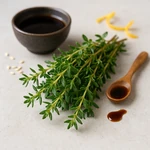
🌿 What thyme brings to a dish
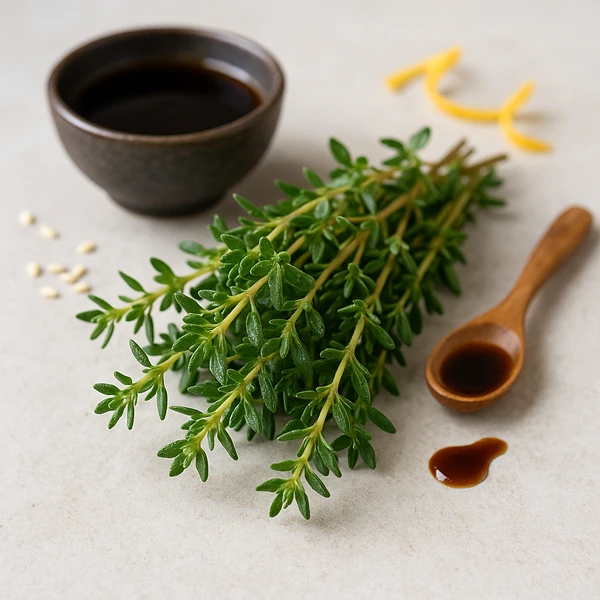
Thyme is a hardy culinary herb with tiny leaves and a bold, clean aroma. Its flavor sits somewhere between herbal, earthy, and lightly peppery—with a subtle dryness that can balance rich foods. Because its aromatic oils bloom in heat and spread beautifully in fat, thyme shines in roasting, braising, pan sauces, and slow-simmered soups.
Although thyme is strongly associated with Mediterranean cooking, it plays surprisingly well in modern home cooking that mixes influences. The reason is simple: thyme supports savory depth without adding sweetness, and it complements umami-driven ingredients (mushrooms, soy-based seasonings, miso, roasted meats) rather than fighting them.
🧂 Taste profile: how to recognize “too little” vs. “too much”
When it’s just right: the dish smells warmer and more savory; rich meat tastes less heavy; vegetables taste more rounded.
When it’s too much (especially dried): thyme can feel dusty, dry, or medicinal and may dominate delicate flavors. If you overshoot, adding a little acidity (lemon, vinegar, tomato) or extra fat (butter, sesame oil, coconut milk—depending on the dish) can help rebalance the palate.
🍳 Fresh vs. dried thyme (and how to substitute)
Both forms are useful, but they behave differently.
- Fresh thyme: brighter and more aromatic. Great for roasting trays, finishing sauces, infusing oils and butter, and quick cooking where you want a lively herbal lift.
- Dried thyme: more concentrated and “seasoning-like”. Best for long-cooked dishes, broths, braises, marinades, and rubs.
Substitution tip: dried thyme is usually about 3× stronger than fresh. If a dish calls for 1 tablespoon fresh leaves, start with about 1 teaspoon dried (and adjust).
🥘 When to add thyme during cooking
Timing matters because thyme’s aroma can either gently infuse or turn harsh if overheated.
- Long simmers and braises: add at the beginning so the flavor has time to mellow and integrate. Using whole sprigs makes it easy to remove them later.
- Roasting: add early (on the tray, on the meat, or mixed into oil/butter). Thyme loves oven heat.
- Quick sauté or stir-fry: add midway or toward the end. If you add dried thyme right into very hot oil, it can taste bitter.
- Finishing: add a few fresh leaves at the end for a clean, herbal aroma—especially in sauces and soups.
🥢 Pairings that make thyme taste “natural”
Thyme is flexible, but it becomes especially convincing when paired with ingredients that either echo its savoriness or balance its dryness.
Classic foundations
- Garlic, onion, scallion: an easy base for meat, mushrooms, potatoes, beans, and pan sauces.
- Tomato: thyme deepens tomato sauces and makes them taste less flat.
- Lemon and other citrus: lifts thyme in chicken, fish, and light broths.
- Butter and olive oil: carry thyme’s aroma through the entire dish.
Umami-friendly combinations (great for Asian-leaning cooking)
- Mushrooms: thyme + mushrooms is a shortcut to “brothiness,” even in vegetarian dishes.
- Soy-forward seasonings: a small pinch of thyme can round out salty-sweet glazes and braises.
- Miso: thyme can add a gentle herbal backbone to miso-based soups or marinades (use a light hand).
- Ginger and sesame: thyme works as a subtle herbal accent behind ginger heat and toasted sesame notes.
⚠️ Choosing good thyme (quick checks that matter)
- Dried thyme: look for greenish leaves and a strong aroma when rubbed between your fingers. If it smells faint, dusty, or like cardboard, it’s likely old.
- Fresh thyme: choose sprigs that look perky, not slimy or brittle. The scent should be vivid when you gently crush a leaf.
🧊 Storage: keep the aroma, avoid waste
- Dried thyme: store airtight, away from heat and direct light. The more often the jar sits open on the counter, the faster the aroma fades.
- Fresh thyme: refrigerate wrapped loosely in paper (then placed in a bag or container). For longer keeping, freeze leaves in a little oil in an ice cube tray—handy for quick weeknight cooking.
💡 Common mistakes (and how to fix them)
- Burning it in hot fat: add thyme after onions/garlic have softened, or add it once there’s some moisture in the pan.
- Using dried thyme like fresh: start small. You can always add more, but you can’t remove it once it takes over.
- Leaving woody stems in the final dish: whole sprigs are great for infusion, but remove them before serving.
- Forgetting acidity: thyme often tastes best with a touch of lemon, vinegar, tomato, or pickled elements—especially in rich dishes.
🍽️ Quick use idea: Soy–ginger thyme marinade (fusion-friendly)
This is not “traditional” in any one cuisine, but it’s a practical way to make thyme work with everyday Asian pantry flavors.
Ingredients (for about 500 g / 1 lb protein)
- 2 tbsp soy sauce
- 1 tbsp neutral oil (or a mix of neutral + a few drops sesame oil)
- 1 tsp grated ginger
- 1 small garlic clove, finely grated
- 1–2 tsp lemon juice or rice vinegar
- 1 tsp honey or sugar (optional, for browning)
- 1/2 tsp dried thyme or 3–4 fresh sprigs
How to use
- Mix everything and coat chicken thighs, pork slices, tofu, or mushrooms.
- Marinate 20–45 minutes (longer is fine for meat; keep tofu shorter if you prefer a cleaner taste).
- Cook hot and fast in a pan or roast until caramelized at the edges.
Tip: If you plan to reduce the leftover marinade into a glaze, simmer it thoroughly first for food safety and a cleaner flavor.
❓FAQ
Does thyme work in soups and broths?
Yes—especially chicken, mushroom, bean, and vegetable broths. Use a whole sprig early on and remove it at the end for a clean infusion.
Is thyme better with meat or vegetables?
Both. It’s particularly helpful with fatty meats (it lightens the impression) and with roasted vegetables (it adds savory depth).
What’s the safest way to start if I’m unsure?
Use whole sprigs in a simmering dish, or add a small pinch of dried thyme to a sauce. Taste, then adjust.

Recommended products1
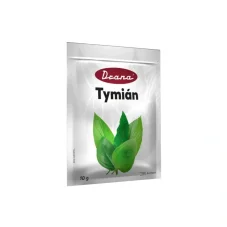
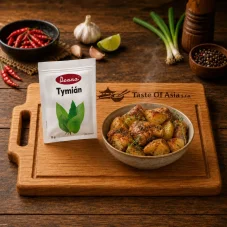
Drana Thyme 10 g
Read next
If you want to continue with the same topic, here are more related articles to explore: