


 Česky (CZK)
 Slovensky (EUR)
 Deutsch (EUR)
 Austria
 Belgium
 Bulgaria
 Croatia
 Denmark
 Estonia
 Finland
 France
 Germany
 Greece
 Hungary
 Italy
Italy Latvia
 Lithuania
 Luxembourg
 Netherlands
 Poland
 Portugal
 Romania
 Slovenia
 Spain
Spain Sweden










How to replace meat in Asian dishes: flavor, umami, and texture without compromise
Replacing meat in an Asian dish does not mean "finding one substitute." In practice, it is much more important to understand, the role meat plays in a specific dish – whether it provides texture, carries the sauce, builds the broth, or creates a "grilled" impression. Once you distinguish this, the plant-based version can be full, umami, and convincingly flavorful.
Vegetarian and vegan Asian cuisine is not a "deprived version" of common cooking. In many parts of Asia, it has historical roots, its own techniques, and flavor logic. The key is that a well-made plant-based dish is not about imitating meat at all costs, but about umami, texture, fermentation, spices, broths, herbs and well-chosen bases.
Why it (usually) doesn’t work by simply "swapping chicken for tofu"
In Asian cooking, flavor is often constructed differently than just through meat or bone broth. Much of the work is done by:
- fermentation (various sauces, pastes, and seasonings),
- mushrooms and seaweed as a source of deeper umami,
- legumes and soy products (tofu, tempeh),
- textures (crispy, soft, juicy, “chewy”),
- balancing – fat, acidity or freshness, and final seasoning.
Therefore, it is useful to think of a dish as a combination of: flavor carrier + texture carrier + fat + acidity / freshness + final seasoning. Meat is just one possible component of this puzzle.
A brief cultural note: vegetarianism in Asia is not new
The Japanese Buddhist tradition created shojin ryori – a vegetarian style based on seasonal ingredients, tofu, vegetables, mushrooms, and seaweed, with very careful work with broth and texture. Similarly, Korean temple food (temple cuisine) is often practically vegan: it excludes meat and fish yet can be deeply flavorful thanks to fermented bases (jang), mushrooms, tofu, and precise seasoning. India has one of the strongest vegetarian traditions in the world – although it is fair not to assume "Indian = automatically vegetarian" as a given.
Don’t replace the name, but the function: what role does meat play in the specific dish
The most reliable substitution rule is simple: don’t replace “chicken” or “pork” as a word, but what it does in the recipe. The same ingredient can be the flavor backbone in one dish and just an addition in another – and that determines how easy (or difficult) the substitution will be.
In practice, you mostly encounter four roles of meat:
- texture (pieces that “hold”, are firm, juicy, or crispy),
- sauce carrier (more like a “sponge” for flavor than a star itself),
- broth depth (the background that holds the whole dish together),
- “grilled” impression (marinade, caramelization, smokier tone).
Once you clarify which of these roles is primary in the dish, your substitution options narrow down and it starts to make sense.
4 typical meat roles in Asian dishes and what works for them
1) When the main role of meat is textural (bite-sized pieces)
Here you usually look for something that won’t fall apart in the pan or sauce and gives the dish “body.” The most common options are:
- tempeh (firmer, fermented, more distinct),
- extra firm tofu (firmer tofu for pan or grill),
- mushrooms,
- sometimes seitan,
- fried tofu crispy on the surface.
Practical logic: when in the classic version you get satisfaction mainly from meat pieces, it is better to choose a firmer and “chewier” base option (tempeh, firm tofu, mushrooms) than something soft that will disappear.
2) When meat mostly carries the sauce
In many home stir-fries or saucy dishes, the meat itself is not the flavor engine – the engine is the sauce. In such cases, ingredients that absorb the flavor and enhance it often work well:
- tofu,
- eggplant,
- mushrooms,
- potatoes,
- cauliflower,
- beans and chickpeas (in some styles).
Here it is also worth thinking that “one substitute is often not enough”: if tofu replaces texture and volume, umami depth can be complemented by something fermented, mushroomy, or seaweed-based.
3) When meat provides broth depth
The biggest difference between a “good” and a “flat” plant-based version is often in the broth. When the original dish is based on a meat broth, you need to look for other ways to get umami. It works well:
- kombu (seaweed),
- shiitake,
- miso,
- fermented soy components,
- slowly simmered vegetable base.
It is important to be honest with the result: sometimes you replace part of the function very well, but it won’t be “the same.” The goal is for the broth to have depth and hold the dish, not to imitate meat flavor down to the last detail.
4) When meat gives a “grilled feeling” in the dish
The grilled impression is often not just about the ingredient, but about marinade and working with temperature: caramelization, roasting, contrast between surface and center. Typically suitable plant-based bases are:
- tempeh,
- firm tofu,
- eggplant,
- mushrooms.
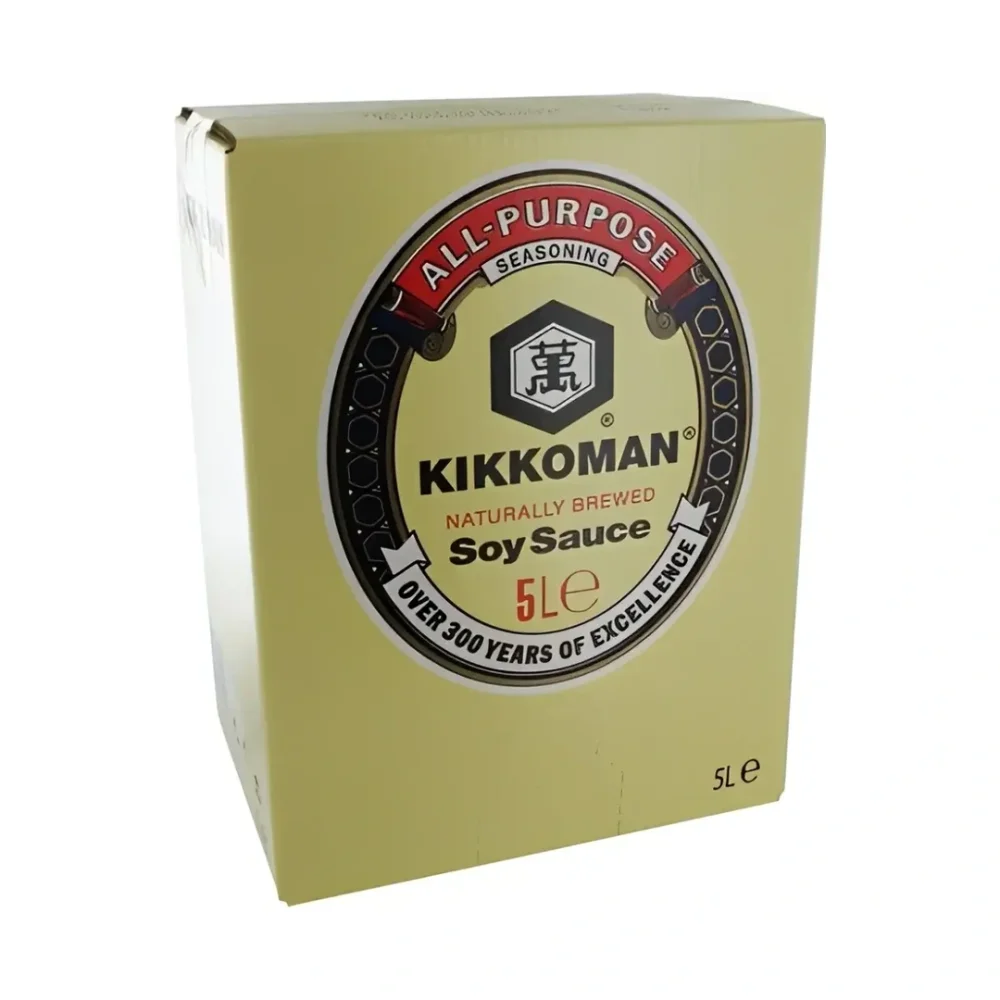
And in marinades and seasoning, elements such as soy sauce, a bit of sugar, ginger and sometimes a "smokier" tone often appear. For a quick and clear umami base, universal soy sauce can be practically used, for example Kikkoman soy sauce (suitable for woks, marinades, and dips).
Tofu, tempeh, and the soy family: how to choose the right texture
Soy products are not one interchangeable category. From the same base (soy), gentle and neutral products as well as strongly fermented ingredients arise – and they behave completely differently in the kitchen. It is practical to divide them into four groups:
- fresh and minimally processed (e.g., edamame, soy milk),
- coagulated and pressed (tofu and its variants),
- fermented firm products (tempeh, natto, fermented tofu),
- fermented pastes and seasonings (miso and related pastes).
🍳 Tofu as a “flavor carrier”: choose the type according to use
Tofu is strong mainly because it absorbs the flavor of surrounding ingredients very well. But texture decides:
- Silken tofu is very soft and delicate: suited for soups (e.g., miso soup), gentle braised dishes, cold cuisine, dips, or dressings. It is not suitable for dishes where you will stir intensively or flip it in a pan.
- Firm tofu (firm / extra firm) is more suitable for pan, grill, or baking – that is, where you need it to "hold" and create a surface.
If you want a pronounced "chewy" texture, tofu products for broth and sauces can also help.
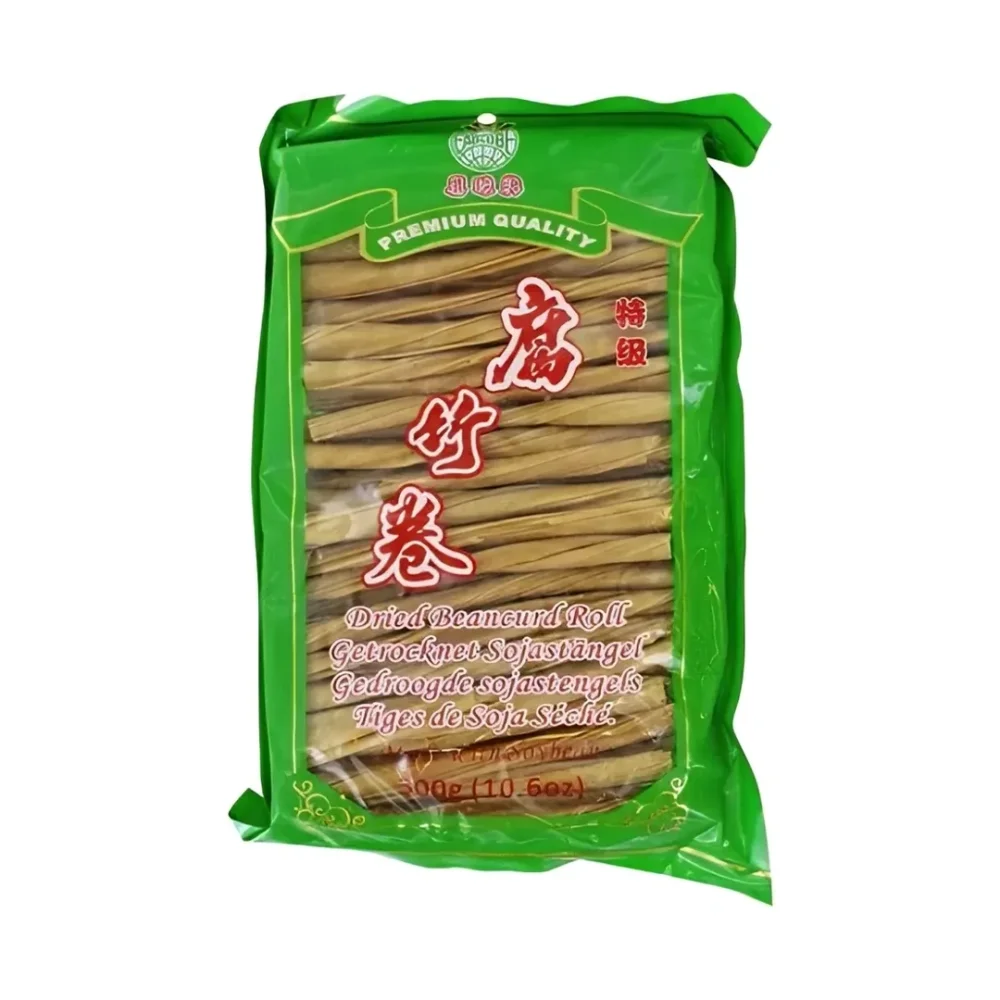
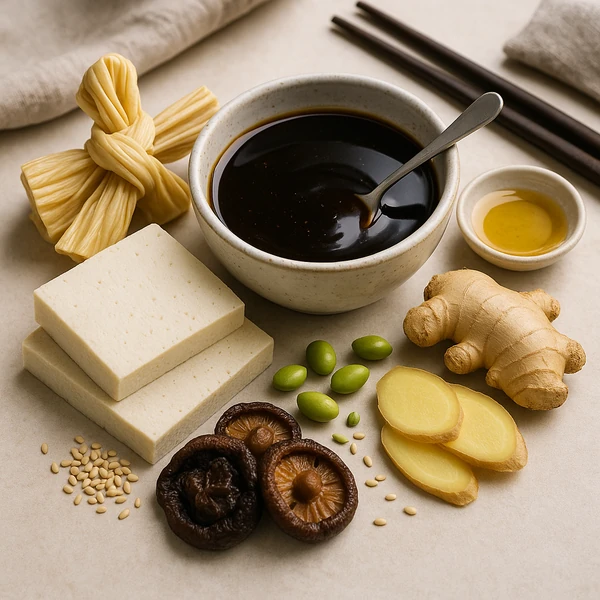
A specific variant is dried tofu products, which after soaking get a firmer structure and absorb broth and sauces well. A practical example is dried tofu rolls Eaglobe – suitable where you want to clearly feel "pieces" in soup or stir-fry and at the same time need the flavor to soak in well.
How to tell if you’re choosing the soy product correctly
From a general point of view, it helps to look for:
- for tofu: clearly defined type/texture, clean scent without a sour tone, undamaged packaging, and clear liquid,
- for tempeh: compact block, pleasant nutty to fermented smell (not musty), no sliminess and no suspicious coloring beyond common white mycelium,
- for miso: type and color corresponding to use, pleasant fermented smell.
🍳 How to start in practice: simple procedure and a few seasonings that make a difference
If you are only looking for your “entry,” it helps to choose cuisine or style according to what you like and how much time you want to dedicate to cooking. Some cuisines are naturally more accessible for plant-based cooking; you just need to watch out for typical “traps”:
- Japan: often very good vegetarian, selectively vegan – beware of dashi (broth that in usual kitchens often has a fish base).
- Korea: vegetarian and vegan is possible but you need to watch some sauces/pastes (jang), kimchi, and the difference between temple cuisine and regular restaurants.
- India: strong vegetarian tradition; for vegan version, watch dairy products and ghee.
- Vietnam and Thailand: great for light plant-based dishes, but for the vegan version watch fish sauce and some curry pastes.
- Indonesia: very strong vegan option thanks to tempeh, tofu, and vegetable dishes; caution is merited with some sambals and fermented fish bases.
- Malaysia and Singapore: excellent for tofu, noodles, and rice; the vegan version requires sauce checks.
Mini-guide: how to “rewrite” a meat dish into a plant-based version
- Determine the role of meat: texture / sauce carrier / broth / grilled impression.
- Choose texture carrier: firm tofu, tempeh, mushrooms, eggplant… according to role.
- Add umami: fermented components, mushrooms, seaweed, miso – often the difference between “OK” and “great.”
- Adjust fat and final seasoning: sometimes a small thing at the end is enough to make the flavors “pop.”
Seasonings that help quickly build flavor (and how to use them)
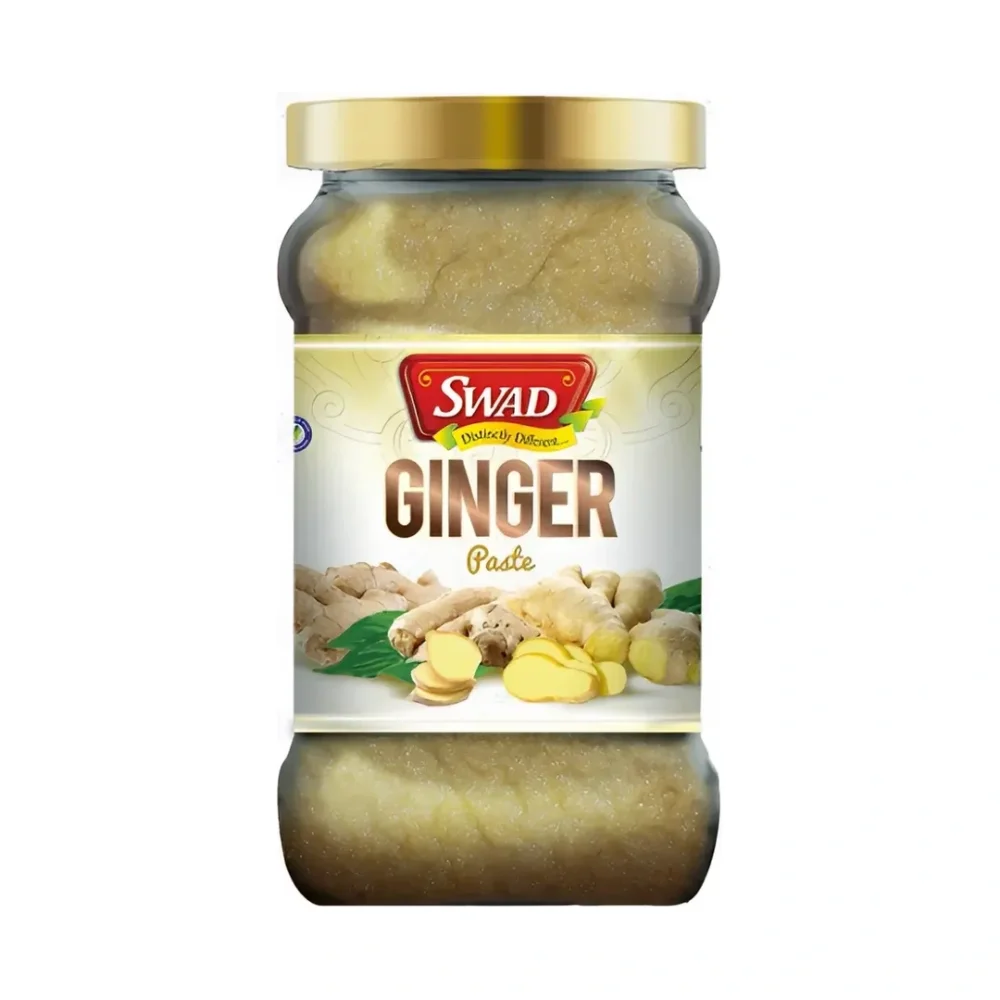
- Ginger: quickly aromas the base of curry, soups, sauces, and marinades. If you don’t want to grate, practical is SWAD ginger paste – often really only a small spoonful, is enough to change the entire base.
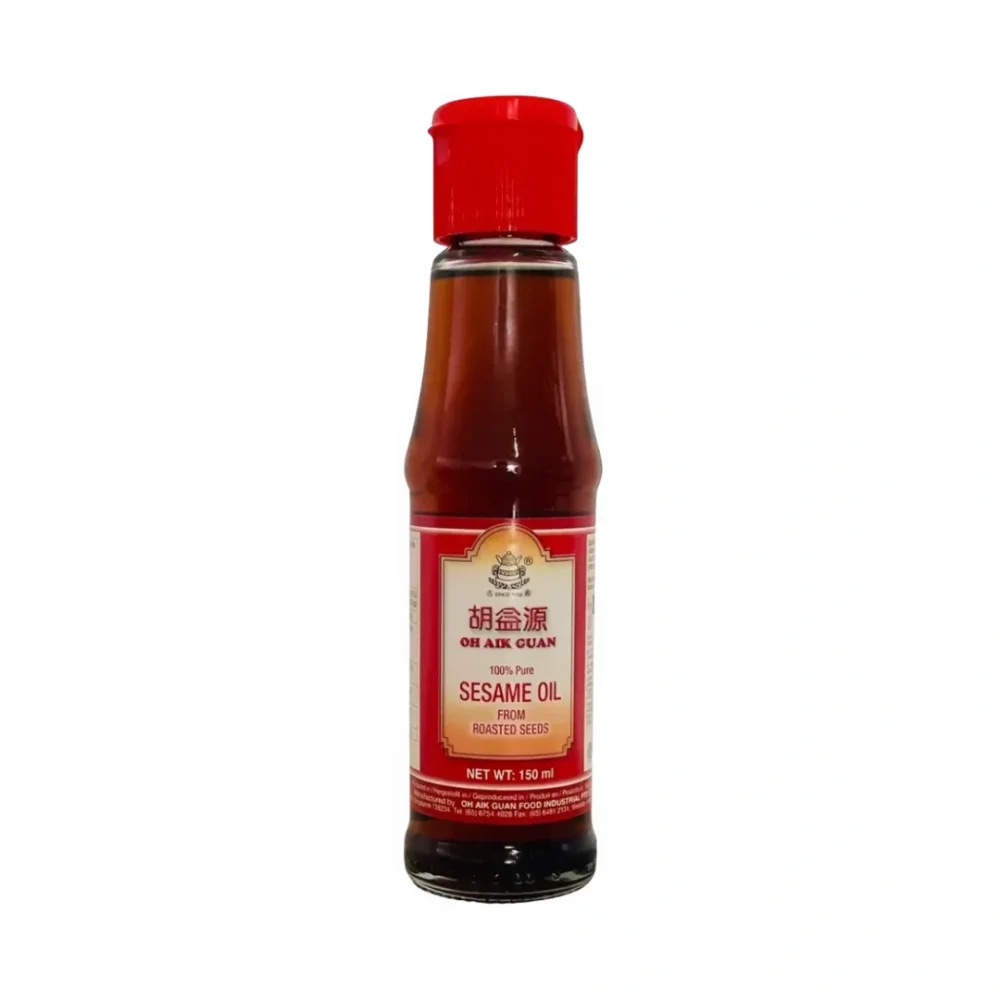
- Sesame oil: strongly aromatic, so use it more as a "finishing touch" at the end (in dressings, sauces, or finished dishes). A typical example is Oh Aik Guan sesame oil.
- Acidity: for darker sauces and dressings, black rice vinegar can work – it’s mildly acidic and fits well into deeper flavors. Example: Jumbo black rice vinegar. Add it little by little and taste so acidity doesn’t overpower the umami.
- Spiciness without side flavors: if you want to purely add heat to woks, soups, or marinades, chili paste like sambal oelek helps. A practical example is Royal Orient Sambal Oelek.
Important detail: for substitutes, one ingredient often replaces only part of the function. So if something "is missing" in your vegan version, try thinking whether saltiness, fermented depth, aroma, fat, or perhaps freshness is missing – and add just that specific element.
Common mistakes (and why the dish tastes flat afterward)
- Looking for a single universal substitute: “tofu instead of everything” often leads to uniform texture. Better to choose according to role (firm tofu/tempeh for bite, eggplant/tofu as sauce carrier, kombu+shiitake+miso for broth).
- Wrong type of tofu chosen: silken tofu crumbles in a pan; for frying and "chunks" you need a firmer variant.
- Mixing up soy sauces without understanding the type: soy sauce is a broad category. Dark is not the same as light, sweet dark is not the same as classic, and ponzu is not a “substitute” but an already citrus-flavored version. If you don’t know what the recipe wants, it’s easy to miss the profile.
- "Without meat" does not automatically mean vegetarian/vegan: common hidden obstacles are dashi in Japanese style, fish sauce in Vietnamese and Thai dressings, ghee in Indian cooking, or some sauces/pastes in Korean style.
- Underestimating how hard it is to replace fish sauce: fish sauce is not just salt – it’s saltiness + deep umami + fermented character + specific aroma. Part of the function can be replaced (e.g., with soy sauce and something mushroomy/fermented), but it’s fair not to expect the exact same result.
What to take away from the article
- There is no single "meat substitute" – the role of meat in the particular dish always decides.
- The most common roles of meat are: texture, sauce carrier, broth depth and grilled impression.
- For plant-based versions, often umami and fermentation (miso, fermented components, mushrooms, seaweed) decide, not just the protein itself.
- Choose tofu according to texture: silken for soups and delicate dishes, firmer for pan, grill, and baking.
- When a dish “lacks juice,” try adding the specific missing element: fat, acidity, fermented depth, or final seasoning.

Read next
If you want to explore this topic further, continue with these related blog guides and articles:
