


 Česky (CZK)
 Slovensky (EUR)
 Deutsch (EUR)
 Austria
 Belgium
 Bulgaria
 Croatia
 Denmark
 Estonia
 Finland
 France
 Germany
 Greece
 Hungary
 Italy
Italy Latvia
 Lithuania
 Luxembourg
 Netherlands
 Poland
 Portugal
 Romania
 Slovenia
 Spain
Spain Sweden










Vegan Asian cuisine without loss of flavor: umami, texture, and smart fundamentals
Vegan food in the Asian style does not have to be a compromise or a “substitute” for regular cuisine. In many parts of Asia, vegetarian and vegan cooking has its own traditions – and above all its own way of building flavor fullness: through umami, fermentation, working with texture, the right fat, acidity, and herbs. This article will show how to practically use these principles at home so that the food remains distinctive even without meat, fish, and dairy products.
What exactly does “vegan Asian cuisine without loss of flavor” mean
It's not about taking a known „with meat“ recipe and at all costs putting in one universal substitute. Well-constructed vegan Asian food stands on a different logic: flavor is not made up only of meat or bone broth, but from a thoughtful combination of flavor and texture carriers.
In practice, this means building the food as a whole:
- flavor carrier (umami + saltiness) – fermented bases, soy components, mushrooms, seaweed, long-simmered vegetable bases,
- texture carrier – a combination of soft, elastic, crunchy, juicy, and sometimes slightly chewy elements,
- fat and aroma – for the “body” of the dish (for example coconut milk or aromatic oils),
- acidity and freshness – lime, tamarind, vinegar, herbs, pickles, fresh onions, coriander,
- final seasoning – the final touch that “opens up” the dish.
It is also important that many dishes in Asia are naturally based on vegetables, legumes, rice or noodles. So you are not starting from scratch – you are just learning to read the flavor functions of ingredients and combine them cleverly.
Why you can cook great food in Asia without meat: tradition and context
Vegetarian and vegan Asian cuisine is not a marginal or “impoverished” version of cooking. In many regions, it has deep historical roots, its own techniques, and a very strong cultural background. That is why there are so many convincing dishes that do not rely on cream, cheese, or meat – yet are full, aromatic, and satisfying.
In traditional contexts, you often meet a clear emphasis on:
- fermentation (pastas and sauces that give depth),
- seasonal vegetables and mushrooms (including dried varieties for intensity),
- seaweed as a source of “marine” depth without fish,
- tofu and tempeh as solid bases that give the dish structure and satiety.
Asia of course is not one cuisine (and we mention this for the last time here): individual regions differ in specific products, but the principles of working with umami, texture, fat, and acidity repeat in various variations.
Flavor pillars of vegan Asian cooking: umami, texture, fat, acidity
The fastest way to "not lose flavor" is to stop focusing only on the main protein and instead watch four pillars. Once one is missing, the food tends to be flat, less "rounded," or seems unfinished.
Umami without meat and fish: miso, soy sauces, mushrooms, kombu
Without meat and fish, it pays off to consciously add umami. Typical carriers of umami in Asian vegan cooking are miso, tamari or other suitable soy sauces, mushrooms, kombu (seaweed), fermented pastes, roasted sesame, and also an aromatic base of onion, garlic, and ginger or well-reduced vegetable bases.
Miso is a good example that “one ingredient” can be a whole category: it is made from soybeans, salt and koji (an ingredient inoculated with mold Aspergillus oryzae). Depending on the base used, it is roughly divided into:
- kome miso (with rice koji),
- mugi miso (with barley koji),
- mame miso (with a higher proportion of soy).
In practice, you will often also encounter division according to color and taste: white (milder, sweeter), yellow/medium (balanced, universal), red/dark (stronger, earthier) or awase (blend). It is not just a “soup paste” – miso can add depth even outside soup precisely by how it varies in saltiness, sweetness, and umami strength.
Texture: even good seasoning is little without contrast
One of the most common causes of “bland” vegan food is not the seasoning, but the texture. Soft tofu by itself often is not enough if it does not have contrast. Well-built vegan food usually combines several textures at once: soft, elastic, crunchy, juicy, and sometimes slightly chewy.
Functional examples of combinations that make sense:
- tofu + crunchy vegetables,
- tempeh + rice + dip,
- mushrooms + noodles + herbs,
- fried eggplant + fermented sauce + rice.
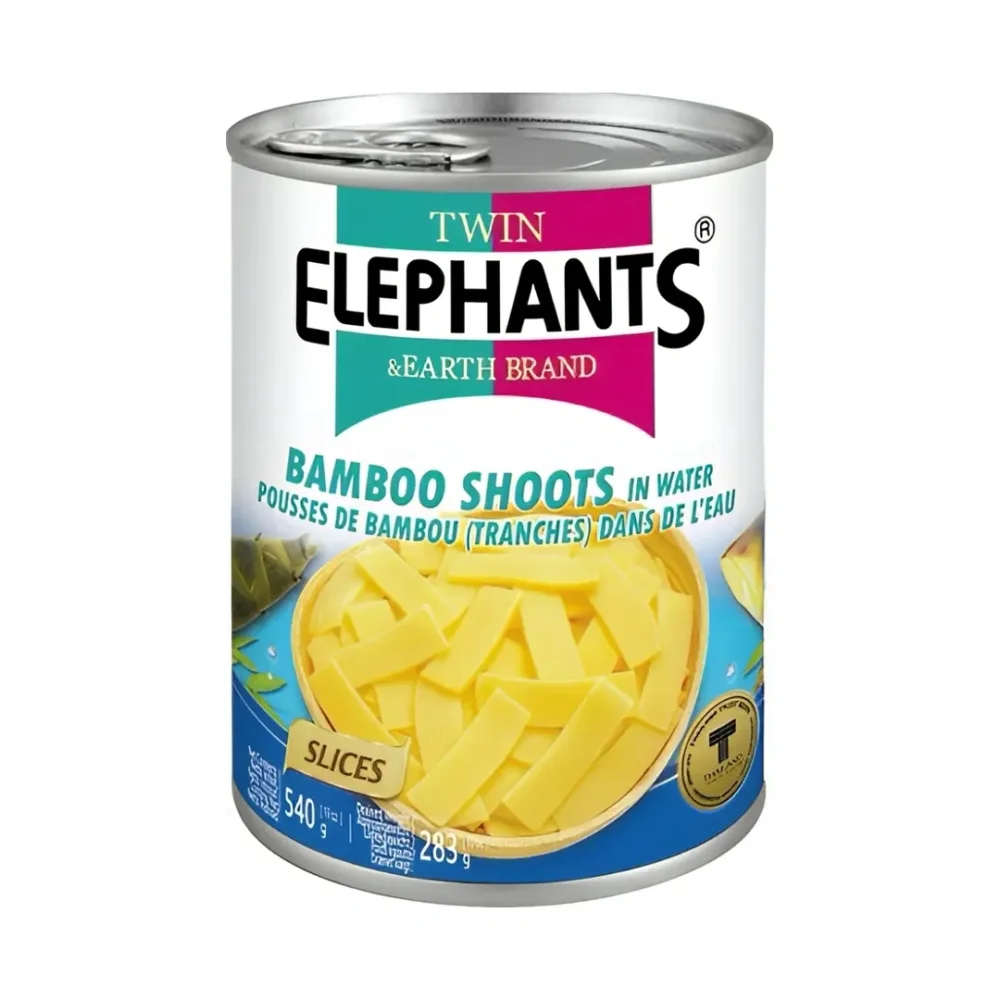
If you want to quickly add a crunchy element to food, ingredients that are only briefly heated and maintain structure often work – such as bamboo shoots. A practical example can be bamboo shoots (slices), which are suitable for woks, curries, or soups precisely because of their crunchiness.
👃 Fat and aroma: the “body” of the dish is not the enemy
Another common reason why vegan food seems flat is excessive caution with fat. In Asian cooking, coconut milk or a well-chosen aromatic fat (typically sesame oil as the final touch) gives the food body. It’s not about drowning the dish but giving it a carrier of aroma and roundness.
Acidity and herbs: how to add liveliness without animal depth
Without animal depth, acidity and freshness become even more important. Lime, tamarind, vinegar, herbs, pickles, fresh onion or coriander can lift the dish and balance fat and saltiness. When you feel the dish is “heavy” or dull, often a sour or herbal finishing touch helps – instead of adding more salt.
Tofu, tempeh, and co.: how to replace meat according to its role in the dish
There is no one “best meat substitute.” It makes sense to first ask: what exactly meat did in that dish? Sometimes it gives texture, sometimes it just carries the sauce, sometimes it builds broth depth – and the right choice changes accordingly.
When meat mainly provided texture in the dish
If you wanted a “bite,” tempeh, extra firm tofu, mushrooms, sometimes seitan, or fried tofu crispy on the surface often works. Here it is important to work with contrast and preparation that gives structure to the surface.
When meat mainly carried the sauce
In saucy dishes, the role of “carrier” can be taken by tofu, eggplant, mushrooms, potatoes, cauliflower, or in some styles even beans and chickpeas. The key is that the carrier has a good ability to absorb sauce and also doesn’t fall apart.
When meat added depth to the broth
In soups and broths, it pays to build on kombu, shiitake, miso, fermented soy components, and long-simmered vegetable base. This is exactly where umami is not a “detail” but the backbone of the whole flavor.
When you wanted a “grilled feeling”
For a more grilled impression, tempeh, firm tofu, eggplant, mushrooms, and marinades with soy, sugar, ginger and “smokier” elements (i.e., those that feel darker and more caramelized) often work. The point is not to imitate meat 1:1 but to bring roasted aroma and depth into the dish.
How not to get lost in tofu: silken vs. firm
Tofu is versatile mainly because it absorbs the flavor of surrounding ingredients excellently – it works as a carrier of marinade, sauce, broth, or spices. At the same time, a simple rule applies: the firmer the tofu, the more suitable it is for frying pan, grill, and baking; the softer, the better it works in soups, delicate stews, cold cuisine, dips, dressings, or desserts and creams. Silken tofu is very soft and fragile and is not suitable where you will aggressively stir it or turn it often.
Practical start at home: how to build flavor in one cooking session
If you want to start immediately and don’t want to cook “trial” dishes, a simple checklist helps. You don’t need to have ten bottles at home – just watch the functions and add what is missing.
1) Choose a starchy base that can carry strong flavors
Rice and noodles are not just side dishes – in many dishes, they are carriers for sauce, juice, and aromatics. If you want a universal base for woks and curries, jasmine rice works well. A specific example can be jasmine rice, which is suitable both as a side dish and as a base for fried rice.

2) Add umami, not just salt
In vegan cooking, it is practical to think of "saltiness and umami" as one backbone. Soy sauce belongs here not only because of salt but also because of the aroma of fermentation and umami. Miso and fermented pastes add depth and body – useful especially where you don’t want just liquid saltiness but a more complex base.
3) Address texture deliberately: soft + crunchy on one plate
If the whole dish is soft (e.g., tofu + soft vegetables + rice), it will seem monotonous even if you season it correctly. Add one crunchy element (crunchy vegetables, bamboo shoots, quickly fried component) and suddenly “it all comes together.”
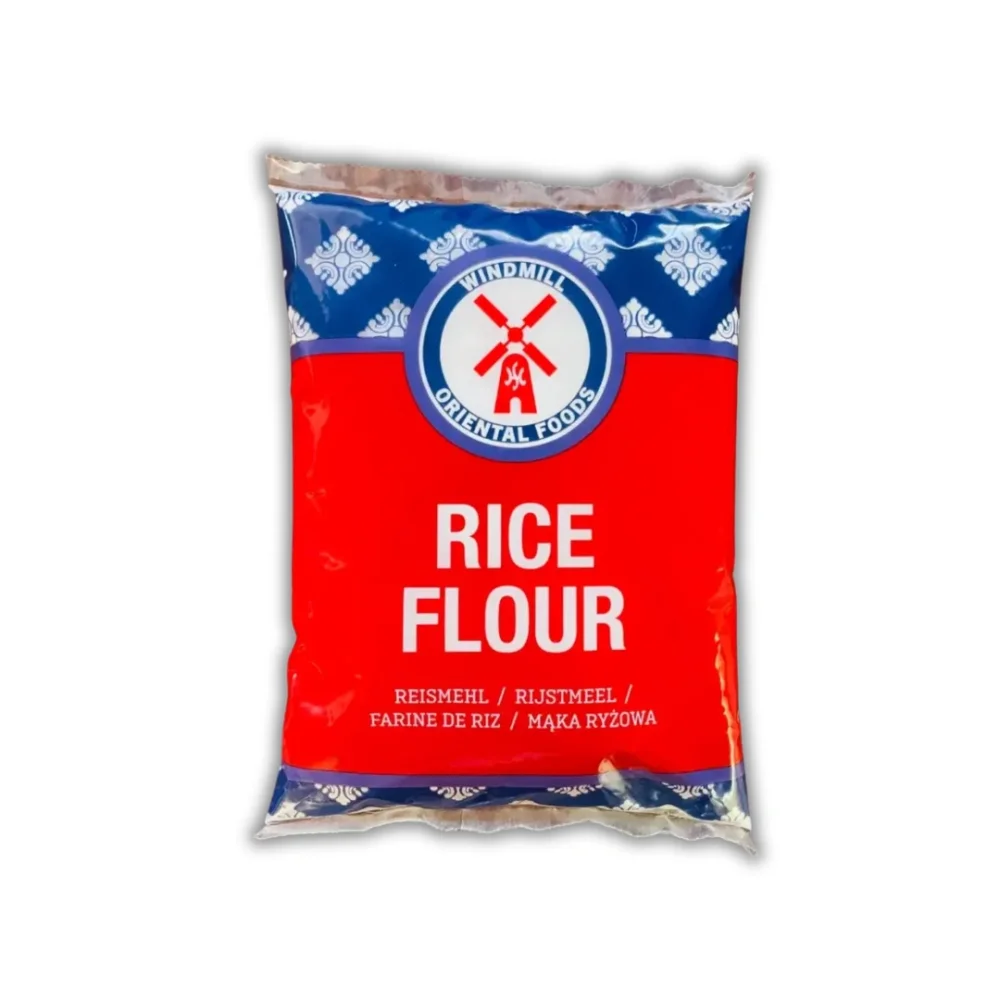
Rice flour – for example – can serve as a simple tool for lighter coatings or light doughs rice flour. Don’t consider it as a flavor but as a way to change surface and texture.
4) Don’t be afraid of fats – and use them where they make sense
Coconut milk can soften spiciness and make the dish rounder. Aromatic oils often are not “frying oil” but the final aromatic touch. If you feel the dish tastes “right” but is still somehow empty, the missing piece is often the fat as a carrier.
5) Refine with acidity and herbs (instead of adding more salt)
Lime, tamarind or vinegar can balance fat and open up flavor. Herbs and fresh elements (coriander, spring onion, pickles) add “liveliness.” The practical process is simple: add in small doses, taste, and look for the point where flavors stop merging and the dish starts to be readable.
6) When the sauce doesn’t have the right consistency: starches help
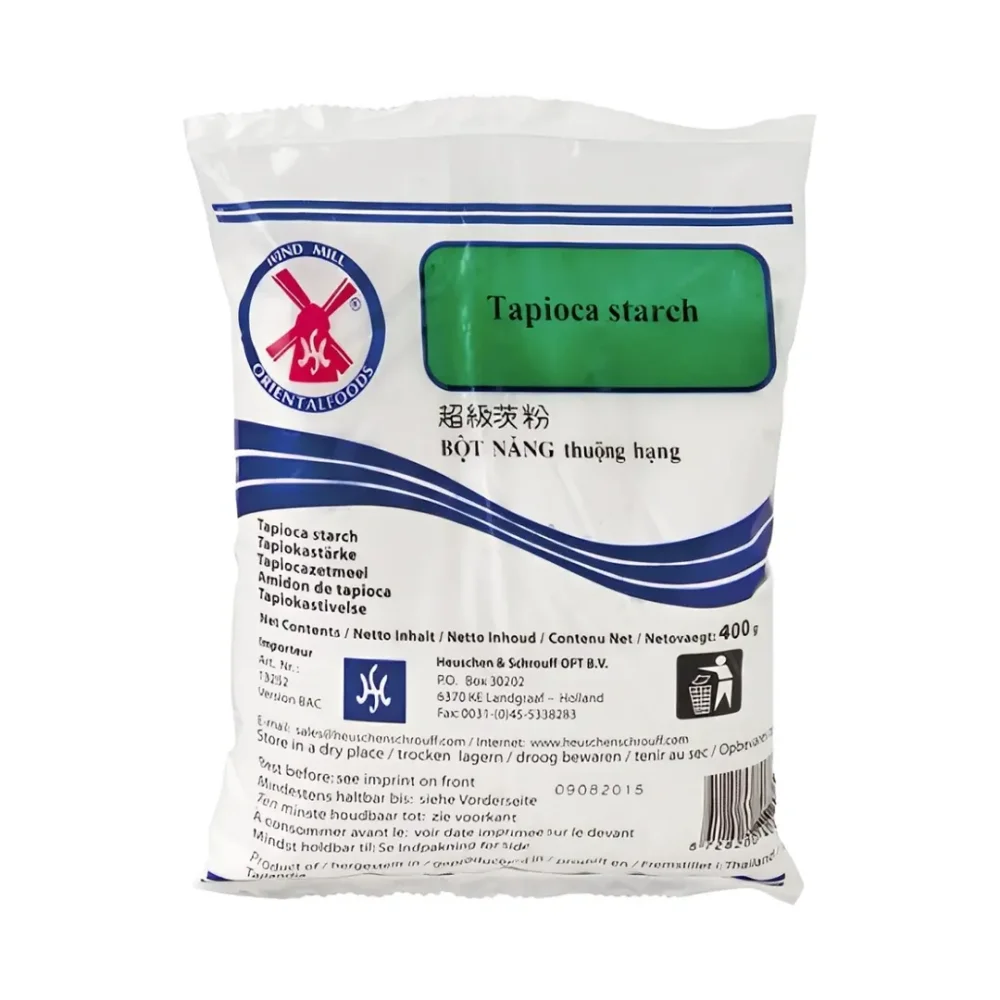
Starches are not just “thickeners.” They help create a typical smooth, slightly shiny sauce and improve the behavior of ingredients in the pan. If you want a neutral option for quickly adjusting sauce or soup texture, tapioca starchcan be useful. It is important to add it gradually and watch when the sauce is exactly how you want.
Common mistakes and warnings: why vegan Asian food sometimes “doesn’t work”
1) Skimping on umami (and then overdoing salt)
When umami is missing, the food tends to be flat and often ends up just oversalted. It helps to return to fermented bases, mushrooms, kombu, or miso and build saltiness along with depth, not against it.
2) Texture is “secondary” – and the whole dish then seems monotonous
Vegan cooking without meat is not just about flavor but also about bite. If you have soft tofu, add a crunchy component. If you only have noodles and vegetables, add an elastic or “bite” element (tempeh, mushrooms). Texture often decides more than an extra spoonful of sauce.
👃 3) Fear of fat: curry without body, wok without aroma
A well-chosen fat makes the dish fuller. Coconut milk, sesame oil or other suitable fat are not “unnecessary” – they are functional parts of taste and aroma.
4) Lacking acidity and freshness
Without animal depth, acidity becomes even more important. If the dish tastes heavy or dull, often a sour touch (lime, vinegar, tamarind) and fresh elements (herbs, pickles, onion) help.
5) Hidden animal-based ingredients in seasonings
In vegan Asian cuisine, a very common problem is “invisible” ingredients. Typically, these are fish sauce, oyster sauce, dashi (often fish-based broth) or shrimp pastes. If you cook vegan, it pays to watch these items especially where no one would expect them – in sauces, pastes, and prepared bases.
6) Unnecessary flavor losses due to poor storage
Flavor is not lost only by cooking but also by how ingredients age after opening. Heat, light, air, and moisture are the four main enemies: aromatic and fattier products mainly suffer from heat/light/air, dry ingredients mainly from moisture. Also, beware of prepared dishes and leftovers: it is not good practice to leave a large pot of soup or curry on the stove overnight with the idea that it will be “reheated in the morning.” Besides safety, this also leads to loss of quality and texture.
What to take away from the article
- Vegan Asian cuisine does not rely on one meat substitute but on a combination of umami, texture, fat, acidity, and final seasoning.
- Umami without meat and fish is built through miso, suitable soy sauces, mushrooms, kombu, and fermented components.
- Texture matters: mix soft and crunchy elements, otherwise the dish will seem monotonous.
- Choose tofu according to use: soft for soups and cold cuisine, firm for pan frying, grilling, and baking. Tempeh is denser, “chewier,” and more pronounced.
- Don’t forget fat (body and aroma) and acidity/herbs (liveliness) – they are often the missing pieces.
- In vegan cooking, watch hidden animal ingredients (fish sauce, oyster sauce, dashi, shrimp pastes) and also storage, which can unnecessarily reduce flavor and texture.

Read next
If you want to explore this topic further, continue with these related blog guides and articles:
