

 Česky (CZK)
 Slovensky (EUR)
 Deutsch (EUR)
 Austria
 Belgium
 Bulgaria
 Croatia
 Denmark
 Estonia
 Finland
 France
 Germany
 Greece
 Hungary
 Italy
Italy Latvia
 Lithuania
 Luxembourg
 Netherlands
 Poland
 Portugal
 Romania
 Slovenia
 Spain
Spain Sweden










Argentina Grill Seasoning: a Bold “Grilled” Flavor That Also Works in Asian Cooking
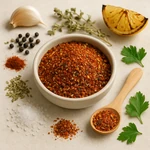
🌶️ What “Argentina Grill” seasoning usually means
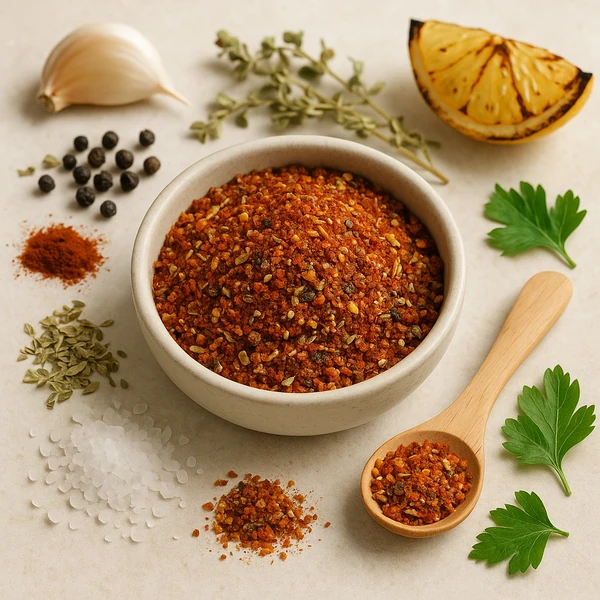
“Argentina Grill” isn’t one strict recipe. It’s a label inspired by South American grilling culture—big heat, browned surfaces, and confident seasoning that supports the taste of the main ingredient. In practice, it’s a savory, aromatic blend designed to taste great when heated.
Different brands vary, but the profile typically leans toward:
- Warm spice and gentle heat (often paprika and pepper, sometimes a touch of chili)
- Garlic/onion-style savoriness that reads as “meaty” even on vegetables
- Herby notes that feel familiar on grilled food
Because these blends are made for high-heat cooking, they’re especially useful when you want a browned, roasted aroma from a pan, oven, or indoor grill—no outdoor barbecue required.
🔥 Why it pairs so well with Asian dishes
Many Asian recipes build flavor in layers: sear first, then season, then balance with salty, sour, sweet, and spicy elements. Argentina Grill seasoning slips into that system easily because it provides an instant “base layer” of roasted spice that you can steer in an Asian direction with just one or two additions.
It works particularly well when you want:
- More depth in a quick stir-fry without measuring five separate spices
- A grilled note in noodles or fried rice even when cooking indoors
- A sturdier backbone for sauces that might otherwise taste thin (especially vegetable-forward dishes)
🍳 How to use it (and when to add it)
The biggest difference between “okay” and “great” results is timing. Many grill blends contain garlic/onion and fine spices that can burn if cooked too long on very high heat.
Best methods
- Dry seasoning before cooking: Pat your protein/veg dry, season lightly, then sear. Great for chicken, pork, tofu, mushrooms, peppers, and onions.
- Quick seasoning paste: Mix the blend with a little neutral oil (and optionally a splash of soy sauce). Coat ingredients and roast, air-fry, or pan-sear.
- Finish in the pan: After the main sear, sprinkle a small pinch and toss quickly. This protects the aromatics and keeps the spice bright.
Easy dosing guide
- Stir-fry for 2 servings: start with 1/2 tsp, taste, then add more only at the end
- Sheet-pan chicken (about 700–900 g): 1–2 tsp mixed with oil
- Fried rice/noodles (2 servings): 1/4–1/2 tsp plus soy sauce for salt balance
Tip: Many grill blends already contain salt. If you’re also using soy sauce or oyster sauce, season gradually and taste often.
🥡 Where it shines: practical ideas for everyday cooking
Proteins
- Chicken thighs or wings: season + roast, then finish with lime for lift
- Thin-sliced beef or pork: quick sear, then toss with soy sauce and a little rice vinegar
- Tofu or tempeh: adds “fullness” and a roasted edge; especially good when crisped first
- Shrimp: use a lighter hand so the blend doesn’t overpower the seafood
Vegetables and sides
- Oven-roasted vegetables: zucchini, eggplant, peppers, onions—coat with oil and season before roasting
- Fried rice: add a pinch while tossing at the end for a grilled aroma without dryness
- Pan noodles: season the protein early, then finish noodles with a small pinch and sauce
✅ Flavor pairings that “turn it Asian” (fast)
Use the seasoning as the warm base, then choose one direction:
- Salty umami: soy sauce (add slowly if the blend is salty)
- Bright sour: lime/lemon juice or a splash of rice vinegar to keep it fresh
- Sweet balance: a little honey or sugar helps browning and rounds out peppery notes
- Extra heat: add your preferred chili sauce rather than piling on more dry spices
What to avoid: combining it with several other strong spice blends at once. You’ll often get a muddled taste. Pick one “signature” blend, then adjust with sauce components (acid, sweetness, umami).
🍜 Quick Asian-inspired “Grill Stir-Fry” (no marinade needed)
This is a flexible template for weeknights.
- Sear: Heat a wok or pan until hot. Add a little oil and sear sliced chicken, tofu, or beef until browned.
- Add veg: Toss in onions and quick-cooking vegetables (peppers, broccoli, green beans).
- Season smart: Add 1/2 tsp Argentina Grill seasoning and toss for 10–20 seconds.
- Finish: Add 1–2 tbsp soy sauce and a squeeze of lime. Taste, then add a final pinch of seasoning only if needed.
- Serve: Over rice or noodles. Optionally top with spring onion.
🧂 How to choose a good blend (and what to watch for)
- Salt level: If salt is listed early on the ingredients, treat the blend as a “seasoning salt” and reduce additional salty sauces.
- Grind size: Finer blends season evenly but can burn faster; coarser blends are great for roasting and grilling.
- Heat: “Grill” blends range from mild to medium-hot. Start small—heat often builds after cooking.
🧊 Storage tips to keep the aroma
- Keep it dry, cool, and away from light.
- Close the container right after use—aroma escapes quickly.
- Always use a dry spoon to prevent clumping.
Our picks
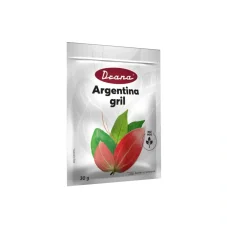
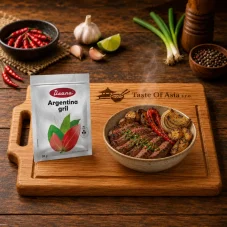
- Drana Argentina Grill 30 g – a handy size for testing the flavor in both grill-style and Asian-style dishes.
- Eisenbach 3in1 Sandwich maker, waffle maker, grill - 1000W – useful if you want grilled-style browning indoors for chicken, vegetables, or tofu.
❓FAQ
Is Argentina Grill seasoning spicy?
It depends on the brand. Many versions are mildly to moderately hot. Start with a small amount and increase at the end after tasting.
Can I use it in a wok without burning it?
Yes—just add it after the initial sear or near the end. If the blend is fine and garlic-forward, prolonged high heat can make it taste bitter.
Does it replace soy sauce?
Not really. Think of it as a roasted, savory spice base. Soy sauce provides salty umami and moisture; together they create a more complete stir-fry flavor.

Recommended products1
Drana Argentina Grill 30 g
Read next
If you want to continue with the same topic, here are more related articles to explore: