


 Česky (CZK)
 Slovensky (EUR)
 Deutsch (EUR)
 Austria
 Belgium
 Bulgaria
 Croatia
 Denmark
 Estonia
 Finland
 France
 Germany
 Greece
 Hungary
 Italy
Italy Latvia
 Lithuania
 Luxembourg
 Netherlands
 Poland
 Portugal
 Romania
 Slovenia
 Spain
Spain Sweden










The taste of Taiwanese cuisine: delicate, broth-based, and surprisingly "textured"
Taiwanese cuisine is not just bubble tea and night markets. It is a distinct, lively, and very diverse world where local styles meet various Chinese regional influences, a prominent Hakka layer, indigenous traditions, Japanese heritage, and modern urban food culture. If you really want to understand the Taiwanese taste, it pays to focus less on "spices" and more on broth, precise seasoning, and especially texture.
What "Taiwanese taste" means in practice
Taiwanese taste is often milder, but very distinct. It does not necessarily rely on extreme spiciness or an excess of spices – it works much more on a combination of several recurring elements:
- broth depth (soups, noodle bowls, "rice" sauces),
- light sweetness or sweet and sour (more as a subtle balance than a dominant sugary taste),
- precise seasoning (the flavor is strong but "non-aggressive"),
- texture – equally important as flavor: starch thickening, coatings, contrast of soft and crispy, "slippery" sauces, elastic components in drinks and desserts.
A good shortcut: if the food seems "clean" and yet deep to you, and you enjoy bite after bite (also because of the consistency), you are often close to the Taiwanese logic.
Why Taiwanese cuisine is so diverse (and why you can taste it)
Taiwanese cuisine developed on an island with its own historical evolution and an exceptionally strong mix of influences. Besides the local Taiwanese base, it meets here various Chinese regional cuisines, a strong Hakka layer, indigenous traditions and Japanese heritage – plus modern urban food culture.
For the average eater, this has a practical consequence: "Taiwanese taste" is not a single sauce or spice mix. It is rather a way of composing food – rice and noodles, soups and small portions, street food and homemade dishes – and the ability to create a significantly satisfying result from relatively simple ingredients.
Typical dishes where you recognize Taiwanese taste the fastest
Taiwanese taste is best understood through specific bowls and "classics" where broth, precise seasoning, and work with texture are visible.
Beef noodles: broth + noodles + character
Beef noodles are among the most famous Taiwanese dishes. Important is not only the combination of meat, broth, and noodles, but also that the Taiwanese preparation method gives the dish a specific character. In Taiwan, beef noodles are so highly regarded that festivals and competitionsare held around them.
Lu rou fan (braised pork rice): an everyday bowl that "holds together"
Lu rou fan – rice with braised flavored pork – is a typical everyday dish. It shows Taiwanese ability to make deeply satisfying food from simple ingredients: rice as the base, pronounced (but not exaggerated) seasoning, and a pleasant sauce "juiciness."
Oyster omelet: when texture is as important as taste
One of the most famous night market classics. It builds on a combination of oysters, eggs, starchy texture and sweet and sour sauce. Here you will probably "remember Taiwanese cuisine in your hand" – consistency and work with starch is key.
Danzai noodles: a smaller bowl, full flavor
Danzai noodles are a specialty from Tainan. You can clearly see the regional face of Taiwanese cuisine and the relation to smaller but flavor-packed noodle bowls.
Xiao long bao: delicacy, brothiness, and precision in a small format
Xiao long bao (steamed "soup dumplings") nicely fit into the Taiwanese preference for smaller portions and the emphasis on broth depth and balanced seasoning.
🍜 Typical ingredients: what forms the "Taiwanese base" at home
If you want to get closer to the Taiwanese taste in your home kitchen, it helps to know what recurs across dishes in this cuisine. The most typical ingredients include:
- rice,
- rice and wheat noodles,
- pork and beef,
- oysters and other seafood,
- tofu,
- soy sauces and soy-based seasonings in general,
- black vinegar (for a subtle acidic note),
- spring onion and ginger,
- starches important for sauces and coatings (thus also for texture),
- tea, tapioca and other "textural" components for drinks and desserts,
- local vegetables and pickles (pickled accompaniments).
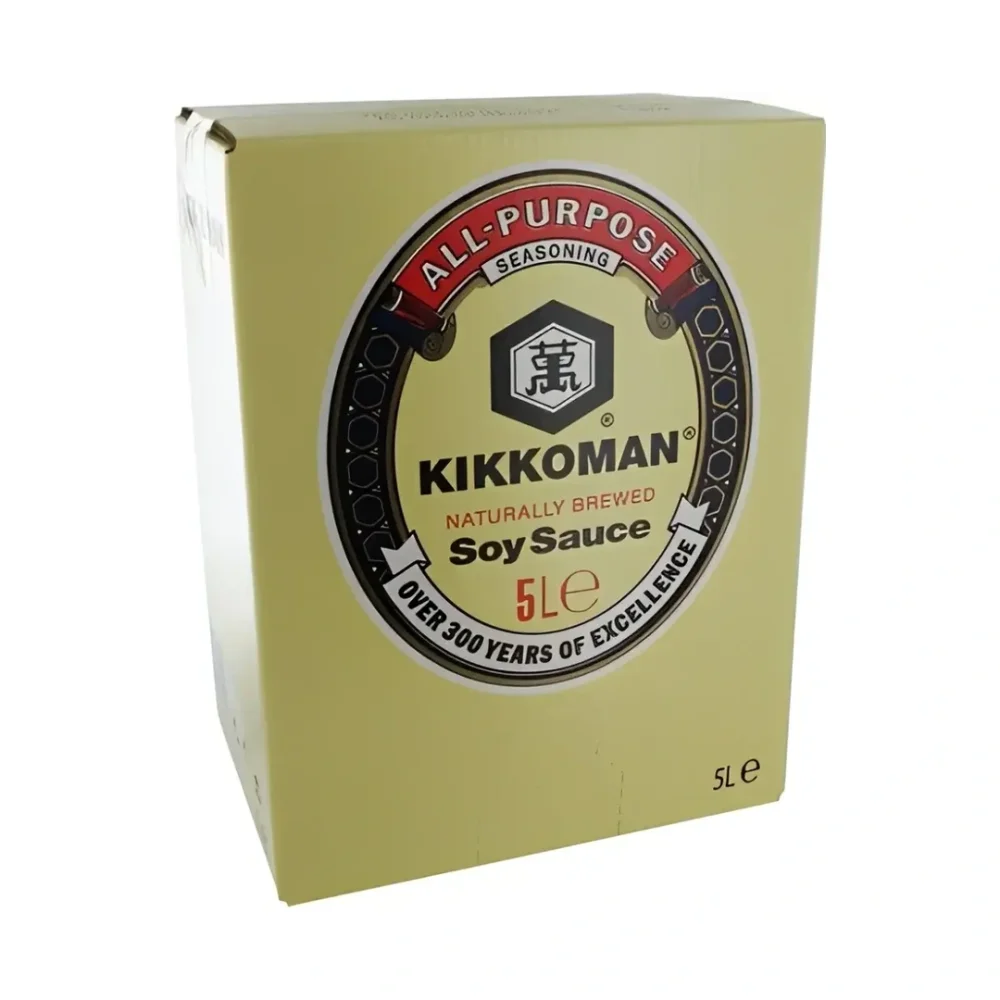
Among seasonings, the most universal stable support is quality soy sauce – the type and intensity can vary by dish, but the principle remains the same: add a little, taste, adjust. For general cooking you can start for example with Kikkoman soy sauce; if you want to explore different styles, the category other soy saucesserves as a guide.
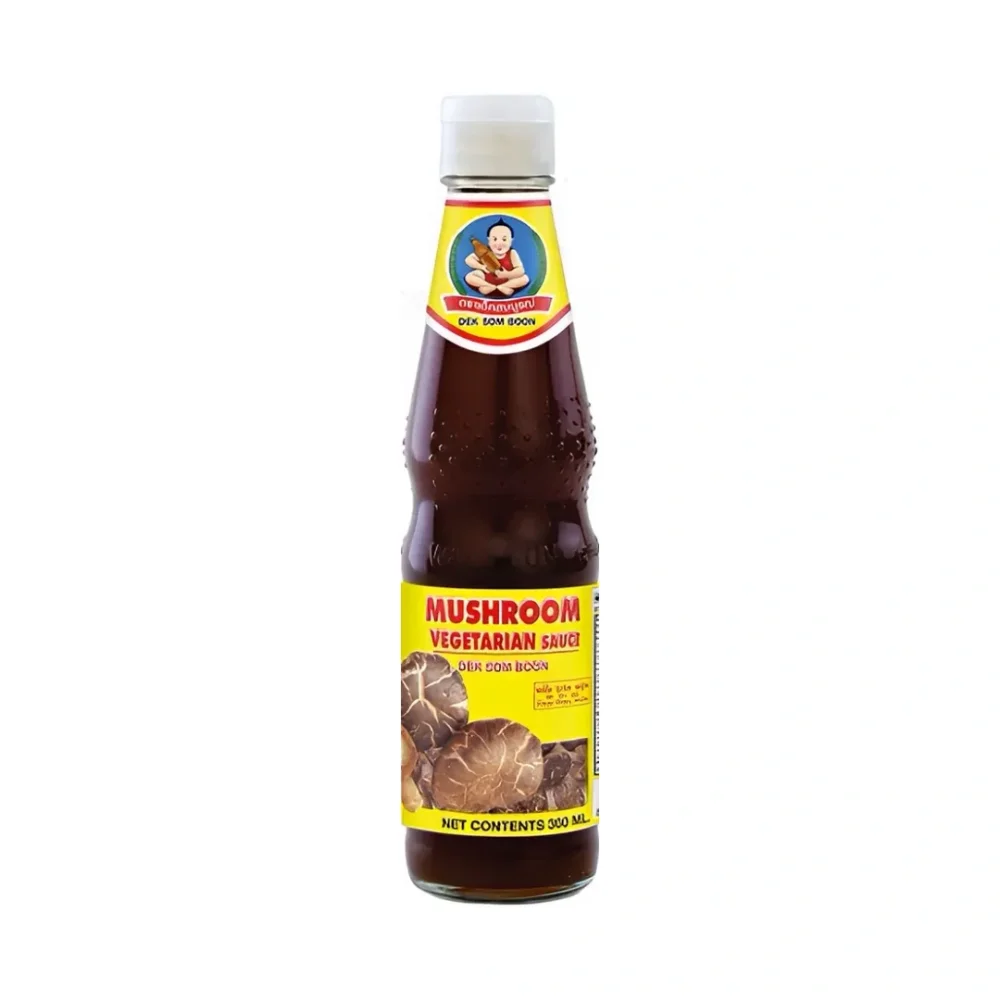
To "round out" the flavor (umami), sometimes vegetarian mushroom-based sauces are also useful – in small amounts they can complement soups, woks, and sauces for rice and noodles without overpowering other components. A practical example is Dek Som Boon mushroom vegetarian sauce.
How to start at home: 3 simple steps to "Taiwanese" flavor (without a recipe)
Taiwanese cuisine is very bowl-oriented – rice or noodles, broth or sauce, toppings, and texture contrast. Once you master this framework, you will navigate the flavor more quickly.
1) Choose a base: rice or noodles (and keep the portions rather small)
Taiwanese style often works with smaller dishes and snacks. At home, this means: better to make a smaller bowlthat you can fine-tune with seasoning and toppings than a large plate you then "chase" with salt and sugar.
2) Build flavor on broth/juice and precise seasoning
If you want the typical impression of "broth depth," start by preparing the liquid component that unites the whole dish:
- soup base (for noodle bowls), or
- juice/sauce (for rice bowls).
Keep seasoning gentle and gradual. A practical start guideline: for one smaller bowl, start with about 1–2 teaspoons of soy seasoning, then taste and only then add more. For an acidic note, a few drops of black vinegarwork; for a sweet and sour impression, often a very small adjustment suffices, not "over-sweetening."
👃 3) Don’t forget texture and final "clean" aroma
You often recognize Taiwanese cuisine by the fact that you enjoy the consistency. Try to notice consciously:
- where the food is soft (rice, braised meat, tofu),
- where the sauce slides (starchy "body"),
- and where on the contrary comes the contrast (pickled add-ons, spring onion).
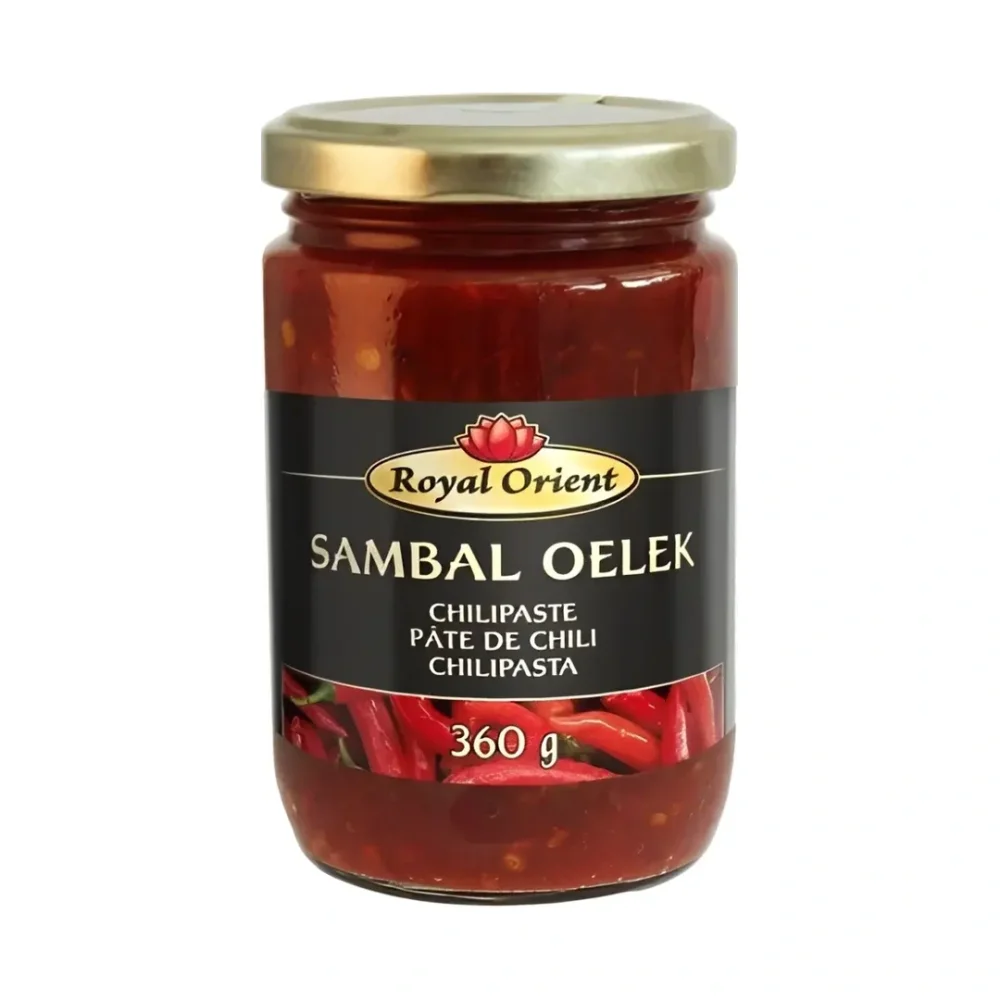
Do the final seasoning "on top": ginger and spring onion can brighten the dish without making it aggressive. And if you like spicy food, consider it an optional addition – Taiwanese taste does not need spiciness but can tolerate it. For pure spiciness without other flavors, small amounts of Sambal Oelek chili paste can be used – more like a "button" for adjustment rather than the main flavor.
💡 Common mistakes and what to watch out for
- “Taiwanese = it must be spicy.” Not necessarily. According to the typical flavor profile, broth, mild sweetness/sweet and sour, precision, and texture are more important. Spiciness can be a complement, not a requirement.
- Over-salting instead of umami. Taiwanese flavor is often “milder but distinct.” If the food tastes flat to you, don’t automatically add just salt. Try balancing first (a bit of acidity, mild sweetness) and work with the broth/sauce.
- Ignoring texture. For dishes like oyster omelet, texture is key, and without working on starch and consistency, it will seem like “something’s missing” even if the seasoning is right.
- Taking Taiwanese cuisine as “just a Chinese offshoot.” It is a separate system with its own blend of influences (local styles, Chinese regions, Hakka layer, indigenous peoples, Japanese heritage). If you expect one uniform taste, you will easily miss the point.
- Trying to cover everything with one sauce. Taiwanese style often works with “less and precise”: a bit of seasoning, a good base, then toppings and contrast.
What to take from the article
- Taiwanese flavor tends to be milder, broth-based, lightly sweet or sweet and sour – and relies heavily on texture.
- It is not primarily about spiciness and excess spices, but about harmony of broth/sauce and toppings.
- You’ll understand it fastest through typical dishes: beef noodles, lu rou fan, oyster omelet, danzai noodles, xiao long bao.
- For home orientation, the key are: rice, noodles, tofu, soy seasoning, black vinegar, spring onion, ginger, and starches.
- In practice, the “bowl” logic wins: smaller portions + good base + precise seasoning + texture.

Read next
If you want to explore this topic further, continue with these related blog guides and articles:
