


 Česky (CZK)
 Slovensky (EUR)
 Deutsch (EUR)
 Austria
 Belgium
 Bulgaria
 Croatia
 Denmark
 Estonia
 Finland
 France
 Germany
 Greece
 Hungary
 Italy
Italy Latvia
 Lithuania
 Luxembourg
 Netherlands
 Poland
 Portugal
 Romania
 Slovenia
 Spain
Spain Sweden










Dumplings and Asian dumplings: how to tell apart jiaozi, gyoza, mandu, and dim sum
Dumplings (dumplings, pockets, filled buns) are not a single specific dish but a huge family of foods across Asia. They share a simple principle: a dough or starch wrapper holds the filling – or forms a bite on its own without filling. In practice, however, they differ fundamentally: by the type of wrapper, shape, cooking method, and whether they are a quick pan dinner, part of a soup, or dim sum dining. This guide gives you a map to decide by situation, not just by foreign names.
What exactly does “dumpling” mean (and why it’s broader than “knedlíček”)
The word dumpling in the Asian context does not designate one specific thing. It is an umbrella term for foods that involve dough, wrappers, or starch layers – resulting in a “bite” which:
- hides a filling (meat, shrimp, tofu, mushrooms, cabbage, spring onion, ginger…)
- or is without filling and primarily relies on the dough’s texture
That is why very different styles exist side by side: thin wheat wrapper, translucent/starch wrappers, leavened dumplings and filled buns, open dim sum pieces and soup and broth pockets. In different regions, the role of dumplings in meals also varies: somewhere they are a festive matter, elsewhere a common “quick lunch” or street food.
A useful shortcut for orientation: when you don’t know what to expect, first ask about the wrapper (wheat vs starch vs leavened) and only then about the filling. The wrapper often determines whether a dumpling is suitable for steaming, soup, or pan-frying.
Why dumplings are so important in Asia
Dumplings combine several "advantages at once" that explain why they are widespread across Asia:
- Practicality: the filling is enclosed in the wrapper, dumplings are easy to portion, carry, and often freeze.
- Social dimension: preparation is often a group activity at the table – shaping and folding is naturally a "shared activity".
- Festive role: in many regions they are associated with holidays and family gatherings.
- Variability: the same dough/wrapper can carry completely different fillings – from pork and shrimp through tofu and mushrooms to sweet bean pastes or soup aspic.
For home cooking this means one practical thing: dumplings are a great “gateway” to Asian cooking. The principle is understandable, the use fast – and yet through them many different styles and textures can be explored.
🌶️ Main families of Asian dumplings and filled buns: what distinguishes them in practice
Differences among the various families are not only in the name. For home use the key is to watch:
- wrapper (wheat vs starch/translucent, thin vs thicker),
- cooking method (boiling, steaming, pan-frying – often a combination),
- role in the meal (main course, dim sum “piece,” or part of soup).
1) Chinese jiaozi
Jiaozi are among the best-known Chinese filled pockets. Typically, they have a crescent shape, wheat wrapper and filling of meat and vegetables (often pork, Chinese cabbage, chives, ginger, or shrimp). They are made in various ways: boiled, steamed and pan-fried.
Jiaozi are strongly associated with northern China, wheat cuisine, and festive dining. They also have symbolism: their shape resembles old ingots and they are connected with abundance, luck, and the transition from old to new year.
What this means for home practice:
- boiled jiaozi tend to be softer and emphasize the filling,
- pan-fried jiaozi offer a contrast of crispy bottom and juicy center,
- tolerate stronger dips based on soy sauce, black vinegar, chili oil, and garlic.
2) Japanese gyoza
Gyoza are the Japanese branch related to Chinese jiaozi. In Japan the version yaki-gyozais especially widespread: dumplings are first pan-fried and then “finished” with steam (usually right in the pan). The result is a strong contrast: crispy bottom and juicy interior.
If you want to start simply, the gyoza style (pan + steam) is practical because it combines two effects in one step: color and crispiness from frying and steam for thorough heating.
3) Korean mandu
Mandu are Korean dumplings that belong to the same wide family of filled bites. For orientation here, the basic question helps: what kind of wrapper do they have and how are they prepared (steam, boil, pan). With mandu do not look for “one single correct form” – it is important to understand the style of the specific variant you have.
4) Wontons (soup and broth pockets)
Wontons fit well into the category soup and broth pockets. In practice, this means they are often counted as part of the bowl: broth or soup base + pockets + a few other ingredients.
If you enjoy dumplings precisely in a “bowl,” the wonton principle is a good bridge between dumplings and Asian broth soups, where dumplings often function as one of the main components alongside noodles, rice, or tofu.
5) Shumai / siu mai (open dim sum pieces)
Shumai (often written Cantonese as siu mai) belong to typical open dumplings/dim sum pieces. The "openness" is an easily visible feature: it is not a closed pocket but a shape where the filling partially remains visible – and it is often eaten during dim sum dining.
Dim sum: it’s not one dumpling but a dining style (and it wouldn’t work without dumplings)
Dim sum is a broader world of small Cantonese dishes. It is important to clarify one common misunderstanding: dim sum is not the name of a specific dumpling type. It is a style of service and dining – “small pieces” that are shared, combined, and progressively ordered.
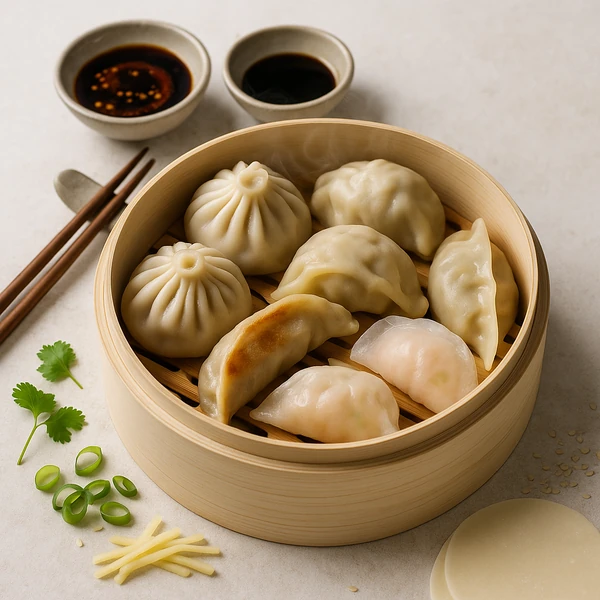
Still, it holds that without dumplings dim sum would not make sense to most people. For many diners, the entry to dim sum is precisely through familiar pillars such as har gow, siu mai, xiao long bao and char siu bao.
Practical advice for home orientation: if you want to make a “dim sum evening,” choose a combination of different textures (something steamed, something with a stronger filling, something softer) – and expect dumplings to be the main carrying element around which everything else revolves.
How to choose dumplings by situation (and how to start with them at home)
When choosing dumplings, the name alone often doesn’t help – much more helpful is the specific scenarioin which you want to use them. Try to pick one of these situations and select style and seasoning accordingly:
- I want a quick pan dinner – look for a style that fries well (typically jiaozi/gyoza principle).
- I want something for soup – pockets that make sense in broth (wonton type), or dumplings meant for boiling.
- I want to steam and make a dim sum evening – go for steamed/starch styles and dim sum pieces.
- I want a treat for several people – a mix of preparations works (some steamed, some fried) and several dips.
- I want a strong snack with dip – fried variants and strong sauces.
- I want a delicate shrimp version – typically a gentler profile and often paired with a lighter dip.
- I want a vegetarian option – vegetable/tofu fillings and less aggressive dips.
1) Basic "dumpling set" for the table: dip + side
With dumplings it’s worth not underestimating a simple logic: even though they are full of flavor themselves, a dip and a suitable sideoften elevate them.
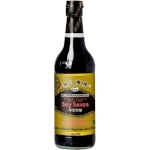
- Soy base for dip: if you want to have several styles on hand (and try what suits your type of dumplings), a guide to other soy sauceshelps, because different soy sauces can behave differently in dips and seasoning.
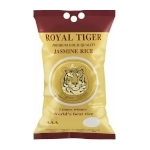
- Rice as a mild side: with more boldly flavored dumplings (or when dip is spicier) a more neutral side like jasmine riceoften works well.
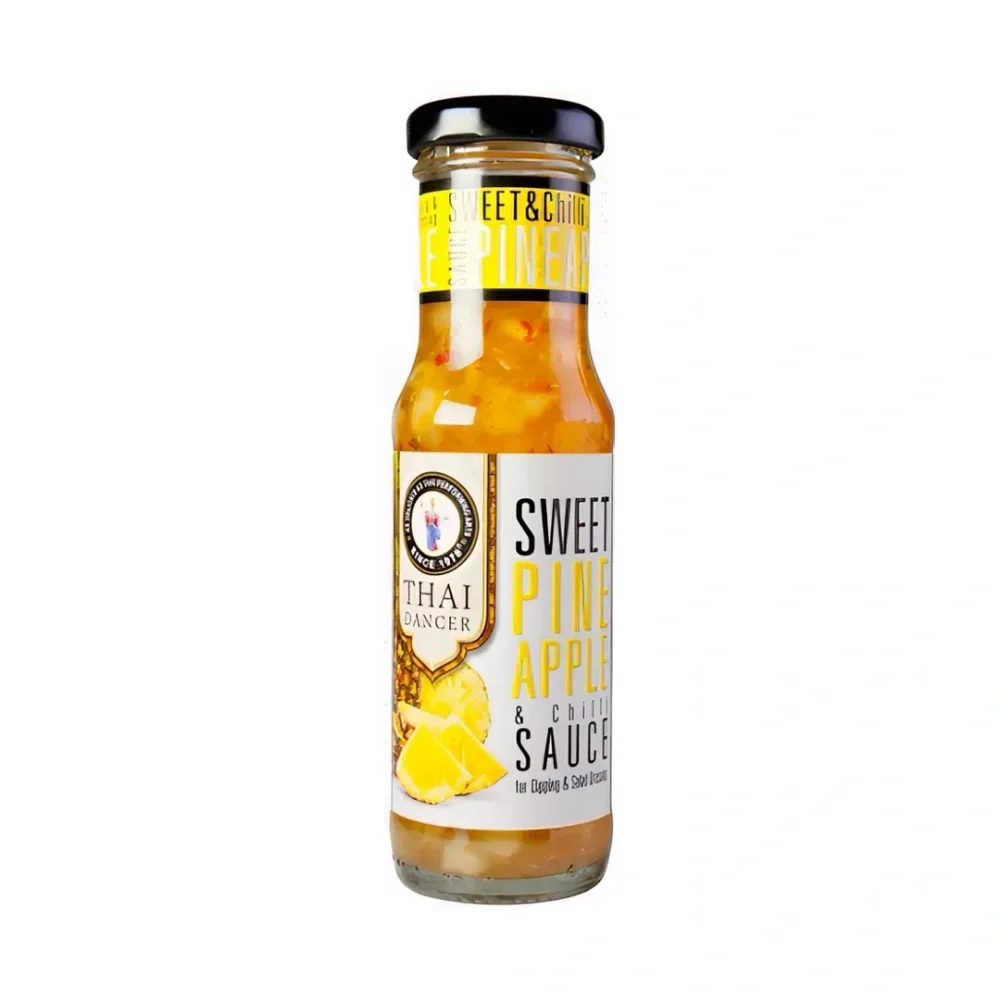
For the very first attempts, it is practical to have a dip that is understandable and works without complicated mixing. If you want a sweet-spicy contrast, you can use for example sweet pineapple chili sauce as a simple dip on the table.
2) Pan vs steam vs water: how to choose the cooking method and what to watch out for
For dumplings, the biggest mistake is not the “wrong temperature,” but wrongly chosen method for the given type of wrapper. In general:
- Pan + steam (gyoza/jiaozi style): suitable when you want a crispy bottom and at the same time a certainty of thorough heating. It is practical to count on needing a little water and a lid for the second phase.
- Boiling in water: often results in a softer outcome and highlights the filling more. It is also suitable as a “safe start” when you are not sure how the wrapper will react to the pan.
- Steaming: typical for part of the dim sum world and for more delicate wrappers, where you do not want a crust but a clean texture.
- Soup/broth: for soup dumplings, keep in mind that the final flavor is a combination of the broth and the dumpling – therefore a clean, well-seasoned base is important.
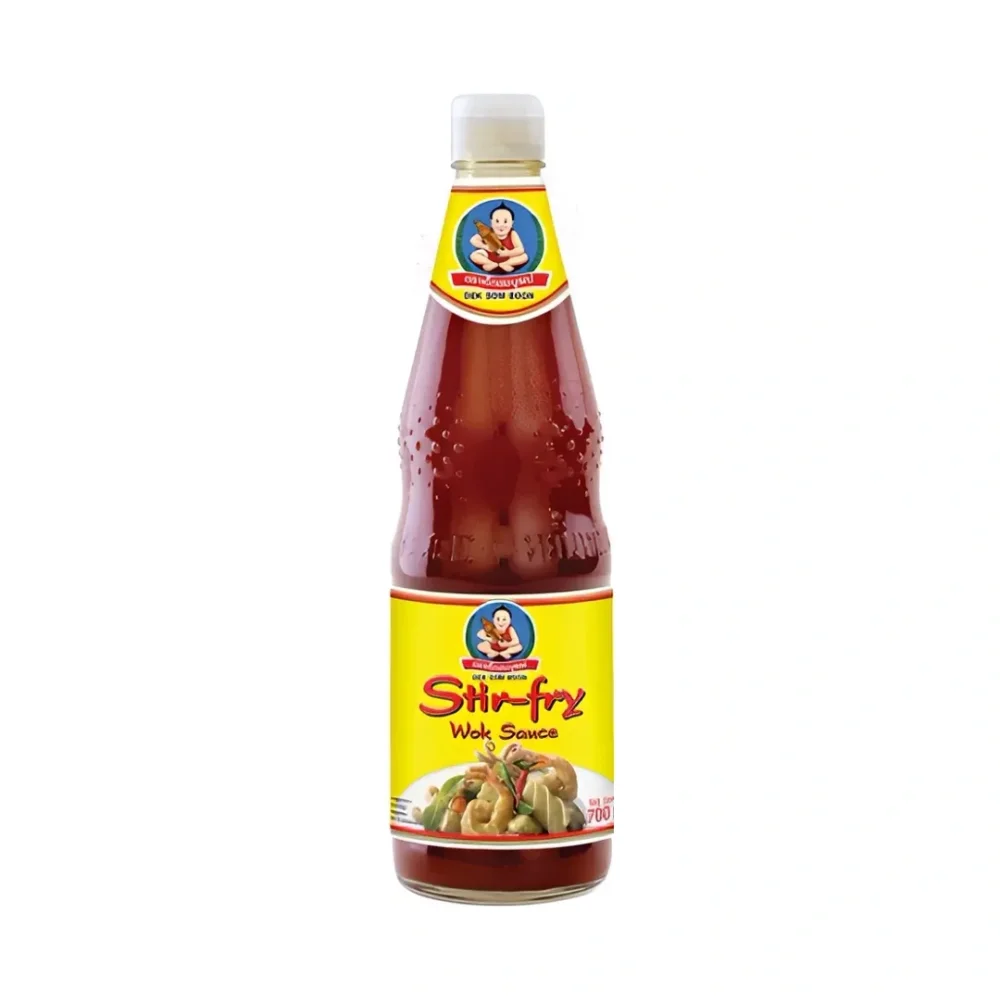
If you want to serve dumplings as a “quick Asian plate,” a simple sauce that nicely coats the ingredients and gives a sweet-salty profile can be added – for example frying sauce (Dek Som Boon). However, use it rather as a finishing seasoning or as part of quick pan preparation, not as the only source of flavor.
3) When you want to address dumplings also “from the wrapper”: flours and texture
In some dumpling traditions (especially with starchy/translucent wrappers or rice dumplings), texture matters more than seasoning. And texture often depends on the correct type of flour or starch.
It is useful to think with the question: what should the ingredient do in the dish?
- I want elasticity and a chewy structure? Sticky rice flour (glutinous rice flour) or some starches often help. Important: “glutinous” here does not mean gluten – it is gluten-free rice that becomes highly sticky after cooking.
- I want a translucent/glassy result? Tapioca, sweet potato starch, or wheat starch often come into play.
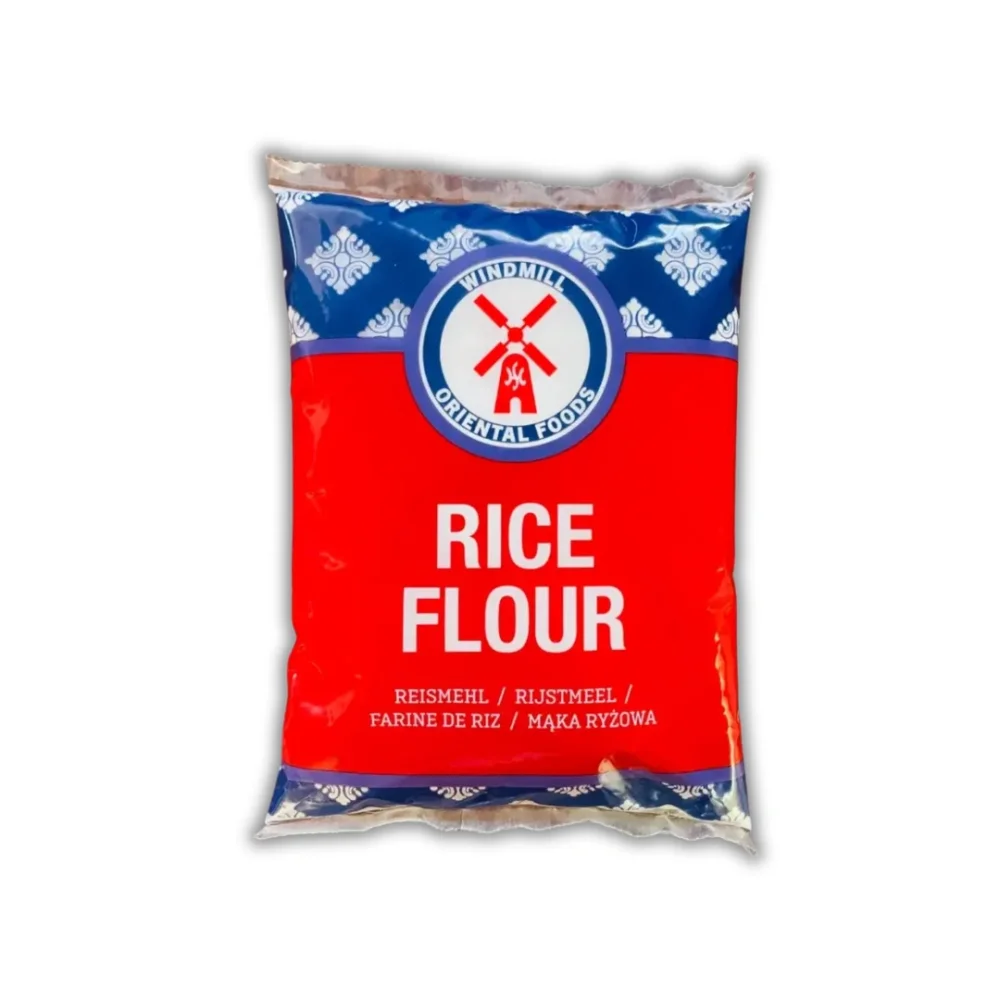
- I want a neutral, mild base and versatility? Good starting point is classic rice flour.
If you work at home with rice flour as a universal helper (for example for finer doughs or light coating), it can be handy to also have a specific basic type, such as rice flour. Just do not confuse it with sticky rice flour – the resulting texture will be different.
💡 Most common mistakes and what to watch out for
- Confusing “dim sum” for a single type of dumpling: dim sum is a dining style. Dumplings are its pillar, but dim sum ≠ dumpling.
- Choosing only by name, not by use: it is much better to decide based on the scenario (pan, soup, steam, gathering) than based on whether they are called jiaozi/gyoza/mandu.
- Confusing rice flour and sticky rice flour: “sticky” does not mean wheat gluten. These two flours behave differently and lead to different textures – especially for dumplings where texture is key.
- Expecting every dumpling to be crispy: some styles are meant to be delicate (steam, broth) and a crust would be undesirable.
- “Overpowering” the flavor with dip: a strong dip can overwhelm the filling. Try tasting one piece without sauce first and then adjust whether you need a bold or rather a mild accompaniment.
What to take away from the article
- Dumplings are not a single dish: it is a family of dishes where the wrapper, cooking method, and role in the dish matter.
- For orientation, ask about the “situation”: pan, steam, water, soup, dim sum evening – choose the style of dumplings accordingly.
- Jiaozi vs gyoza: both are related, but gyoza typically involve pan + steam (crispy bottom, juicy center).
- Wontons and soup dumplings make sense as part of a bowl where flavor is also made by the broth.
- Dim sum is a dining style, not “one dumpling” – but dumplings are essential in it.
- Texture depends on flour and starch: rice flour ≠ sticky rice flour; translucent wrappers often need starches (tapioca etc.).

Read next
If you want to explore this topic further, continue with these related blog guides and articles:
