


 Česky (CZK)
 Slovensky (EUR)
 Deutsch (EUR)
 Austria
 Belgium
 Bulgaria
 Croatia
 Denmark
 Estonia
 Finland
 France
 Germany
 Greece
 Hungary
 Italy
Italy Latvia
 Lithuania
 Luxembourg
 Netherlands
 Poland
 Portugal
 Romania
 Slovenia
 Spain
Spain Sweden










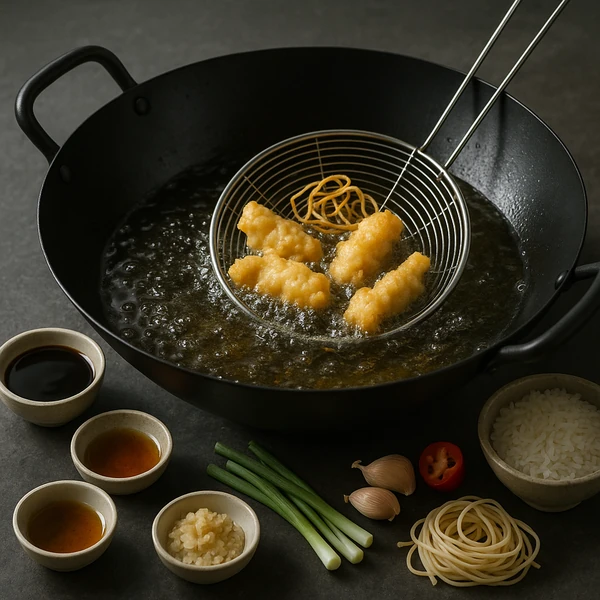
Frying in Asian cuisine: how crispiness, lightness, and the "first layer of flavor" are created
Frying in Asian kitchens is more than just "throwing something in oil." Behind one word, several different techniques are hidden - from quick searing in a wok to light frying in a thin layer of fat to deep frying and double frying. When you understand the differences and a few technical rules, you can achieve a crispy result at home that doesn't feel heavy or overly greasy.
Why frying is so important in Asia (and why it determines the "authenticity" of a dish)
In Asian cuisines, dishes are not defined just by ingredients and sauces, but also by the way heat, fat, steam, broth, and especially texture are handled. The same ingredient can taste completely different depending on whether you quickly sear it at high temperature, slowly braise it, steam it, or fry it.
Frying often creates what we perceive in food as "ready at the first bite":
- crispiness as an independent flavor and texture layer,
- contrast between the crispy surface and the soft or juicy center,
- a distinct surfacecapable of carrying the final seasoning or dip.
What "frying" means in Asian cuisine: it is not one technique
In everyday household language, "frying" often narrows down to one idea: pan and oil. In Asian kitchens, however, it is a whole family of procedures. These include, for example:
- light frying in a small amount of fat,
- quick searing at high temperature,
- deep frying,
- double frying,
- frying doughs, dumplings, tofu – and sometimes even desserts.
Each of these procedures does something slightly different: it works with temperature differently, creates a crust differently, and reacts differently to sauces and dips. When you start to distinguish them, typical problems at home (sogginess, heaviness, greasiness, "blandness") stop happening.
Five forms of frying worth being able to name
1) Light frying in a small amount of fat: when you want color and surface, not a "coating"
Light frying works with less fat – the goal is to create a seared surface and a flavor hint, not a full crispy crust like in deep frying. In practice, it is suitable for ingredients that already have texture themselves and you just want to "finish" them: typically tofu, various patties, or pieces of vegetables.
Control is important: when the temperature is too low, the ingredient tends to absorb more fat. When it is too high, the surface darkens before the center is heated through.
2) Quick searing in a wok (stir-fry): a different logic than European "sauté"
Stir-fry is a fast technique based on high heat, short time, and brisk work. In European cuisine, it is sometimes confused with "sauté," but Asian stir-fry usually works with higher temperature, faster handling and often with a different amount of food.
For a home result, what happens before turning on the stove is crucial: ingredients need to be cut evenly and prepared so that they can go into the pan in order and quickly. Cutting and readiness are unexpectedly large parts of "technique" in Asian cooking.
Typical ingredients for stir-fry are those cooked briefly and then seasoned with a sauce. A practical example where this makes sense is noodles quickly prepared in a pan.
3) Deep frying: “a lot of oil” does not necessarily mean “greasy result”
Frying is not just about the amount of oil. When done technically correctly, the result does not have to feel overly greasy. In Asian cuisines, it is essential for dishes where crispiness should be a dominant part of the experience – for example tempura, spring rolls, crispy fried pieces in Chinese or Korean styles, street food snacks, and also various fried patties and snacks in India and Southeast Asia.
4) Double frying: crispiness that lasts more than a few minutes
Double frying is a procedure where the ingredient is fried in two steps. From a texture point of view, it is a way to increase crispiness: the surface becomes more pronounced and stable. In Asian kitchens, you encounter it in various “crispy pieces” and snacks where the goal is for the surface to hold up even after serving (or when in contact with a dip).
If you struggle at home with what is crispy from the pan quickly softening on the plate, double frying is one of the techniques that comes into play as a solution – but only if you also master the oil temperature and batch work (see the practical part below).
5) Frying doughs, dumplings, tofu – and sometimes sweets
Frying in Asian kitchens is not only about meat or fries. Various types of dough and starchy structures are commonly fried: dumplings, coated pieces, tofu – and frying also appears in sweet preparations. This is important to understand especially if you expect “sweet” to automatically mean “baked.”
In many Asian cuisines, the sweet world does not rely only on the oven: steam, cooking, setting, cooling, pressing – and sometimes short searing or frying at the end, which adds a contrast in textures.
How to achieve crispiness without unnecessary greasiness: practical rules that make the biggest difference
With deep frying (and often other frying techniques), the same points keep repeating. They make sense as a “checklist” that helps you fine-tune the result at home quickly.
1) Oil temperature: don’t let it drop too low
The key is correct oil temperature and especially that it does not drop drastically during frying. Once the temperature falls too low, the ingredient begins to behave differently: instead of quickly forming a surface, it may absorb more fat and the result feels heavy.
Therefore, it makes sense to plan frying so you can keep the temperature stable – and batch size is adjusted accordingly (next point).
2) Don’t overload the batch: frying “in parts” is not fussiness but technique
One of the most common causes of greasy results is overloading the pan or pot. When you put too much into the oil at once, the temperature drops and the ingredients start to “cook in oil” rather than fry quickly. For things like spring rolls, this is the difference between crispiness and quick softening.
🍳 3) Preparation and drying of the ingredient: surface matters
For frying (especially deep frying) it is essential that the ingredient is well prepared and dried. It’s not just about avoiding splattering: water on the surface prevents the creation of the proper crust and unnecessarily lowers the temperature.
Practically, this means: dry the surface, don’t let ingredients stand unnecessarily in moisture, work with reasonable cutting (even pieces), and for some types of dough or coatings, ensure they have the right consistency for quick surface formation.
4) After frying, let it drain and rest
Part of the technique is also what happens after taking it out of the oil: let the food drain and rest for a while. This reduces the perception of greasiness and also gives the surface a chance to "finish" becoming crispy.
5) Cooking sauce vs. table dip: with fried food, it’s a difference you notice immediately
Seasoning belongs to crispy foods, but it is important to distinguish two roles:
- Cooking sauce – used during preparation and forms the flavor base (typically in stir-fry).
- Table dip – served on the side and added in small portions; often aims to lighten the fat, add acidity, highlight umami, or add freshness.
A common mistake is confusing them: using a “cooking” sauce as a dip (or vice versa) can make the food feel either overly heavy or unfinished.
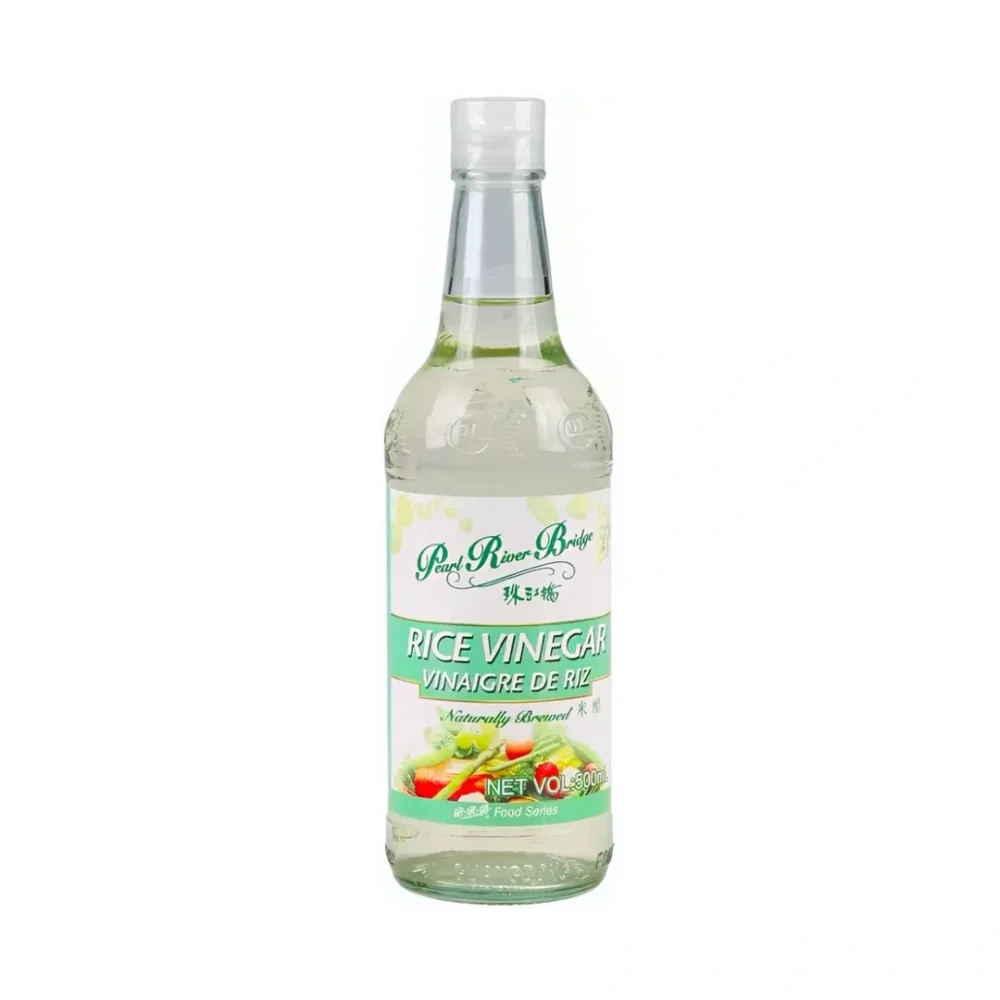
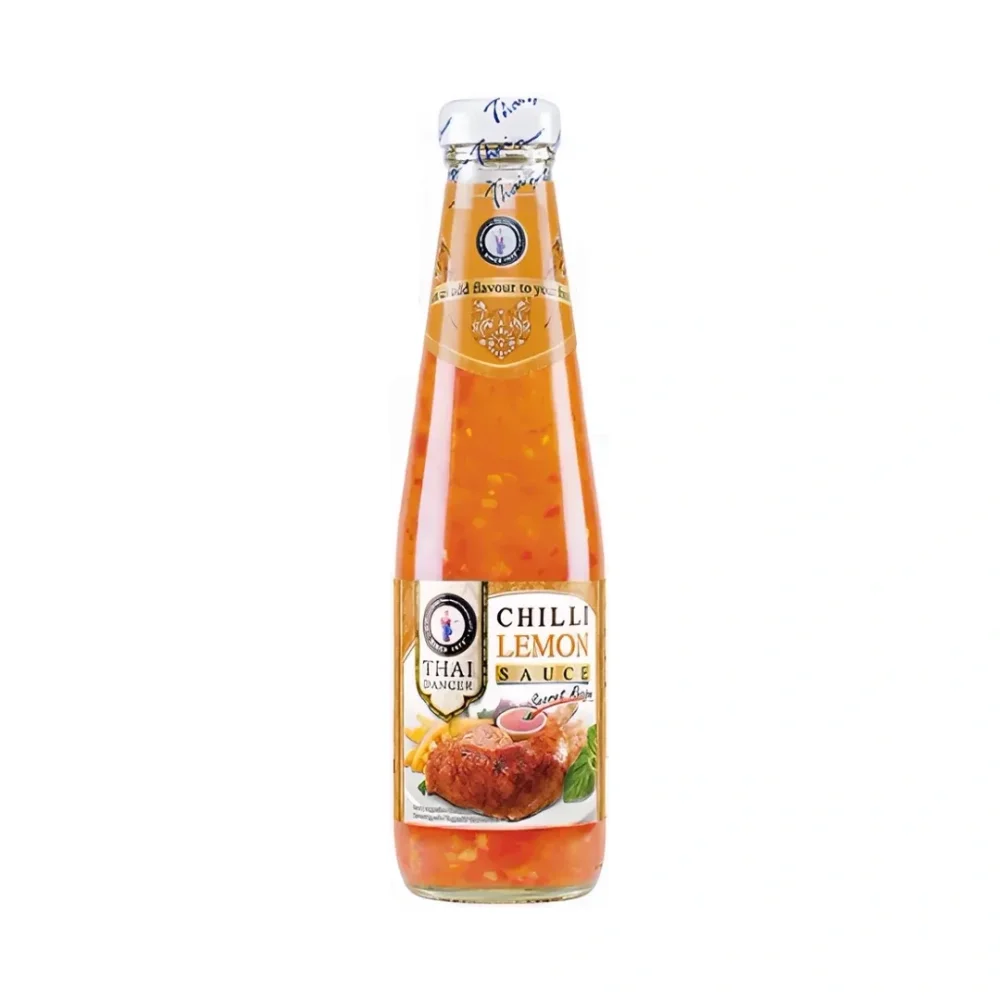
For a simple homemade dip, the balance logic works: salty base + acidity + some sweetness + spiciness and aroma. As an example of an acidic component, rice vinegarworks well, as it is mild and fits nicely with crispy things where you want to "cut through" the fat. And if you want a quick table addition completely without complicated cooking, ready-made fresh acidic chili sauces like lemon chili sauce make sense – precisely because sourness and spiciness often work well with fried food.
👃 Frying as a flavor technique: spices on fat and the "first layer" of aroma
In some Asian cuisines (typically Indian and Sri Lankan styles), it is common to “awaken” spices by briefly heating them in fat. Whole seeds start to smell and release essential oils – which changes the flavor of the spices. This principle explains well why frying is not just about texture: it can also be a way to build aroma.
But there is a fine line: with dry toasting (or too aggressive frying in fat), it is easy to go from “aromatizing” to bitterness. If the spices blacken and start to smoke, it’s not intensity but a mistake that overpowers the rest of the dish.
🍽️ Quick home onboarding: where to start so frying makes sense even without complicated recipes
If you want to start “frying Asian style” at home and don’t want to base your first attempt on chance, a simple strategy helps: choose one technique and one group of dishes to practice it on.
- Stir-fry as the quickest training in temperature and preparation: take ingredients that fry briefly, and watch for even cutting + quick sequence in the pan. As a practical base, noodlesare recommended, because it’s easy to see the difference between “seared” and “braised in their own juice.”
- One flavor base for the pan: sauces with a strong umami note are often used for wok dishes. A specific example for stir-fry is oyster sauce, which is suitable for quick pans and marinades and typically helps create a “finished” flavor without long cooking.
- Final aroma at the end: some aromatic oils are used drop by drop as the final seasoning. A typical example is sesame oil – it makes sense to treat it as the final layer of aroma, not as the main frying tool.
- One crispy technique: if deep frying appeals to you, choose one thing to learn batch work and draining well – for example rice paper rolls (spring rolls style) , because with them you can immediately tell if the surface is crispy or rubbery and if it softens quickly.
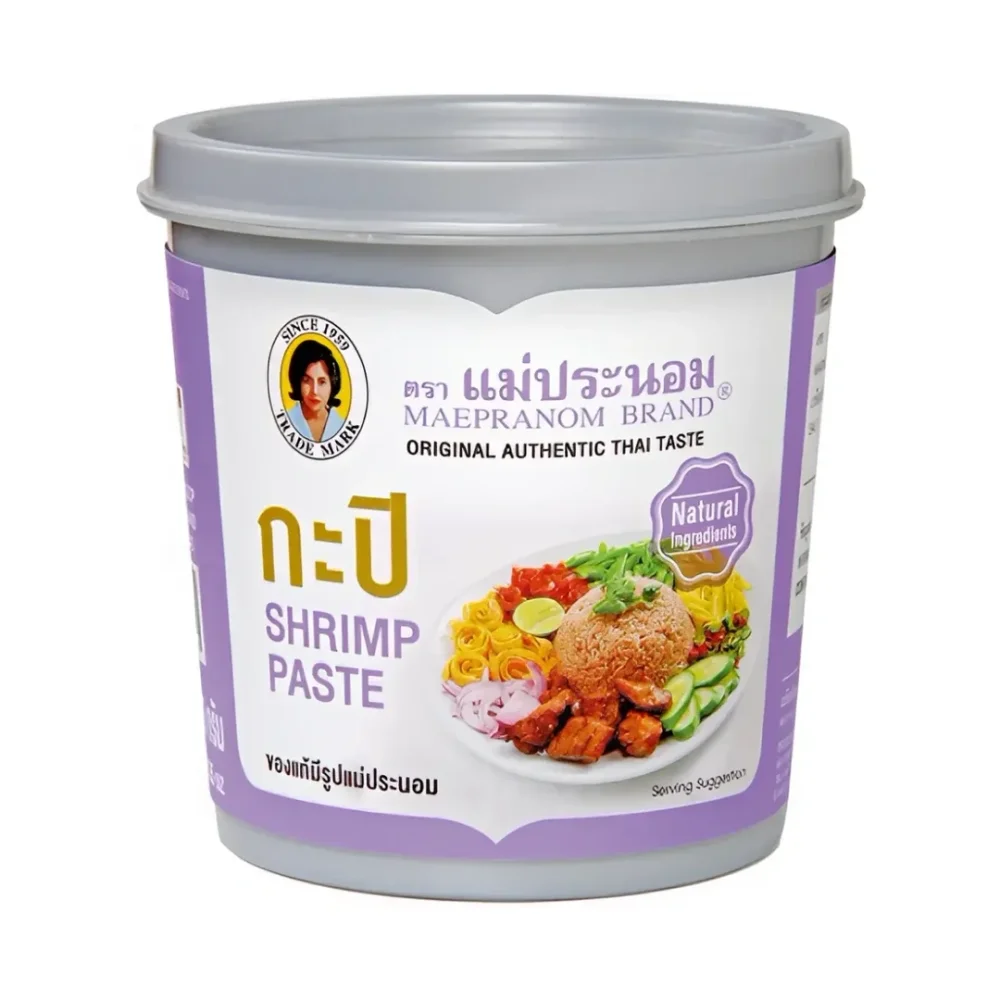
If you also want to understand why some dishes taste “Asian” even without much sauce, it’s worth noticing small but strong seasonings. An example is shrimp paste, which is used in small amounts in curries, sauces, soups, and stir-fry – precisely as a concentrated salty-umami accent.
Common mistakes and misunderstandings that spoil frying the most
- “Frying = greasy”: greasiness often does not come from a large amount of oil, but from improperly controlled temperature, wet ingredients, or overloaded batches.
- Too large a batch in oil / pan: temperature drops, the surface doesn’t form properly, and the result is heavy.
- Insufficient drying of ingredients: water on the surface prevents crispiness and unnecessarily complicates stable frying.
- Confusing stir-fry with European sauté: stir-fry typically requires higher temperature, speed, and readiness; when cooked “slowly,” the food starts to braise and loses character.
- Incorrect use of sauces: cooking sauce is not the same as a table dip. With fried items, a small bowl on the side is often better than “pouring,” which quickly destroys crispiness.
- Burnt spices: brief aromatizing in fat is the goal, blackening and smoky bitterness is a mistake.
What to take away from the article
- Frying in Asian cuisine is not one technique – it includes light frying, quick searing, deep frying, and double frying.
- The main reason why frying is so important is texture: crispiness, contrast, and the “first layer of flavor.”
- With deep frying, technique matters the most: correct oil temperature, not overloading the batch, preparing and drying ingredients, letting the fried food drain and rest.
- With fried food, it makes great sense to understand the difference between cooking sauce and table dip – often the dip lightens the fat and opens the flavor.
- If you want to start at home, choose one technique (stir-fry or deep frying) and practice it on one group of dishes instead of trying everything at once.

Read next
If you want to explore this topic further, continue with these related blog guides and articles:
