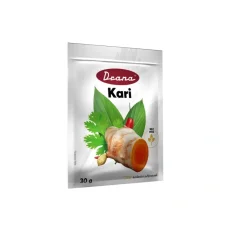
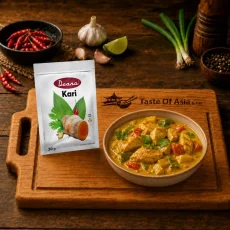
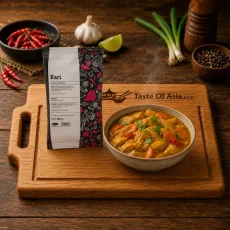
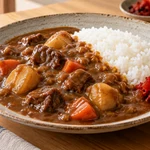
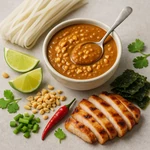
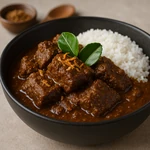
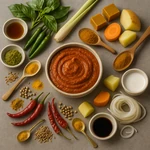
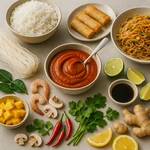
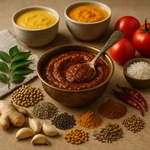
Discover the secrets of traditional Japanese curry, Kare Raisu! Learn a simple recipe for a delicious dish that combines exotic flavors with home comfort.
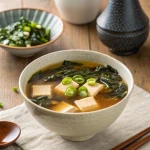
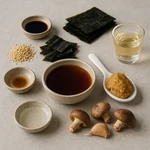
Miso soup is quick to make, deeply savory, and easy to customize. This recipe shows the traditional approach with kombu and katsuobushi dashi, plus tofu and wakame—perfect as a light breakfast, starter, or side for a Japanese-style meal.
Japanese cuisine is not uniform in taste. Besides shared principles (respect for ingredients, seasonality, purity of flavors), there are important regional differences based on climate, proximity to the sea and mountains, and historical availability of ingredients. In this guide, you will clarify the main areas and how to recognize them even when cooking at home.
Japanese cuisine is not "just sushi." It is a way of cooking based on respect for ingredients, purity of flavors, seasonality, work with texture, and the effort to highlight the natural character of the food rather than overpowering everything with heavy seasoning or sauce. This guide will give you a practical start: how to navigate washoku and umami, which ingredients make the biggest difference, and how to set your first steps so that Japanese cooking doesn’t frustrate you right from the beginning.
A good knife is less about looks and more about the right shape, steel, and maintenance routine. This guide explains the most common kitchen knife types (Western and Japanese), how different blade materials behave in real cooking, what to check before buying, and how to keep your edge sharp and safe for years.
Japanese cuisine is based on respect for ingredients, purity of flavors, and thoughtful balance. The distinctiveness is often not achieved by "heavy" seasoning, but by working with umami, delicate seasoning, and a final touch at the table. In the article, you will compare how this logic works and how to safely translate it into home cooking.
Typical Japanese dishes are often reduced to a few "icons" like sushi, ramen, and tempura. In reality, though, they make sense mainly when you understand the logic of Japanese cuisine: cleaner flavors, seasonality, working with texture and umami – that is, the taste "depth" that doesn't have to rely on heavy seasoning. In this guide, we'll show the main families of dishes, how they differ, and how to start Japanese cooking at home practically and without unnecessary shortcuts.
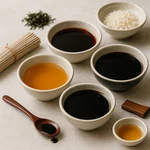
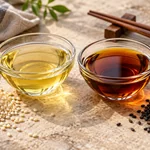
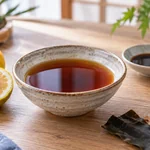
Soy sauce is not a single universal liquid "for everything," but a whole family of sauces with different roles in the kitchen: sometimes mainly to salt and add umami, other times to darken and round off, and sometimes it acts as a table condiment. In this guide, we will compare the most common styles (light/dark, Japanese shoyu, and Korean ganjang) and especially how to use them practically at home without unnecessary mistakes.
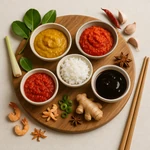
Japanese cuisine is based on respect for ingredients, purity of flavors, seasonality, and the effort to highlight the natural character of the food – not to "override" it with heavy seasoning. That is why typical Japanese ingredients often function as precise tools: they add saltiness, umami, gentle acidity, or light sweetness, but they are meant to let the main ingredient on the plate shine. This guide will give you a quick orientation in the main groups and, above all, a practical start so you can cook Japanese food at home without unnecessary mistakes.
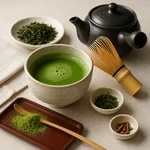
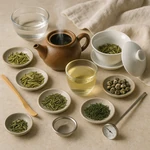
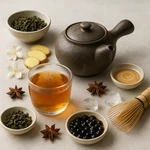
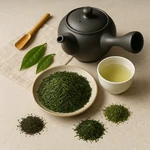
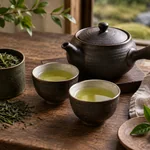
For many people, Japanese teas are the first “serious” contact with green tea — and at the same time a source of confusion: why sencha sometimes tastes fresh and other times bold, what exactly matcha is (and why it’s not the same as the sweet mix for a matcha latte), and how to tell what you’re actually buying. In this guide you’ll sort out the basic terms, the differences between the main Japanese styles, and practical rules that will keep the tea from losing its flavor or meaning.
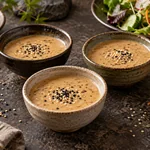
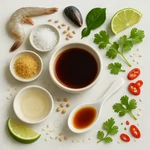
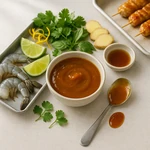
This article will guide you through the secret that gives this Japanese dish its unmistakable character. You will discover why the sauce is key to the perfect balance of flavors and how its sweet and salty profile creates the harmony that makes this dish so exceptional. Read on to learn how it enhances the whole experience and why, without it, the dish would lose its power.
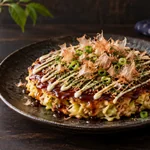
Discover the taste of Japan with Okonomiyaki – an easy and delicious savory pancake that you can customize to your liking. Quick, delicious, and perfect for any occasion!
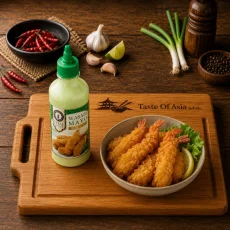
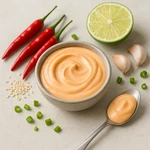
Sriracha Mayo blends the garlicky chilli kick of Sriracha with the rich, smooth texture of mayonnaise. The result is an easy, all-purpose dip and drizzle that works just as well with sushi and poke as it does with fries, sandwiches, or noodle bowls.
Add a spicy touch to grilled meat, fish, or vegetables with Cajun sauce. In this article, you will find its history, tips for use, and simple recipes for perfectly seasoning your dishes.
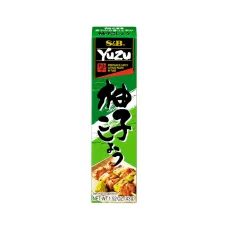
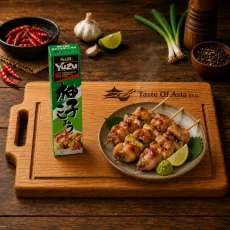
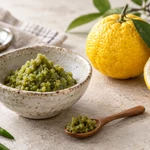
Discover the secrets of yuzu paste—a citrus ingredient that will give your dishes a fresh and exotic flavor. Read on to learn how to use it in marinades, sauces, or cocktails and take your cooking to the next level!
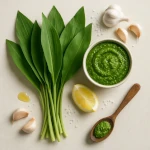
Wild garlic—also known as ramsons—is one of those short-season spring ingredients that can instantly make food taste brighter. It brings a fresh, leafy garlic character without the harsh bite of raw cloves, which makes it surprisingly easy to weave into quick Asian-style stir-fries, noodle dishes, coconut curries, and rice paper rolls.
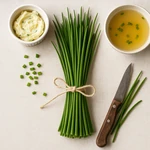
Chives may look like a modest garnish, but they can quietly transform a dish: a clean, green aroma and a soft onion note that doesn’t overpower broths, noodles, rice bowls, or creamy dips. The key is knowing when to add them—and how to keep that fresh flavor intact.
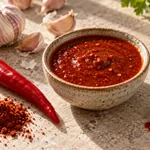
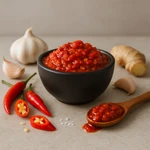
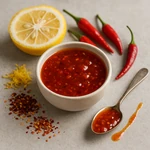
Surinamese sambal is the kind of chilli paste you keep within arm’s reach: intensely aromatic, fast to use, and powerful in tiny amounts. Stir it into soups, fried rice, noodles, sauces, or marinades when you want real chilli flavour—not just heat.
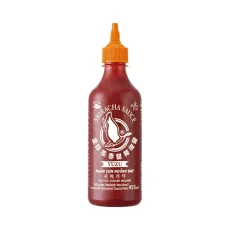
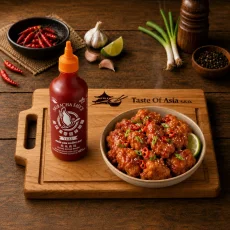
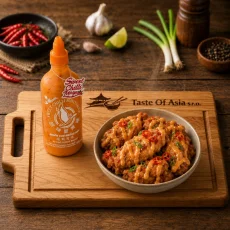
Sweet-spicy chili sauce is already a kitchen shortcut for instant flavor—but add yuzu and it becomes something brighter and more versatile. The gentle sweetness helps it cling to food, the chili brings warmth, and yuzu adds a crisp citrus aroma that can make fried, grilled, or rich dishes taste lighter and more defined.
Asian street food is not just "food from the street" for tourists. In many cities, it is an everyday way of eating: fast, affordable, often incredibly specialized, and closely connected to a specific place and distinctive taste. This overview will clarify what is typical for Asian street food, where you can encounter it, and how to quickly navigate it—even if you want to explore it mainly at home.
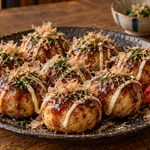
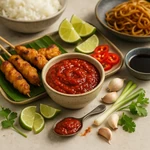
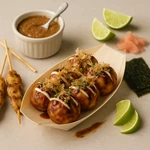
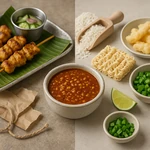
Asian street food is often simplified to “something to eat with your hands.” But its strength lies elsewhere: in speed, in a single stall’s specialization in a few dishes, in a clear local identity and in a flavor you “read” from the first bite. In this guide we’ll show where takoyaki, satay and other street classics belong — and how to choose a style that will taste good at home too.
Asian street food is not just "food from the street." In many parts of Asia, it is an everyday way of eating, where speed, specialization, local identity, and especially taste "readable from the first bite" matter. That's why it is useful to distinguish market street food and home-style street food: at home, you usually won't replicate the same heat and rhythm of the stall, but you can very well imitate the flavor profile, the work with sauces, contrasts, and "right now" service.
“Street food style at home” is not about copying stalls to the last detail. It’s about understanding why Asian street food works: speed, clear flavor, sauces and final seasoning, contrast of textures, and serving immediately without unnecessary complexity. The article contains a practical guide on how to transfer this logic to the home kitchen – even if you don’t cook from scratch.
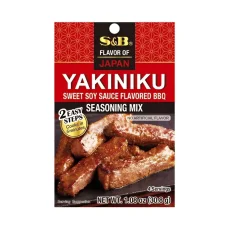
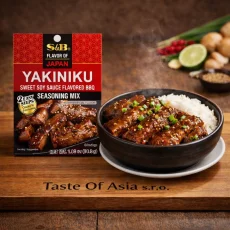
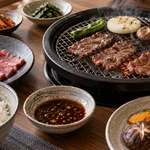
Discover the taste of Japan with our recipe for Yakiniku – juicy meat, delicious marinades, and grilling right at your table! Simple, quick, and irresistibly delicious!
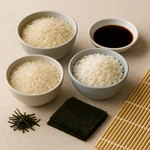
In Asian cuisines rice is often not “something for the sauce,” but the very framework of the dish. With coconut rice (typically nasi lemak style) and sushi rice you can clearly see how dramatically flavor, texture and even what we consider a finished meal can change—simply depending on which rice you choose and how you treat it.
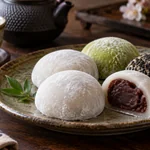
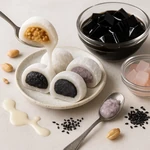
Discover delicious and traditional Japanese delicacies! Mochi, with its soft texture and various fillings, is the perfect way to enjoy a sweet moment. This delicate rice delicacy with anko or matcha filling will win you over with its taste and texture.
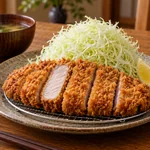
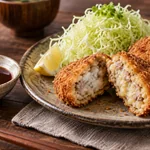
Discover the magic of Japanese cuisine with this recipe for a crispy dish that will amaze you with its simplicity and great taste. When tender pork chops meet a delicious sauce, the result is a dish that is perfect for any occasion. Be inspired by this recipe and experience a unique combination of flavors right in your own kitchen!
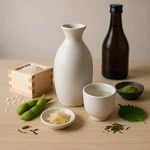
“Rice wine” sounds simple, but in Asian cuisine, this term covers several different things – and mixing them up in recipes creates unnecessary confusion. In this guide, you'll clarify what sake is, what mirin is, why they are often used together, and how to practically incorporate them into home cooking to make dishes more delicate, refined, and harmoniously flavored.
Substitutes for Asian ingredients are a great backup plan – but this is exactly where the most common half-truths like “it’s the same” arise. In practice you often can’t replace the name, but rather the function in a specific dish: saltiness, umami, fermented character, gentle sweetness or a “rounding” of flavor. In the article you’ll find a simple decision system and honest, practical substitute options for fish sauce, soy sauce, miso and mirin – including when it’s better to admit the result won’t be the same.
Rendang, korma, vindaloo, Thai curry or Japanese curry are often lumped together under one category "curry" in our country. But this label is rather indicative – and if you take it literally, you might easily pick the wrong base, season the sauce poorly, or expect a different taste and consistency. In this article, we clarify what is meant by "curry" (and related saucy dishes) in different parts of Asia, what the main families are, and how to start practically at home without unnecessary mistakes.
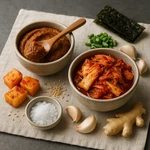
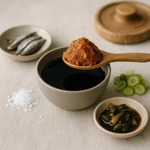
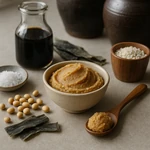
Fermentation in Asian cuisine is not a "health trend," but one of the main ways to achieve flavor: umami, depth, subtle acidity, and interesting texture. Kimchi and miso are the two most accessible fermented worlds that clearly show why some ferments are eaten alone as side dishes, while others act more like an engine under sauces and soups. In the article, we'll also clarify the common misconception "fermented = probiotic" and add practical tips on how to incorporate fermented bases into everyday cooking without complicated recipes.
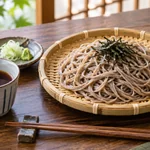
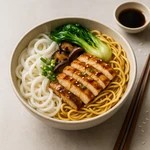
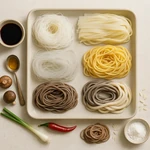
Japchae is not “Korean ramen” and ramen is not just noodle soup. In Asian cuisines noodles are often not a side but the very core of the dish – they carry broth, sauce, dip and texture. In this guide you’ll clarify the main types of noodle dishes (from broth bowls to cold noodles), the differences between ramen/udon/soba and why japchae is built on a completely different logic than European “pasta with sauce.”
Curry is not a specific sauce or a single “typical” dish. In different parts of Asia, it means different ingredients, different techniques, and a different final flavor profile – from slowly built South Asian sauces through Thai curries based on pastes to Japanese curry thickened with roux. This guide will help you understand the main differences and choose your curry style based on what you expect from it.
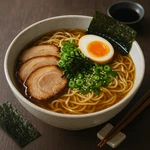
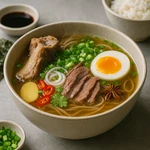
A bold Asian soup is not just “something warm in a bowl.” It is often a complete meal—built on broth, noodles or rice, aroma, clever acidity, spiciness and final seasoning. In this guide we’ll clarify how ramen, Chinese hot & sour soup, hotpot or Filipino sinigang differ—and mainly how to learn to use their logic at home without unnecessary mistakes.
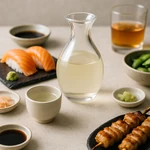
Pairing sake with food is surprisingly easy – until the topic of "rice wine" comes up. This is where most misunderstandings arise: sake does not behave like regular grape wine, mirin is not "sweet sake," and some bottles labeled as cooking wine have a completely different role in the kitchen. In the article, we will clarify the terms and then translate it into practice: when sake works naturally at the table, when it makes more sense to focus on sweetness and glaze (mirin), and when acidity (vinegar, citrus, tamarind) or tea can help you with Asian dishes.
Want to know how Worcester sauce can spice up your favorite recipes? Read our article and find out how this versatile condiment adds unique flavor to your dishes!
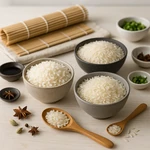
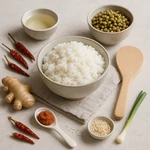
Rice in Asian cuisine is not "just a side dish." In sushi, it determines whether the rice holds its shape and can be eaten with chopsticks; in curry, it affects how the sauce meets the aroma and tenderness; and in fried rice, it decides whether you get a loose wok dish or a sticky mash. This guide will help you choose the type of rice based on the dish – and understand why one universal rice is usually not enough.
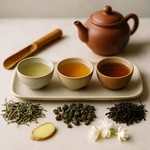
With tea, technique often matters more than the “brand”: the same name can taste completely different depending on origin, processing, and how you brew it at home. In this guide, we will clearly clarify what true tea is, how green and other traditional styles differ (white, oolong, black, dark), and how to set a simple procedure that makes the flavor cleaner, less bitter, and easier to read.
Sesame oil is a great way to enrich your dishes with a rich flavor while reaping health benefits. Full of healthy fats and antioxidants, this oil is ideal for seasoning, marinating, and cooking. Try it in Asian and European recipes and discover how it can enrich your culinary experiences.
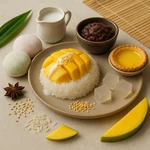
For many Asian desserts, the main point is in the texture – whether the bite is elastic, jellied, pearly, smooth, or icy. In this guide, you will get oriented in mochi, agar jellies, grass jelly, and other "textural" sweets and learn how to taste and combine them so they make sense even without complicated preparation.
The hardest part at the beginning of Asian cooking is not the "exotic" but the decision of exactly where to start. Different Asian cuisines vary in flavors, techniques, and how much you need to have stocked at home. In this guide, you will find a practical way to choose your first cuisine, how to build a reasonable minimum "Asian pantry," and which habits (cutting, preparation, working with temperature) will quickly raise your level.
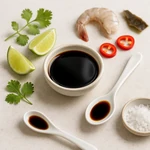
Soy sauce looks simple at first glance: dark, salty, “somehow Asian.” But under the same name, there are more distinctly different styles - from Japanese shoyu through Chinese light and dark sauces to Thai variants for wok cooking or sweet Southeast Asian directions. That's why it's worth reading the label: not for the details themselves, but so you don't bring home a sauce that behaves completely differently in the kitchen than you expect.
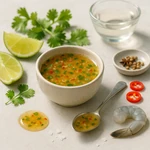
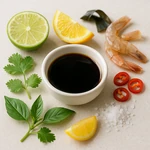
Discover the secret to a unique flavor that will transform any dish. This sauce combines the freshness of citrus with the saltiness of soy sauce, adding a new dimension to your cooking. Try it and see how easily it can enhance your favorite meals!
Soy sauce is often the first "Asian" bottle at home – and also one of the most common reasons why a dish ends up just vaguely salty. Under one name, there is an entire family of styles: from light working sauces for the wok to dark varieties for color, rounding, and sometimes a sweeter tone. In this guide, you will clarify the types, what to watch for on the label, and how to dose soy sauce so that it adds depth – not just salt.
The term "Asian tea" does not refer to one type of beverage but to several major traditions that differ in taste, aroma, and preparation style. The good news: for basic orientation, it is enough to understand a few fixed points – what "real tea" is, how the main types arise based on processing, and why the same name does not yet mean the same experience in a cup.
“Rice is rice” only holds until you want a really good curry, fluffy biryani or cohesive sushi. Jasmine, basmati and sushi rice differ in aroma, starch structure and how they behave when cooked — and that determines the final texture and how well the rice carries sauce, holds its shape or can be picked up with chopsticks.
Try this recipe for Japanese sauce, which has a fascinating history and can enhance any dish! Find out how this delicious sauce originated in Japan and how you can easily make it at home.
Starting with Asian cooking is surprisingly easy – if you don't choose five cuisines at once and instead of "exotic" select one dish that has few steps, forgives minor mistakes, and teaches you one important principle. This guide will help you choose the first cuisine according to taste and time and show several proven starter types of dishes (mainly rice bowls) on which you can quickly build a home routine.
Shared food "Asian style" is not just a style of serving, but a way people communicate at the table. Often it is a board composed of several bowls and side dishes, where the order, placement, and how it is taken from the common dishes matter. In the article, we will show why food-sharing is so common in many parts of Asia, how the everyday shared table differs from a festive feast, and how to create a similar experience at home without stress.
Asian drinks are not just sweet drinks with ice. Alongside traditional tea culture, there is a modern world of drinks where texture, visuals, tea base, syrups, and the possibility to "assemble" a drink exactly to taste play a role. In this guide, we will clarify what real tea is, what the main types of tea are, why bubble tea is more than a trend, and how to avoid the most common disappointments in practice.
You cook noodles or "something like" an Asian stir-fry, but the result is flatter, heavier, or flavor-wise indefinite – while in a restaurant it tastes clear and "lively." Often it is not one secret trick, but several repeated beginner mistakes: a poorly chosen style of cuisine, missing final seasoning, uncontrolled spiciness, and unfinished preparation of ingredients. In the article, we break it down into specific steps that can be done right at the next cooking.
Fermentation in the kitchen is not just a way of preservation. In Asian traditions, it is mainly about creating flavor: umami, acidity, aroma, depth, and often a new texture. In this article, we will clearly explain what happens during fermentation, why different ferments taste completely different (and cannot be substituted), and how to practically use them at home so that food is not just salty but truly "layered."
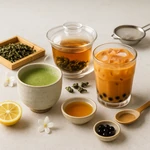
Preparing Asian teas at home is not about a single correct procedure, but about knowing what type of tea you have in hand and what to expect from it. Once you get oriented with the main tea categories, the differences between Chinese and Japanese styles, and learn to read the packaging information, even modern drinks like bubble tea, matcha latte, or citrus iced drinks will start to make sense.
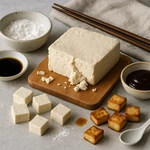
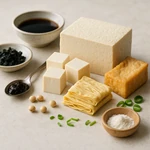
Tofu has a reputation as a "boring substitute" mainly because it is often treated as a single universal ingredient. But tofu is primarily about working with texture and how well it can carry the flavor of sauces, marinades, or broth. When you choose the right type (silken vs. firm) and understand the difference between "salting" and "glazing" through various styles of soy sauces, tofu stops being a compromise and becomes one of the most practical ingredients in the kitchen.
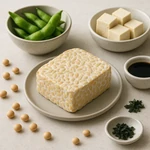
Soy products are not just one "protein cube" in different packages. From the same crop comes delicate tofu, fresh edamame, soy milk, and also distinctive fermented products like tempeh – and each behaves completely differently in the kitchen. In this article, you will clarify the differences, typical uses, and the most common mistakes that lead to disappointment.
Light and balanced Asian dishes are not “diet versions” of classics or flavorless meals. In many parts of Asia, lightness is a natural result of how a dish is composed: what forms the base (rice or noodles), what carries the protein, what adds freshness, acidity, texture, and how a sauce or broth is used so that the ingredients are not overwhelmed.
With Gogi Tempura Mix with Spices, preparing tempura with chicken and vegetables is quick and easy. Enjoy crispy, delicious pieces of meat and vegetables that will transport you to the heart of Japan. Try it today and enjoy the authentic taste!
Sweetened rice vinegar is a secret ingredient that will give your dishes a unique sweet and sour taste! In this article, you will learn how to best use it in the kitchen, what flavor combinations it offers, and in which recipes you can try it. Explore the possibilities of this Asian specialty and get inspired for your next culinary creations.
Fermented and specialty soy products are two different things in the kitchen at once: some of them act as a flavor base (soy sauces, fermented pastes), others are standalone ingredients with their own texture (yuba, aburaage, fermented tofu). Once you clarify that role, the “similar” names will stop confusing you and you’ll start choosing based on what the ingredient should actually do in the dish.
In Asian cuisine, broth is much more than just "soup water" – it is often the main flavor of the entire dish. In this guide, we will compare the basic types of broths (from Japanese dashi through Vietnamese phở to long-simmered bone broth), explain the difference between broth, soup, and sauce base, and add practical tips on how to achieve clarity, depth, and balanced saltiness at home without unnecessary mistakes.
Asian desserts often can't be squeezed into familiar categories like “cake,” “pudding,” or “cookie.” Instead of heavy buttery pastries, they feature rice, coconut, starches, legumes, fruit, syrups, and especially texture – elastic, gel-like, pearl-like, or icy. This guide will help you understand what is typical for Asian sweets, the main dessert families, and how to practically navigate them.
Noodles are a broad family of ingredients in Asian cuisine – and each works differently. When you reach for "some noodles," it often ends up that they get soggy in the broth, break in the wok, or lose texture after cooling. In this guide, we'll show you what to look for in a recipe, how to decide based on the type of dish (ramen, phở, pad thai, stir-fry, cold bowls), and what to watch out for during preparation to ensure the result tastes and looks just right.
Etiquette at the Asian table is not just a "set of rules" to stress you out. In many parts of Asia, it is a natural part of what food means: sharing, respect for the host and the food, order, small gestures, and the way of serving. Once you understand a few principles, you will behave more confidently at the communal table – both at home and when traveling.
Taiwanese cuisine is not just bubble tea and night markets. It is a distinct, lively, and very diverse world where local styles meet various Chinese regional influences, a prominent Hakka layer, indigenous traditions, Japanese heritage, and modern urban food culture. If you really want to understand the Taiwanese taste, it pays to focus less on "spices" and more on broth, precise seasoning, and especially texture.
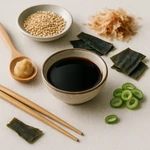
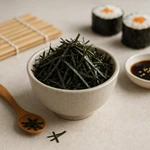
Kizami nori is roasted nori seaweed cut into delicate strips and used as a quick finishing garnish. A small pinch can lift the aroma of rice bowls, noodle soups, and salads—adding gentle brininess, subtle roastiness, and clean umami without changing the whole dish.
“Asian tea” is not one thing. The word tea covers true tea from the tea plant (Camellia sinensis), flavored blends, and also modern drinks that are based on tea but work with milk, ice, citrus, fruit concentrates, and especially texture (typically bubble tea). This overview gives you a quick orientation: what true tea is, what the major types are and why they taste completely different, how to read packaging, how to choose a style by taste, and what common misconceptions even people who “have been drinking tea for years” encounter.
Fermentation is one of the oldest ways to preserve, transform and, above all, deepen the flavor of food. In Asian cuisines it is not just "preservation" — it is a technology that can turn a few simple ingredients into an enormously complex base: acidity, pronounced umami, new aromas and different texture. That is why fermented sauces, pastes and condiments are one of the most reliable ways to bring homemade Asian food from "good" to "has depth."
Taiwanese street food is not just a few 'grab-and-go' dishes and bubble tea. In Taiwan, street food meets bowls of broth, rice, noodles, small portions, and above all an emphasis on texture and precise final seasoning. When you know how to read this world, Taiwanese night markets will make much more sense to you – even if you don't experience them live.
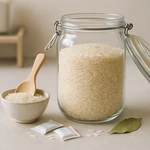
In many Asian cuisines, rice is not just a "side dish" but the foundation around which the whole meal is built. That is why it makes sense to store it so that it remains dry, fragrant (for aromatic types), and above all consistent when cooking. In the article, you will find a practical system for the home pantry, guidance on rice types, and the most common mistakes that lead to bland taste or unexpected texture.
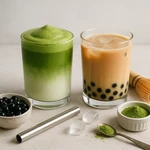
Modern Asian drinks are not just "something sweet with ice." They often stand on a tea base, distinct aroma, and especially on texture – meaning the drink is not only sipped but sometimes also "bitten." In this guide, we clarify what makes bubble tea and matcha drinks so specific, their main variations, and what to watch out for so that taste and texture make sense.
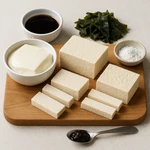
Tofu is not a one-size-fits-all block. The differences between smooth silken tofu and firm tofu are crucial in the kitchen – they determine whether tofu will create a creamy texture in soup or withstand the pan, marinade, and grill. In this guide, you'll learn how tofu is made, what its main types are, and how to choose the right one based on the dish you want to cook.
"Low-fat" Asian food often does not mean tasteless food or a small portion. In many Asian cuisines, lightness is achieved differently: through broth, herbs, acidity, smart seasoning, and a good ratio of rice or noodles to vegetables and other components.
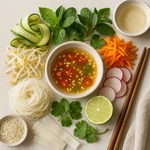
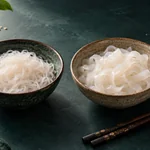
Shirataki noodles—often called konjac noodles—are translucent, springy strands made from the konjac root. They’re naturally low in digestible carbs and quick to prepare, but they do have their own “rules”: rinse well, dry them properly, and let your sauce do the talking. Here’s how to use shirataki in soups, stir-fries, and cold salads without disappointment.
"Asian cuisine" is not one universal flavor but a map of regional styles that arose under different climatic, agricultural, religious, and commercial conditions. In practice, this means that to understand (and cook well at home), knowing the base a region uses helps more than just the country names: rice vs. wheat, fermentation vs. coconut, spices vs. broths, herbs vs. umami. This guide will give you an orientation "compass" and concrete methods to choose the right direction even at home.
Tofu is not just one “white cube” and soy products are not a single universal meat substitute. From the same raw material – soy – both delicate, neutral ingredients (tofu, soy milk) and distinctive fermented products (tempeh, miso, soy sauces) are made. However, they behave completely differently in the kitchen. This guide will help you choose the right type for a specific dish, understand textural differences, and avoid the most common mistakes.
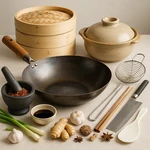
Good equipment for Asian cuisine is not about having a "set" of Asian dishes at home. In practice, it is more important to understand which tools really change the outcome, which just increase comfort, and which are rather optional for home cooking. This guide sets a simple framework: how to divide equipment by function, where to start, when a wok, steamer, or rice cooker makes sense, and how to avoid the most common mistakes.
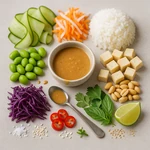
A "light" Asian bowl is not about having less food or making it bland. It works when the flavors are clearly readable, it doesn't feel heavy, and yet it fills you up: the starchy base holds its shape, the protein is flavor-specific, the vegetables and herbs are not just decoration, and the whole is linked by a precise (rather small) amount of sauce. The article offers a practical logic for assembling bowls and plates, differences between types of dishes, and the most common mistakes that make "home food taste unfinished."
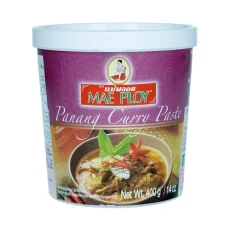
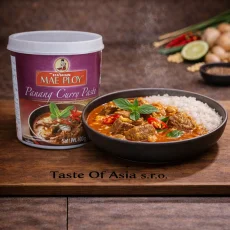
Green, red, yellow, panang, massaman... In Europe, Thai curries are often described mainly by color, as if it were one sauce in several variations. In reality, these are different flavor systems based on different pastes, different aromatics, different "coconutiness" and suitability for both quick cooking and slow simmering. This guide will help you understand the differences and especially choose a curry that makes sense for your dish and taste.
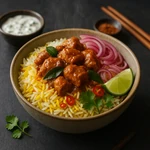
One-bowl meals are not shortcuts or emergency meals in Asia – they are often well-thought-out rice dishes where rice is not a side dish but the center around which flavor, aroma, and texture are arranged. In this guide, we will show you how a bowl like Japanese donburi differs from layered biryani, what rice bowls have in common, and how to choose the right rice and style at home according to what you crave and how much time you have.
Choosing the right drink for Asian food is not just a detail. A drink can soften the food, cleanse the palate between bites, or on the contrary, "overpower" the flavor of what you put effort into cooking. In this guide, you will mainly get oriented in teas (from green to dark/post-fermented) and modern Asian drinks like bubble tea or matcha latte – and most importantly, when each style makes sense.
Cooking for more people on a workweek is less about “perfect recipes” and more about how to smartly build a meal: so it’s satisfying without feeling heavy, and can be easily adjusted to the tastes at the table. In many Asian cuisines this practicality is natural – based on a bowl or plate where there is a place for a base, a protein, vegetables, freshness, acidity, texture and precise seasoning.
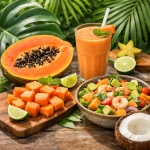
Papaya can be two completely different ingredients. Ripe papaya is sweet, soft, and great for bowls and drinks; green papaya is firm, crisp, and behaves like a vegetable—perfect for tangy, spicy salads and quick stir-fries. Here’s how to recognize the right one, prepare it without hassle, and make it taste great from the first try.
Taiwanese cuisine is not just bubble tea and night markets. It is an independent, vibrant, and surprisingly diverse world where several layers of influences meet – and that's exactly why you can enter it smartly and step by step. In this guide, you will clarify what is typical for Taiwanese food, what the "Taiwanese taste" looks like in practice, and which first steps make the most sense at home without having to "cook the whole Taiwan" right away.
Baking in Asian cuisine exists and has its firm place – it just often doesn’t follow the same logic as Central European "I’ll bake a cake" baking. For both sweets and savory dishes, working with texture is equally important, and alongside the oven, steam, setting (gelation), cooling, molding, or brief finishing baking or frying play a significant role. This article will help you understand the differences and choose a technique that makes sense at home.
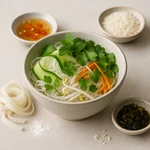
Soups in Asia are often not just appetizers but full meals – sometimes a typical breakfast or a quick street lunch. To make sense at home, it's useful to think of them as “worlds” built around a broth (or other liquid base), noodles or rice, and final seasoning. This overview will help you navigate the main types of Asian soups, understand why the broth is so essential, and take the first good steps without unnecessary mistakes.
Are you planning a feast or a larger family visit and want the food to work smoothly for more people? This practical guide will show how to arrange the menu according to Asian sharing principles: the roles of rice, soup, and side dishes, how to combine flavors, and what to prepare in advance.
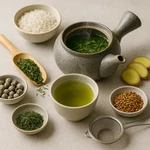
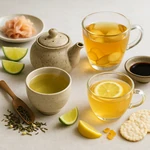
Choosing green tea means recognizing the basic styles, knowing what to look for on the packaging, and being able to properly prepare and store the tea at home. This guide will explain how to start, what types of teas exist, what to pay attention to when buying, and how to avoid the most common mistakes. 🍵
"Indian curry" is not one recipe nor one universal sauce. It is a broad family of saucy dishes and techniques that vary from region to region and household to household. In this guide, you'll clarify terms (curry vs. curry powder vs. masala), understand the main Indian directions, and most importantly: you will learn how to practically choose the right base and set your expectations so that the result tastes exactly how you want.
Chinese cuisine is a great gateway to Asian cooking – but only if you don't approach it as one "universal" cuisine and don't try to cook everything right away. In this guide, you'll create a simple map (north vs. south, basic regional framework), choose the first types of dishes to make at home, and understand how to start with sauces and seasonings without typical shopping mistakes.
Asian cuisine can be great for gluten-free eating – it often relies on rice, legumes, vegetables, coconut, and fermented flavors. However, it can also surprise with "hidden" gluten in sauces, wheat noodles, coatings, or cross-contact during preparation. In the article, we clarify which dishes are naturally gluten-free, which are sometimes gluten-free, and how to navigate this at home and when ordering.
Noodle dishes in Asia are not "one soup" nor "noodles in a pan." They are entire families of dishes where the type of noodles, handling of broth or sauce, cooking method, and whether it is a quick street food, a hearty bowl, or a light cold dish differ. Once you understand a few basic differences, it will be much easier to pick the right noodles and the right preparation style.
Vegetarian (and often vegan) Asian cuisine is not a 'deprived' version of cooking with meat. In many parts of Asia, it has its own traditions, techniques, and flavor logics – and good food here is not based on substitutes, but on umami, fermentation, texture, spices, herbs, and smart bases. The article provides an orientation in main styles, solid building blocks (tofu, tempeh, legumes), a practical guide on how to start at home, and what to watch out for in 'hidden non-animal' sauces and broths.
Rice and tapioca flour are fundamental building blocks in many Asian sweets – not because they "replace wheat," but because they help create specific textures: elastic, sticky, slippery, jelly-like, or pudding-like. If you approach them with the same logic as cake flour, you will often end up disappointed. This guide will help you understand how to think about them, how to choose the right technique (steaming, setting, baking…), and what to avoid.
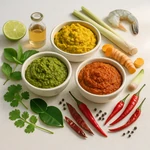
"Curry paste" is not one universal ingredient. Different types of bases can be hidden under the same name – from Thai aromatic pastes (which are briefly sautéed in fat) to Indian curry bases or Japanese curry roux. In this guide, you will orient yourself mainly by the type of dish you want to cook and avoid the most common mistakes that lead to bland or "strangely" tasting curry.
“Asian cuisine” sounds like one category, but in practice it encompasses a large cultural space where food evolved according to climate, available crops, religion, social rules, trade, migration, and daily rhythms of life. When you understand these contexts, it becomes easier to choose a style you will enjoy, and you’ll stop making typical mistakes (like reducing everything simply to spiciness).
Green tea is a refreshing drink full of antioxidants that promotes health and calms the mind. Great for everyday drinking, it helps improve digestion and metabolism. Discover different varieties and enjoy moments of peace and tranquility.
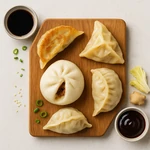
Gyoza, wonton, bao and mandu are often lumped together as “Asian dumplings.” But each of these names actually promises a slightly different experience: a different type of wrapper, a different texture, and often a different role in a meal (pan-fried, steamed, in soup, dim sum…). When you know what to expect, it’s much easier to choose the right style, the right preparation, and the appropriate seasoning.
Cookies
This site uses cookies to provide services, customize ads, and analyze traffic. Your consent to the use of cookies will significantly help us to improve our services. More information



 Česky (CZK)
 Slovensky (EUR)
 Deutsch (EUR)
 Austria
 Belgium
 Bulgaria
 Croatia
 Denmark
 Estonia
 Finland
 France
 Germany
 Greece
 Hungary
 Italy
Italy Latvia
 Lithuania
 Luxembourg
 Netherlands
 Poland
 Portugal
 Romania
 Slovenia
 Spain
Spain Sweden