


 Česky (CZK)
 Slovensky (EUR)
 Deutsch (EUR)
 Austria
 Belgium
 Bulgaria
 Croatia
 Denmark
 Estonia
 Finland
 France
 Germany
 Greece
 Hungary
 Italy
Italy Latvia
 Lithuania
 Luxembourg
 Netherlands
 Poland
 Portugal
 Romania
 Slovenia
 Spain
Spain Sweden










Typical Japanese dishes: how to understand them (and why it's not just about sushi)
Typical Japanese dishes are often reduced to a few "icons" like sushi, ramen, and tempura. In reality, though, they make sense mainly when you understand the logic of Japanese cuisine: cleaner flavors, seasonality, working with texture and umami – that is, the taste "depth" that doesn't have to rely on heavy seasoning. In this guide, we'll show the main families of dishes, how they differ, and how to start Japanese cooking at home practically and without unnecessary shortcuts.
🌶️ 1) What is typical for Japanese cuisine (and why it also affects "typical dishes")
When you say "typical Japanese dish," it's not just a list of names. Japanese cuisine (often described by the term washoku) is based on a broader approach to cooking and dining: the goal is to highlight the natural character of the ingredients, not to overpower it. Therefore, alongside specific dishes, you often see repeating principles and "plate construction."
In practice, this mainly means:
- Respect for the natural taste of ingredients (less "overpowering" with sauces).
- Balanced meal composition – typically one main dish with sides around it.
- Gentler seasoning and emphasis on flavor purity.
- Emphasis on appearance and arrangement – the food should be clear and "readable," not one big mix.
This is also important when navigating typical dishes: many Japanese classics don't stand on complicated seasoning but on a good base (rice, broth), the right texture, and umami.
2) Orientation: washoku, meal composition, and umami
What washoku means
Washoku is not just "Japanese recipes." It is a traditional food culture connected with how ingredients are sourced, processed, prepared, and eaten. For home cooking, it's practical to take away one thing: clean flavors and thoughtful composition of the bowl/plate are often more important than a long list of spices.
What typical meal composition looks like
Japanese meals are often composed to be "complete" even without heavy sauces: they usually have a clear center (like a bowl of rice or noodles) and smaller sides. Sometimes this way of thinking is described by the principle ichiju-sansai (loosely: "one soup and three side dishes") – as a practical guide for balanced home dining.
Umami: why it is so important for Japan
Umami is one of the key tastes that Japanese cuisine pays a lot of attention to. The practical impact is simple: typical Japanese dishes often taste "deeply" even when they are not spicy or heavily seasoned. This depth is created by a well-built base (for example broth thinking around dashi) and ingredients that naturally carry umami.
3) Typical Japanese dishes – main families and how they differ
Instead of a long list, it's more useful to look at Japanese dishes as several "families." Each fits a different situation and works with taste and texture a bit differently.
Rice as the center: sushi and donburi-style bowls
Rice often functions as a stable, neutral center of the plate in Japanese cuisine. In typical dishes, this is reflected in two well-known directions:
- Sushi – rice in combination with other ingredients, where clean flavors and precision are important.
- Donburi – "one-bowl meal," where rice carries a clearly defined topping. It is an understandable format: bowl of rice + main component + seasoning.
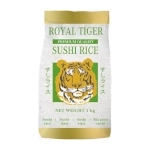
If you want to understand Japanese cuisine, donburi is a great mental model: it shows how rice holds the food together and how other flavors are arranged around it. For sushi and rice bowls, it makes sense to start with the right type of rice – the category sushi riceserves as a guide.
Noodle bowls: ramen as a typical example
Ramen is one of the most famous Japanese dishes and illustrates well that in the Asian context noodles often are not a "side," but the base of the main dish. Noodle bowls generally differ in the role the broth plays, what noodles are used, and whether you eat it like soup or "almost dry." Ramen is typically a bowl where broth thinking, noodles, and more pronounced toppings meet.
Lightly battered fried: tempura
Tempura is a typical way to get a crispy texture into the dish while still keeping the ingredient's flavor clear. Whether it is vegetables or seafood, the point is similar: the batter is not the "main flavor," but rather a textural contrast.
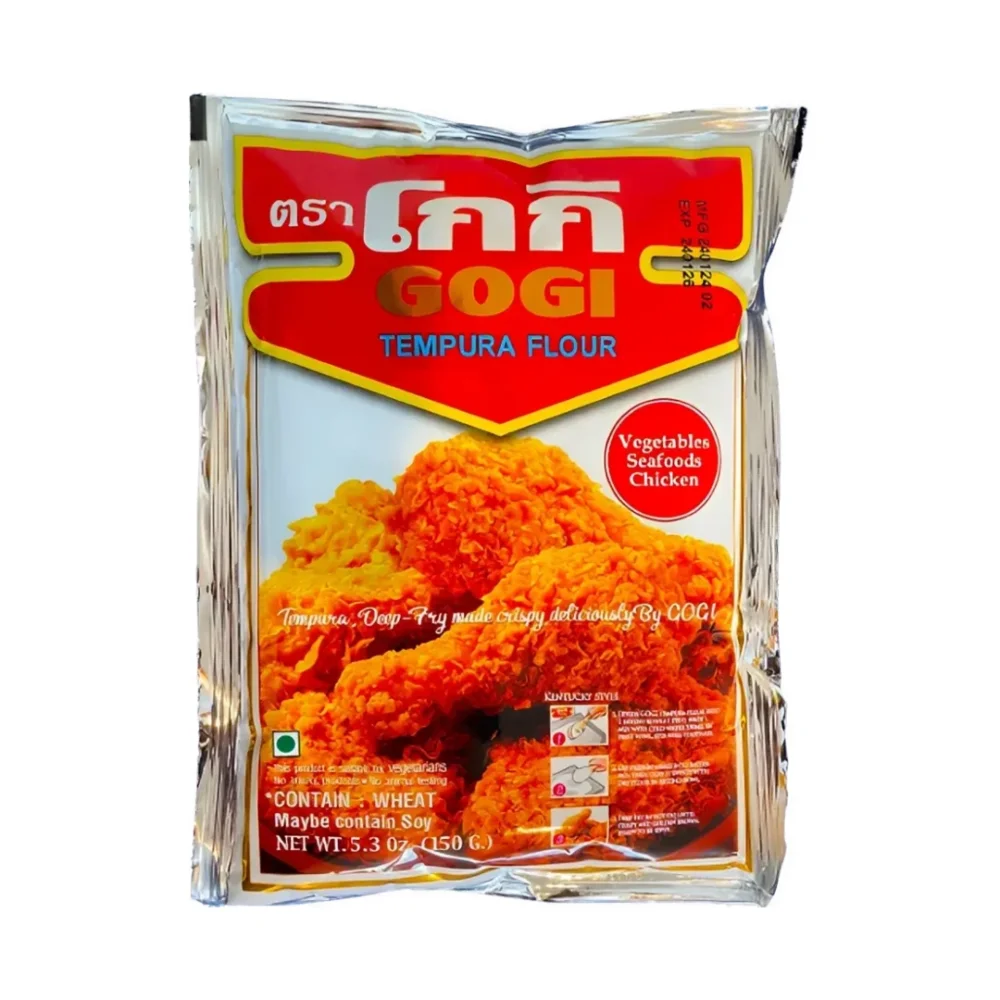
For homemade tempura, it is practical to have a reliable mix on hand to get a lighter, airier coating – for example Gogi Tempura 150 g.
Japanese-style curry: a "comfort" main dish
Japanese curry is a good example of a typical home dish that relies on mild spicing and a rounded flavor. It is often prepared to be easily portioned, hearty, and "comforting" – exactly the type of meal people return to on a regular day.
Grilled and pan-fried flavors: yakiniku style
Another typical category is dishes based on grilled meat or vegetables, where grilling seasoning and a pronounced but still clear flavor play a role. The important part here is the combination of searing (aroma, light caramelization) and final seasoning that "rounds" the taste.
Soups and light bowls: dashi as a way of thinking
In the Asian context, soups are often full meals, not just "something to start with." In Japan, it is important mainly that a lot of consideration goes through dashi – a light broth base that helps build umami and pure flavor. Once you understand dashi as a principle (not just a single recipe), many "typical" bowls start making sense: lightness, yet flavor depth.
4) How to start at home: a simple start with typical Japanese dishes
Rule against frustration: choose one family of dishes, build a good base, and only then fine-tune. Japanese cuisine often rewards "less, but precise."
Step 1: Choose the "center" of the dish (rice or noodle bowl)
For home start, the simplest is usually:
- rice (including donburi-style bowls), or
- noodle bowl (typically ramen style).
Thanks to the clear center, it will be easier to monitor balance and seasoning: rice or broth creates the "canvas" and you just decide if you want to go for lighter or heartier comfort style.
Step 2: Add umami, not just salt
When a dish feels flat, the first reflex is usually to oversalt or add more sauce. In Japanese logic, it often makes more sense to add "depth": an umami base or ingredient that brings it.
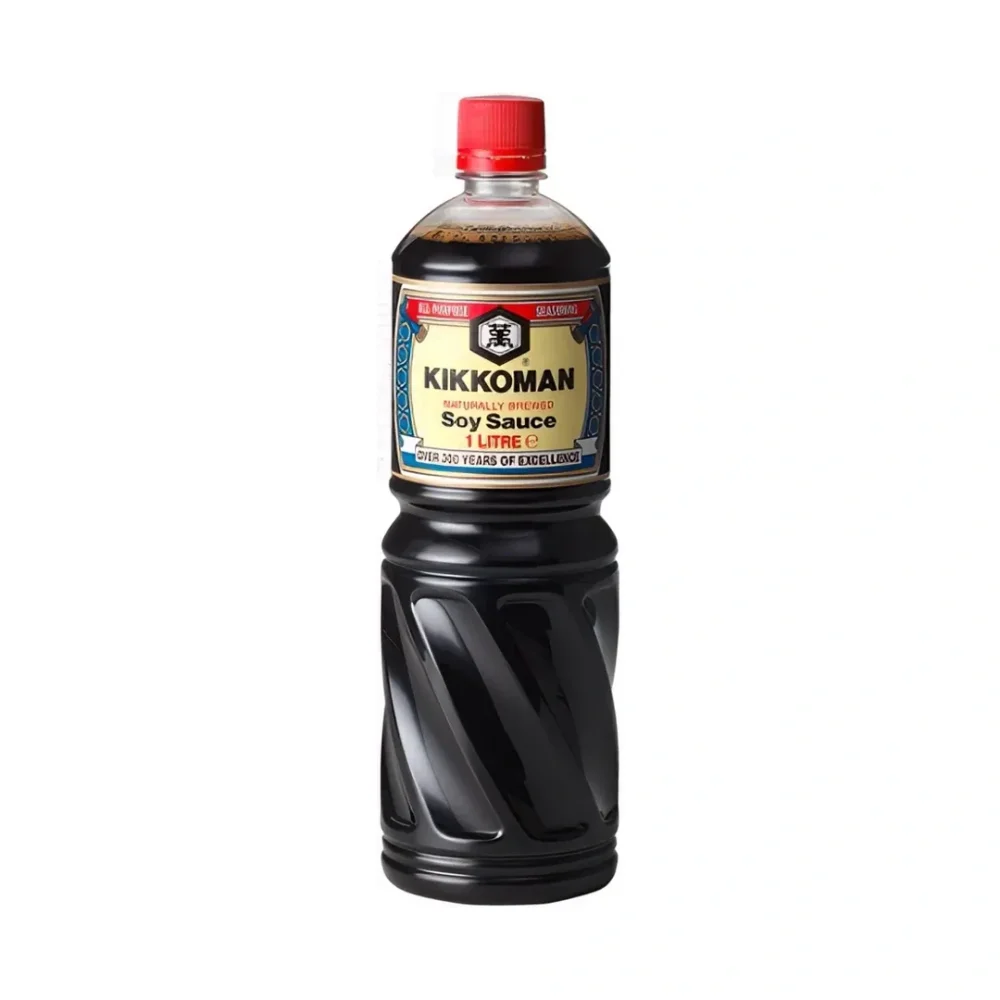
A universal seasoning that can support umami and can be dosed in small steps is soy sauce – for example, Kikkoman soy sauce. Practical tip: instead of "pouring a lot," dose in small amounts and always taste, because the goal in Japanese dishes is often to highlight flavor, not overpower.
Step 3: Keep one dominant flavor (and keep it in balance)
A typical beginner's mistake is mixing too many "Japanese" flavors at once. It is better to pick one dominant line and keep the rest clean:
- Curry as the main flavor: if you use curry mix/roux, start cautiously (about 1–2 small teaspoons per serving as a first test) and adjust gradually.
- Yakiniku/grill style: use seasoning more as a glaze or final seasoning (roughly 1–2 tablespoons per serving) and adjust based on how strong a flavor you want.
- Wasabi as a sharp accent: for the first use, use a really small amount (tip of a knife) and then add more. In Japanese logic, wasabi is a short, sharp accent – not a base flavor.
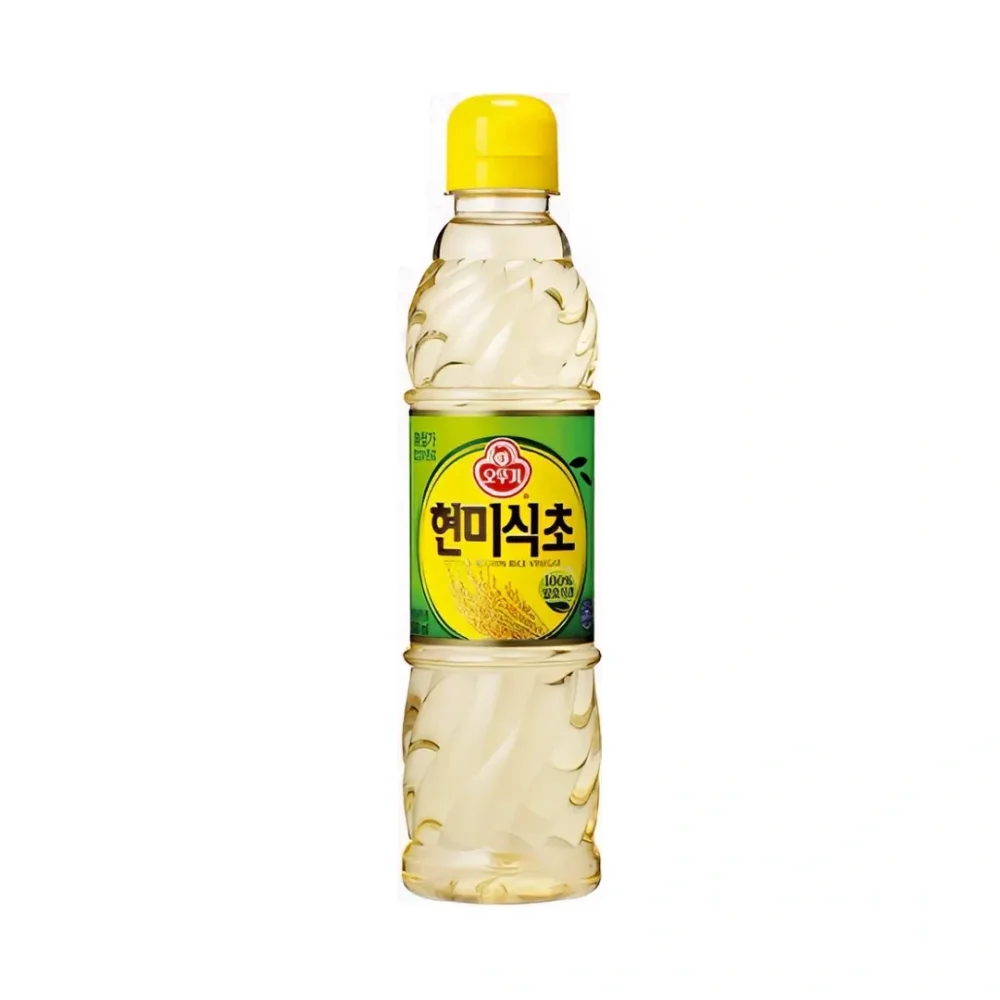
If you want to bring acidity into Japanese dishes that doesn't overpower other flavors, it is useful to have rice vinegar. It is practical both for "sushi logic" (rice) and for dressings and marinades. As a specific choice, you can use brown rice vinegar Ottogi.
Step 4: Add one more texture (crispness of tempura)
Japanese dishes often rely on contrast in textures. If you want to quickly make a "big difference" without complicated seasoning, add a crunchy component – typically tempura. With tempura mix you can easily test the principle at home: pure flavor of the ingredient + light crispy coating.
Step 5: Don’t be afraid of "small additions" – but don’t overdo it
Japanese cuisine often helps itself with small additions that have a clear role (creaminess, acidity, sharp accent). An example is Japanese mayonnaise, used in some dishes and cold dressings – for example, Kewpie Japanese mayonnaise. Take it more as a targeted ingredient for a specific style, not a universal "rescue" for every bowl.

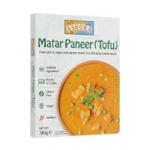
And if you want to start really simply and taste different styles without much cooking, a helpful guide can be ready meals – more like an orientation tasting of how different families of dishes differ.
💡 5) Common misunderstandings and what to watch out for
"Typical Japanese food" is not synonymous with "lots of sauce"
Japanese cuisine often builds on gentler seasoning and respect for ingredients. If your food doesn't taste "strong enough," first try to think about umami and the base (broth thinking, suitable ingredients), not automatically adding more sauce.
Wasabi is an accent, not a universal spice
Wasabi can perfectly highlight certain dishes but easily overpower other flavors. If you want to maintain a "pure" Japanese logic, use it in small doses and perceive it as a short sharp accent, not a base flavor.
Tempura is not "just frying": the goal is a light coating and a clear ingredient
It's easy to slip into too heavy a coating for tempura, which starts to taste "on its own." If you want tempura as a typical Japanese texture, watch that the batter mainly functions as a contrast – and the main ingredient remains recognizable.
"Japanese = just sushi" (and the rest is secondary)
Sushi is important and iconic, but typical Japanese dishes go much further: rice bowls (donburi), noodle bowls (ramen), tempura, curry, or grilled-style dishes (yakiniku) show different facets of one cuisine – from light bowls to comfort, hearty meals.
6) What to take away from the article
- Typical Japanese dishes make sense in the logic of washoku: cleaner flavors, seasonality, working with texture and respect for ingredients.
- The most practical orientation is according to "families" of dishes: rice center (sushi, donburi), noodle bowls (ramen), crispy tempura, Japanese curry, yakiniku style, and soup thinking through dashi.
- Simplify your home start: choose one center (rice/noodles), one dominant flavor, and one extra texture.
- The most common mistakes are "overdoing" seasoning and mixing everything at once: in Japanese cuisine, "less, but precise" often works.
If you are tempted to start sushi at home, the guide preparation for sushi will help you – so that you choose the right tools right at the start and keep your technique clean.

Read next
If you want to explore this topic further, continue with these related blog guides and articles:
