


 Česky (CZK)
 Slovensky (EUR)
 Deutsch (EUR)
 Austria
 Belgium
 Bulgaria
 Croatia
 Denmark
 Estonia
 Finland
 France
 Germany
 Greece
 Hungary
 Italy
Italy Latvia
 Lithuania
 Luxembourg
 Netherlands
 Poland
 Portugal
 Romania
 Slovenia
 Spain
Spain Sweden










Regions of Japanese cuisine: why Hokkaido tastes different from Tokyo and Kyoto
Japanese cuisine is not uniform in taste. Besides shared principles (respect for ingredients, seasonality, purity of flavors), there are important regional differences based on climate, proximity to the sea and mountains, and historical availability of ingredients. In this guide, you will clarify the main areas and how to recognize them even when cooking at home.
When you say "Japanese cuisine", most people think of sushi, ramen, or tempura. But that's just a segment. In the Japanese context, people often talk about washoku – the traditional food culture that is based on respect for ingredients, purity of flavors, seasonality, working with texture, and the effort to highlight the natural character of the food instead of overpowering everything with heavy seasoning or sauce.
Regions bring a "specific imprint of place": somewhere the sea dominates, elsewhere the cold and need for preservation, elsewhere urban culture and fast food. Once you start looking at Japan through this prism, its dishes stop blending into one category.
Japan is not uniform in taste: where regional differences come from
Regional differences in Japanese cuisine are not cosmetic. They mainly come from:
- climate (different needs in colder areas than in milder ones),
- geography (sea vs inland and mountainous areas),
- local crops and historical availability of ingredients,
- urban culture (the cuisine of large centers develops differently than in rural areas).
At the same time, a common "Japanese logic" operates across regions: a balanced food composition, subtle seasoning, and emphasis on appearance and arrangement of the dish. Thanks to this, even hearty regional dishes usually do not seem like random mixes of flavors – rather thoughtful wholes.
Main regions of Japanese cuisine and their character
The following overview summarizes typical features of regions frequently mentioned in Japanese cuisine as important regional “worlds.”
Hokkaido: cold climate, fish, and dairy products
Hokkaido is associated with a strong tradition of fish, but also dairy products and potatoes – which is significant in the context of Japan. The cuisine naturally tends towards dishes suitable for colder climates. The region is also known for regional ramen styles, which is a good example of how one famous dish can vary within Japan.
Tohoku: seasonality, preservation, and local traditions
Tohoku is a region with pronounced seasonality and a strong tradition of food preservation. Specifically in colder conditions, unique preservation techniques and local dishes evolved, making sense in the rhythm of the seasons.
Kanto (Tokyo and surroundings): urban energy and Edomae style
Kanto, meaning Tokyo and its surroundings, is closely tied to urban culture: influenced by fast food, food stalls, and specialties that became internationally known. Important is the Edomae style and the related concept of dishes such as sushi, tempura or the urban form of soba.
Kansai (Osaka, Kyoto, and surroundings): delicate Kyoto vs livelier Osaka
Kansai is useful to perceive as a contrast of two large culinary energies. Kyoto is usually associated with delicate, refined, and often seasonally oriented cuisine. Osaka on the other hand, carries a stronger urban and “merchant” energy – more robust, straightforward, and very practical in everyday dining.
Chubu and mountainous areas: inland, noodles, and miso styles
Chubu and mountainous areas include various local traditions. Typically mentioned here are noodles, miso styles and dishes connected with inland climate. In practice, this is a reminder that “Japanese flavor” is not automatically only about the coast – the inland has its clear culinary logics too.
And what about Chugoku, Shikoku, and Kyushu?
Japan, of course, has other important regions as well, such as Chugoku, Shikoku, and Kyushu. However, the basic point for orientation remains the same: regional cuisine emerges from the combination of place, ingredients, and history – and it pays to get to know it through specific dishes and techniques, not just by "stickers" on the map.
How to bring regional Japan into your home kitchen (practically and without myths)
The easiest way is not to “cook everything authentically,” but to understand the common foundations and then choose what appeals to you: sometimes sushi from urban Kanto, other times a hearty noodle bowl inspired by the north, or a delicate seasonal plate in the Kansai style.
Start from the common pantry: rice, soy, seaweed, fermentation
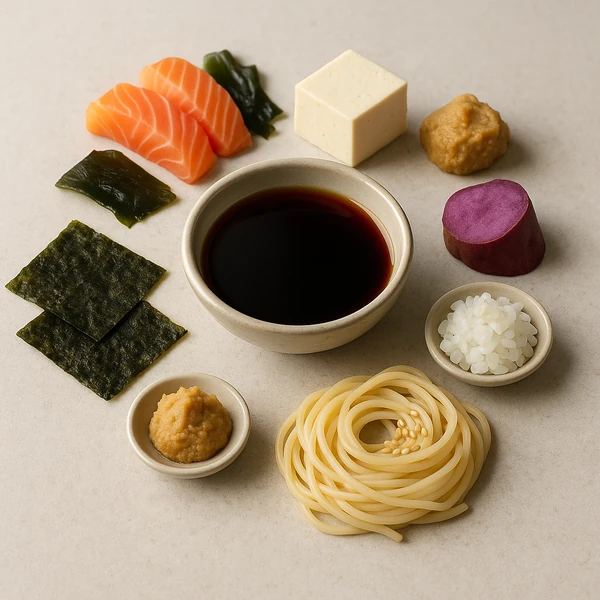
The same pillars repeat across regions. If you have them at home, a large part of Japanese cuisine opens up even without complicated shopping:
- Rice as the center of the meal (not just a side dish). For dishes based on flavored rice, it makes sense to have rice intended for sushi style – see the category sushi rice.
- Soy products (tofu, miso, soy sauce, natto, and more) – not one interchangeable category, but a family of ingredients with different tastes and functions.
- Seaweed and seafood products (e.g., nori, kombu, wakame) – the sea has a fundamental influence on Japanese cuisine.
- Fermented seasonings (miso, soy sauce, vinegar, mirin…) – often the reason a dish feels complete even with simple ingredients.
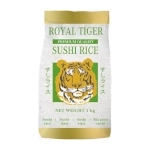
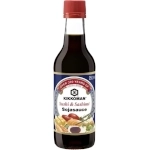
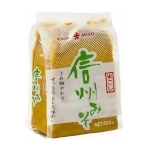
For home orientation, it’s practical to have two “crossroads”: soy sauce (salty umami line) and miso (fermented depth). You can start with sauces, for example in the guide Japanese soy sauces and for pastes in the category soy and miso pastes.
Rice as the center: sushi is not “raw fish” and a bowl of rice is not boring
Rice is central in Japanese dining – often the main point of the meal to which other components relate. Therefore, it makes sense to think regionally by choosing a “format”:
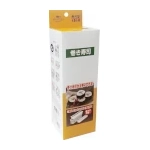
- Sushi (in the logic of Kanto and Edomae) – seasoned rice is key. If you want to practice technique and service at home, a thematic guide sushi preparationwill help.
- Donburi (Japanese rice bowl with topping) – an excellent home format because it builds on a simple logic: hot rice as a base and a well-seasoned topping eaten together as one whole.
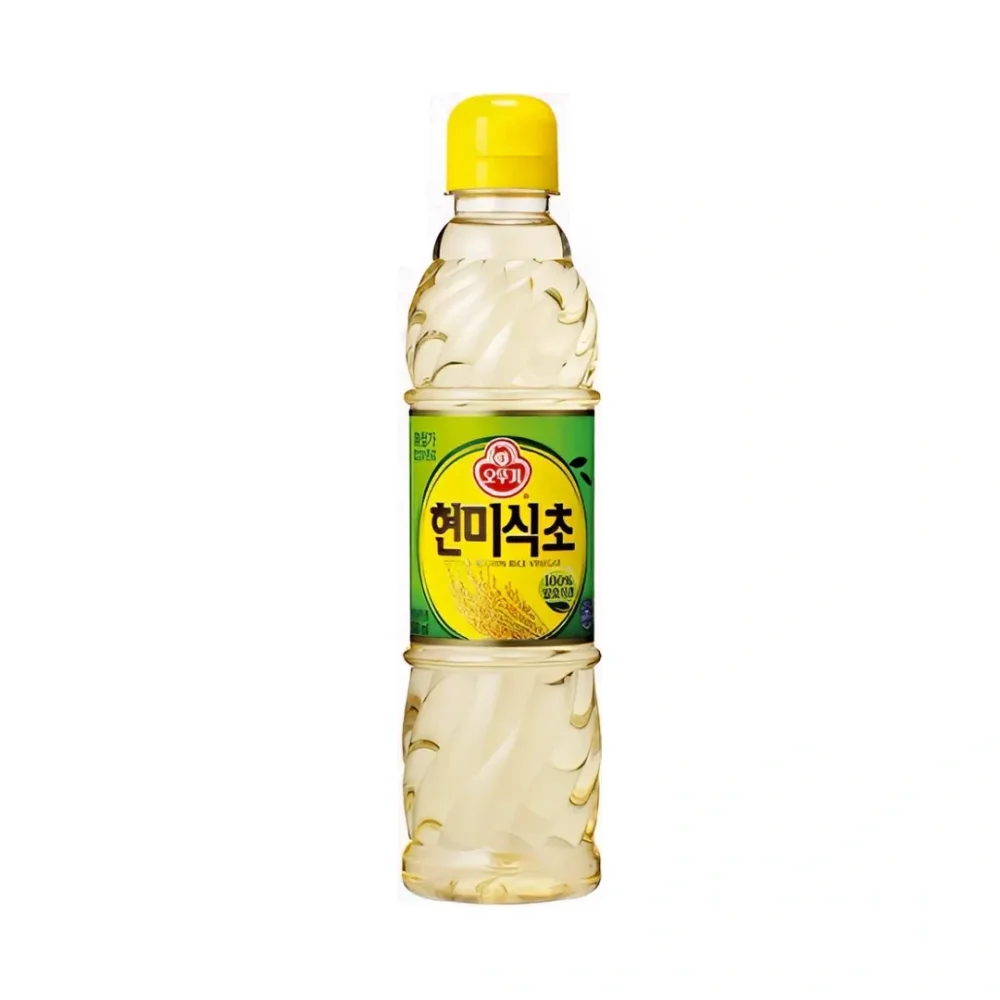
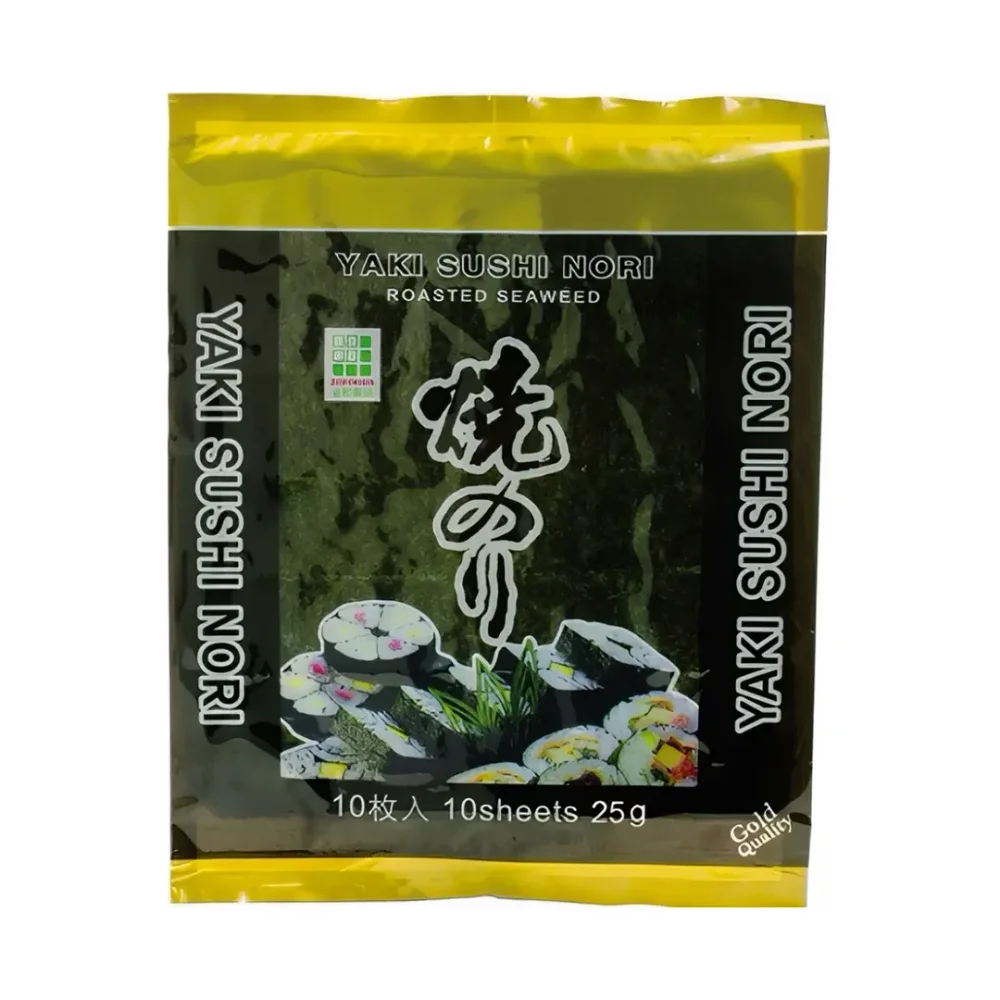
For sushi rice and subtler dressings, rice vinegar with balanced acidity is suitable, for example Ottogi brown rice vinegar. And if you want to really elevate sushi towards an “authentic” impression, the sea flavor of nori makes a big difference – for instance JH Foods Yaki Nori Gold seaweed.
Seasoning: soy sauce, mirin, and sake (and why “rice wine” is confusing)
In the European environment, “rice wine” often refers to all kinds of things – from sake through mirin to Chinese cooking wine, and sometimes even rice vinegar (which is a completely different category). For home cooking, it is more useful to stick to a more precise logic:
- Sake is a fermented alcoholic rice drink. In the kitchen, it is not used to “intoxicate” food but because it helps carry aroma, softens the smell of meat and fish, and adds subtle depth. It is not accurate to expect acidity from it like regular wine.
- Mirin is a sweet Japanese seasoning that does more than just sweetness: it brings rounding of flavor, shine, and better binding of the sauce to the ingredient. An important practical note: mirin is typically not worth replacing with just sugar – sugar will sweeten but cannot replicate what mirin does in the sauce and on the surface of ingredients.
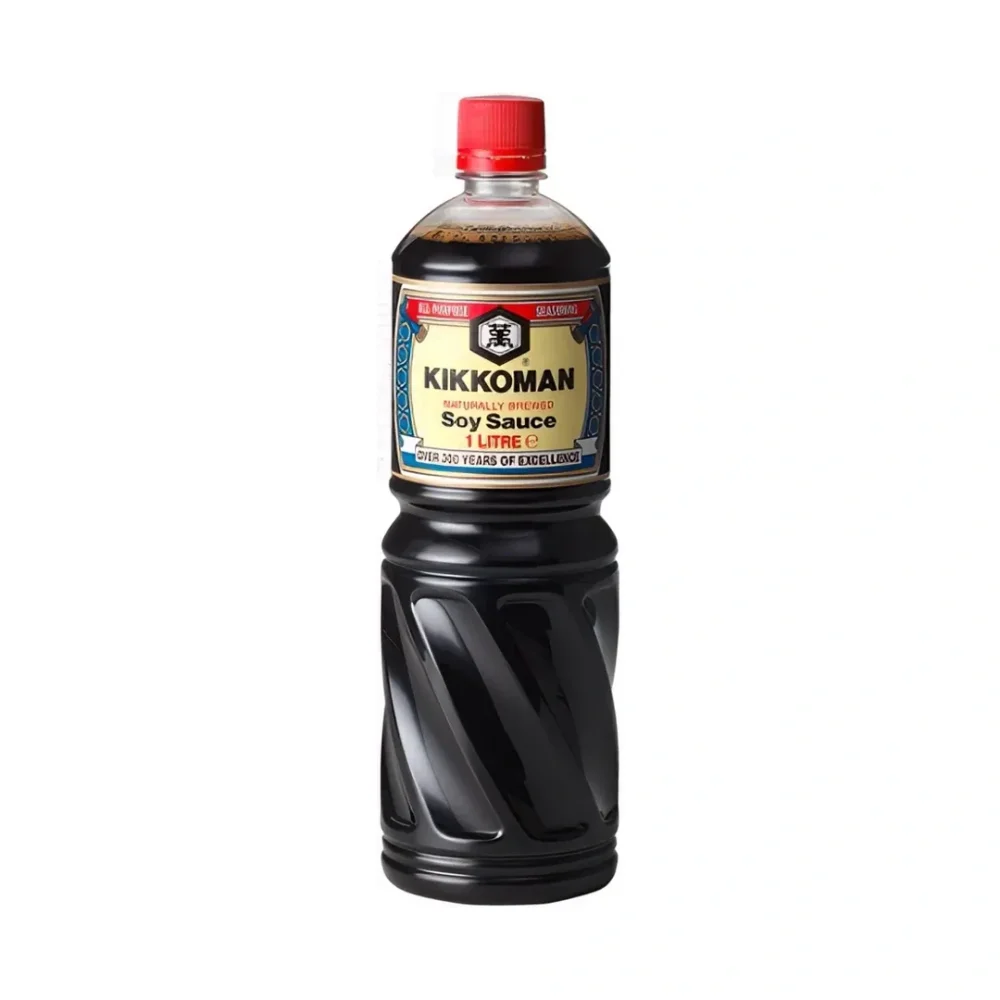
As a universal “salty axis,” you can use a classic style shoyu, for example Kikkoman soy sauce (shoyu). In Japanese sauce bases, it often meets sake and mirin – resulting in a smoother taste than trying to “make up” everything with sugar and aggressive spices.
Noodles and regional ramen: one name, many variations
Noodles have a special place in Japanese cuisine (soba, udon, somen, and ramen). Regional differences are well seen especially in ramen: in Japan it has developed into an important and distinctive part of modern cuisine with regional styles (such as those mentioned in Hokkaido). For home experimentation, it is practical to start with noodles themselves and gradually adjust the seasoning base depending on whether you want a subtler or stronger result – for example, using soy sauce, miso, and other fermented ingredients.
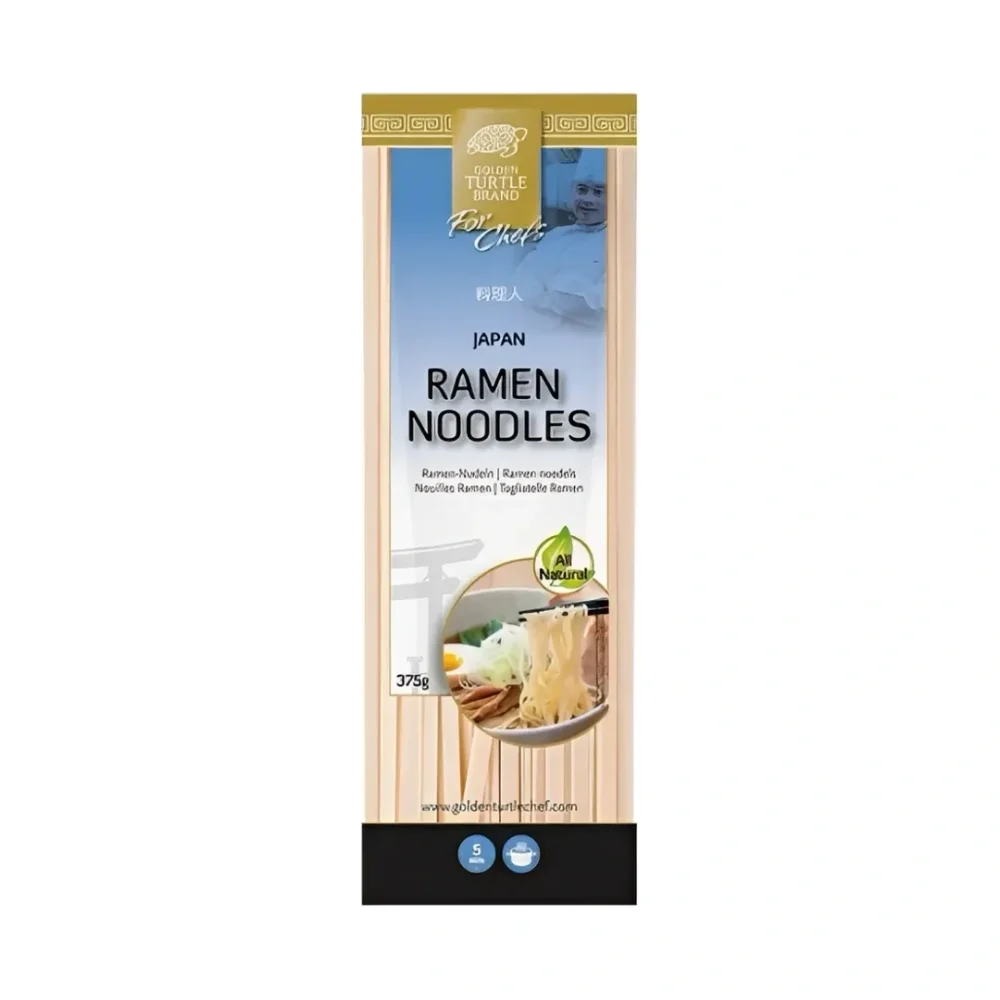
As a simple start, wheat Golden Turtle Chef ramen noodlesare suitable because they work well both in soup and in quicker "pan" preparations.
Common misconceptions that spoil orientation in Japanese cuisine
- “Japanese cuisine is mainly sushi.” It’s not. Sushi is just one famous part of a much broader whole – moreover, regionally and stylistically variable.
- “Sushi means raw fish.” No. The base of sushi is seasoned rice; fish is just one of the possible forms.
- “All Japanese dishes are light and diet-friendly.” Not always. Besides delicate dishes, there are hearty broths, fried foods, and rich noodle bowls including regional specialties.
- “Ramen is a traditional ancient Japanese dish.” Ramen has Chinese origins but has developed in Japan into a fundamental part of modern Japanese cuisine.
- “Mirin can be replaced just by sugar.” Sugar sweetens, but mirin also adds shine, flavor rounding, and smoother binding of sauce with the ingredient.
- “Rice wine is just one thing.” In practice, sake, mirin, and various cooking wines are confused; it is useful to distinguish what to expect from each ingredient.
What to take away from the article
- Regions are key in Japanese cuisine: differences arise from climate, sea, mountains, local crops, and history.
- Hokkaido, Tohoku, Kanto, Kansai, and Chubu represent distinctly different culinary “worlds” – from the colder north through preservation to the urban culture of Tokyo and delicate Kyoto.
- Although regions differ, they are united by washoku logic: respect for the natural flavor of ingredients, seasonality, subtle seasoning, and thoughtful meal composition.
- For home cooking, the easiest start is a common pantry (rice, soy products, seaweed, fermented seasonings) and then choosing “formats” like sushi, donburi, or noodle bowls.
- Mirin and sake are not interchangeable “rice wines”: each has its own role in the kitchen and different impacts on flavor and texture of sauces.

Read next
If you want to explore this topic further, continue with these related blog guides and articles:
