


 Česky (CZK)
 Slovensky (EUR)
 Deutsch (EUR)
 Austria
 Belgium
 Bulgaria
 Croatia
 Denmark
 Estonia
 Finland
 France
 Germany
 Greece
 Hungary
 Italy
Italy Latvia
 Lithuania
 Luxembourg
 Netherlands
 Poland
 Portugal
 Romania
 Slovenia
 Spain
Spain Sweden










How to Choose Green Tea
Choosing green tea means recognizing the basic styles, knowing what to look for on the packaging, and being able to properly prepare and store the tea at home. This guide will explain how to start, what types of teas exist, what to pay attention to when buying, and how to avoid the most common mistakes. 🍵
🌶️ What is True Green Tea
True tea is made from tea plant leaves Camellia sinensis. The differences between tea types (green, white, oolong, black, dark) mainly come from the processing method: the extent of withering, heating of the leaf, rolling, and degree of oxidation or further aging. For green tea, oxidation of the leaf is stopped to preserve its fresh, "green" character. Note: herbal and fruit blends are technically tisanes (not true tea) and some products like "matcha latte mix" differ in taste from pure matcha.
Main Styles of Green Tea and How to Recognize Them
Japanese Steamed Teas: Sencha, Gyokuro, and Matcha
Japanese teas are often steamed during processing. This includes common sencha, the more intense and demanding gyokuro, and matcha (ground powder). In practice, Japanese teas require a gentler approach in preparation: some (especially gyokuro and ceremonial matcha) are considered a higher category in price and technology and are more sensitive to water temperature and dosage. For matcha, note that pure matcha (powder) is not the same as sweetened "matcha latte" mixes.
Chinese Pan-Fired and Regional Styles
Chinese green teas represent a wide spectrum of styles. An important factor is the method of heating the leaves (e.g., pan-firing), which significantly affects the aroma and character of the resulting infusion. The same name on the box does not guarantee the same taste across manufacturers — origin and processing style have a big influence.
👃 Roasted and Flavored Variants (e.g., Hojicha, Jasmine)
Among green teas, you can also find roasted variants and flavored teas. For example, jasmine tea can be a quality green tea scented with fresh flowers, but it can also be a cheaper flavored blend. Roasted or "roasted-style" teas have a different character and often different preparation and storage requirements.
When the Line Between Green and Oolong is Thin
Some light oolongs are technologically and flavor-wise close to green teas; they offer more complexity and usually withstand multiple infusions. They are suitable for those looking for a compromise between green and oolong.
How to Choose Green Tea — Step by Step for Beginners
1) What to Buy First
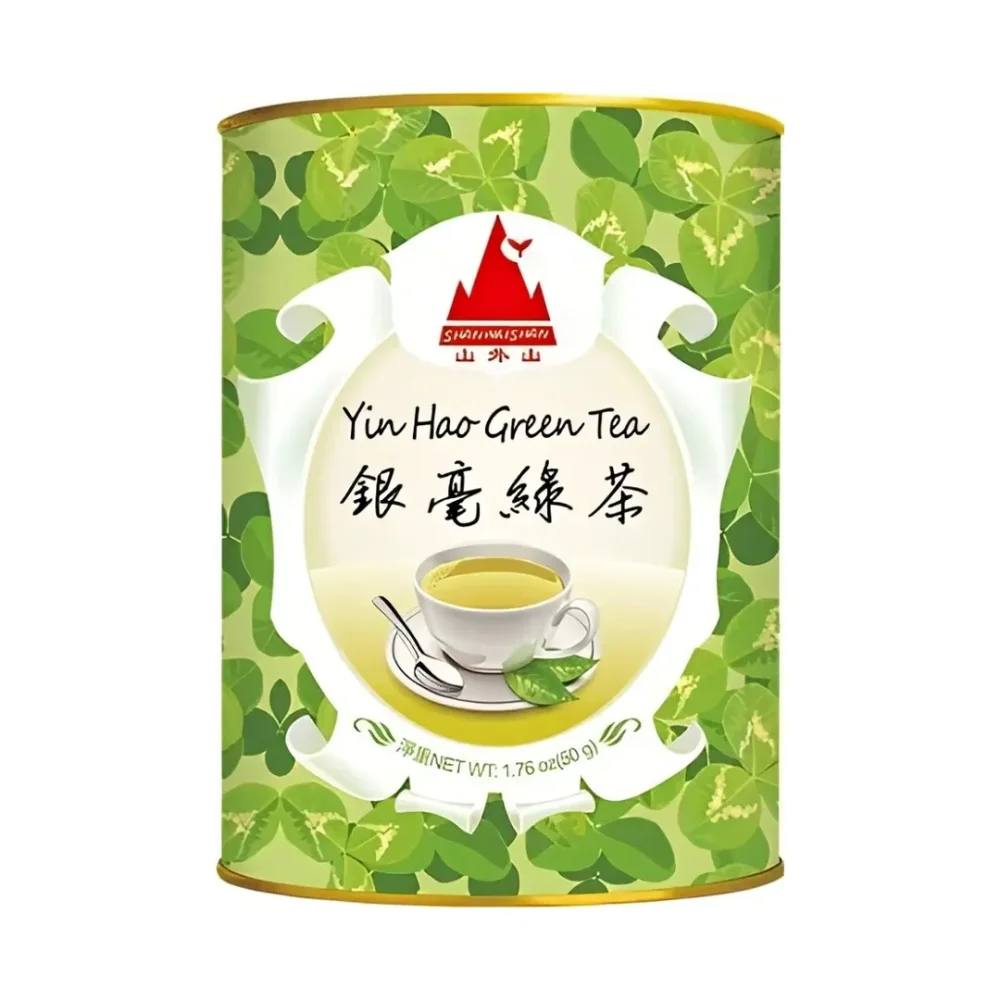
To start, choose a more universal, everyday drinkable tea: a mildly strong sencha or a gentle Chinese green tea works well as a reference "everyday" tea. As a concrete example of such a style, you can consider Shan Wai Shan Green Tea Yin Hao 50 g, which illustrates what to expect from a mild green tea. If you are attracted to modern drinks (matcha latte, iced beverages), be careful whether you are buying pure matcha or a flavored mix; citrus concentrates (e.g., yuzu) are also suitable for flavoring iced teas.
2) What to Look for on the Packaging
- Type / Processing: indicates whether it is sencha, gyokuro, matcha, roasted style, etc.;
- Origin / Region: specific origin is a good sign for orientation; very vague claims often say nothing;
- Leaf Integrity: for loose leaf teas, it's a plus if the leaves are larger and whole (less broken material means a better chance of a clean infusion);
- Dry Leaf Aroma: a quality tea should have a recognizable and clean aroma; mustiness or dullness are warning signs;
- Marketing Phrases: labels like "premium oriental tea" without further specifics are usually less reliable.
3) Approximate Preparation Parameters (Practically)
The following values are to be taken as rough starting points — the final choice depends on the specific tea and your taste:
- Dosage: about 1 teaspoon of loose tea (approx. 2 g) per 200–250 ml of water; a weak infusion often looks "delicate" but can simply be underdosed;
- Water Temperature (approximate): delicate steamed Japanese teas and gyokuro: lower temperature; common sencha and Chinese green teas: medium temperatures; roasted or more robust types can tolerate higher temperatures. If unsure, start with a lower temperature and extend the steeping time or increase leaf amount;
- Steeping Time: delicate teas usually require a short steeping (tens of seconds up to a minute), more robust variants longer; many green teas can handle 2–3 infusions, with the first usually being shorter;
- Matcha: approximately 1–2 g of matcha per small cup of water (for pure "tea" use); matcha needs to be sifted and well mixed/whisked, lumps and too hot water quickly spoil the result.
4) How to Store
Tea is most damaged by: moisture, light, heat, foreign odors, and prolonged contact with air. Practical guidelines:
- store tea in a well-sealed, ideally opaque container, in a dry and dark place;
- keep tea separate from strongly aromatic foods (coffee beans, spices);
- roasted teas, delicate green teas, and matcha lose aroma faster — buy smaller packages or divide large packages into smaller portions;
- for loose leaf teas, a simple rule applies: the less air and light, the better for aroma longevity.
🍳 5) Combinations and Modern Uses
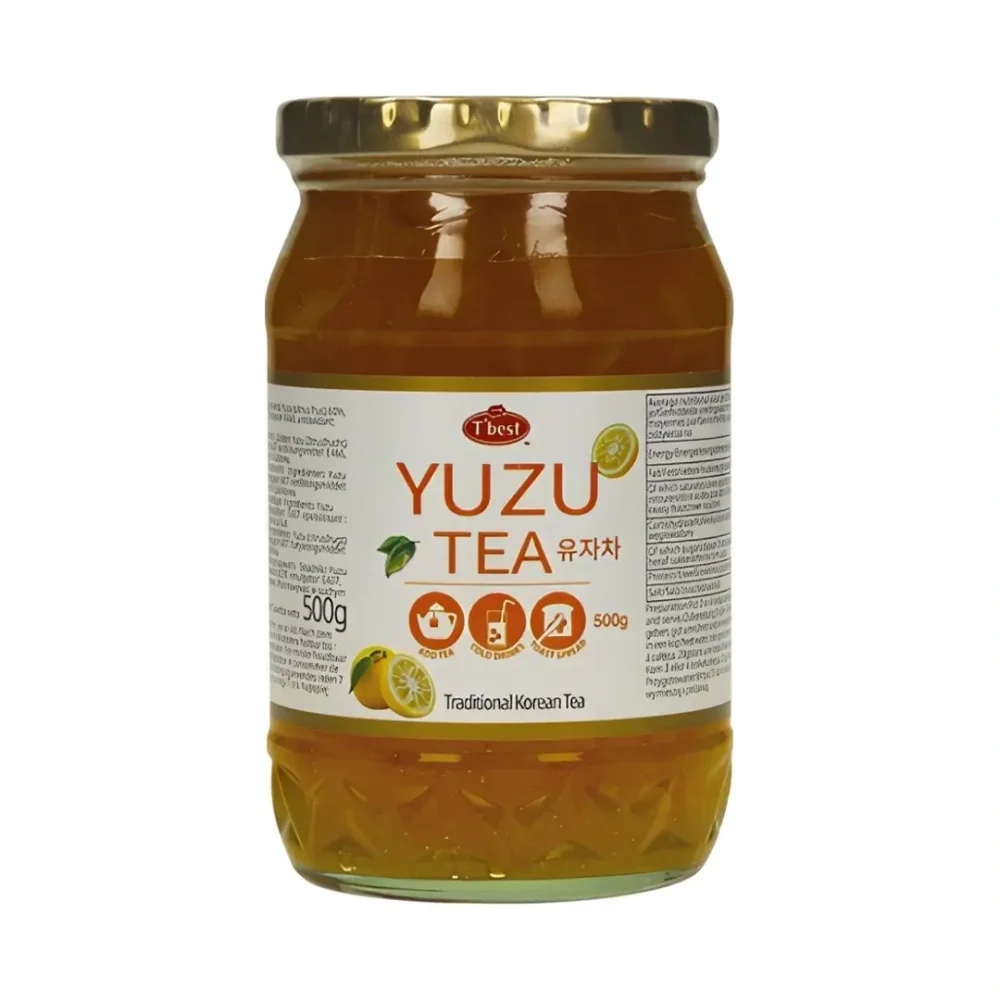
For modern iced and café variations, matcha is often used as a base along with flavor concentrates like yuzu. An example of a yuzu concentrate suitable for flavoring iced tea or lemonade is T'best Citrus Tea Yuzu 500 g. Modern drinks often emphasize appearance and texture, but the base — suitable tea and proper preparation — remains key.
Common Mistakes and How to Fix Them
- Pouring everything with boiling water: leads to bitterness in delicate green teas. Fix: shorten steeping time or use lower temperature.
- Universal recipe for all teas: sencha, hojicha, oolong, and matcha are not the same. Fix: adjust temperature, time, and amount according to the type.
- Underdosing the leaves: weak tea is not always "delicate", it is often just weak. Fix: add a bit more leaf or slightly extend steeping time.
- Poor storage: tea loses aroma in poor conditions. Fix: transfer tea to an airtight, dark container and consume it faster.
- Mixing matcha blends for pure matcha: many ready-made matcha latte mixes contain sugar and additives — they are not pure matcha. Fix: if you want traditional matcha, look directly for ground tea powder without additives.
- Buying too large amounts of specialties at once: some ingredients have narrow uses. Fix: try smaller packages first until you find a style you really use.
What to Take Away from the Article
- True green tea is the leaf of Camellia sinensis processed to minimize oxidation; this determines its character.
- When choosing, look for clearly stated processing type, origin, leaf integrity, and fresh dry leaf aroma.
- Start with a more universal daily tea (e.g., mild sencha or light Chinese green tea) and buy smaller packages to try.
- Store tea dry, dark, and tightly sealed — especially matcha and delicate green teas are sensitive to aroma loss.
- Adjust preparation temperature and time to the tea type; if unsure, start with lower temperature and less time and fine-tune to taste.

Read next
If you want to explore this topic further, continue with these related blog guides and articles:
