


 Česky (CZK)
 Slovensky (EUR)
 Deutsch (EUR)
 Austria
 Belgium
 Bulgaria
 Croatia
 Denmark
 Estonia
 Finland
 France
 Germany
 Greece
 Hungary
 Italy
Italy Latvia
 Lithuania
 Luxembourg
 Netherlands
 Poland
 Portugal
 Romania
 Slovenia
 Spain
Spain Sweden










How to compose a menu for a visit and a larger table
Are you planning a feast or a larger family visit and want the food to work smoothly for more people? This practical guide will show how to arrange the menu according to Asian sharing principles: the roles of rice, soup, and side dishes, how to combine flavors, and what to prepare in advance.
What “menu for a visit” means in the Asian context
At Asian tables, there is often an emphasis on sharing, respect for the table, and ensuring that individual dishes work well together. This has several practical implications for menu planning:
- Shared bowls and sides: instead of one personal plate, several bowls and small portions are served, which guests share.
- Rice or another “carrier” as the center: in many regions (especially Southeast Asia and Indonesia), rice is a practical center around which strong sauces or spicy accompaniments are arranged.
- The role of order and gestures: the way of service, who starts, pouring drinks, and small gestures have symbolic meaning and influence how guests receive the menu.
Asia is not one cuisine: differences between Japan, Korea, Indonesia, or Thai tables determine how to arrange dishes and how to serve them.
Regional differences that affect menu composition
Japan: respect for service and smaller shared plates
The Japanese approach often emphasizes appreciation for service and cleanliness of flavors. Practical implications for the menu:
- Prefer several thoughtful small dishes (miso soup, grilled fish, small tempura or kushi-yaki) that guests transfer onto their own plate or bowl.
- For food like sushi, make sure the seasoning does not overpower the taste (e.g., use soy sauce sparingly).
Korea: the table as a set of bowls (banchan) and service structure
Korean dining often means that in front of each guest there is rice and soup, surrounded by a number of smaller side dishes (banchan). For menu planning, this means:
- Order and arrangement are important — think in sets (rice + soup + 4–6 sides + one main dish).
- Include a combination of textures and temperatures (steamed, fermented, grilled, fresh) so that banchan complement each other.
Southeast Asia / Indonesia: rice as center, strong sauces and pastes
In Southeast Asia, rice is practically the “center of gravity” of the meal: sauces, spiciness, and sweet-salty contrast are designed to be eaten together with rice. For a feast, this means:
- Offer a neutral carrier (rice, ketupat, or noodles) and several strong main dishes (stewed meat like rendang, grilled satay skewers, strong curries).
- Consider the presence of spicy accompaniments (sambal, sour pickles) so guests can individually adjust the taste.
Singapore and hawker culture: sharing without excessive formality
Hawker style is inspiring for informal feasts: smaller portions of diverse dishes that people have brought to the table and try together. For a larger table, it is a good model if you want a varied, 'table-flexible' program without strict rules.
🍽️ Practical menu plan: roles of dishes, approximate amounts, and sample combinations
When planning a feast, think in roles: carrier (rice/noodles), soup, 2–3 mains, 3–4 sides/banchan, something to cleanse the palate (dessert or candy). Below are approximate recommendations, which adjust according to the number of guests and type of event:
- Approximate amount per person (roughly): dry rice 60–80 g/person (which corresponds to about 150–200 g cooked rice), noodles 80–120 g dry, main protein 120–180 g per person for a separate main dish; for shared buffet mains less per person is sufficient because multiple items are combined.
- Structure for 6–8 people (example): 1 medium soup (e.g. tom yum) + 2 mains (e.g. mild curry and grilled meat) + 3 sides (salad, pickles, fried small dish) + rice + small sweets as palate cleanser.
Example of a quick menu inspired by Southeast Asia:
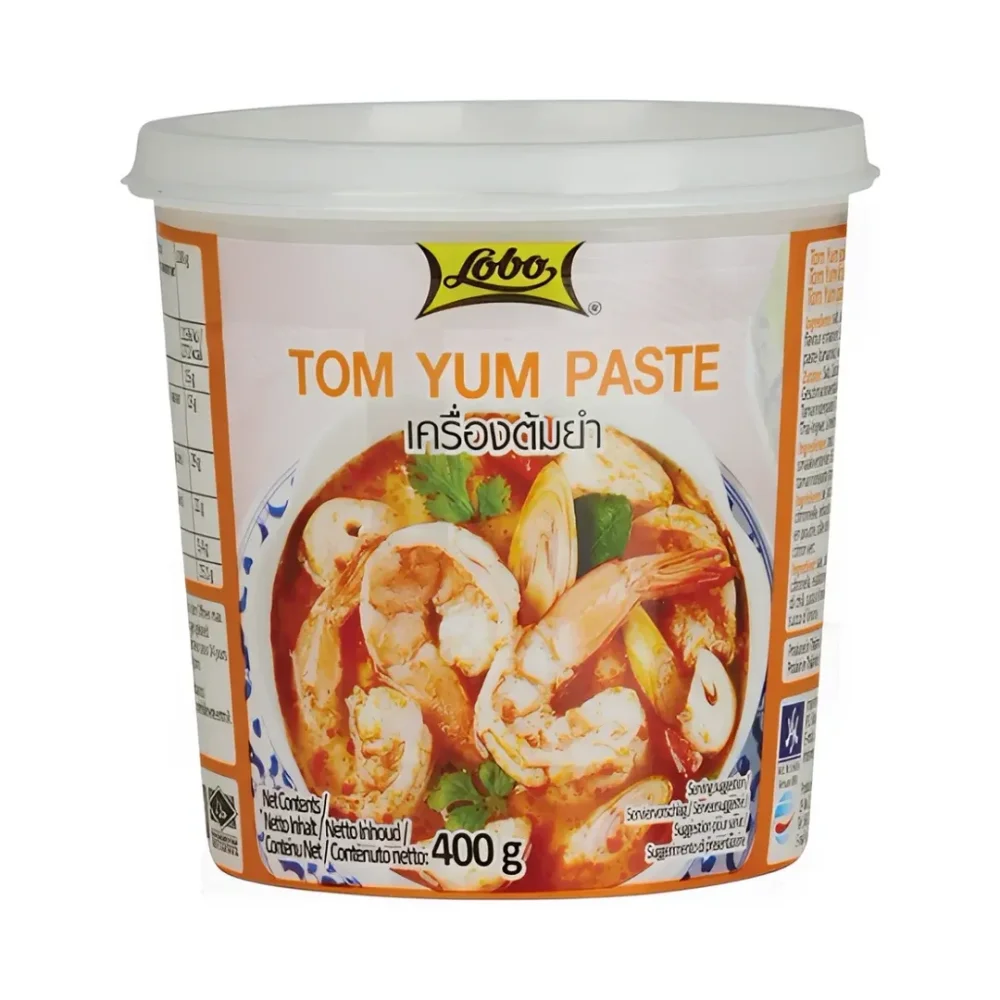
- Soup: spicy-sour tom yum (a practical base can be used as a starting flavor and save time) — Lobo paste for Tom Yum soup.
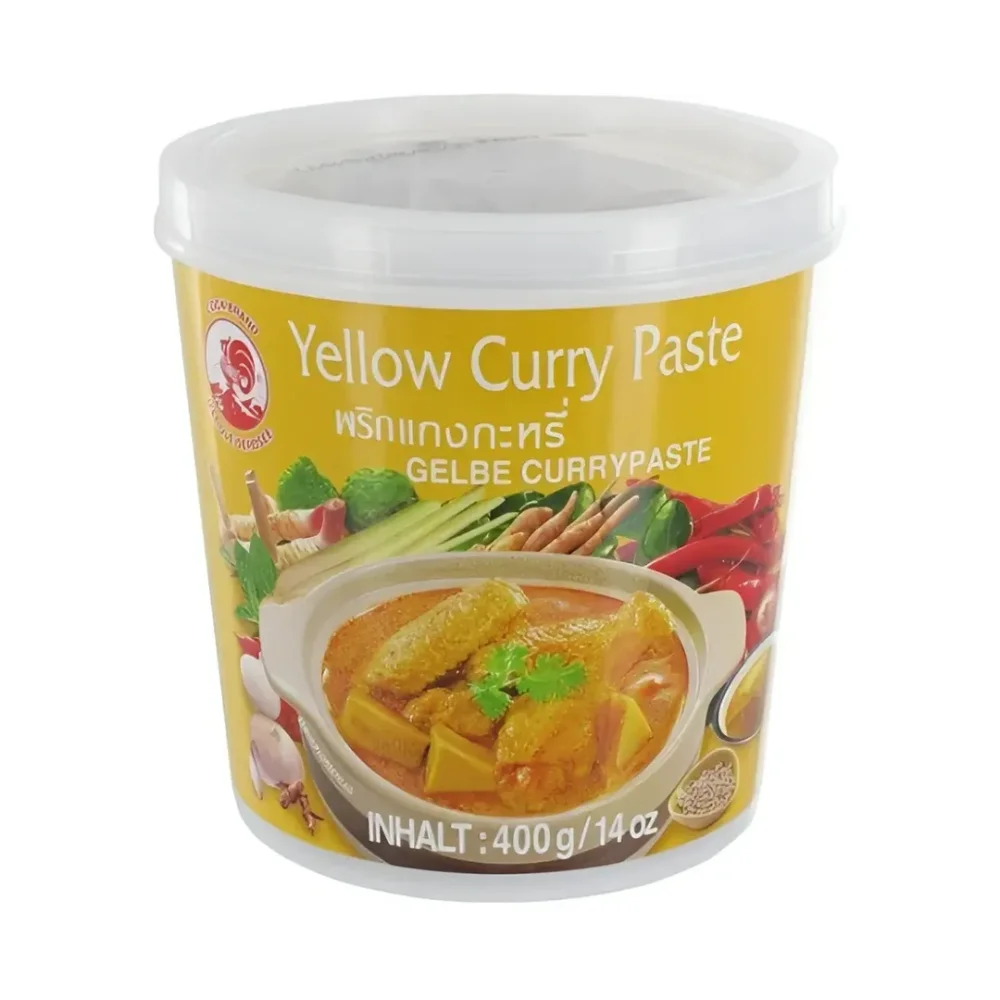
- Main: light yellow curry with coconut milk (a milder curry variant) — Cock Brand yellow curry paste.
- Carrier: rice and noodles for sharing (quick noodles are a good universal complement to these dishes) — Longlife Chinese quick noodles.
- Seasoning and finish: simple soy sauce for seasoning and marinades — Dek Som Boon soy sauce (Japanese type).
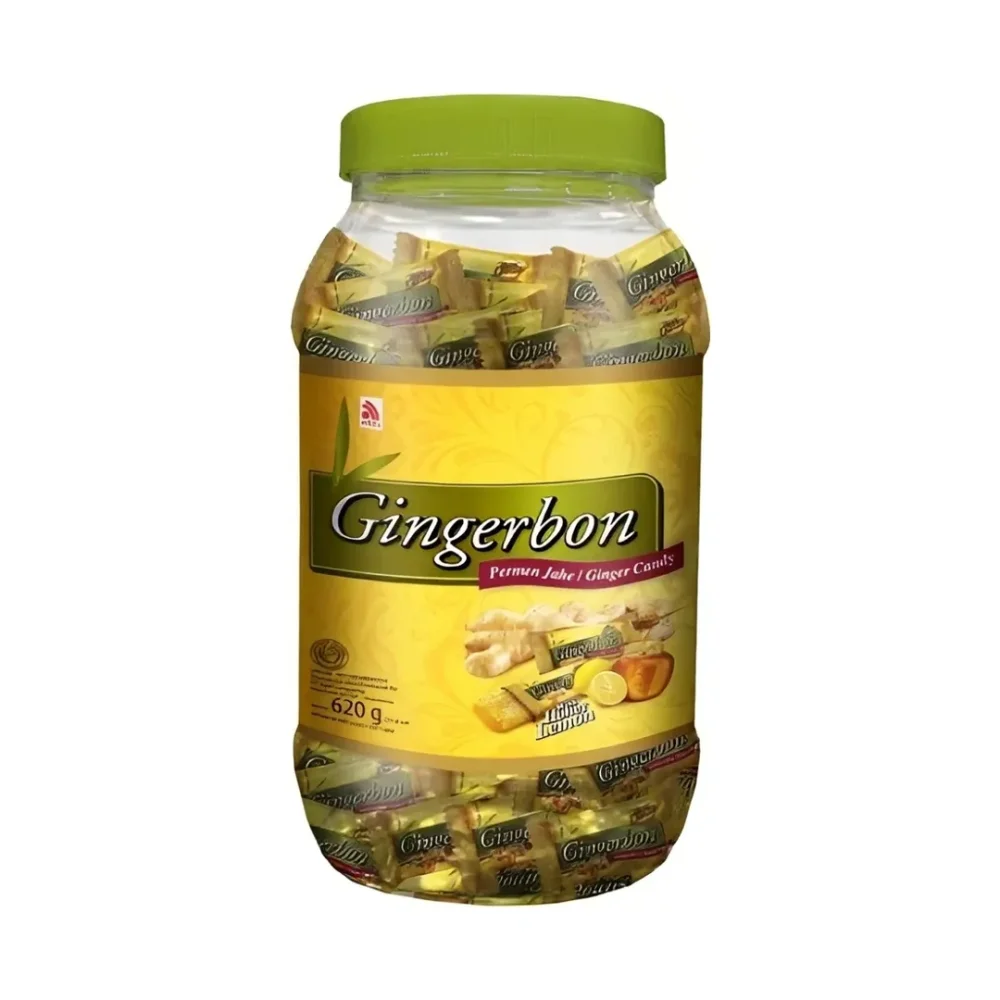
- Palate cleanser / small dessert: ginger candies after the meal (help ease transition between flavors).
A small tip at the end of the menu: small sweets like ginger candies help “cleanse” the palate after spicier feasts, and guests appreciate them as a simple finishing touch — Agel ginger candies with honey and lemon.
🍳 Mise en place and ingredient preparation: specific steps
Preparation in advance is key in Asian cooking; poor mise en place ruins even quick stir-fries or a combination of bowls. Specific proven procedures:
- Two to one day before: prepare sauces, marinades, and fermented sides; for long-simmered dishes (e.g., rendang) cooking a day before helps — flavors generally meld.
- Morning/several hours before: cut ingredients (size and shape according to technique — thin slices for quick frying, larger pieces for stewing), prepare banchan, cook basic grains and keep them warm or in a rice cooker.
- Last 30–15 minutes: finish fried and crispy elements just before serving, heat soups and mains, mix salads just before service so they remain crisp.
- Service tools: have ready shared spoons/serving utensils, small plates to transfer from main dishes, and clearly marked spicy dishes (second bowls or labels).
Common mistakes and how to fix them
- Mistake: too many heavy and same-type dishes — solution: add at least one fresh or sour side dish (salad, pickles) for contrast.
- Mistake: unprepared ingredients — solution: create a mise en place checklist and divide tasks (cutting, sauces, heating rice) before the day of the feast.
- Mistake: unlabeled allergens and spicy dishes — solution: mark spiciness and main allergens, offer neutral carrier (rice) and an alternative for allergy sufferers.
- Mistake: service without shared serving spoons — solution: provide a serving spoon for each shared bowl to avoid hygiene issues and allow guests to serve themselves comfortably.
What to take away from the article
- Plan the menu as a set of roles: carrier (rice/noodles), soup, main, sides, dessert.
- Adapt serving to regional logic: Japan with more individual bowls, Korea with structured banchan, Southeast Asia with rice + strong sauces.
- Prepare as much as possible in advance (sauces, marinades, chopped ingredients) and finish crispy elements just before serving.
- Allow guests to adjust taste — spicy additions, soy sauce for seasoning, and small sweets as palate cleansers are practical and appreciated.
A good menu for a larger table is not about quantity but about combining flavors, textures and making sure each item is easily shareable and logically placed. With a little advance preparation and focus on the roles of each dish, you get a feast that feels natural and smooth.

Read next
If you want to explore this topic further, continue with these related blog guides and articles:
