


 Česky (CZK)
 Slovensky (EUR)
 Deutsch (EUR)
 Austria
 Belgium
 Bulgaria
 Croatia
 Denmark
 Estonia
 Finland
 France
 Germany
 Greece
 Hungary
 Italy
Italy Latvia
 Lithuania
 Luxembourg
 Netherlands
 Poland
 Portugal
 Romania
 Slovenia
 Spain
Spain Sweden










How to build a menu that makes an impression
Impression is often not made by the number of courses, but by the menu appearing well thought out: it has a clear "story," is pleasant to eat at the table, and the parts follow each other. Inspiration from festive meals in Asia shows that a truly festive meal is not just about taste – it's also about context, symbolism, sharing, and a well-chosen composition.
When "festive menu" is mentioned, many people mainly imagine complexity and impressive serving. In the Asian context, however, a different logic often applies: festive meals are usually part of a ritual, carry symbols (happiness, longevity, abundance, protection) and are not just "better versions of regular food." That is why they can seem special, even if they don't rely on complicated techniques.
In this article, we will show how to translate this logic into a home menu so that the result feels festive yet manageable: from choosing the type of menu through balancing lightness and heartiness to the most common mistakes that reliably kill the impression.
Festive menu as a "cultural code": ritual, symbolism, sharing
The most important guiding point is this: festive food in many parts of Asia functions as a cultural code, not just a collection of recipes. Several common traits often apply:
- Food is part of a ritual (something is closed, started, reminded, shared).
- Symbolism of ingredients and shapes can be as important as taste.
- Family and sharing at the table are key parts of the experience.
- Connection to a specific period (holiday, new year, harvest, important transition).
- Conservatism: in a festive context, continuity and identity are often confirmed rather than experimenting.
For a home menu, this is practical: if you want to "make an impression," you don't have to cook the most complicated dishes. It's enough if the menu seems meaningful. It helps to ask four simple questions in advance:
- When will it be eaten (afternoon visit vs. long dinner)?
- Who will be at the table (small family vs. more guests, sharing)?
- What should the food "say" (new beginning, hospitality, meeting)?
- Why does this composition make sense (light–hearty, hot–cold, crunchy–soft)?
Three festive scenarios inspired by Asia (and how they differ)
A festive table is not just one type of feast. Different "scenarios" repeat in Asian festive traditions – and each is composed differently. Below are three that can be translated at home without copying a specific holiday down to the last detail.
1) New Year's menu: dishes that have "meaning"
New Year is often the strongest culinary moment in many Asian cultures. The important idea here is a new beginning and symbolism: the menu is not assembled just "by taste," but also according to what it should bring.
The Japanese New Year's context is often associated with dish names like toshikoshi soba, osechi, ozoni. For a home menu, the main principle is: make one or two courses "flagship" (they have a story, are expected, feel festive), and arrange the rest of the menu to avoid overloading the table.
2) Family gathering: sharing the table is more important than effect
Festive foods across Asia are often collective, shared, and intergenerational. It's not only about what is eaten, but also that some things "are made because without them it wouldn't be the same."
A typical example of such a festive framework is Korea and the holiday Chuseok, where the dish songpyeonis mentioned. Even if you don't copy a specific festive table at home, you can adopt the logic: build the menu so it can be easily shared, eaten calmly, and prepared in multiple steps (part ahead, part at the last minute).
3) "Open house" and visits: menu based on hospitality
In Southeast Asia (Malay, Indonesian, Singaporean, and broader Muslim regions), the festive framework Hari Raya / Eidis significant. Food often emphasizes hospitality here: it closes a period of discipline, "opens the house" to visits, and connects family and community.
In such a scenario, more festive rice dishes appear, satay (grilled specialties), ketupat and also coconut, spiced dishes or festive sweets and snacks. A practical takeaway for home: the menu should be scalable (easily add portions), some items can stay "on the table all the time," and food should be pleasant even when guests come and go.
🍳 Practical procedure: how to build a home menu that is festive and balanced
Home festive menus often fail because they are composed "from recipes" (what will I cook?) instead of "from function" (what should each dish do?). A simple framework inspired by the light and balanced Asian logic helps: base + protein + vegetables + a small amount of sauce + final accent. Spread this scheme across several moments in the menu.
Step 1: Determine the axis of the menu (broth vs. sauce, hot vs. cold, sharing vs. portions)
In Asian noodle dishes, it's clear how strongly character is determined by the liquid component: either it is broth (noodle soup) or sauce (wok, "dry" noodles). Similarly, you can think of the whole menu:
- Broth-based start feels festive and at the same time light (opens the appetite).
- Sauce or wok core gives heartiness and the "main" impression.
- Final accent (herbs, citrus, sesame, pickles) keeps the menu readable and not heavy.
If you want "emphasis on purity and elegance," lean toward broth and fresh elements. For a "feast," base the menu more on shared hearty components – but watch the balance.
Step 2: Build the first course so it doesn't kill the rest of the evening
A strong impression is often made by a warm, clean-tasting start – such as a bowl of noodle broth. Noodle soups (in various styles like phở, ramen, or laksa) work as a full meal but can be served in a smaller portion in a menu as an "opening."
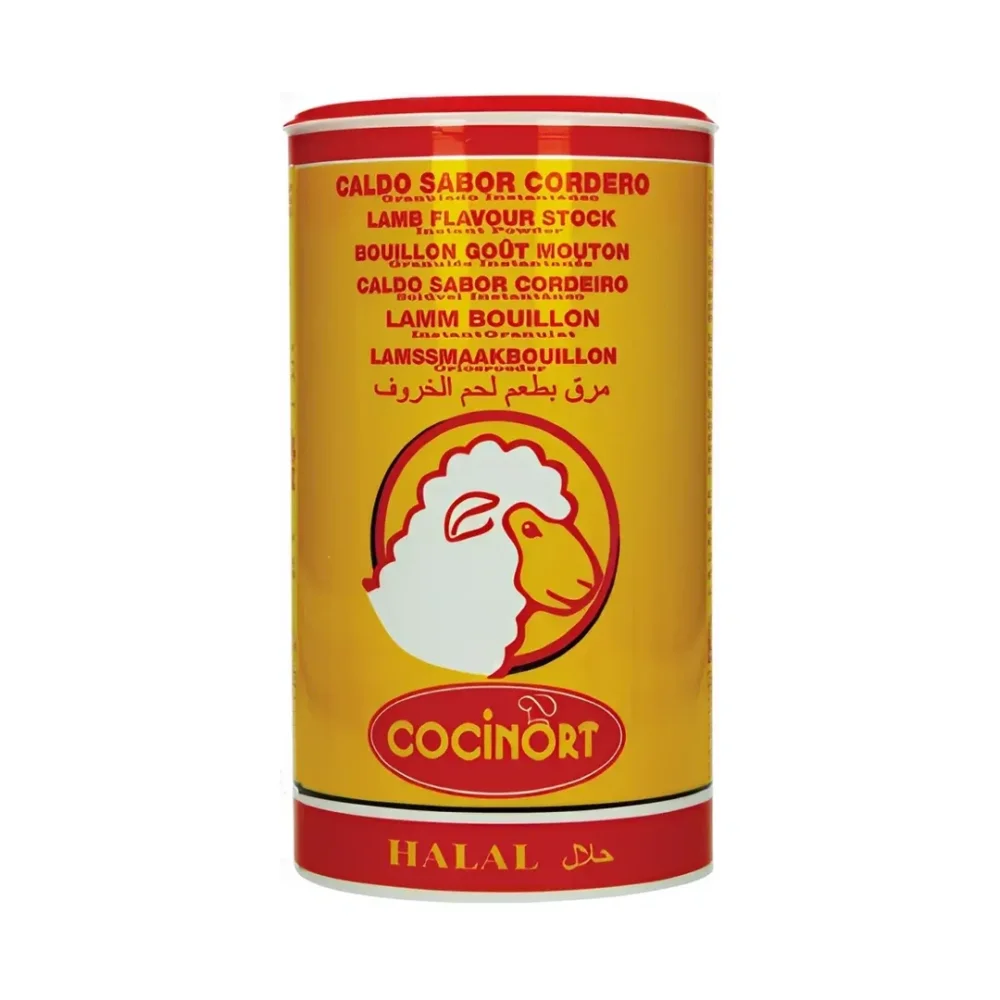
At home, watch two things that keep returning with noodles: (1) broth should be clean-tasting and controlled, (2) noodles and liquid should complement, not drown each other. When you need to quickly strengthen broth, a precisely dosed bouillon can help (e.g. Cocinort lamb bouillon) – more as a "seasoning tool" than the only source of taste. Start with a small amount, taste, and add gradually; for a festive menu, subtlety is better than over-salting.
Step 3: Make the main part shared – and work with texture
Festive meals tend to be family and shared, so the impression often comes from "something happening" in the middle of the table: more bowls, more small components, the possibility to pick and combine.
From the noodle world, inspiration fits here from wok and dry dishes: the sauce should coat and connect the noodles, but not turn them into mush. In practice, this means:
- add sauce gradually (better twice a little than once a lot),
- ensure texture remains (crunchy/fresh elements are not decoration),
- do not overload the menu with one flavor direction (only sweet, only spicy, only "heavy").
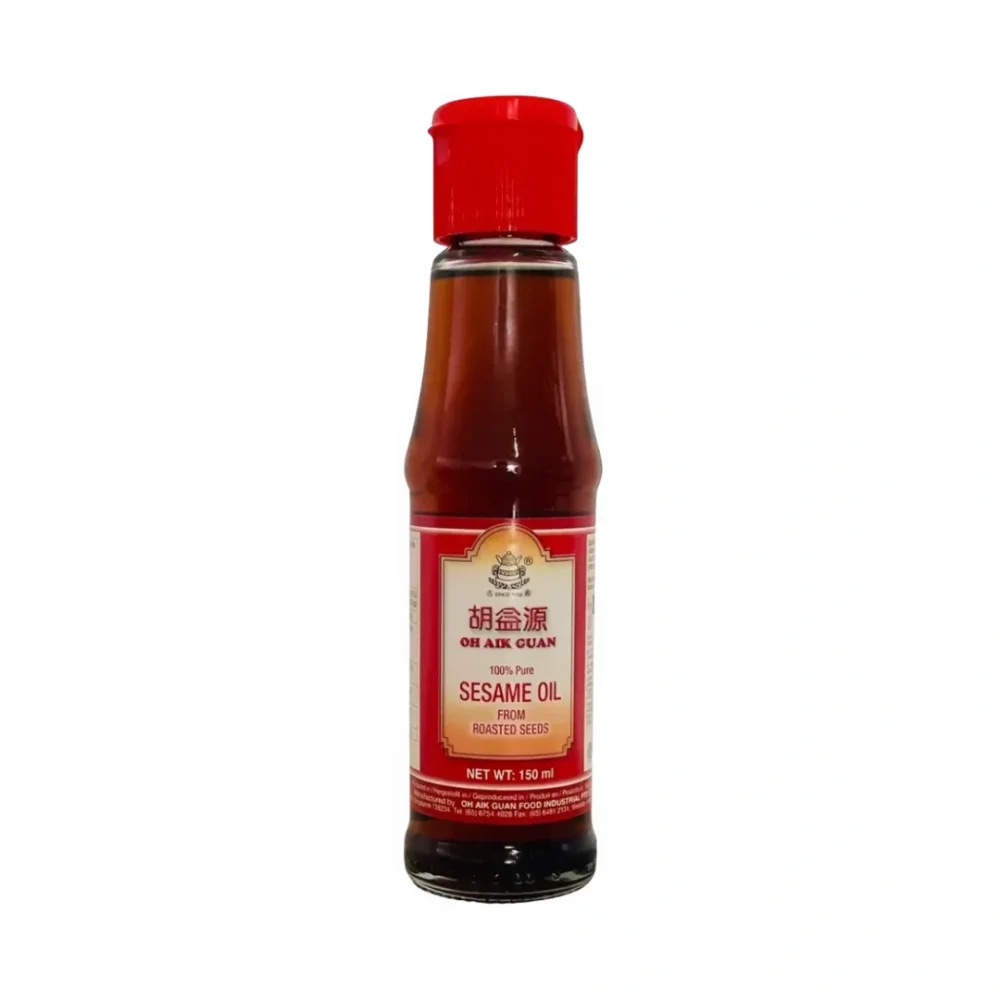
If you want to add "festive shine" without complexity, often a very small final seasoning is enough. For example, a few drops of sesame oil can connect sesame-soy directions and add aroma without overpowering other flavors.
Step 4: Treat sauces and spiciness as an optional layer on the table
A common problem with home festive menus is that "emphasis" becomes "overkill." In Asian style, it often works when the base of the food is balanced, and intense things are an optional complement (everyone adjusts to their own taste).
A practical pair that behaves differently and is good not to confuse:
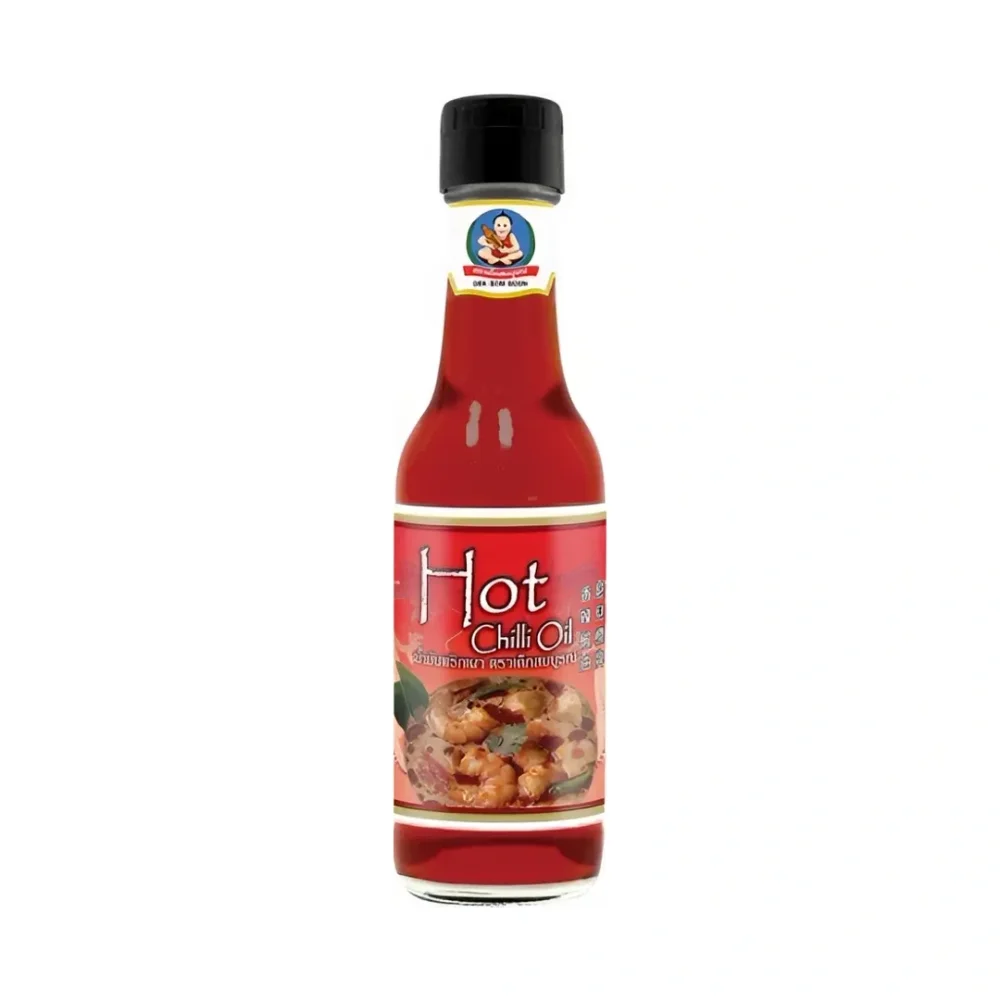
- Chili oil is typically a final seasoning "on the plate" – a few drops can raise aroma and spiciness. Example: Dek Som Boon chili oil.
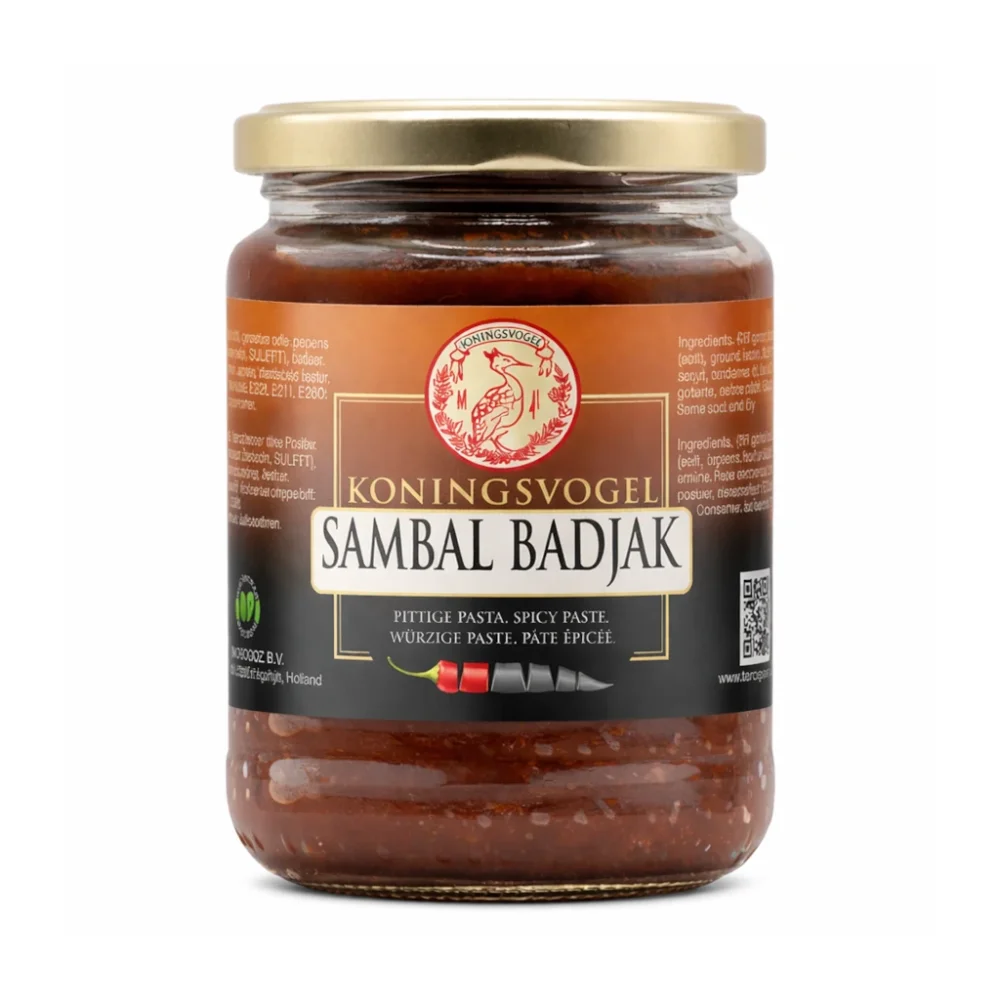
- Chili paste is more a base for sauce, stir-fry, or marinade – it provides body and flavor, not just a spicy "kick." Example: Sambal Badjak.
If you want the menu to seem professional, put one of these options on the table (not all at once) and keep the basic flavor of the food clear. For spicy things, a simple rule applies: the guest should add more if they want, but should not be forced.
Step 5: Let dessert make the "full stop" by texture and contrast, not heaviness
Asian desserts are not one style – side by side exist rice and flour desserts, coconut directions, bean and sesame fillings, jellies and puddings with different textures, and icy layered desserts. Common is that they often rely more on texture, temperature contrast, and working with starches than on heavy buttery pastries.
If you want an easy and "Asian-readable" impression, choose according to what texture you want in the end:
- chewy (e.g., mochi varieties),
- gelatinous (e.g., grass jelly and similar),
- creamy (coconut and milk-based desserts),
- fruity and fresh (fruit, syrups, light combinations).
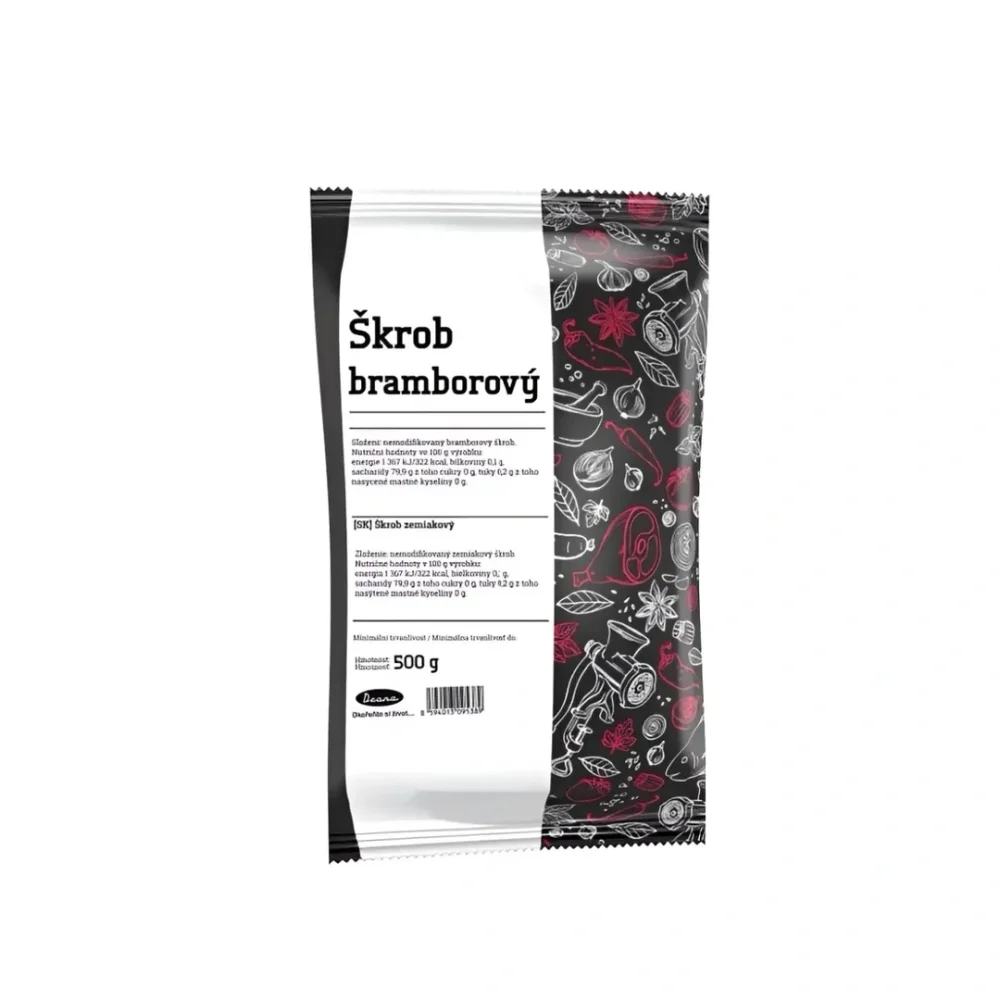
For home cooking, it's helpful to have a neutral thickener on hand that helps with the consistency of creams, puddings, or sauces. A typical "technical helper" is starch (e.g. Drana potato starch) – but always add it in small amounts and mixed to avoid lumps.
Step 6: When you don't have time, build the impression on smart work distribution
Festive meals often are prepared at home and sometimes preparation is as important as the food itself. At home, this can be translated by composing a menu from items that:
- can be made ahead (part of sauces, broth, components),
- are just combined at the last minute (stir-frying, final accent),
- hold well on the table and withstand sharing.
If you need a backup or want to handle part of the menu without cooking, one canned or ready-made item can be a practical addition – so that it still fits into the "story" of the table. They can serve as a guide ready-made Asian dishes, which can be combined with fresh elements (herbs, acidity, sesame, chili to taste).
Common mistakes: why the menu sometimes doesn’t impress (and how to fix it)
- Confusing festive with "overcomplicated": A long menu is not automatically better. It helps to choose one axis (e.g. broth + shared main course + contrasting dessert) and keep the rest simple.
- Too many experiments where continuity is needed: Festive meals tend to be more conservative than everyday cooking. Even at home, it is often better to make "classically readable" flavors and only treat one thing creatively.
- Overdone sauces: For noodles and wok dishes, too much liquid breaks the texture. When the dish is "drowned," it can often be fixed only by additional thickening and evaporation – it’s better to add sauce gradually and ensure the noodles stay firm.
- The menu is rich but lacks freshness: Asian lightness often doesn’t mean "little food," but that the food doesn’t feel heavy and the flavors are clear. Acidity, herbs, crunchy elements, and smaller, precise seasoning help.
- Guests have no control over spiciness: At a festive table, it’s elegant to offer spicy items as optional additions. This also creates an "interactive" sharing moment.
- The dessert is "outside the story": If the whole evening is about textures, lightness, and contrast, a heavy ending feels out of place. Asian inspiration offers many ways through starches, coconut, fruit, jelly, and chewy textures.
What to take away from the article
- A menu that impresses is not just about taste: in a festive Asian context, ritual, symbolism, and sharing are also important.
- First choose the type of festive table (New Year’s "meaning," family gathering, open house) and only then select the dishes.
- Balance often arises from contrast: broth vs. sauce, hot vs. cold, crunchy vs. soft, fresh vs. rich.
- For noodles and sauces, watch the texture: too much sauce is a more common mistake than too little.
- Spiciness and strong seasoning are elegantly handled as an optional layer on the table, not as a mandatory flavor for everyone.
- Dessert can be festive mainly through texture and contrast – and yet not feel heavy.

Read next
If you want to explore this topic further, continue with these related blog guides and articles:
