


 Česky (CZK)
 Slovensky (EUR)
 Deutsch (EUR)
 Austria
 Belgium
 Bulgaria
 Croatia
 Denmark
 Estonia
 Finland
 France
 Germany
 Greece
 Hungary
 Italy
Italy Latvia
 Lithuania
 Luxembourg
 Netherlands
 Poland
 Portugal
 Romania
 Slovenia
 Spain
Spain Sweden










Shared tables and Asian-style feasts: how they work and how to understand them in practice
Shared food "Asian style" is not just a style of serving, but a way people communicate at the table. Often it is a board composed of several bowls and side dishes, where the order, placement, and how it is taken from the common dishes matter. In the article, we will show why food-sharing is so common in many parts of Asia, how the everyday shared table differs from a festive feast, and how to create a similar experience at home without stress.
🌶️ What is typical for shared dining in Asia (and why it's not "just etiquette")
Etiquette and dining in Asian cuisine are in many regions not just a set of polite behavior rules. They are part of the meaning of food: it's not just about what is eaten, but also how it is eaten, who starts first, how the shared food is handled, and how respect is shown to the host, elders, or others at the table.
Shared tables are typically built on multiple bowls and side dishes. At the same time, the "one personal plate" plays a smaller role and the role of shared bowlsis greater. The order, placement, and method of service are also important – not just the choice of dishes, but also how they are "read" and approached at the table.
Why food is shared so much in Asia: family, community, and hospitality
Sharing food is strongly linked to family, community, and hospitality in many parts of Asia. Practically, it means that the table often functions as a shared space: dishes are arranged side by side, complement each other, and a rhythm is created at the table (who serves, who waits, who assists the elders, who pours tea or drinks).
It is useful to imagine that the shared table is not a "serving counter". It is a mutual agreementon how to share food so that everyone gets to taste what they want while maintaining consideration for others.
Three forms of sharing: arranged table, festive service, and urban sharing of space
"Shared dining" in practice doesn't mean the same everywhere. Even within Asia, there are different situations which correspond to the level of formality.
Korea: dining as an arranged table
Korean dining is a good example of how the structure of food reflects the structure of the table. Food is usually served as multiple bowls and side dishes at once, so rules are not "extra", but naturally arise from how the table is arranged.
- It is typical that rice and soup are placed in front of the diner, around which are banchan (small side dishes) and other bowls.
- Spoons and chopsticks have their place and are used with a certain logic (not everything is eaten with the same utensil).
- Younger people usually wait for the elders.
- When pouring alcohol or serving elders, an emphasis is placed on the two-handed gesture.
It is also noted as important that the bowl with rice or soup is not raised to the mouth and that dining is a communal activity, not individual "fast eating."
Japan: respect for service and food
Japanese dining emphasizes respect for the host and the food and also the significance of how the food is served: the order, placement, and method of serving are not random. This is especially important in festive situations where service is part of the "message" of the feast.
Singapore and hawker culture: sharing without excessive formality
Singapore’s hawker culture shows a different type of sharing: it is not about courtly or strictly formal etiquette but about communal urban dining in a space where people from various communities meet. What is important is that:
- people eat in a communal space,
- different ethnic cuisines commonly function side by side,
- people share tables and space,
- shared food is part of urban life.
This is a useful reminder: “etiquette” in Asia doesn’t always mean strict rules – sometimes it’s more about the ability to function in a lively, shared, and multicultural environment.
Festive feasts: when food is not just tasty but also symbolic
Holidays and festive meals in Asia often are not just "better versions of ordinary meals." They may have their own symbolism, fixed ingredients, specific way of serving, and connections to family, ancestors, harvest, the new year, religious calendars, or important life transitions. Therefore, it makes sense to see a festive feast as a cultural code, not just as a list of dishes.
Common features often found in festive meals:
- food is part of a ritual, not just a feast,
- symbolism of ingredients and shapes is important,
- family and sharing at the table are as important as taste,
- some dishes are firmly tied to a specific date or holiday,
- many dishes carry wishes for abundance, health, longevity, purity, or new beginnings.
Japanese New Year: toshikoshi soba, osechi, and ozoni
Japanese New Year is a clear example of how food can carry meaning:
- Toshikoshi soba (New Year’s Eve soba) symbolizes longevity and at the same time closing the old year.
- Osechi is a set of New Year’s foods served in stacked boxes jubako. The individual components may carry their own symbolism (for example health, happiness, fertility, or prosperity). It shows the principle of “many small items,” where each means something.
- Ozoni is a New Year soup with mochi; it varies regionally but serves a similar role: food for the new beginning, family table, and festive time.
Sri Lanka: New Year tables and sweets
Sri Lankan Sinhala and Tamil New Year has a strong connection to family rituals, sweets, and homemade preparation. The festive table may include, for example, kokis, asmi, kalu dodol or milk rice. It is typical to combine sweet and festive, emphasize coconut milk, rice flour, and syrups, and stress shared, homemade preparation – as a symbol of new beginning and prosperity.
Southeast Asia: Hari Raya / Eid and "open house"
In the Malay, Indonesian, Singaporean, and broader Muslim space, Hari Raya / Eid has great significance. Food here often:
- marks the end of a period of fasting or discipline,
- opens the house to visitors,
- emphasizes hospitality,
- connects family and community.
In the context of shared feasts, it is important that festive dining can be connected with visits and an “open house,” not only with the family table in a close circle.
How to arrange a shared table "Asian style" at home (practically, without a recipe)
At home, you usually don’t want to copy foreign rules to the last detail. The idea is to create a table that shares well: is readable, considerate, and allows tasting.
1) Set the table with a “center” and accessories
In many Asian meals, the stable center is rice (a neutral base, around which other flavors are arranged). Then it is easy to add to a shared table:
- one soup (shared or individual bowls),
- 2–4 shared bowls (vegetables, something "saucy", something with a stronger flavor),
- small side dishes (in the spirit of “multiple bowls and sides”),
- something each person can add according to their taste (e.g., a little sauce).
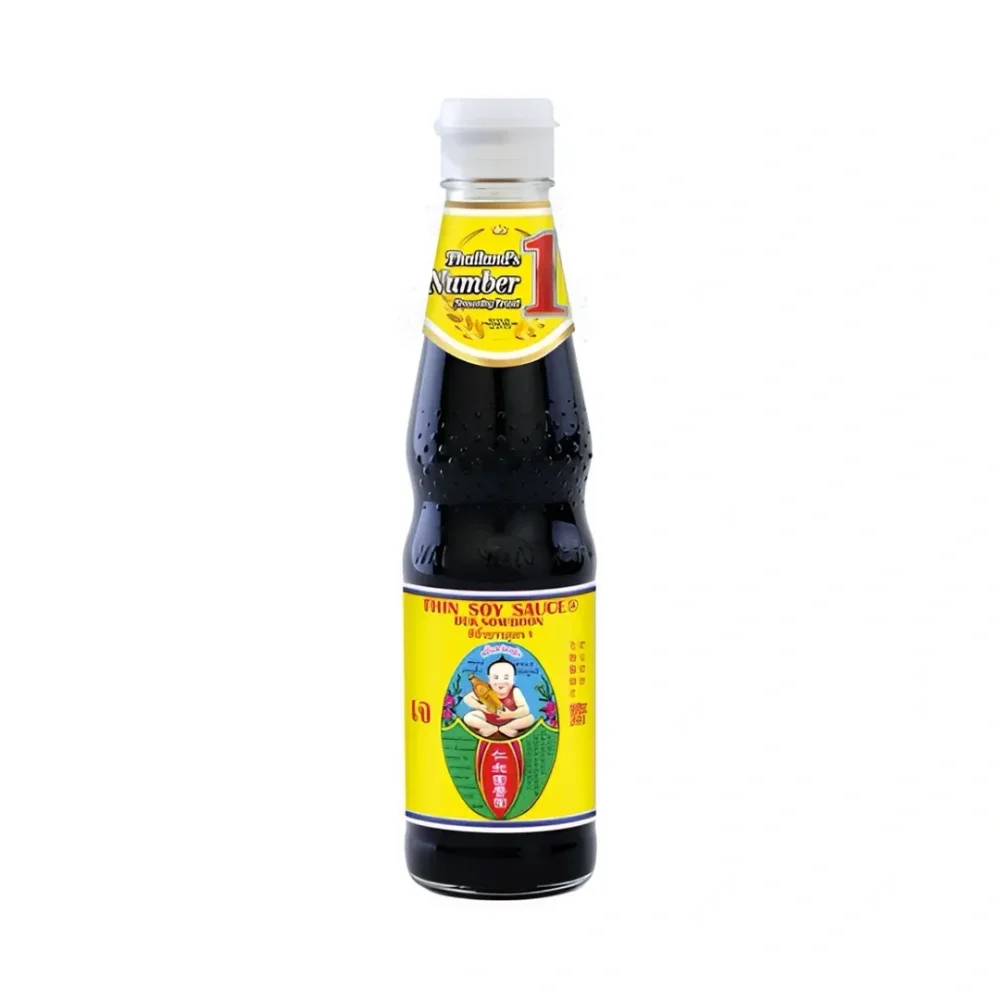
For simple seasoning without darkening ingredients, a light soy sauce works well – for example Dek Som Boon light soy sauce. In practice, it's useful to put it on the table rather as a “finishing” seasoning and add little by little.
2) Choose the “type of sharing” according to the situation
- Family table: multiple bowls at once, everyone tastes, the pace is shared.
- Festive table: more emphasis on service, order, and meaning (as with osechi or ozoni).
- Informal sharing: calmly “urban” and simple, important is considerate sharing of space and food (hawker principle).
3) Simplify preparation so the table remains varied
For a feast, it is often more practical to compose several smaller things than to cook one huge dish. It helps to have at least one “quick” base that gives the table a clear character.
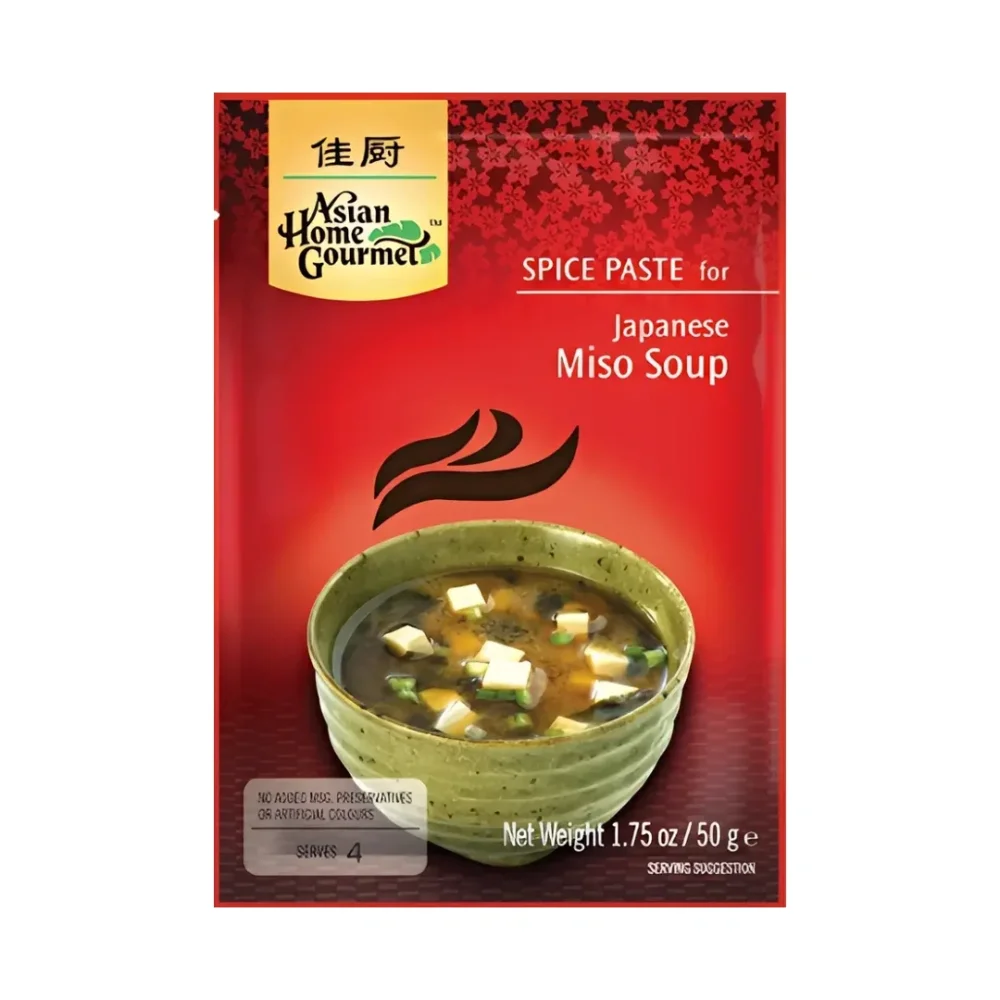
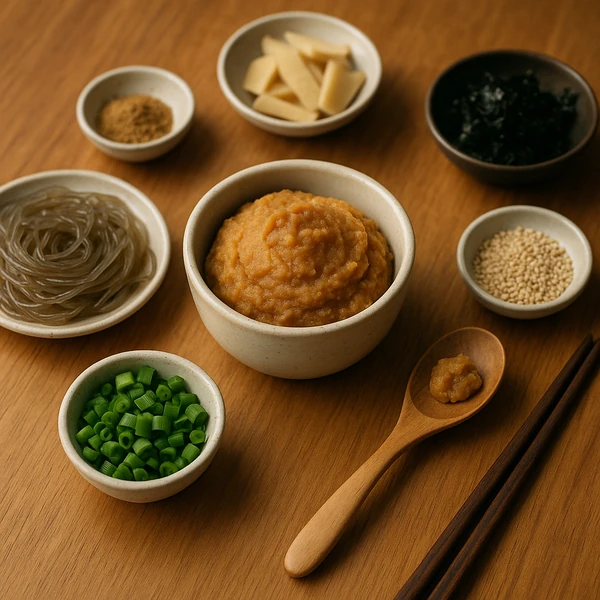
- If you want a quick Japanese-style soup as part of the table, a concentrated base like AHG Miso Soup Paste can help – it adds umami and gives you a stable starting point which you can then adjust according to your own preferences.
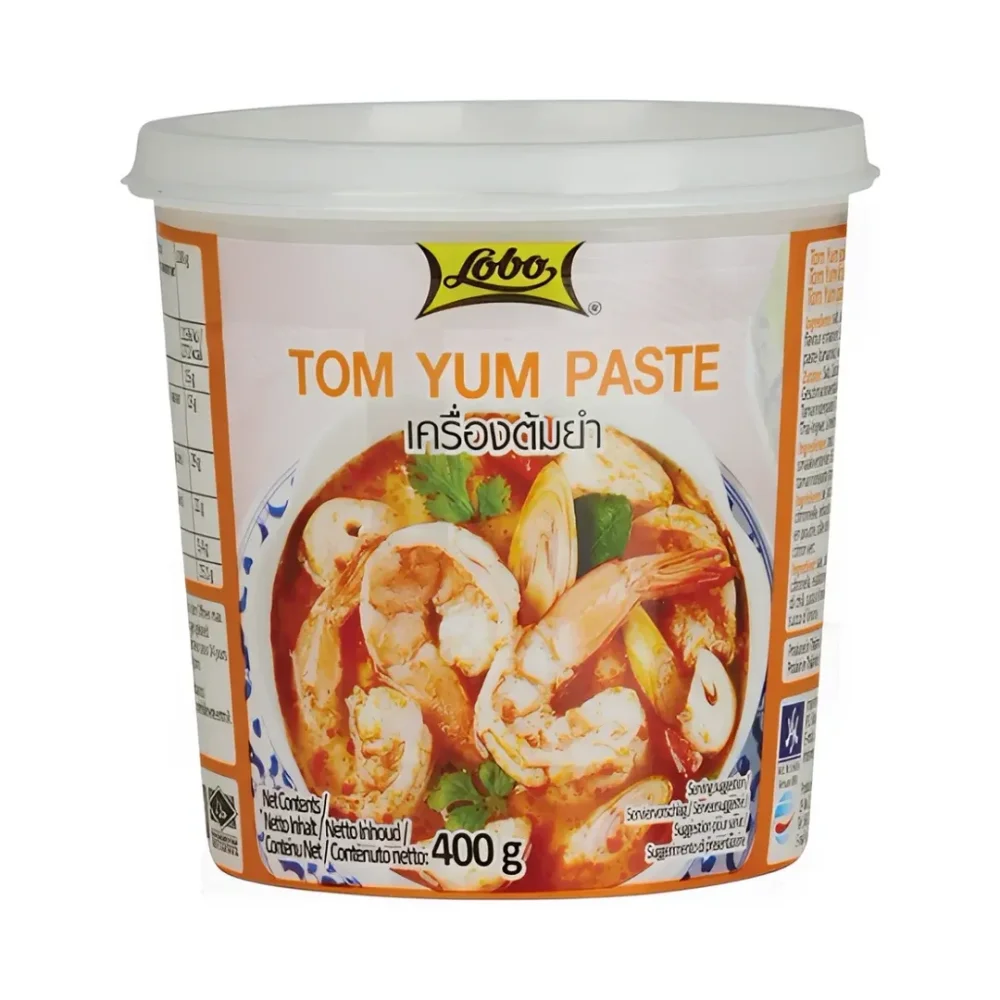
- If you want a stronger, spicy-sour soup “center,” you can work with a base like Lobo Tom Yum Soup Paste. For a shared table, it is practical to keep spiciness rather moderate and offer the option to adjust individual portions.
4) One bowl of “something to bite” + one bowl of “something to absorb the sauce”
To make a shared table feel "Asian" even without complicated recipes, a combination of textures works:
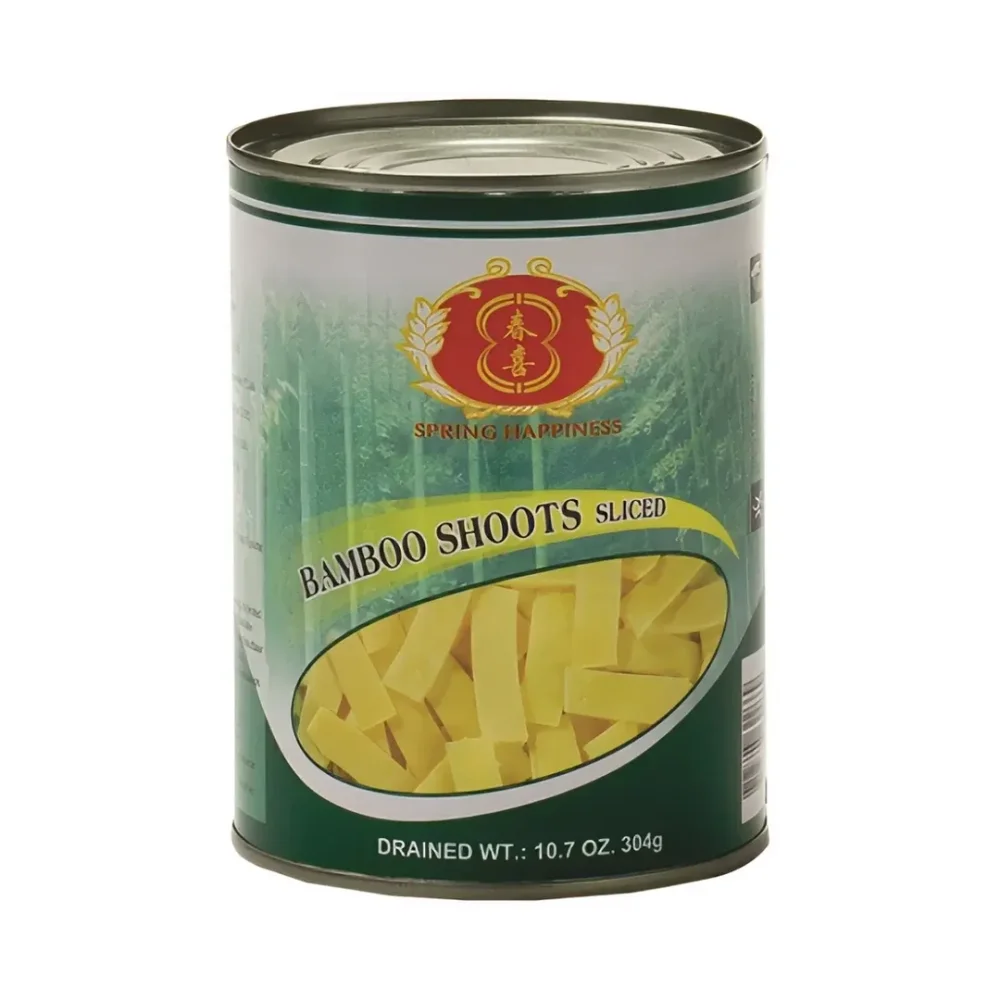
- Crunchy vegetables for wok or saucy dishes – for example, bamboo shoots (sliced) as an easy way to add crunch and an ingredient that holds its shape well even in a strong sauce.
- Noodles that catch the flavor – for example sweet potato noodles (glass noodles), which become translucent after cooking and easily bind the sauce. They are practical for sharing because they “connect” the bowl: the flavor remains even after mixing.
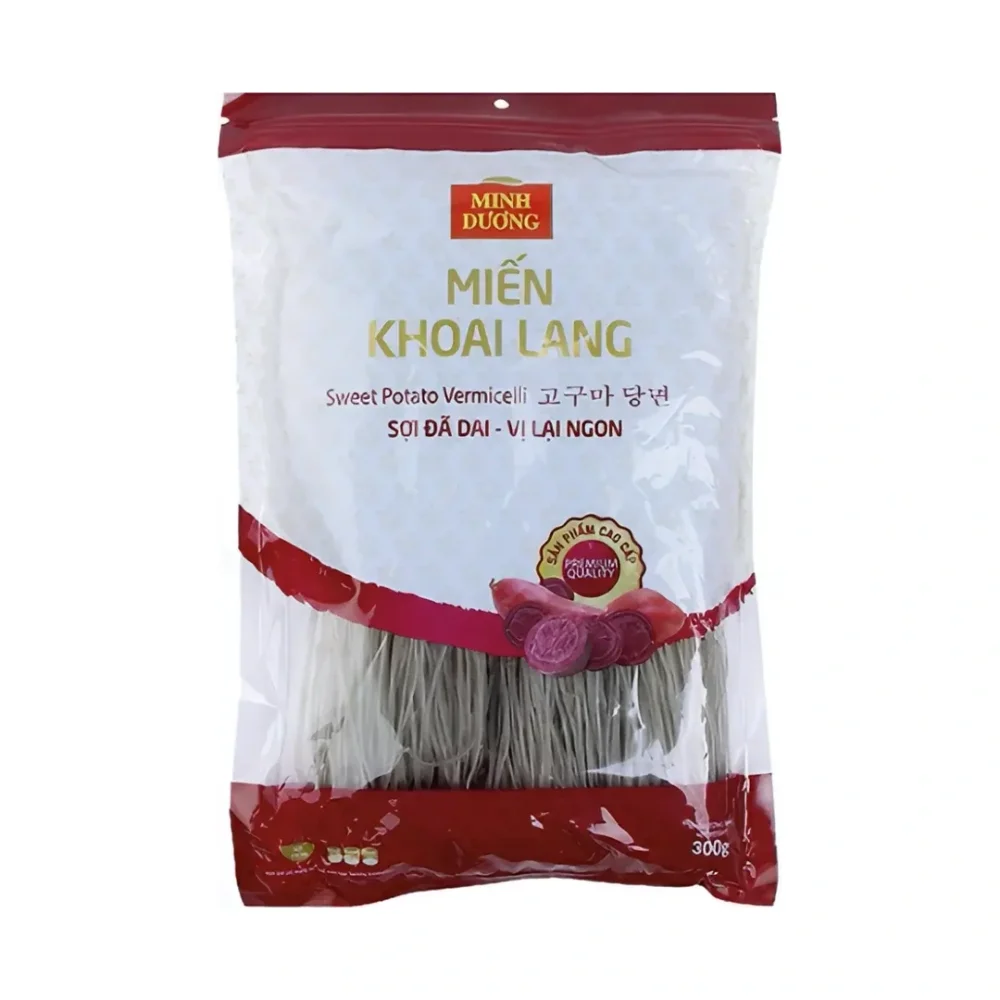
This pair (crispy + 'absorbent') is a simple trick to create a table where bites alternate well.
5) Small rules that make a big difference
- Agree at the beginning, whether you will serve yourself on your own plate/bowl or eat directly from shared bowls. At a European table, the first option is usually more comfortable.
- Respect the rhythm of the table: when sharing a meal, it makes sense to wait until everyone has a basic portion (in Korea, for example, it is mentioned that the younger often wait for the elders).
- Pay attention to the service: the order, placement, and serving method are not just 'design' – in many traditions they are part of respect for the food and host.
Common mistakes and misunderstandings at shared tables
- Mistaking the shared table for a 'buffet': sharing is not just about everyone taking what they want as quickly as possible. The point is consideration and a common pace.
- Taking 'Asian etiquette' as the only strict system: Singapore's hawker culture reminds us that sharing can also be completely informal. More important than perfect rules is that sharing works well and is pleasant.
- Ignoring that some tables have a clear structure: in Korean dining, etiquette is related to the arrangement of the table (rice and soup in front of the diner, side dishes around, the significance of using the spoon and chopsticks). If you deny this logic, the table can easily 'fall apart' into chaos.
- Overdoing the intensity of bases and pastes: concentrated soup bases are practical, but at a shared table, it's worth dosing them carefully. When the soup is extremely strong (or spicy), it unnecessarily overpowers the other dishes.
- Forgetting about textures: the feast is more enjoyable when crunchy, smooth, 'saucy', and firm alternate. Even a simple table can feel rich if you think about contrast.
What to take away from the article
- Shared tables in an Asian context often involve multiple bowls and side dishes and are connected with family, community, and hospitality.
- Etiquette is not just a 'set of rules' but part of the meaning of the meal: who starts, how sharing occurs, and how respect is expressed.
- Korean dining shows how a table can be arranged and why rules are tied directly to the table’s structure.
- Hawker culture in Singapore reminds that sharing can be lively, urban, and informal.
- Festive feasts (such as the Japanese New Year or Hari Raya/Eid) often carry symbolism and have a stricter service logic.
- At home, you can best assemble an 'Asian shared table' through the center (often rice), one soup, several smaller bowls, and contrast of textures.

Read next
If you want to explore this topic further, continue with these related blog guides and articles:
