

 Česky (CZK)
 Slovensky (EUR)
 Deutsch (EUR)
 Austria
 Belgium
 Bulgaria
 Croatia
 Denmark
 Estonia
 Finland
 France
 Germany
 Greece
 Hungary
 Italy
Italy Latvia
 Lithuania
 Luxembourg
 Netherlands
 Poland
 Portugal
 Romania
 Slovenia
 Spain
Spain Sweden










How do fast street foods, festive menus, noodle bowls, or dishes based on seaweed and mushrooms differ in Asian cuisine? This guide explains the main types of meals according to the occasion, presents representative examples, and offers practical advice: what to buy at the start, how to combine ingredients, and how to avoid the most common mistakes.
Introduction: what "types of meals and occasions" means in Asian cuisine
In Asian cuisine, meals are often distinguished not only by ingredients but also by context — where and when they are eaten, who prepares them, and their function (fast food to go, family celebration, light soup for breakfast, etc.). It is important to understand that the same ingredient can play a different role in another context (e.g., noodles as street food vs. noodles in a festive bowl).
Asian street food and fast meals: characteristics and examples
Street food in Asia has several common features: quick or finishing preparation in front of the customer, high specialization in one or several dishes, strong flavors, textures, and a connection to a specific place or community (hawker centers, night markets, warungs, kopitiams). These are dishes designed for immediate consumption as well as repeated daily use.
Types of places and what follows from them
- Hawker centers and markets: many small specialized stalls side by side — emphasis on speed and clear flavor identity.
- Stalls and night markets: often seasonal or evening, strong flavors, snacks for eating on-site or takeaway.
- Warungs and kopitiams: local daily rhythm, meals for everyday community dining.
How to bring street-food style into the home kitchen (practical)
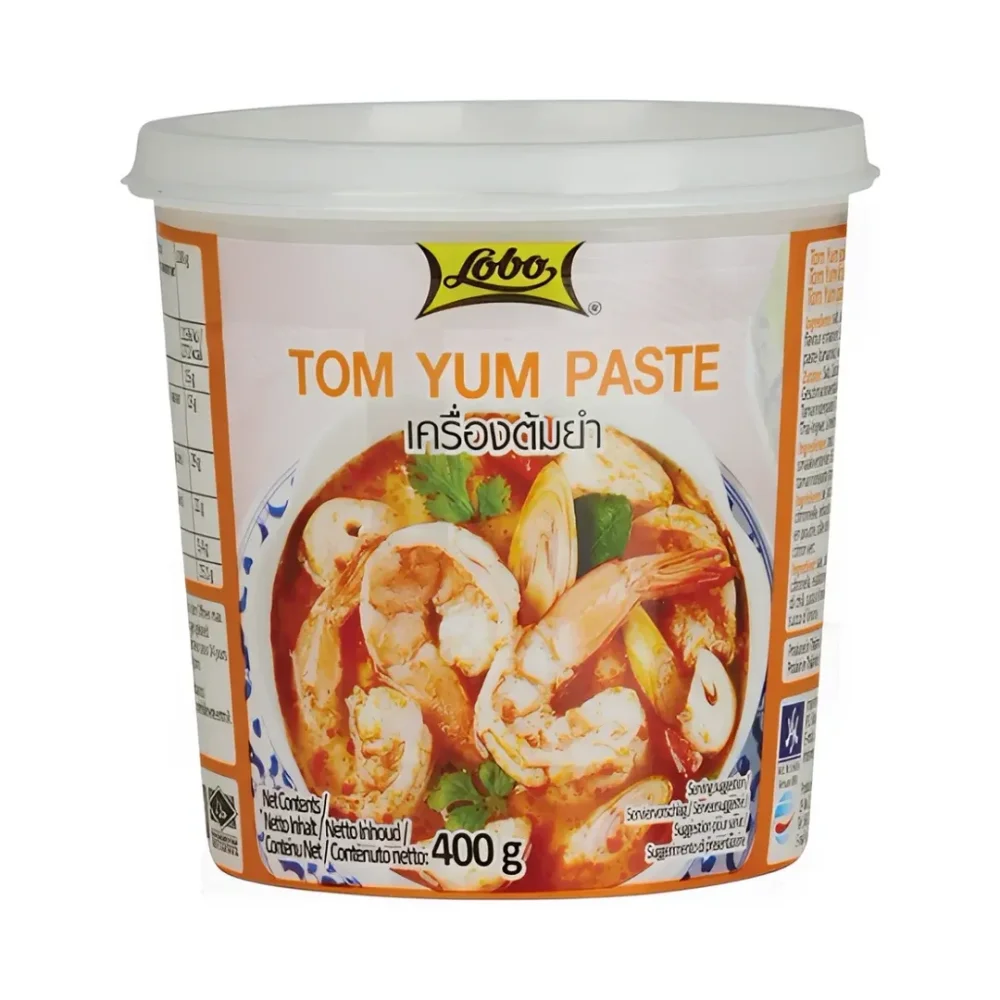
For home preparation, borrow the main principles: concentration of flavor (with paste or broth), final seasoning at the table (dips, lime, herbs), and textural contrasts. Ready-made paste works well as a quick base for soups and spicy bowls — an example is Lobo Tom Yum Soup Paste 400 g, which can be roughly dosed at 1 tablespoon of paste per ~1 liter of broth as a quick base (adjust amount according to taste).
Festive and holiday meals: symbolism and typical examples
Festive meals in Asia often serve not only to satisfy hunger — they carry symbolism, fixed ingredients, and ritual processes. They are tied to specific dates (New Year, harvest) and have a strong family and shared character.
Examples and what they mean
- Toshikoshi soba (Japan, New Year's Eve) – long noodles symbolize longevity and the closing of the year.
- Osechi (Japan) – a set of small items in stacked boxes, each component has its own symbolism (luck, fertility, health).
- Ozoni – New Year's soup with mochi, strongly regional significance and family ritual.
- Sweets at Diwali (India) – sweet exchange as social "glue", emphasis on sharing and gifting.
When adapting festive recipes for home dining, choose key, symbolically important items instead of an "enhanced regular dinner" — it is more about context than decoration.
Noodles: main groups and how to choose them according to the occasion
Noodles are an extensive family of products, and the choice directly influences the character of the bowl. From a practical standpoint, it is useful to divide them into wheat, rice, buckwheat, and starch/glass noodles.
🍳 Main types and typical uses
- Wheat (ramen, udon, lo mein): versatile; ramen are elastic (alkaline), udon are thick and hearty.
- Rice (pho, wide rice noodles): lighter, typical for Southeast Asia and herb-based soups.
- Buckwheat (soba): different flavor base, often more festive or regional use.
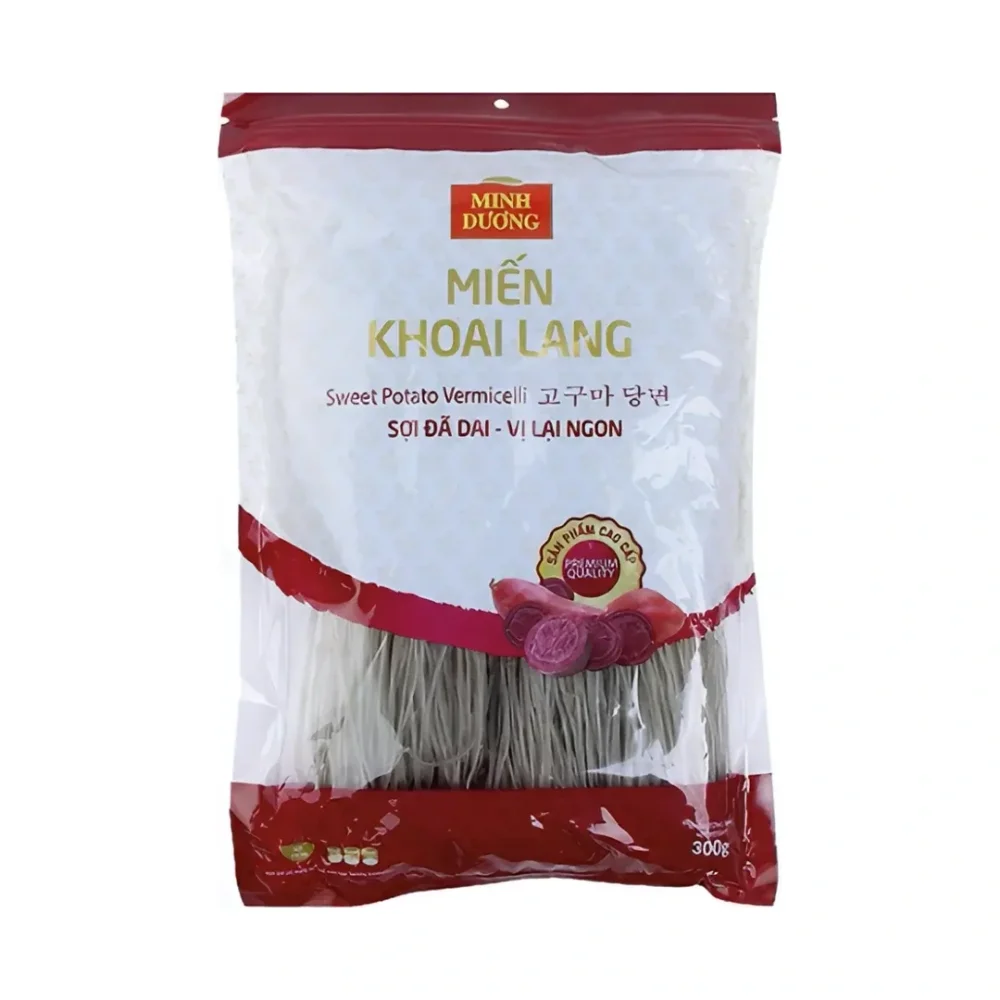
- Starch/glass (cellulose, sweet potato starch): translucent after cooking, absorb sauces well — examples include MD Sweet Potato Noodles 300 g, suitable for woks, soups, and salads.
How to choose by cooking method
- For broth soups: ramen, udon, rice noodles — choose so noodles hold their shape in hot broth.
- For wok/stir-fry: wheat wok noodles, wider rice, or pre-cooked glass noodles — it is important that they are not overcooked before putting into the pan.
- For cold salads: thin noodles that maintain texture even after cooling (some rice and glass types).
Practical note: ramen cooks easily over and softens further after being added to hot broth — therefore, very short cooking time is counted for them.
Seaweed and mushrooms: when they play main or supporting roles
Seaweed and mushrooms in Asian cuisine are often not the main star but build the flavor: umami, broth depth, texture, and finishing.
Where to use which
- Kombu — base for dashi and light broths; brings fullness without aggressive sea taste. Usual practice is to soak or heat in water to release flavor.
- Wakame — typical for miso soup and light salads.
- Nori — sheets for rolling, onigiri, or as a topping; not used as a substitute for kombu in broth.
- Shiitake and other mushrooms — dried add strong umami to broths and sauces; fresh function as textural element in wok or stewed dishes.
Quick seasoning and umami (practical application)
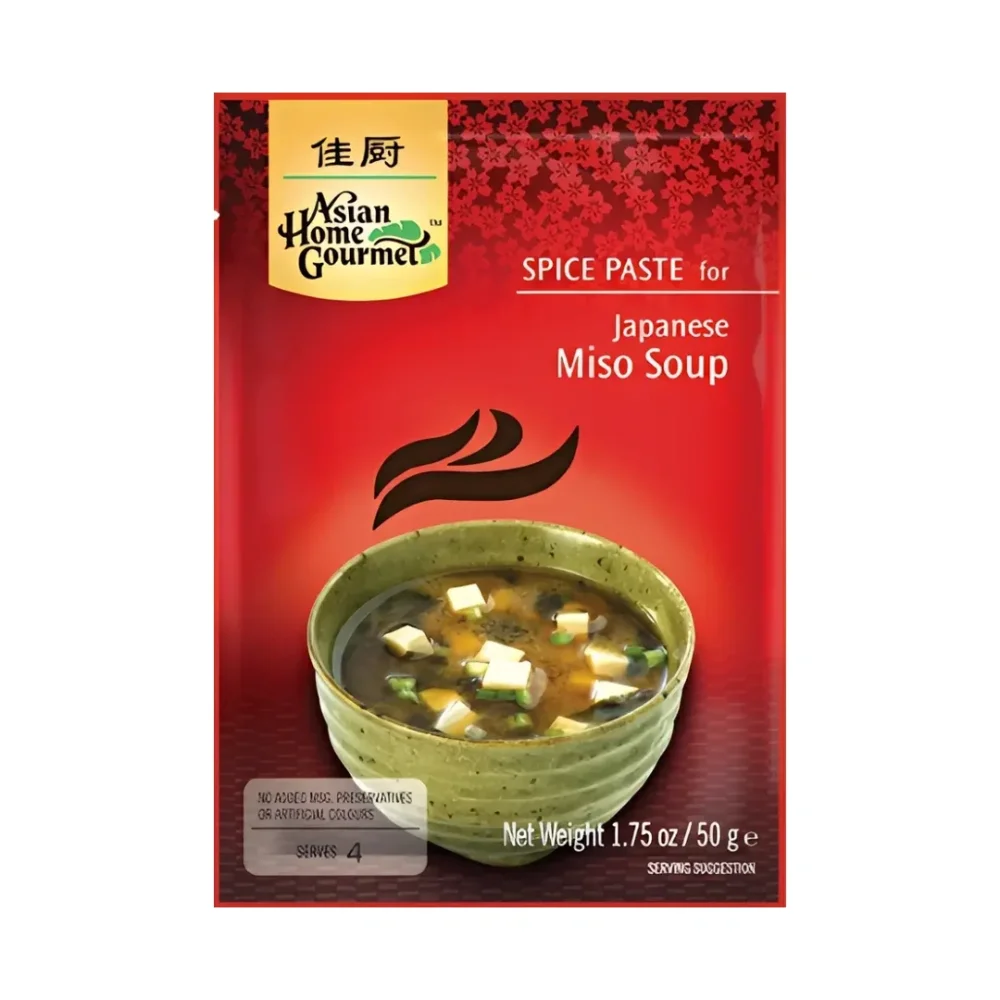
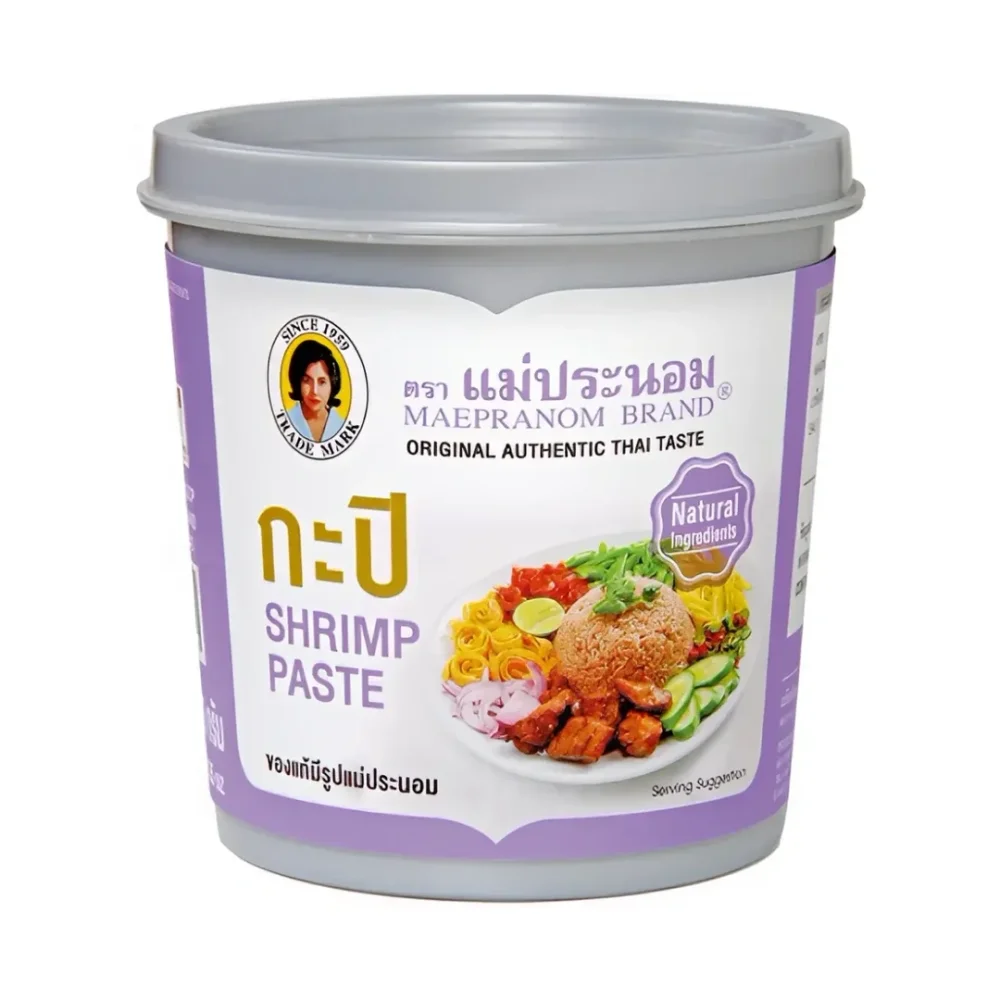
For quick miso soups and light seasonings, concentrated paste works — for example, AHG Miso Soup Paste 50 g. Intense umami for curry or sauces is also provided by shrimp paste; its flavor needs to be used carefully — an example is Maepranom Shrimp Paste 350 g, which in small amounts significantly influences the character of the dish.
Practical shopping plan & quick ratios for beginners
Short starter list by occasion and approximate dosing (always adjust to taste):
- Starter kit for fast meals: universal paste (Tom Yum or similar), light soy sauce, oyster sauce, one set of noodles (wheat or rice), and a pack of glass noodles. For quick soups, use Lobo Tom Yum Soup Paste 400 g as a base.
- Starter kit for home bowls and broths: kombu (or dashi base), dried shiitake, miso paste (AHG Miso), one pack of ramen/udon.
- Basic pantry for wok and sauces: light soy sauce (e.g. Dek Som Boon Light Soy Sauce 300 ml), oyster sauce (Maekrua Oyster Sauce 300 ml), a bit of sugar or honey for balancing.
Approximate ratios (quick, for 2–3 servings):
- Wok sauce: 1 tablespoon light soy + 1 tablespoon oyster + 1 teaspoon sugar + 2 tablespoons water — adjust according to saltiness and intensity.
- Quick soup (Tom Yum): about 1 tablespoon paste per 1 liter broth, complement with lime, herbs, and possibly coconut.
- Miso soup: roughly 1 teaspoon to 1 tablespoon paste per 250–350 ml broth (depending on paste concentration); miso is usually dissolved in warm, not boiling liquid.
Common mistakes and how to fix them
⚠️ Common errors and quick solutions:
- Overcooking noodles: results in lost structure. Solution: shorter cooking, rinse with cold water for cold applications or add noodles to broth at the last moment.
- Adding miso to boiling broth: loss of delicate aromas. Solution: dissolve miso in warm water/small amount of broth and add off the boil.
- Mixing up seaweeds: nori does not replace kombu for broth. Solution: use kombu as broth base, nori as surface garnish.
- Too much intense paste: shrimp or fish paste easily overpowers the dish. Solution: add in small amounts and optionally briefly sauté to spread the aroma.
- Festive elements without context: festive dishes often carry symbolism; replacing a key ingredient can lose the meaning. Solution: if you want to keep the ritual, maintain a few symbolic items even in a simplified form.
What to take away from the article
- The type of meal often determines the choice of ingredients and technique — street food relies on speed, festive meals on symbolism.
- Noodles are not interchangeable: choose them according to whether the dish will be soup, wok, or cold salad.
- Seaweed and dried mushrooms are an effective way to add flavor depth without meat; kombu + dried shiitake form a strong vegetarian umami base.
- For home street-food style, it’s worth having a few pastes and universal sauces; work with small, approximate doses and adjust at the table.
- Minor mistakes (overcooking noodles, too hot contact with miso) can be easily fixed — the key is to understand the function of the ingredient in a specific type of meal.