


 Česky (CZK)
 Slovensky (EUR)
 Deutsch (EUR)
 Austria
 Belgium
 Bulgaria
 Croatia
 Denmark
 Estonia
 Finland
 France
 Germany
 Greece
 Hungary
 Italy
Italy Latvia
 Lithuania
 Luxembourg
 Netherlands
 Poland
 Portugal
 Romania
 Slovenia
 Spain
Spain Sweden










Asian Street Food: Basic Overview
Asian street food is not just "food from the street" for tourists. In many cities, it is an everyday way of eating: fast, affordable, often incredibly specialized, and closely connected to a specific place and distinctive taste. This overview will clarify what is typical for Asian street food, where you can encounter it, and how to quickly navigate it—even if you want to explore it mainly at home.
Asian street food: what it is and why it's more than "food from the street"
In the Asian context, street food usually means quick urban and market food, which is prepared or finished right in front of the customer—and at the same time, it is a common part of the day. In some places, it mainly concerns the morning and evening rhythm (quick breakfast, dinner after work); elsewhere, it involves night streets, markets, and "dining zones" like hawker centers.
It is important that street food often does not arise as a "simplified version of a restaurant." On the contrary: right in the street environment, some recipes are refined to their most characteristic form – because the cook makes the same dish over and over, fine-tunes the timing, sauces, texture, and final seasoning.
🌶️ What is typical for street food in Asia (and how to recognize it)
Although individual countries and cities differ, Asian street food often shares recurring features. If you remember them, you will navigate the dishes significantly faster:
- Quick preparation or quick finishing of the dish in front of the customer (speed of service is important, not necessarily "instant" preparation).
- High specialization – a stall or cook often makes one dish or a few variants.
- Strong connection to place (specific street, market, city, region, community).
- Availability and everydayness – street food is a normal "everyday" meal for many people.
- Distinctive, easily readable flavor – typically thanks to sauces, dips, and final seasoning.
- Texture and contrast (crispy vs. soft, juicy vs. dry, smooth vs. elastic).
It is precisely the sauces, dips, and "final seasoning" that often make street food what it is: the food may be technically simple, but the final taste is precise and distinctive.
Street food is not just hand-held food: what types of dishes belong to it
One of the most common mistakes is to imagine street food only as something eaten while walking. In Asia, the street food world also includes bowls, soups, and dishes that are normally eaten sitting down (for example in hawker settings or at market tables).
Typically included here are:
- Noodle and rice bowls (quick, with a clear flavor, often with a strong role of sauce).
- Soups and broths – often a full main meal and even breakfast. For soup-based street dishes it applies that the broth is not "an extra liquid", but the core of the dish: it carries umami, connects the toppings, and determines the character of the bowl.
- Grilled meats and skewers (often with a dip or sauce).
- Fried foods (crispy texture and contrast are common themes).
- Pancakes and flatbreads (quick, easily portable, often with strong seasoning).
- Sweet desserts and drinks as a common part of the street scene.
Specific dishes can behave differently "on the street": takoyaki (Japanese dough balls with a piece of octopus) are typically hand-held, while phở or laksa are full soup bowls. Nevertheless, both belong to the same world of fast urban food.
Where street food really lives in Asia: hawker centers, markets, stalls, warungs
Street food is not just "one type of stall." In different countries, you will encounter different forms, which also influence how it is eaten and chosen:
Hawker centers
Hawker centers function as community canteens: in one place there are several specialized stalls and communal seating. The important thing is that "street" here does not necessarily mean eating on the sidewalk – it is still fast, specialized, everyday food.
Markets and night markets
Markets and night markets tend to be a concentration of fast foods: sweet and savory dishes, soups, grills, fried items, and "quick bowls" are side by side. Often, the contrast of textures and sauces stands out better here—precisely because the food has to attract attention immediately.
Street stalls
A classic street stall relies on speed and rhythm: the cook does a few things very well, often with a clear signature in the sauce or final seasoning.
Warung and small businesses
In some countries, street food flows into small businesses and simple eateries (often with very practical, "everyday" menus). But the basic logic still applies: speed, specialization, availability, and flavor that is easy to recognize.
Cities and dishes that represent Asian street food well
If you want to make a quick mental map, it helps to link street food with specific cities and their icons. Not as a "list of the most famous dishes," but as an example of how street food is tied to place.
Osaka: takoyaki as a city classic
Osaka is iconically associated with takoyaki. Typical are dough balls based on broth, with a piece of octopus inside and layers of sauce, mayonnaise, and bonito flakes on top. It is a prime example of street food that is easily portable, quickly made, but flavor-wise "completed" by the final layers.
Singapore: hawker culture and dishes eaten repeatedly
Singapore shows that street food can be both everyday food and a cultural phenomenon. Hawker centers here function as community canteens and stalls specialize in specific dishes. Typical "hawker icons" include chicken rice, laksa or chilli crab.
Kuala Lumpur and Penang: Malaysian multicultural scene
In Kuala Lumpur and Penang the multicultural character of street food is clearly visible: dishes like satay, char kway teow, assam laksa, chicken rice and rotifunction side by side. This is useful for orientation: one "street" street can contain several cuisines and flavor styles.
Hanoi and Ho Chi Minh City: Vietnamese street classics
Vietnam is one of the best examples of how street food can cover everything from morning soup to sandwich. Both phở (a noodle soup where the clarity and character of the broth matter) and bánh mì (sandwich style), as well as rice dishes, rolls, and quick bowls make sense on the street here.
How to start with "street food" at home (without cooking complicated recipes)
Street food works best at home when you accept its logic: choose one style and develop it into a clear flavor and texture. It's not about replicating the whole market, but building one quick dish so that it feels "finished."
1) Choose the format: bowl, soup, "dry," or something for dipping
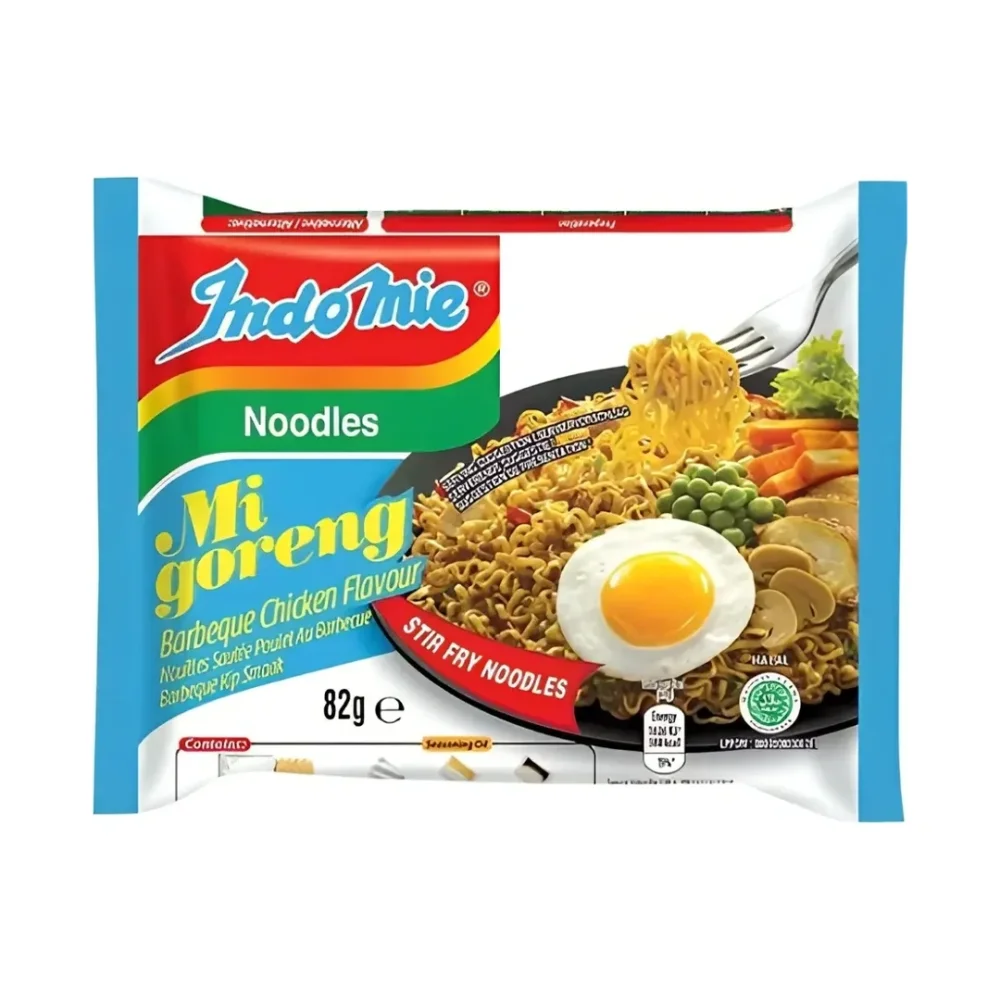
- "Dry" noodle bowl: a good start is the mi goreng style (noodles without broth, mixed with a seasoning blend). A practical example for quick orientation is IndoMie Noodles Mi Goreng Barbecue Chicken 80 g – after cooking, the noodles are seasoned and served without broth.
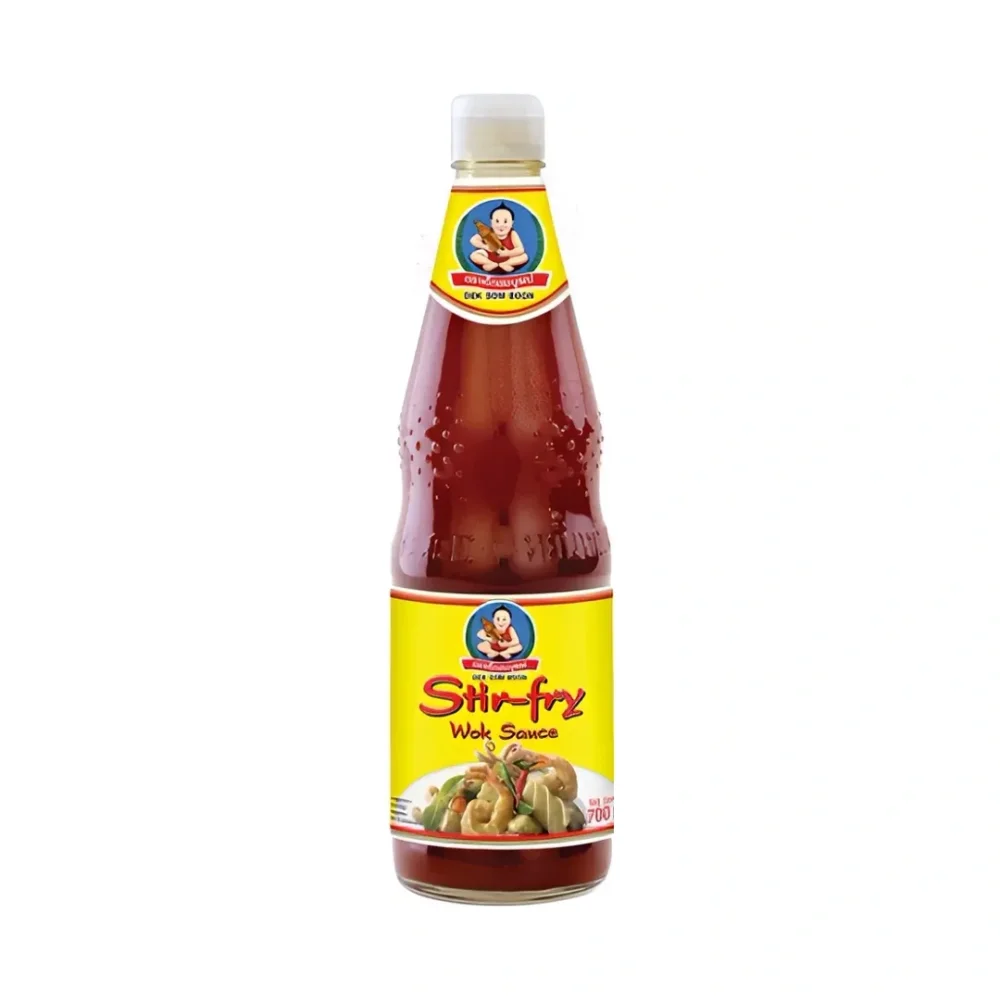
- Wok / stir-fry: the goal is for the sauce to coat the ingredients, but not drown them. A sauce made specifically for quick frying can help, for example Dek Som Boon Stir-fry Sauce 700 ml.
- Soup bowl: if you are tempted by phở, laksa, tom yum or tom kha, expect that broth (umami, aroma, clarity, acidity/spiciness) is crucial. Even a simple bowl can be "pulled up" with final seasoning, but without a good base, it will feel flat.
- Food with a dip: street style often depends on "last-minute" sauce. A dip for rolls or quick seasoning for bowls can be, for example, Thai Dancer Sweet Pineapple Chili Sauce 150 ml (a sweet-spicy profile is exactly what you need for a clear flavor in some street combinations).
2) Stick to "specialization": better to refine one dish than mix everything together
Street food stalls win by specialization. At home, translate this simply: don't put three different sauces and five styles in one bowl. Choose one flavor direction (e.g., sweet-spicy dip, or pure chili heat, or sauce for wok) and stick to it.
3) Final seasoning: spiciness, umami, and the "signature" of the dish
Street food often relies on the fact that the base is quick, but the final seasoning is precise. Practically:
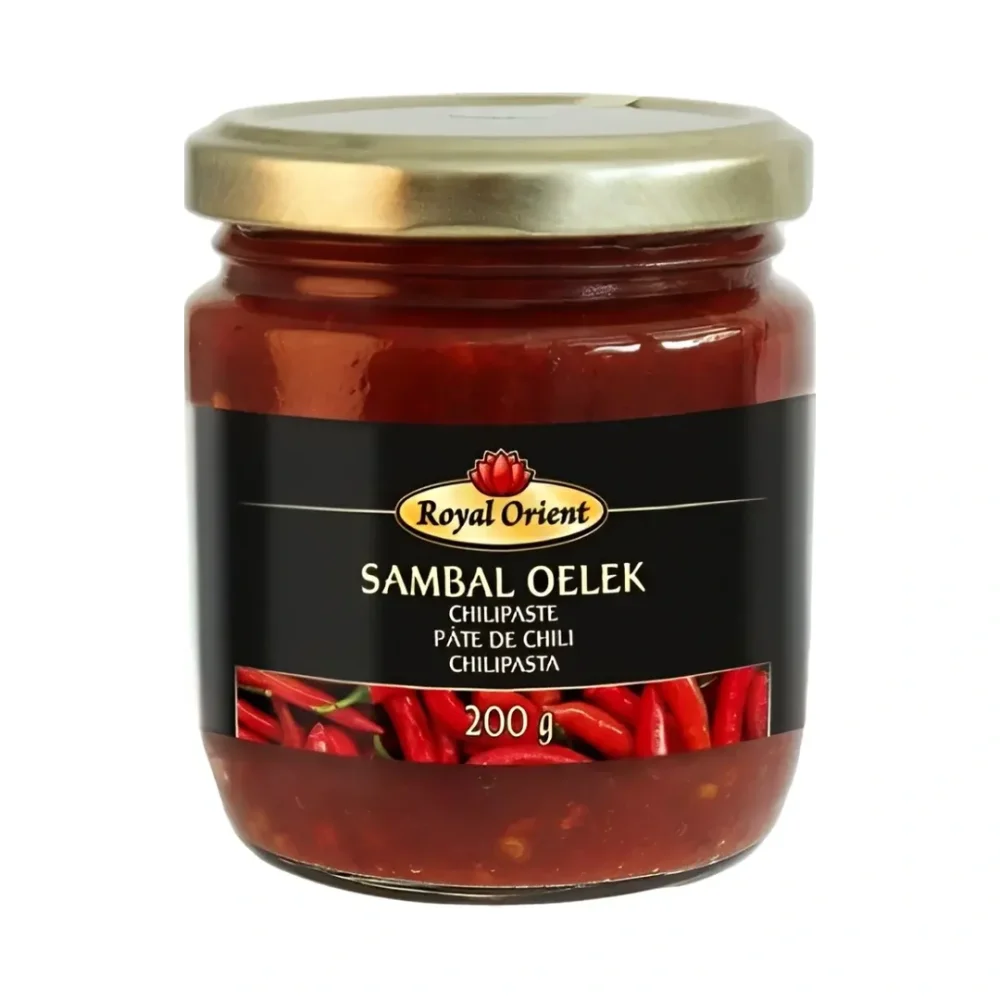
- Pure spiciness: when you want to add heat without other flavors, a chili paste like sambal is suitable. Start cautiously (e.g., 1/2 teaspoon per portion), taste, and add little by little. A specific example: Royal Orient Chili Paste Sambal Oelek 200 g.
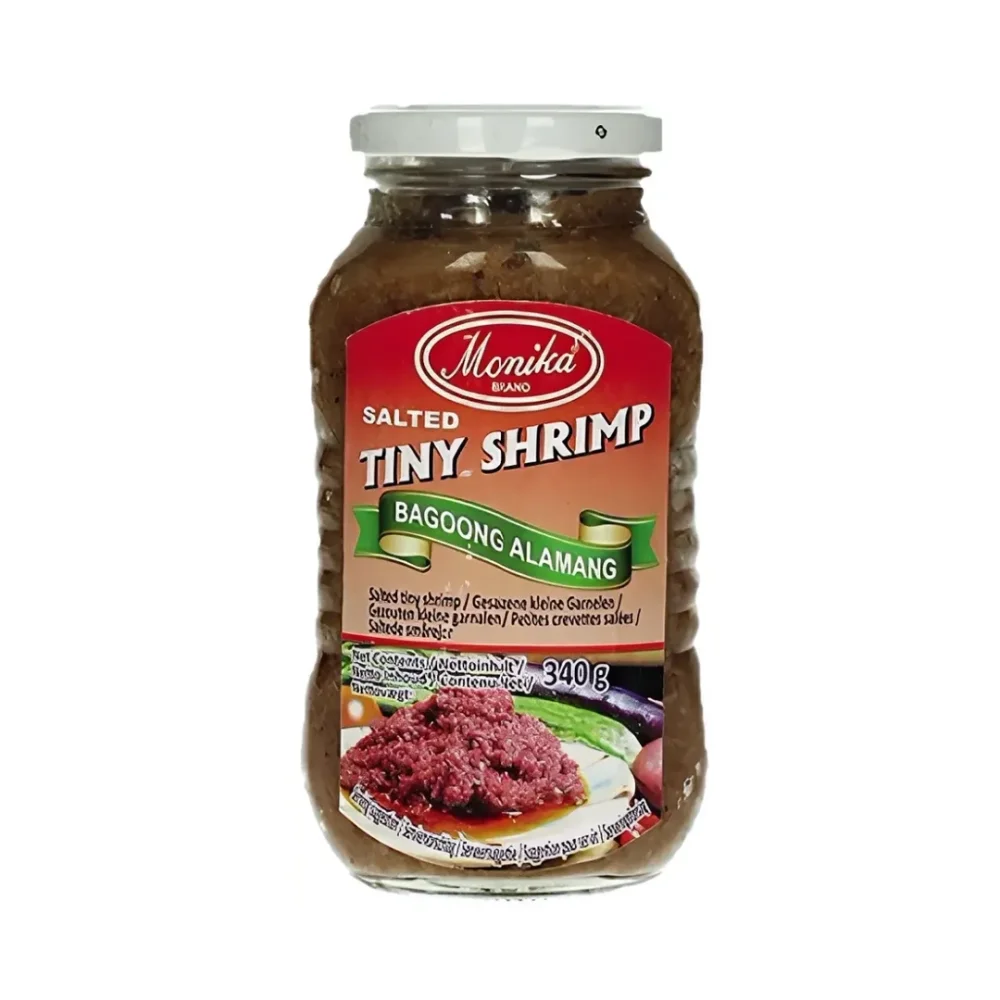
- Umami and saltiness in a very small dose: some seasonings are extremely intense and used "in pinches." Examples are Monika Salted Shrimps 340 g – just a tiny amount is enough because the saltiness is strong. This makes sense when you want to quickly boost the flavor of rice, noodles, or broth but don't want to change the character of the dish with liters of sauce.
🍽️ 4) Simple "street" serving: rice as a base, distinctive side, contrast
In many Asian street scenes, rice functions as a reliable base on which distinctive flavors can be layered (sauce, grill, spicy topping). If you want to start simply, a good universal base is jasmine riceis practical for quick meals where the main role is sauce or topping.

As a quick “bold side dish” to rice or noodles, a ready-made spicy fish topping can also work – for example Smiling Fish Fried Mackerel in Chili Sauce 425 g. The point is not a “shortcut instead of cooking,” but a demonstration of the street principle: bold flavor + simple base.

5) Sweet note: desserts and fried items are also part of the street scene
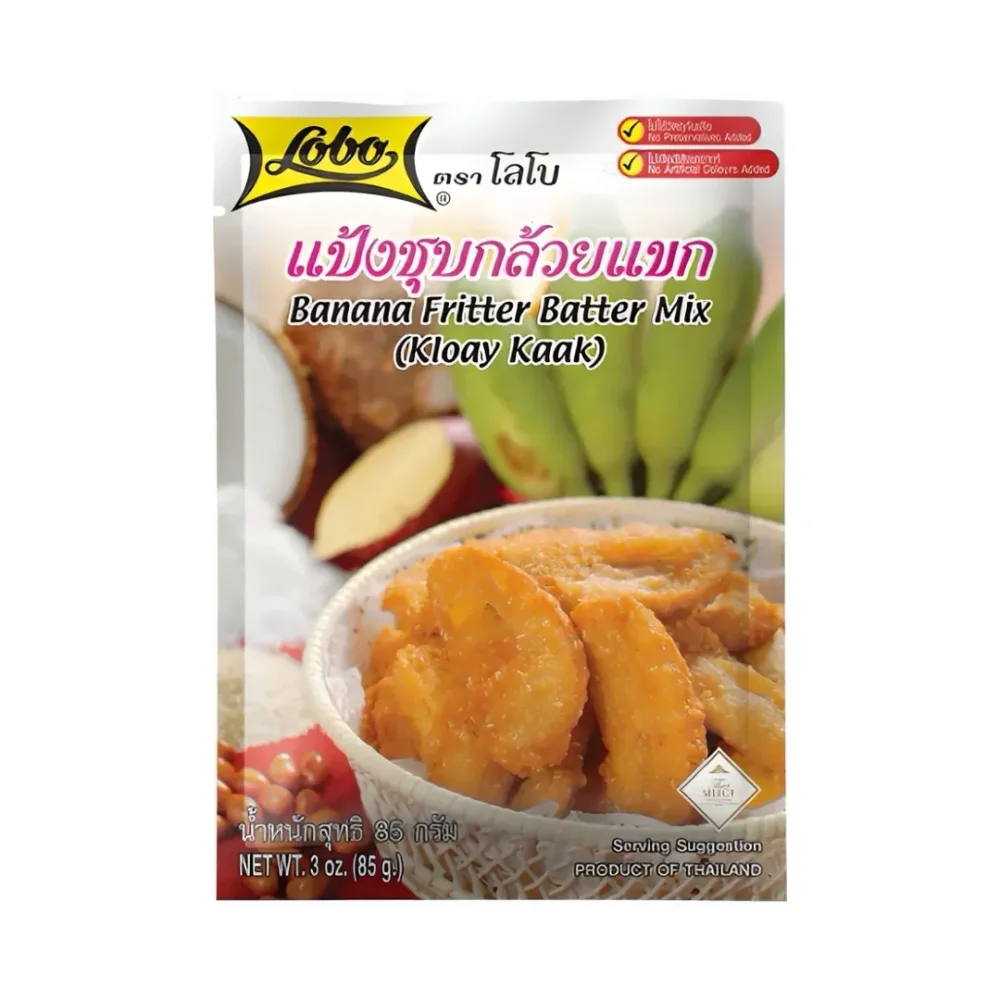
Street food is not just savory. Simple sweet items, often with a fried texture, are typical. An example is the Thai style of fried bananas: if you want to try the principle “crispy coating + sweet inside,” there is also a ready mix like Lobo Coating Mix for Fried Bananas Kloay Kaak 85 g.
💡 Common mistakes and what to watch out for
- “Street food = food to go”– in Asia, street food also includes soups, broths, noodle bowls, and meals at tables in hawker or market settings.
- “Soup is just a starter”– in many Asian cuisines, soup is a full meal and can even be breakfast. For street soups, the broth is key – without it, even a good topping will feel disconnected.
- “If I add a lot of sauce, it will taste strong”– often it’s better to go the other way. Street flavor is about precise final seasoning and contrast, not drowning everything in one layer.
- “All Asian street food is the same”– similar dishes can work completely differently depending on the place. For example, noodles can be broth-based (phở, ramen, laksa), wok-fried (char kway teow), or “dry” (mi goreng) – and each variant has a different logic of texture and seasoning.
- “Street food is just a tourist attraction”– in many cities, it is a normal everyday food. That is why the scene is often so specialized and locally rooted.
What to take away from the article
- Asian street food is mainly everyday fast food, not just “fun for tourists.”
- You recognize it by speed, specialization, connection to the place, bold flavor, and emphasis on texture.
- It’s not just food to go: the street world also includes bowls, noodle dishes, and soups.
- For a home start, it’s best to choose one format (dry / wok / soup / dip) and refine it with final seasoning.
- For street soup dishes, remember that the broth is the core – it carries umami and determines the character of the whole bowl.

Read next
If you want to explore this topic further, continue with these related blog guides and articles:
