


 Česky (CZK)
 Slovensky (EUR)
 Deutsch (EUR)
 Austria
 Belgium
 Bulgaria
 Croatia
 Denmark
 Estonia
 Finland
 France
 Germany
 Greece
 Hungary
 Italy
Italy Latvia
 Lithuania
 Luxembourg
 Netherlands
 Poland
 Portugal
 Romania
 Slovenia
 Spain
Spain Sweden










Asian Soups: a basic overview
Soups in Asia are often not just appetizers but full meals – sometimes a typical breakfast or a quick street lunch. To make sense at home, it's useful to think of them as “worlds” built around a broth (or other liquid base), noodles or rice, and final seasoning. This overview will help you navigate the main types of Asian soups, understand why the broth is so essential, and take the first good steps without unnecessary mistakes.
🌶️ What is really typical for Asian soups
The most important thing is to set aside European expectations that “soup = start of a menu.” In many Asian cuisines a soup can function as:
- a main dish (a bowl of noodles or a hearty soup that replaces a whole lunch),
- a morning meal (warm, quick, nutritious),
- street food (a quick bowl served to order),
- a shared dish (a communal pot from which everyone serves themselves),
- a light accompaniment to rice,
- a “warming” or soothing home dish.
Asian soups mainly differ from each other by:
- the type of liquid base (clear broth, thicker base, coconut/curry style, markedly sour base),
- the role of noodles or rice (in some places they carry the satiety, elsewhere they are just an accompaniment),
- light vs. hearty texture (from translucent broths to stew-style),
- the method of seasoning (often added at the end – herbs, acidity, heat, table condiments),
- when and how they are eaten (main meal, breakfast, sharing, quick street lunch).
That's why it's good not to perceive Asian soups as one category but as a wide space of broths, noodle bowls, thicker “cauldron” dishes, coconut soups, sour soups and seasonal cooling variants.
Four main worlds of Asian soups
For orientation it's practical to divide Asian soups into several “worlds” according to what forms their core. These are not rigid boxes – more like a map that helps you quickly recognize what to expect from a bowl and how to assemble it at home.
Clear and broth-based soups
Here the broth is the main flavor. The soup can feel light yet deep and “finished,” because it rests on an aromatic base and a clean flavor direction. A typical model example of a long-simmered aromatic broth is phở: it shows that the broth is the center of the dish, the spices should be readable (not “loud”) and the final bowl comes together only by combining the broth, noodles, other components and seasoning.
Broth soups often also include dumplings and wontons – for example wontons, which are more delicate and typically suit soups better than robust pan-fried dumplings.
Thicker soups and the “stew” style
In this approach the soup is thicker, “fuller” and more filling. The liquid base still plays a role, but the result feels more like a braised/stewed dish than a clear broth. Often the work with texture and how individual ingredients “imprint” into the base is more prominent.
Coconut and curry soups
In coconut and curry soups it is typical that the liquid base is not just a broth in the classic sense but a strongly flavored system. In practice these are often soups where the aromatic base determines the direction of the whole bowl, resulting in a combination of intensity, aroma and heartiness.
Soups like laksa also belong to the street food world — an example that “soup” can be a quick urban meal, not only slow home cooking.
Sour and refreshing soups
In some cuisines acidity is just an accent. Elsewhere it is the center of the soup. Two useful orientation examples:
- China – hot and sour soup: shows how strongly the balance of acidity, peppery heat, broth and texture works. It's not “just spicy” or “just sour” – it's about managing contrast.
- Philippines – sinigang: one of the best examples where sourness forms the very core of the dish. The role of tamarind (and other souring agents), the pairing of the soup with rice, and the fact that the soup can be sharp, sour and at the same time very comforting (comfort food) are all important.
Hot vs. cold soups and broths
“Soup” in Asia is not automatically a winter or heavy dish. Cold soups or chilled broths are not a marginal oddity: a typical world is, for example, Korean naengmyeon and there are also some Japanese summer soups and broths or cold dipping soups for noodles. It also makes practical sense: sometimes the goal is to warm, other times to refresh – and soup can do both.
Why broth is so important (and why broth is not automatically soup)
Whoever understands broths understands a large part of Asian cooking. In Asian cuisine a broth is often not just “the liquid under the noodles” but a carrier of flavor, warmth, texture and the dish's identity. It can function as:
- the main flavor of the entire dish,
- an environment for cooking noodles, vegetables or dumplings,
- a base for quick finishing of meat or tofu,
- a platform for seasoning, which gives even a simple dish depth.
But one common inaccuracy is also important: broth is not automatically soup.
- Broth is a flavor base – it can be drunk on its own, but more often serves as a base for another dish.
- Soup is a finished dish – broth plus other components, composition, textures and final seasoning.
- A basic sauce is a different liquid or semi-liquid system with another density, concentration and purpose. It may be derived from broth, but it is not identical to it.
In practice these worlds also interconnect: a soup is created from a broth, a sauce base can come from broth and seasoning, broth gives a sauce depth without heaviness – and the same base is used in different ratios for soup, noodles, braises and dips.
Japan: dashi as the basis of soup thinking
Japanese dashi is a good example of “soup thinking,” where the basis is not just strength but precision and a clear flavor direction. To understand Asian soups it's useful to view dashi as a counterpoint to long-built aromatic broths like phở: it's not better/worse, but a different time, different intensity and different texture.
The common principle remains: the final bowl often comes together only at the end – by combining the liquid base with noodles or another component, and then seasoning to complete the aroma and contrast.
How to start at home: choose a “world,” build the bowl and season at the end
For first steps it's more practical than chasing a “perfect recipe” to understand the building blocks. It works across most Asian soups: base → starchy component → filling/toppings → final seasoning.
1) Choose the type of base according to what you want from the soup
- I want a clear, light bowl → go to the broth world (clear base, emphasis on aroma).
- I want a hearty “one-pot” meal → thicker/stew style.
- I want aroma, boldness and richness → coconut/curry approach.
- I want a refreshing contrast → sour soups (hot and sour, sinigang).
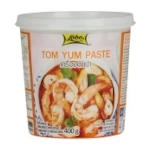
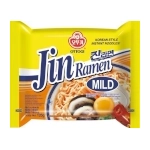
If you want to start as simply as possible, ready-made soup mixescan help, where the flavor direction is already set and you mainly handle the bowl components. For a quick “soup” mode there are also instant soups – practical as a tasting orientation in styles before you dive into your own base.
2) Decide whether the “body” of the soup will be rice or noodles
In Asian soups satiety is often determined not only by the broth but mainly by what “lives” in it.
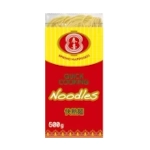
- If you want a classic soup bowl that is eaten with both chopsticks and a spoon, reach for noodles.
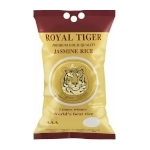
- If you want the soup as a side or as a meal “with rice,” it makes sense to have on hand jasmine rice – the pairing of soup and rice is typical also for worlds like sinigang.
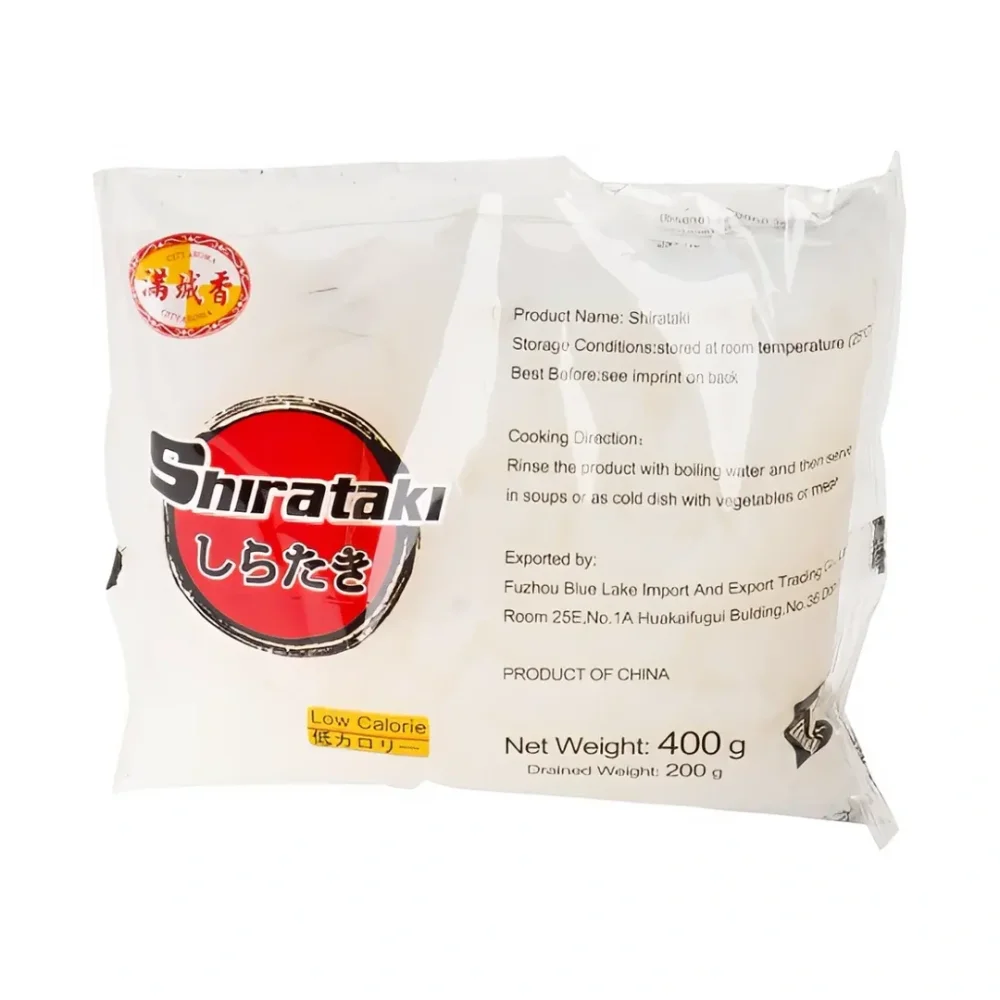
For a specific texture in the soup konjac noodles can also work, for example City Aroma wide shirataki noodles, which have a springy structure and suit soups and other dishes.
3) Add texture: vegetables, legumes, toppings
An Asian soup is often about contrast – not only in flavor but also in textures. Into a simple base you can easily add “something that crunches” or “something that fills”:
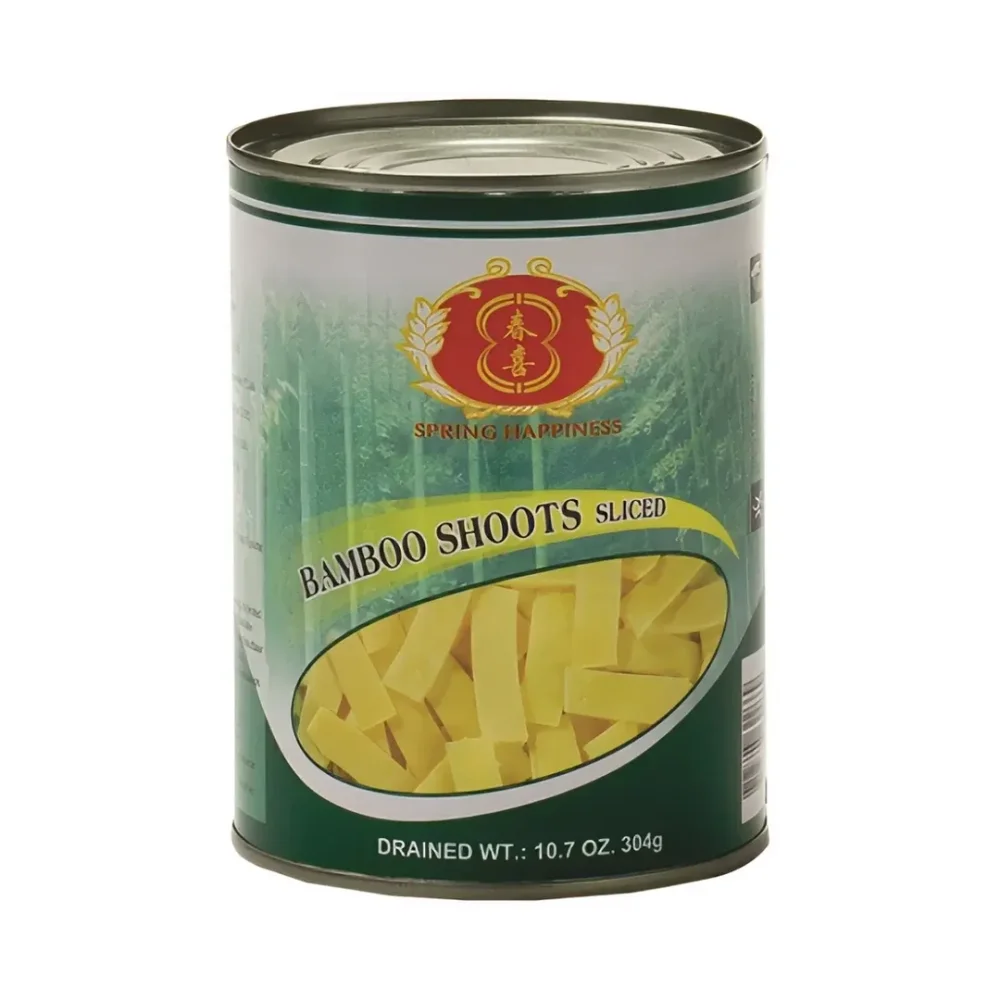
- Crispness and volume: bamboo shoots slices Spring Happiness they work well as a topping for Asian soups and absorb the flavor of the base nicely.
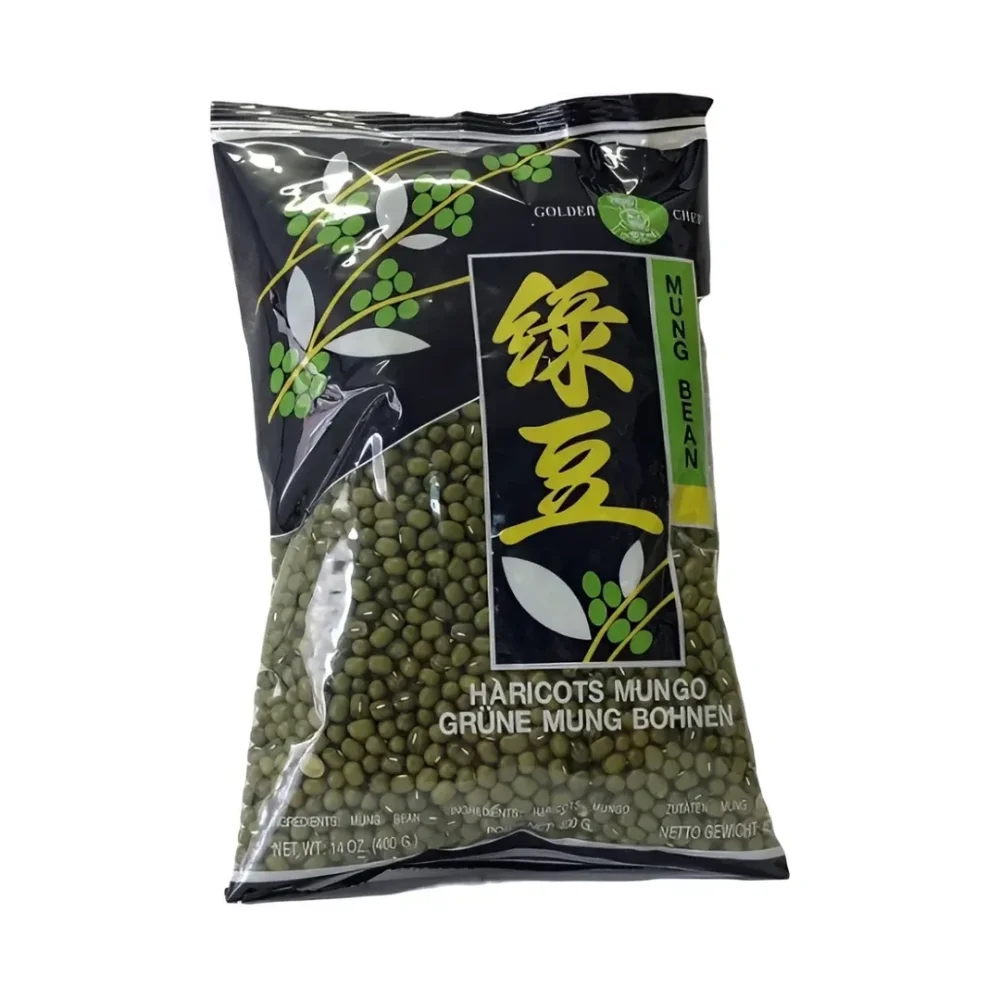
- Delicate richness: mung beans Golden Chef they can be used in soups and other Asian dishes and take on spices well.
4) Season in small increments: umami, spiciness, “direction”
In many Asian soups the final impression is often created in the last minutes. A practical rule: add intense seasonings gradually, because they are easy to “overdo” and hard to reverse.
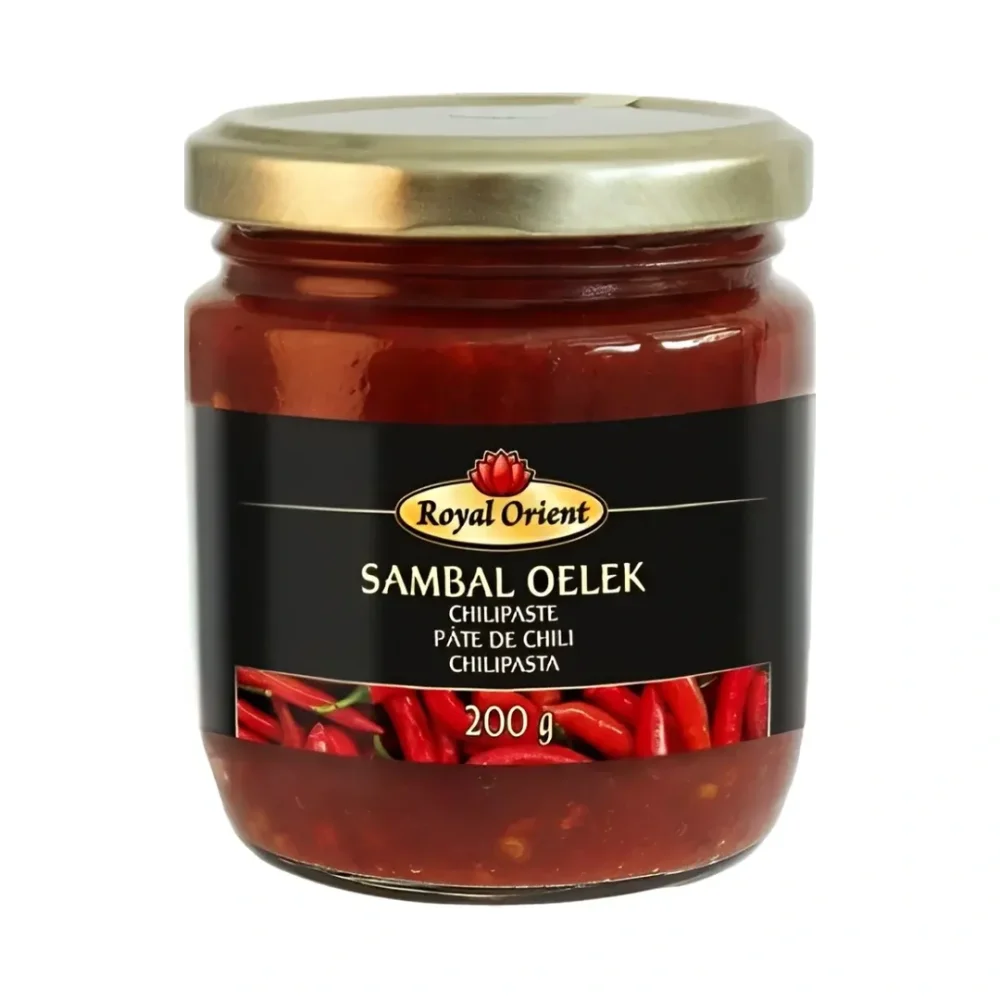
- Spiciness: if you want a clean, straightforward heat without complex additions, you can use a chili paste like Sambal Oelek Royal Orient – suitable for soups and noodles when you need to quickly raise the heat.
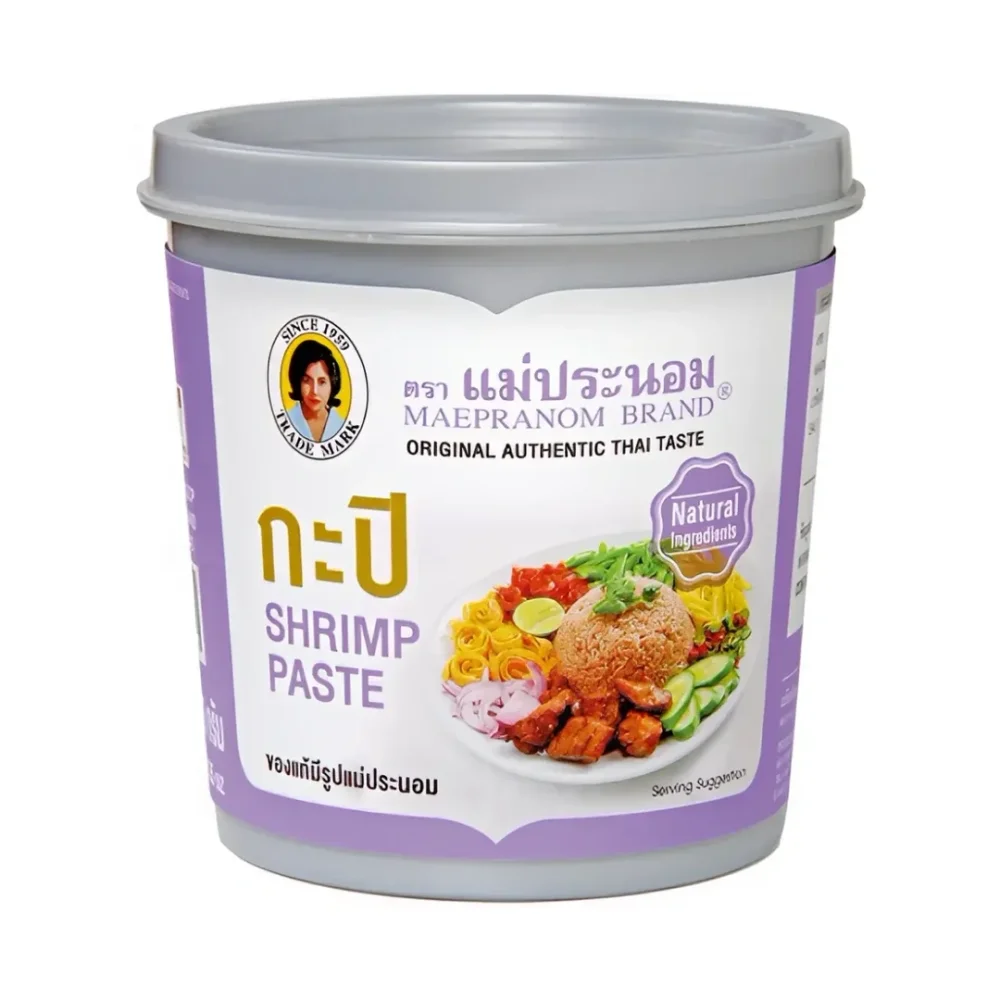
- Sea umami: for some soup styles and bases a very small amount of strong seasonings is enough, for example shrimp paste Maepranom or salted shrimp Monika. Both are intense – add them carefully and let them first “dissolve” in the base before adding more.
- Quick shrimp base: if you need to quickly build flavor toward a seafood broth, a powdered shrimp bouillon Cocinortcan help.
- Rounding the flavor (umami): sometimes just a pinch of an umami enhancer is enough, for example MSG Racha Churos – typically for broths and soups when they taste “flat”.
For final flavor direction, soups often use soy-based seasonings. If you experiment with different styles at home and want to compare, a guide to other soy sauces can be useful – because “soy sauce” is not one universal flavor and it can change the character of a bowl.
Common mistakes and misunderstandings with Asian soups
- “Soup is just a starter.” In Asian cuisines soup is often the main dish, breakfast, or street food. If you cook it at home as “something small,” it can feel incomplete – often missing noodles/rice, toppings, and final seasoning.
- “Street food is only food to go.” Soups and broths also belong in the street food world – noodle bowls like phở, laksa, or bakso are examples that “quick urban food” doesn’t have to be eaten on the go.
- “Broth = soup.” Broth is the base. Soup is the finished dish with composition and final seasoning. If you stop at just the broth without building the bowl, the result will feel unfinished.
- Over-salting and overloading with seasonings. Intense components (shrimp paste, salted shrimp, bouillons, umami enhancers) should be added in small amounts. In Asian soups the flavor often needs to remain readable, not “hammered” by one ingredient.
- Wrong type of dumplings for soup. Not all dumplings tolerate a long stay in broth. More delicate wonton typically suit soups better than dumplings meant for pan-frying (for example gyoza), which are sturdier and may not work as well texturally in soup.
- “Soup must be hot and wintry.” Cold soups and chilled broths (naengmyeon, summer Japanese variants, dipping soups) remind that soup can also be refreshing and seasonal.
What to take away from the article
- An Asian soup is often not a starter, but a full meal (even breakfast or street food).
- The quickest orientation goes through the type of liquid base and the role of noodles/rice – that determines the character of the bowl more than the “recipe name.”
- For practice it’s useful to think in four worlds: broth-based, heartier (stew), coconut/curry, sour/refreshing.
- The broth is a building element – the soup is created by composing ingredients and final seasoning.
- Season gradually gradually: intense umami and heat are easy to overdo, but properly dosed they can lift even a simple base.

Read next
If you want to explore this topic further, continue with these related blog guides and articles:
