


 Česky (CZK)
 Slovensky (EUR)
 Deutsch (EUR)
 Austria
 Belgium
 Bulgaria
 Croatia
 Denmark
 Estonia
 Finland
 France
 Germany
 Greece
 Hungary
 Italy
Italy Latvia
 Lithuania
 Luxembourg
 Netherlands
 Poland
 Portugal
 Romania
 Slovenia
 Spain
Spain Sweden










Typical Japanese ingredients: how they work, how they differ, and how to get started at home
Japanese cuisine is based on respect for ingredients, purity of flavors, seasonality, and the effort to highlight the natural character of the food – not to "override" it with heavy seasoning. That is why typical Japanese ingredients often function as precise tools: they add saltiness, umami, gentle acidity, or light sweetness, but they are meant to let the main ingredient on the plate shine. This guide will give you a quick orientation in the main groups and, above all, a practical start so you can cook Japanese food at home without unnecessary mistakes.
🍜 Introduction: why Japanese cuisine focuses more on ingredients than on a "strong sauce"
Japanese cuisine is not just sushi, ramen, and tempura. It is a broader system of cooking and eating that builds on respect for the natural flavor of ingredients, more delicate seasoning, balanced meal composition, and emphasis on the appearance and arrangement of the dish. In practice, this means that typical Japanese ingredients often work as precise "tools": they add umami, round out flavor, highlight the sweetness of vegetables, or support the broth base – but they should not overpower the entire plate.
If you are a beginner, it is good to clarify one thing right from the start: a "good ingredient" is not automatically the most pronounced one. In Japanese logic, balance and purity often win.
🍜 What does "typical Japanese ingredients" mean (and how to quickly navigate them)
In the Japanese context, the term washoku is used – it is not just a collection of recipes but a traditional food culture connected with the production, processing, preparation, and consumption of food. So when we talk about "typical ingredients," it is not just about exotic items but about ingredients that fit into the logic of:
- pure flavors (seasoning tends to be more delicate),
- balanced meal composition (typically one main dish with accompaniments),
- texture and appearance (which also influences the choice of side dishes and the way of serving),
- umami as key taste supports.
A practical shortcut not to get lost: don't look at ingredients just by their name, but according to their function. What does it bring to the dish (saltiness/umami, acidity, sweetness, aroma, starchy base, final texture)? When you adopt this perspective, selecting and combining will become much easier.
It is tempting to start with "Asian cuisine" as a single bundle, but individual cuisines differ and make sense with different flavors and ingredients. For Japan, it's good to stick to purity, gentler seasoning, and working with umami.
Main groups of typical Japanese ingredients and their differences
Basic ingredients of Japanese cuisine can be meaningfully grasped through several pillars: rice, soy products and seaweed and seafood. They often form the "backbone" of flavor and umami, to which other seasonings are then added.
1) Rice: the starchy base that holds the entire meal together
Rice is key in Japanese cuisine not only as a side dish but as a stable base that helps keep the meal balanced. It's worth thinking of it as a "carrier": it provides a calm contrast to gently seasoned ingredients and lets natural flavors stand out.
Practical advice for beginners: if you want a "Japanese impression" at home, mainly watch the consistency and pure taste , and add seasoning rather gradually and lightly. Rice in the dish should soothe, not compete with the sauce.
2) Soy products: saltiness and umami without unnecessary heaviness
Soy products are among the typical building blocks because they can add saltiness and umami without making the dish feel "heavy." In home practice, you will most often encounter soy sauces – and it is worth approaching them typologically, not just because the label says "soy."
A guide to types can help as a Japanese soy sauceindex. Consider it a map of styles and uses, not as "one universal bottle for everything."
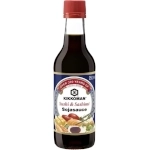
At the beginning, keep two rules that will save a lot of disappointment:
- Always read the label and clarify exactly what you are buying (and how strongly it will season).
- Distinguish basic vs. seasoned product. The basic is more flexible (you can build it in multiple directions), the seasoned is a quick shortcut, but the taste is already "preset."
3) Seaweed and seafood: sources of umami and "marine" depth
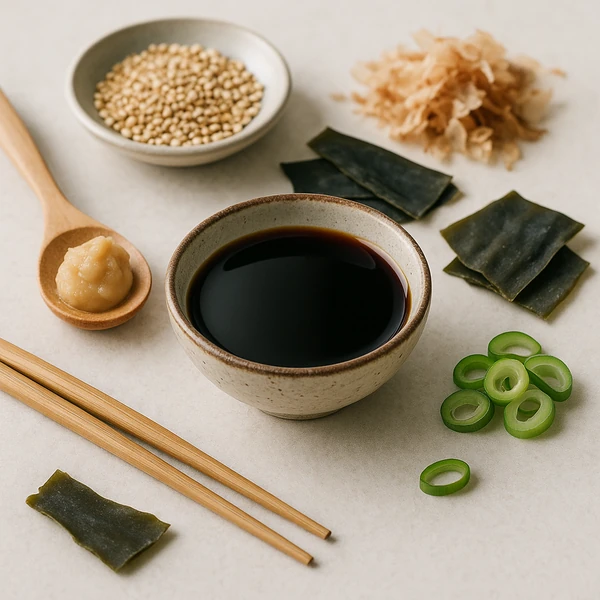
Umami is important for Japan – and marine ingredients (including seaweed) are a typical way to bring flavor depth to food without aggressive seasoning. In everyday cooking, it often makes the difference between "something salty" and "something with a rounded, full flavor."
For home cooking, it is important to remember that these ingredients have a distinct character: dose them carefully and leave room for the flavor of the main ingredient (fish, vegetables, tofu, broth, etc.). In recipes, you may also encounter terms like dashi (broth base) – the same rule applies here: better to build flavor in small steps than to "overpower" it right away.
🍳 4) Rice wines in cooking: why there is confusion around them (and why to address it)
In home cooking, there is often confusion around the term "rice wine." Various bottles and names appear in Japanese cuisine – and it is not always a good idea to interchange them. Typical confusions mainly concern the difference between sake and mirin and also that mirin is not the same as Chinese cooking wine.
Once you clarify, the role of the given bottle in the recipe (whether it should add sweetness, aroma, or support the sauce base?), you significantly reduce the risk that the dish turns out "different from what you imagined."
How to start at home: a practical mini-onboarding to Japanese ingredients
The pantry's purpose is not to have the most bottles and pastes but to have the right functional basics. When starting Japanese cooking, it is useful to build first purchases so that they cover several functions: saltiness and umami, mild acidity, light sweetness/aroma, and a simple way to quickly create the typical character of the dish.
Step 1: build a base on rice + saltiness/umami
- Rice as a stable base (the goal is pure taste and correct consistency).
- Soy base as a tool for saltiness and umami: season rather gradually. Start sauces and dips calmly with a few drops, mix, taste, and then add more.
This method of dosing is essential in Japanese style: you often don't want the "soy sauce to be noticeable," but for it to round out the flavor.
Step 2: add mild acidity (and use it to "lift" the flavor)
Mild acidity is often what makes a good dish balanced – especially when the goal is a pure, not overpowering taste. A practical example is rice vinegar: add it to dressings and marinades in small doses, for example, by teaspoons. If you overdo it, the acidity will overpower the delicacy that is often aimed for in the Japanese impression.
👃 Step 3: work with the "roundness" of flavor (sweetness, aroma) – and watch out for interchangeability
With rice wines and similar bottles, a simple rule applies: first clarify the role in the recipe. If the ingredient should add sweetness and unite flavors, you typically aim for something different than if you just want aroma or to support the sauce base. And since there is confusion around "rice wine," it is even more worthwhile to read the label and not automatically mix mirin, sake, and Chinese cooking wine into one category.
Step 4: when you want a quick Japanese "shortcut," select products according to what they are supposed to do
Some ingredients are already "ready-made tools" in principle: they help quickly achieve the typical flavor of a particular dish but are not universal. If you accept this, they will start making great sense.
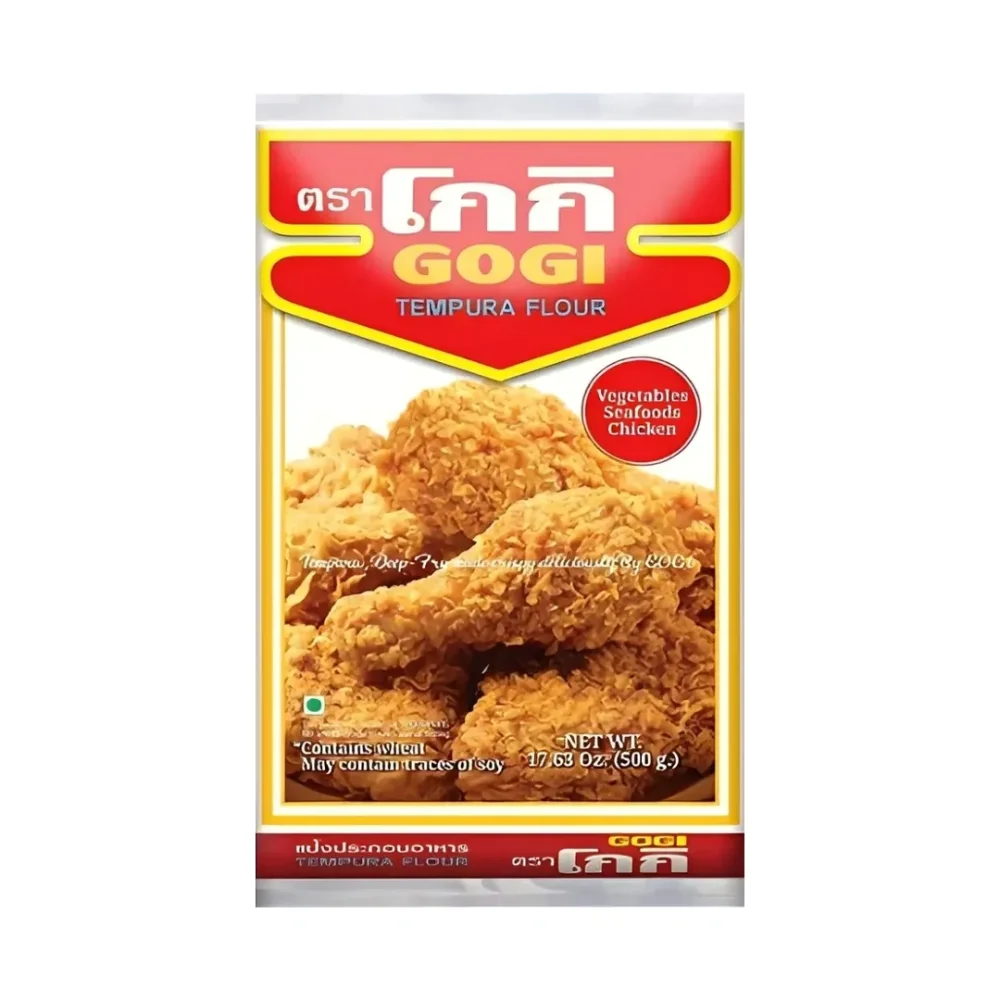
- For homemade tempura (light crispy batter), a practical option can be Gogi tempura mix. In the spirit of Japanese cuisine, ensure that the batter is light and does not overpower the ingredient you are coating.
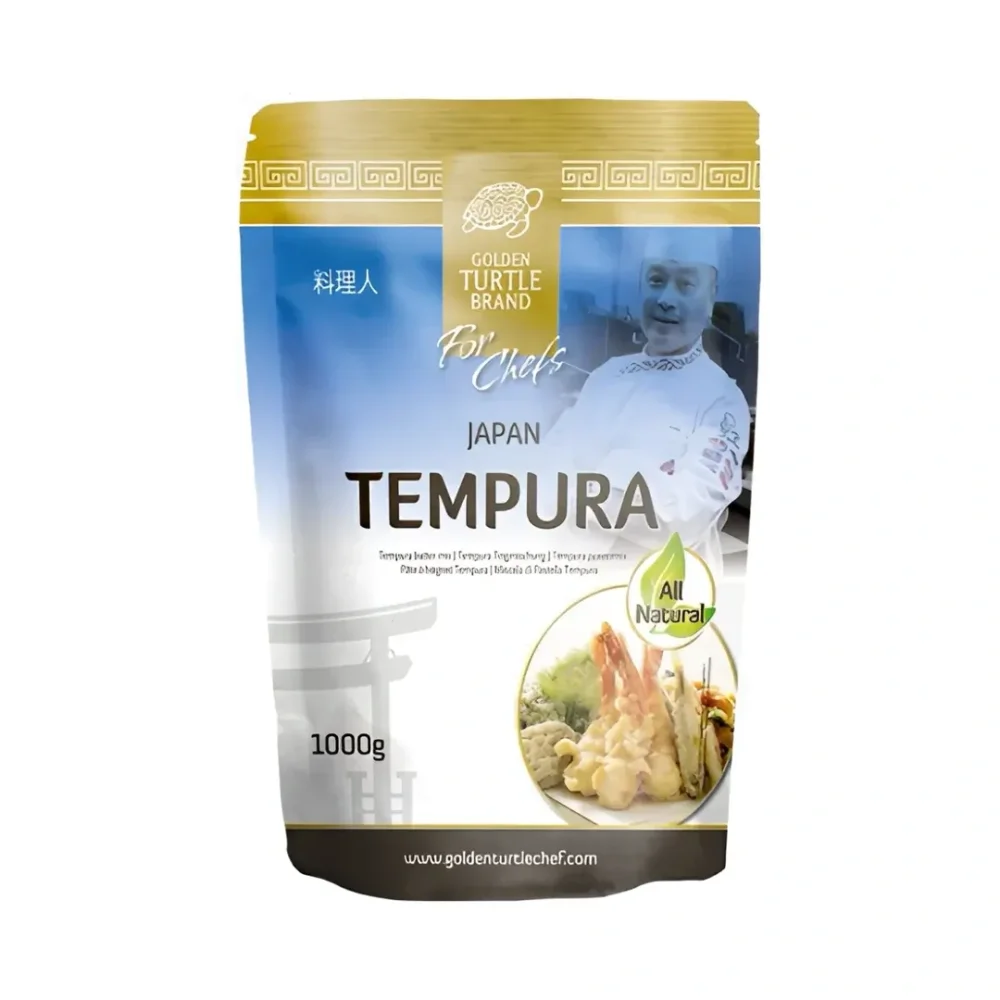
- If you want to make tempura more often or for more people, a similar role can also be played by Golden Turtle Chef Tempura – again as an aid for typical texture, not as an "all-purpose seasoning."
- For Japanese curry as a quick flavor base, you can use S&B Japanese curry seasoning paste. Consider it a guide toward a specific style, not as a general "curry."
- For cold and hot dishes (e.g., in dressings, okonomiyaki, or salads), Japanese mayonnaise is often used – an example is Kewpie. Use it more as a seasoning: often a small spoonful is enough, and then just adjust to taste.
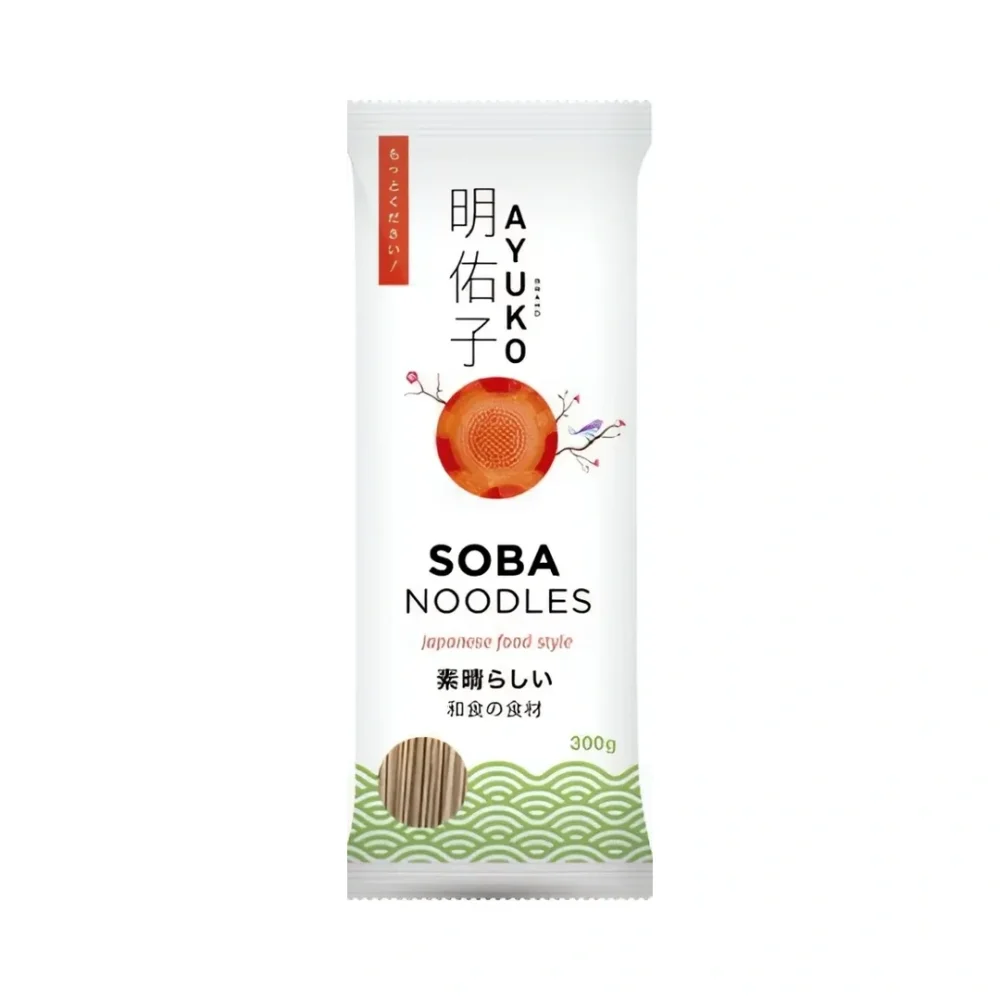
As a quick and clear "carrier" of flavors, noodles are also useful at home because they tolerate gentle seasoning and have a distinct texture. If you want a simple start without complicated preparation, you can try Ayuko soba noodles (suitable for both hot and cold dishes). Do not consider them the only "right" solution but as easy training for working with delicate seasoning.
🍽️ A brief note on serving: why it matters in Japan
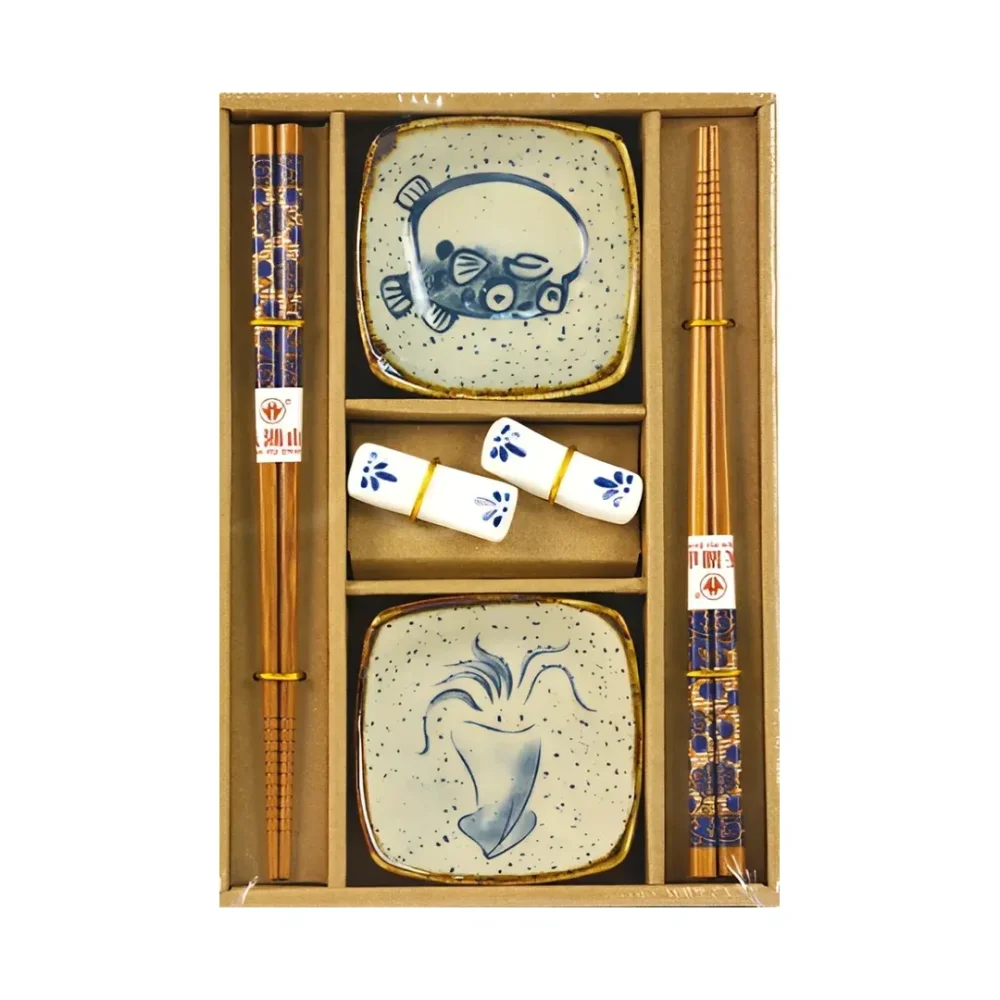
Emphasis on appearance and arrangement of the dish is one of the typical features. It is not "decoration" but to make the food look pure, clear, and balanced – similarly to its taste. If you often serve several small bowls and side dishes at home, something like a Japanese-style serving setcan help you keep structure and overview on the table.
Common mistakes and misunderstandings (and how to avoid them)
- Confusing "authenticity," strength, and quality. A stronger flavor does not automatically mean a better ingredient. In Japanese logic, balance and purity often win.
- Not reading the label. With sauces and seasonings, it is crucial to know exactly what you are buying and what function it has in the dish.
- Confusing basic and seasoned products. A seasoned product can be a great shortcut, but in some dishes, it limits you (the flavor is already "preset").
- Too aggressive seasoning at the beginning. If you want a cleaner Japanese impression, dose in small steps: a few drops, a small spoon, mix, taste.
- Confusion around "rice wine." Mirin, sake, and Chinese rice wines/cooking wine are not automatically interchangeable. If you are not sure, stick to the role the ingredient is supposed to fulfill (sweetness vs. aroma vs. sauce base).
Key takeaways from the article
- Typical Japanese ingredients make sense mainly when you understand their function (umami, saltiness, gentle acidity, light sweetness) and place them within the logic of pure flavors.
- The core of orientation stands on the pillars: rice, soy products and marine ingredients including seaweed – often precisely these create the flavor support.
- Choosing well does not mean buying the "strongest" but picking the right type for a specific use, reading labels, and distinguishing basic vs. seasoned products.
- If you are starting at home, build the pantry functionally and season in small doses – in Japanese cuisine, "less" is often more.

Read next
If you want to explore this topic further, continue with these related blog guides and articles:
