


 Česky (CZK)
 Slovensky (EUR)
 Deutsch (EUR)
 Austria
 Belgium
 Bulgaria
 Croatia
 Denmark
 Estonia
 Finland
 France
 Germany
 Greece
 Hungary
 Italy
Italy Latvia
 Lithuania
 Luxembourg
 Netherlands
 Poland
 Portugal
 Romania
 Slovenia
 Spain
Spain Sweden










Hot & Sour, ramen and other bold Asian soups: how to tell them apart and how to “build” them at home
A bold Asian soup is not just “something warm in a bowl.” It is often a complete meal—built on broth, noodles or rice, aroma, clever acidity, spiciness and final seasoning. In this guide we’ll clarify how ramen, Chinese hot & sour soup, hotpot or Filipino sinigang differ—and mainly how to learn to use their logic at home without unnecessary mistakes.
Why “bold” soups in Asia are often the main course
In many Asian cuisines soup does not function as a mandatory starter. It can be a full main dish, a quick street lunch, a morning meal or a shared dish in the middle of the table. This is practically important: such a soup is not built on a single ingredient, but on a combination of liquid base, aroma, texture and final seasoning.
When you want to understand “bold” soups (ramen, hot & sour and similar), watch five things: type of liquid base, the role of noodles or rice, light vs. rich approach, method of seasoning and the situation in which the soup is eaten (alone, with rice, as a shared pot).
Four worlds of Asian soups: from clear broths to sour bowls
A “bold” soup is not always thick or heavy. It can be light but intensely flavored. For orientation it helps to divide them into four broad worlds:
- Clear and broth-based soups – where the broth is the main carrier of flavor and clarity plays the same role as depth.
- Thicker soups and stew-style – where you “eat with a spoon” and “bite” as well, often with a more pronounced texture.
- Coconut and curry soups – where part of the intensity is carried by coconut and a spiced base.
- Sour and refreshing soups – where acidity is not a detail but the center of flavor (and often the reason you return to the soup).
Hot & sour and sinigang typically belong to the sour world; ramen most often relies on a broth-based approach (but can take many forms). And hotpot stands a bit apart: it is not “one finished soup,” rather a way of dining and cooking in broth.
Broth as the heart of the bowl: why it matters more than the ingredient list
In Asian cooking the broth often does not function just as “the liquid under the noodles.” It is a carrier of flavor, heat, texture and the dish’s identity. It can be the main taste of the entire dish, the environment for cooking ingredients, or the base that by ratio and seasoning becomes soup, sauce or dip.
This is clearly seen in long aromatic broths like pho: the broth is the center of the dish, the spices should be readable but not “loud,” and the final bowl is created only by combining broth, noodles, herbs and table seasonings. This principle (broth as the center + final assembly in the bowl) is useful for ramen and many other soups.
Japanese logic: umami, dashi and “less is more” (and why it relates to ramen)
Japanese cuisine often relies on respect for ingredients, purity of flavors, seasonality and precision. Flavor power here is often not built on aggressive seasoning, but on umami – a taste that feels full, deep and “brothy” without having to be simply salty.
Dashi: a short route to deep flavor
A key tool is dashi – a broth or flavor extract that forms the base of many Japanese dishes. It can be subtle or pronounced, but its main function is the same: to add depth and connect the other ingredients. Common dashi bases include kombu, katsuobushi, niboshi or shiitake.
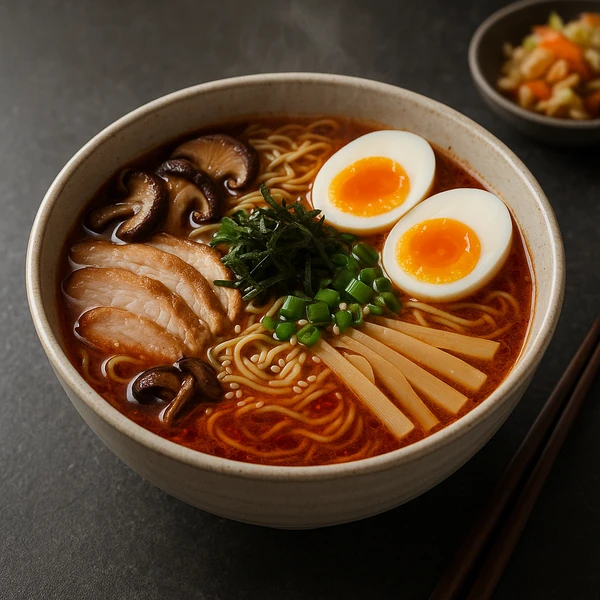
Ramen: a bowl that rests on broth and final seasoning
Ramen in Japan developed into a distinct and very important part of modern cuisine (and it’s useful to know that it has a Chinese origin). For home orientation the essential thing is that ramen is not “noodles drowned in anything”: a ramen bowl works when it holds together broth, noodles, toppings and final seasoning.
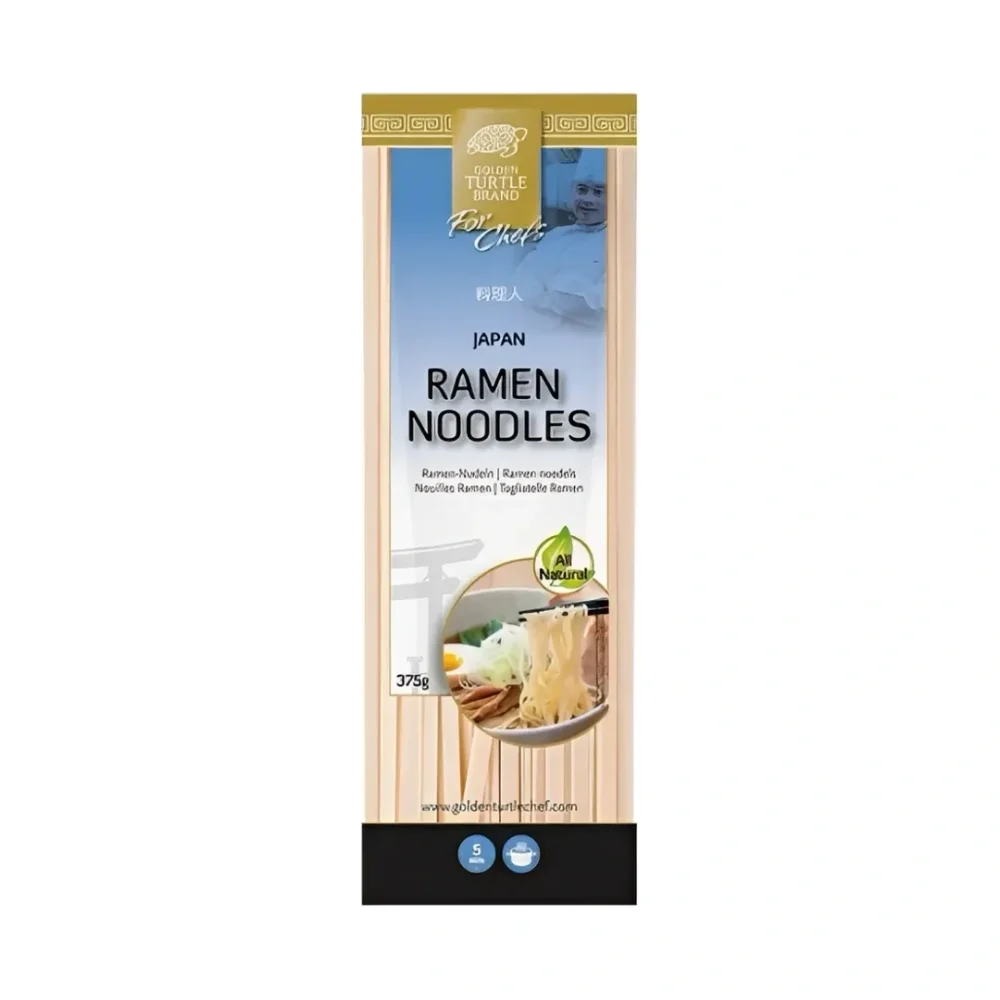
For a quick home start it helps to have noodles on hand that behave predictably in soup—for example Golden Turtle Chef Ramen noodles 375 g. (This is not the “only right” noodle, but a practical choice for first attempts.) If you want to explore different types, the clearest place to start is the directory Noodles.
China: hot & sour soup and hotpot – two different paths to intensity
The Chinese soup world is huge and not limited to “one famous soup.” For our selection two concepts are key that are often confused, even though they work completely differently.
Hot & sour soup: balance of acidity, peppery heat and texture
Hot & sour soup shows how powerfully the balance of acidity, peppery heat, broth and texture. Practically important here is that acidity should not be a random “sour tail” at the end. It should be controlled and balanced so the soup feels lively but not aggressive.
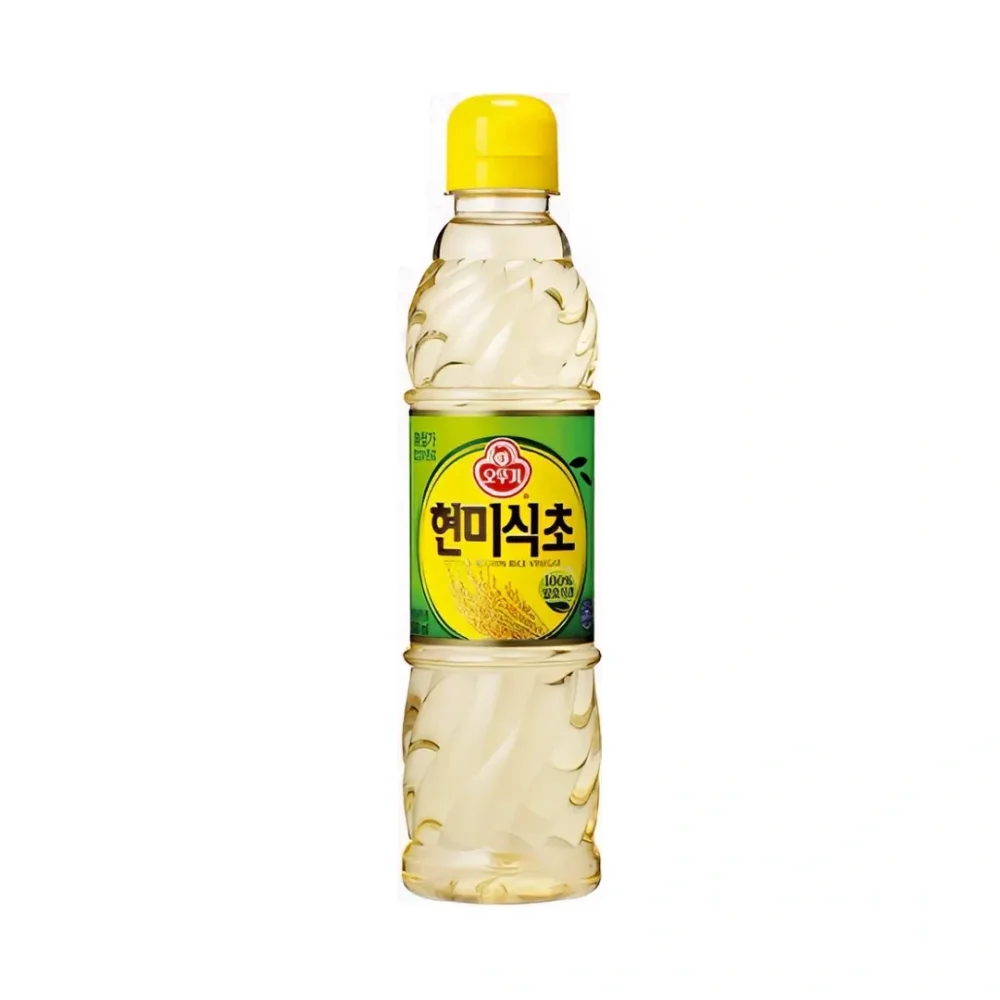
For home seasoning it’s useful to have an acid that won’t overpower other flavors: typically a mild rice vinegar. For example Otoki brown rice vinegar 500 ml – in the soup it allows you to add acidity in small steps and won’t mask the broth’s aroma.
Hotpot (huoguo): broth as a social space
Hotpot is not a classic soup in the European sense. It’s a “table system of cooking in broth” where diners assemble their bites themselves. It’s worth mentioning because it shows something essential: the broth here is not just a flavor base but also a medium for cooking and sharing. If you like hotpot, you’ll often also like soups that have a clean, firm broth and pronounced final seasoning.
Philippines: sinigang and acidity as the center of the soup (not as a supplement)
Sinigang is one of the best examples that acidity can form the center of the entire soup dish. In Filipino cuisine acidity is not marginal—it is a fundamental flavor axis. Sinigang also reminds of another important thing: the soup often naturally connects with rice and can be at once sharp, sour and yet a “comforting” comfort food.
For home understanding sinigang is great even without knowing the exact recipe: it teaches you to think that acidity is not a “correction” but a bearing flavor, around which you build the rest (broth, ingredients, possible heat, serving with rice).
Not only hot: cold soups and chilled broths (Korea and Japanese summer styles)
It’s common to assume soup is automatically a winter, heavy dish. In Asia that’s not true: cold soups and chilled broths are not a marginal oddity. A typical world is Korean naengmyeon, there are also some Japanese summer soups and broths, light seasonal variants with ice or chilled base and also cold dipping soups for noodles.
For the home kitchen it’s a useful idea: if you want a “bold soup,” it doesn’t have to be heavy. Sometimes a clean base, good seasoning and the right temperature are enough—and the bowl feels intense and refreshing.
How to start at home: practical bowl-building for ramen, hot & sour and sour soups
The quickest route to a good soup is not a complicated recipe but understanding who should do what: what carries depth (the broth), what gives “direction” (acidity, saltiness, possibly heat), what gives texture (noodles/rice/toppings) and what belongs only at the end (final seasoning and garnish).
1) Start with the broth – and watch two things: clarity and salt
- Clarity: even if the broth is meant to be intense, it should not be “musty” or overloaded. With long broths (pho style) the spices should be readable but not loud.
- Salt: you will often still season the broth (soy sauce, acidity). Therefore it’s more practical to start less salty and finish salting at the end.
2) Noodles or rice are not a detail – they determine whether the soup fills you up
In the ramen style it’s important that the noodles “hold” in the soup and don’t fall apart. For first attempts a stable wheat variant helps (see the ramen noodles mentioned above). In sour soups like sinigang it’s common to perceive the soup in relation to rice: rice softens the acidity and turns the soup into a full meal.
🍳 3) Add acidity gradually – and stop sooner than you think
In hot & sour or sinigang style acidity is a basic axis. A practical rule for home tuning: add in small doses, always stir and taste again. With milder vinegars it’s easier to hit a “lively” acidity that won’t overpower the broth.
4) Umami and saltiness: soy sauce as a tool, not the only answer
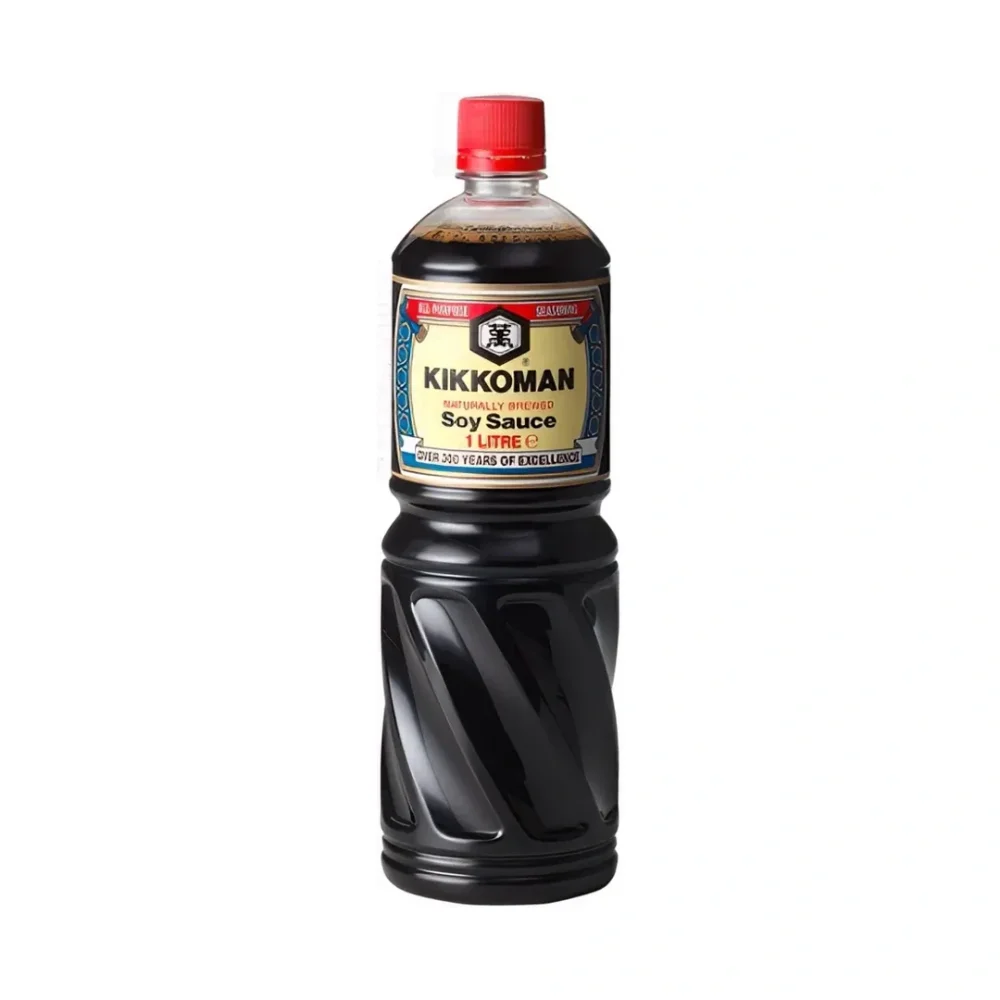
Soy sauce can quickly add umami and saltiness, but it can easily overwhelm subtle broths. Therefore treat it as a tool for fine-tuning, not as the basic liquid. For universal use in seasoning (soups, marinades, dips) it makes sense to have a reliable shoyu style, for example Kikkoman soy sauce 1 l – and dose it gradually.
👃 5) The finale makes the impression: garnish, aroma and last seasoning
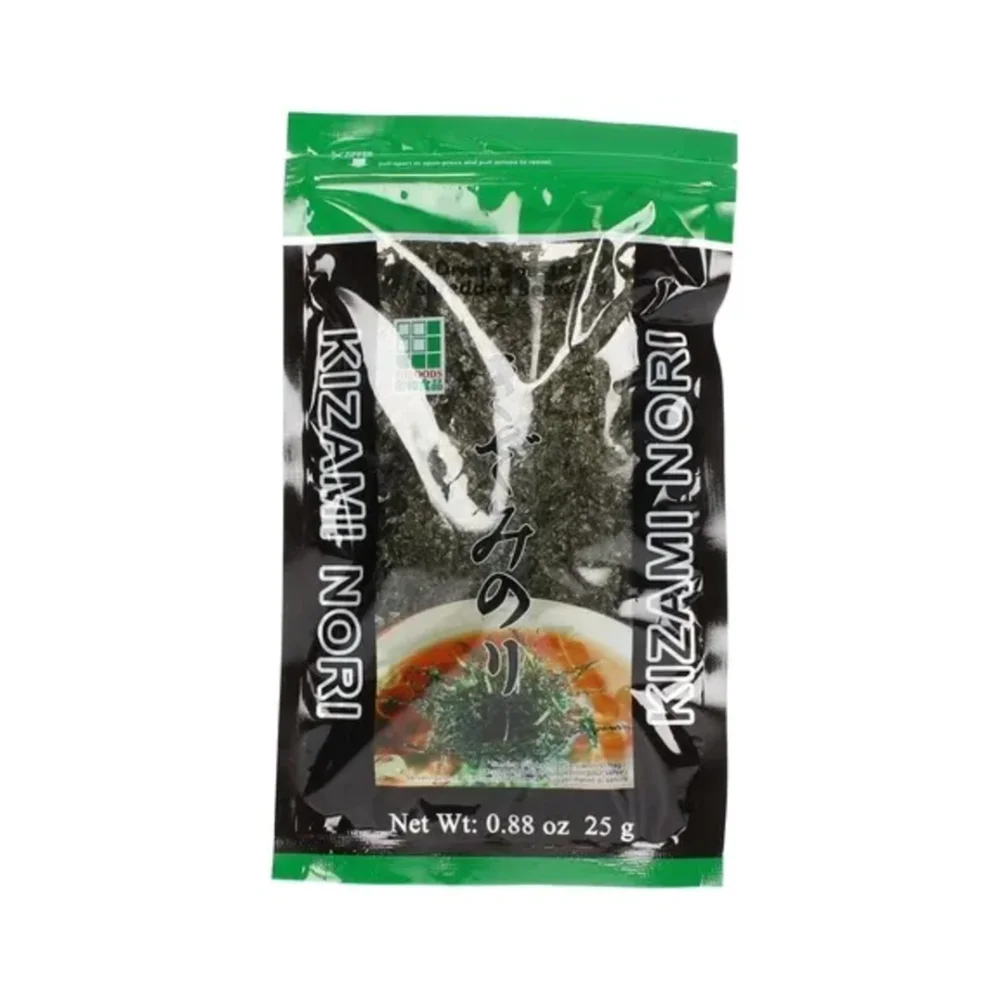
Asian soups often “come alive” only at the very end: fresh herbs, aromatic sprinkle, small table-side seasoning. For a quick umami finish seaweed works well—practical options are sliced nori strips such as JH foods Kizami Nori seaweed 25 g, which can be used as a topping for noodles and soups.
6) When you want a flavor “hook” without long cooking
If you first want to orient yourself to how a certain style tastes (and only then tune your own broth), ready-made or instant variants can help—treat them as a taste sample of the direction, not the goal. To navigate these types of bowls the directory of instant soups (see related links below) will help.
Most common mistakes (and how to fix them quickly)
“Soup is just a starter, so it doesn’t matter”
This doesn’t work for ramen, hot & sour or sinigang: if the broth is flat, the soup will feel undercooked even if you have great noodles and toppings. Solution: return to the base—the broth must have a readable taste and aroma.
Over-salting at the start
A common mistake is to salt the broth “to finish” and only then add soy sauce or other seasonings. Solution: salt gradually and do final tuning after combining all components in the bowl.
“Sour” = pour vinegar over it
Acidity should be controlled. In hot & sour the goal is balance of acidity, heat and broth; in sinigang acidity is central but should still be pleasant. Solution: add in small doses, taste, stop sooner and let it meld for a moment.
Confusing umami with saltiness
Umami is not the same as “more salt.” Japanese logic often rests on umami (for example through dashi) and on purity of flavors. Solution: if the bowl is “just salty,” try working with the broth and the final garnish instead of adding more salt or reduce aggressive seasoning.
In Japanese seasoning: trying to replace mirin with just sugar
Japanese cuisine often uses seasonings that not only sweeten but also round and link flavors. A typical mistake is to treat mirin only as a “sweetener” and replace it with plain sugar: sugar will sweeten but cannot fully replicate how mirin rounds flavors and makes the result smoother. Solution: when encountering Japanese sauce and broth seasonings, it’s worth distinguishing the roles of individual seasonings rather than simplifying them to salt/sugar.
What to take away from the article
- A “pronounced” Asian soup is often a whole meal: it relies on the broth, texture, and final seasoning.
- For orientation, watch the type of liquid base, the role of noodles/rice, lightness vs. heartiness, and the method of seasoning.
- Ramen is a great example of Japanese work with umami and purity — and at the same time a bowl that comes together only at the end.
- Hot & sour shows the balance of acidity, peppery heat, broth, and texture; sinigang shows acidity as the center of the soup.
- Soup doesn't have to be just hot: cold soups and chilled broths are a full-fledged world in Asia.
- Most mistakes come from rushed salting and “overdoing” acidity — both are solved by gradual dosing and tasting.

Read next
If you want to explore this topic further, continue with these related blog guides and articles:
