


 Česky (CZK)
 Slovensky (EUR)
 Deutsch (EUR)
 Austria
 Belgium
 Bulgaria
 Croatia
 Denmark
 Estonia
 Finland
 France
 Germany
 Greece
 Hungary
 Italy
Italy Latvia
 Lithuania
 Luxembourg
 Netherlands
 Poland
 Portugal
 Romania
 Slovenia
 Spain
Spain Sweden










How to choose noodles according to the recipe: so they hold in soup and don't fall apart in the wok
Noodles are a broad family of ingredients in Asian cuisine – and each works differently. When you reach for "some noodles," it often ends up that they get soggy in the broth, break in the wok, or lose texture after cooling. In this guide, we'll show you what to look for in a recipe, how to decide based on the type of dish (ramen, phở, pad thai, stir-fry, cold bowls), and what to watch out for during preparation to ensure the result tastes and looks just right.
Noodles are not just "noodles": what matters most in the recipe
The biggest mistake when choosing noodles is assuming they all behave the same. In practice, four main factors decide, which you can often deduce from the recipe (or the type of dish you are making):
- What the noodles are made of (wheat, rice, buckwheat, starch, konjac) – this determines elasticity, "bite," fragility, and how noodles tolerate broth or intense stirring.
- Thickness and shape – thin ones behave differently than wide flat or thick “ropes” like udon.
- What kind of preparation the dish requires – broth bowl, quick wok (stir-fry), cold salad, or “dry” with sauce.
- What pre-preparation method is used – some noodles are boiled, others often just soaked and finish cooking in the pan or sauce.
A sensible choice therefore doesn’t start with the question "which are the best," but with the question "what do I expect from them in this particular dish".
What Asian noodles can be made of (and what practical impact it has)
In the Asian context, it makes a lot of sense to stick to the main categories based on the ingredient. Each has a typical texture and typical dishes you will encounter them in.
Wheat noodles: elasticity and durability for broth and pan
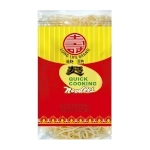
Wheat noodles tend to be denser, elastic, and tolerate stirring well and longer contact with hot broth. Therefore, they often appear in rich bowls like ramen and in various wok preparations (chow mein style, various “wok noodles”).
If you are choosing noodles for the pan or the broth, it’s natural to start with the crossroads wheat noodles.
Rice noodles: finer texture for phở, bún, and pad thai
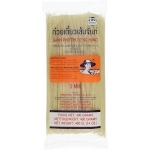
Rice noodles tend to be finer and are often prepared quickly (by boiling or soaking). You typically find them in Southeast Asia: in Vietnamese soups like phở, in bowls like bún, but also in wok dishes like pad thai or in some styles of flat stir-fried noodles (e.g. char kway teow).
Because they are more sensitive to overcooking, it's worth choosing rice noodles based on whether they will end up in broth, pan, or cold dish. For guidance, useful crossroads are rice noodles.
Buckwheat noodles (soba): stronger flavor and the important ratio of ingredients
Soba (buckwheat noodles) have their own earthy flavor. With soba, it’s important not to rely just on the name: depending on composition, the resulting flavor can vary significantly in how “buckwheat-like” it tastes. If you choose soba for its taste, it’s good to watch the ingredients and not just follow the word “soba” on the package.
In recipe contexts, soba often appears in lighter Japanese broths or in cold preparations, where its texture and flavor shine.
Starch and glass noodles: translucency, elasticity, and “glassy” texture
Starch noodles (often perceived as “glass noodles”) after cooking are smooth, elastic to glassy and behave differently than flour noodles. They are often chosen when texture is as important as taste – for example in the style of japchae or in various lighter, clear soups.
If you want precisely this slippery, elastic texture, start with the crossroads glass noodles.
Konjac and other special variants: when you are looking for an alternative style
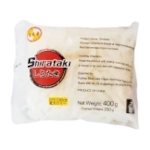
Besides classic flour and rice noodles, there are also special low-carb or konjac variants. They are not a “1:1 replacement” for ramen or rice noodles – consider them as a separate type with a different structure and use.
For quick orientation, use the crossroads konjac noodles.
How to choose noodles by type of dish (recipe): soup, wok, cold, “dry”
A practical rule: first determine whether the noodles must hold broth, sauce, or just a quick coating of flavors in the pan. Only then address thickness and specific style.
For soups and broth bowls: when they must hold shape
For soup, ideal noodles are those that keep their shape even after contact with hot broth and don’t start to tear or fall apart immediately. Typical choices by soup style:
- Ramen – for rich Japanese broth bowls where elasticity and “bite” matter.
- Udon – thicker, denser noodles for heartier dishes.
- Soba – for lighter Japanese broths or for a more delicate, clean profile.
- Rice noodles – for phở, bún and other Southeast Asian soups where a finer texture often works well.
- Some glass noodles – for lighter and clear soups, if you want elasticity and a “glassy” texture.
Generally: for strong broths better noodles tend to have higher elasticity; for milder and herbal broths, rice variants often fit well.
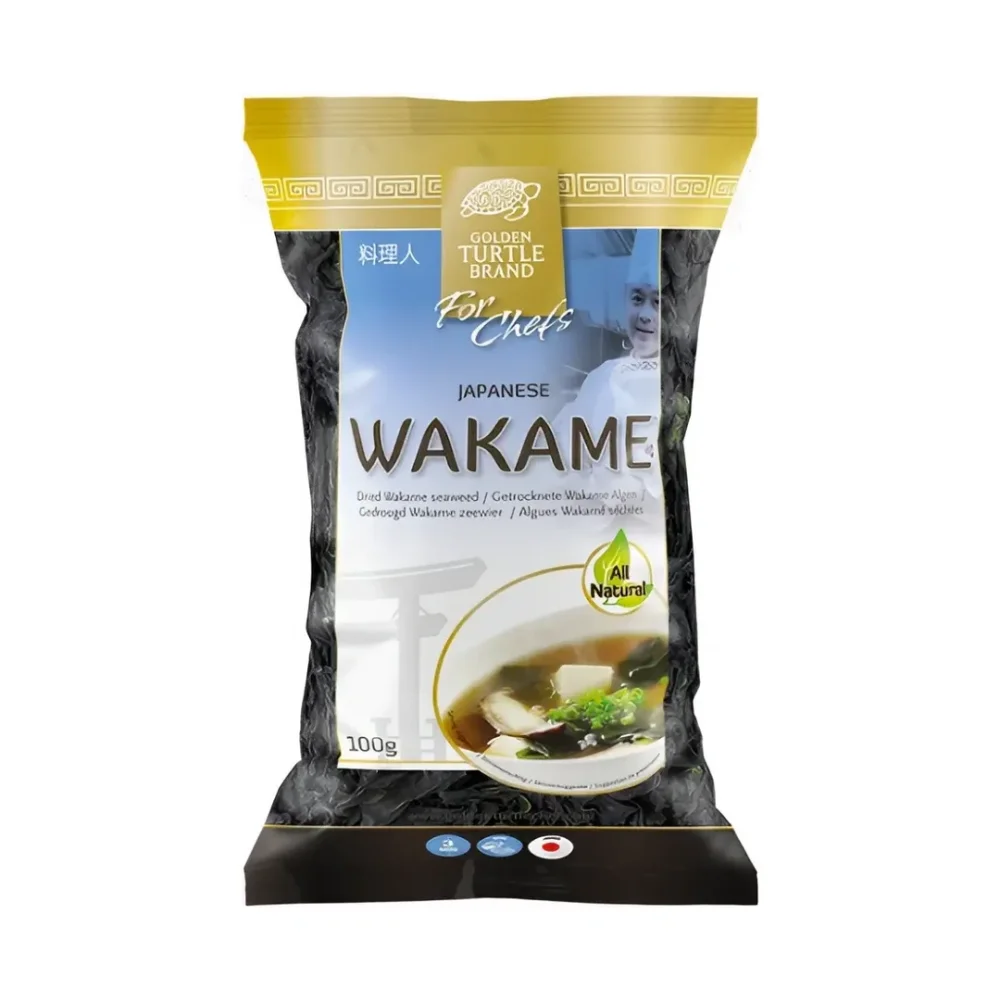
If you want to complement a broth bowl with a typical seaweed element, dried wakame works well, for example, dried wakame (softens after soaking and can be added to miso or ramen style dishes).
For stir-fry and wok dishes: when noodles must survive stirring and high heat
In the pan, you need noodles that withstand stirring, contact with fat and sauce, and short, intense heat. Often working well are:
- Wheat wok noodles – elastic and resilient, suitable for various “chow mein” styles.
- Wider rice noodles – typical for some stir-fried preparations (e.g., char kway teow) and parts of Thai and Southeast Asian styles.
- Some ramen noodles – when you make a drier preparation and want a more pronounced bite.
- Glass noodles – if you want a lighter and more elastic texture, which otherwise “slides” differently than flour noodles.
Key rule for wok: noodles must not be fully “cooked” before being put in the pan, otherwise they easily break when stirring and finishing with heat.
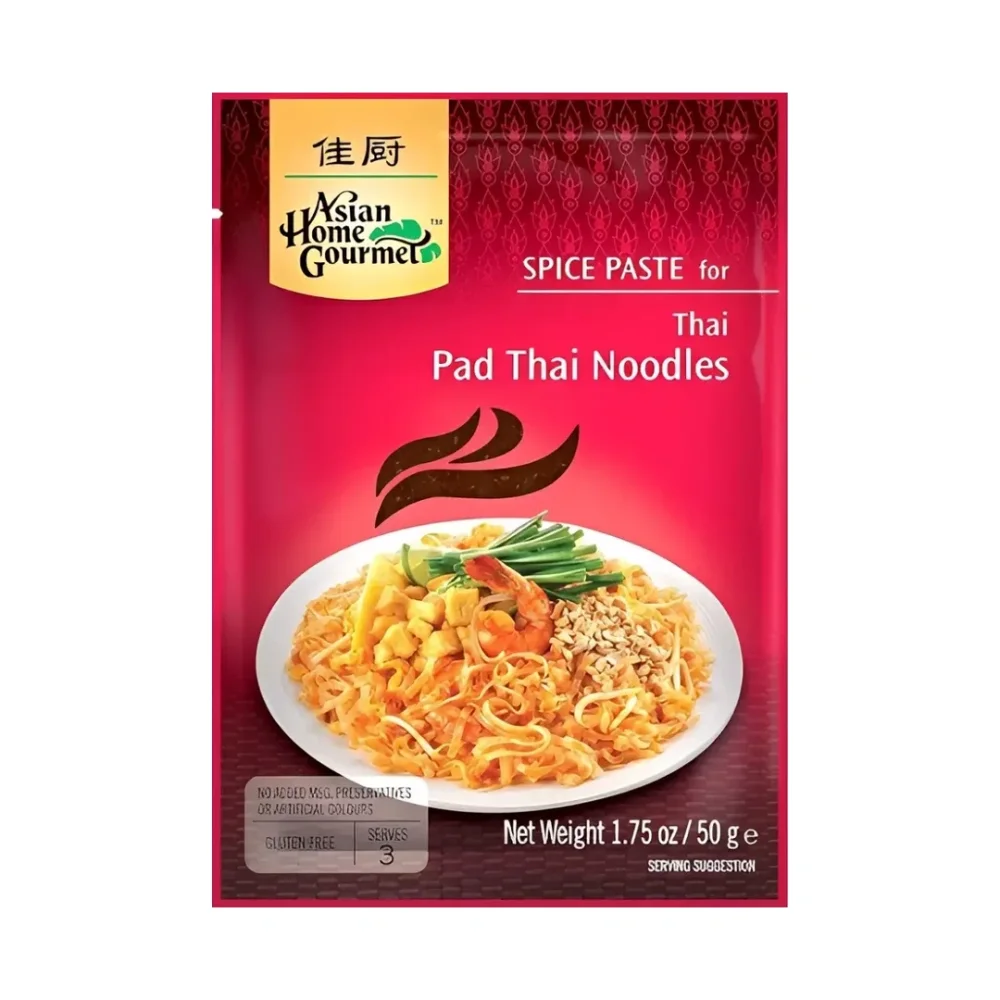
For a dish like pad thai timing and working with the sauce matter besides the noodles. For a quick homemade flavor approximation, pad thai Thai noodle paste can be useful – but here too, spoiled noodles (overcooked or soggy) cannot be saved by the sauce alone.
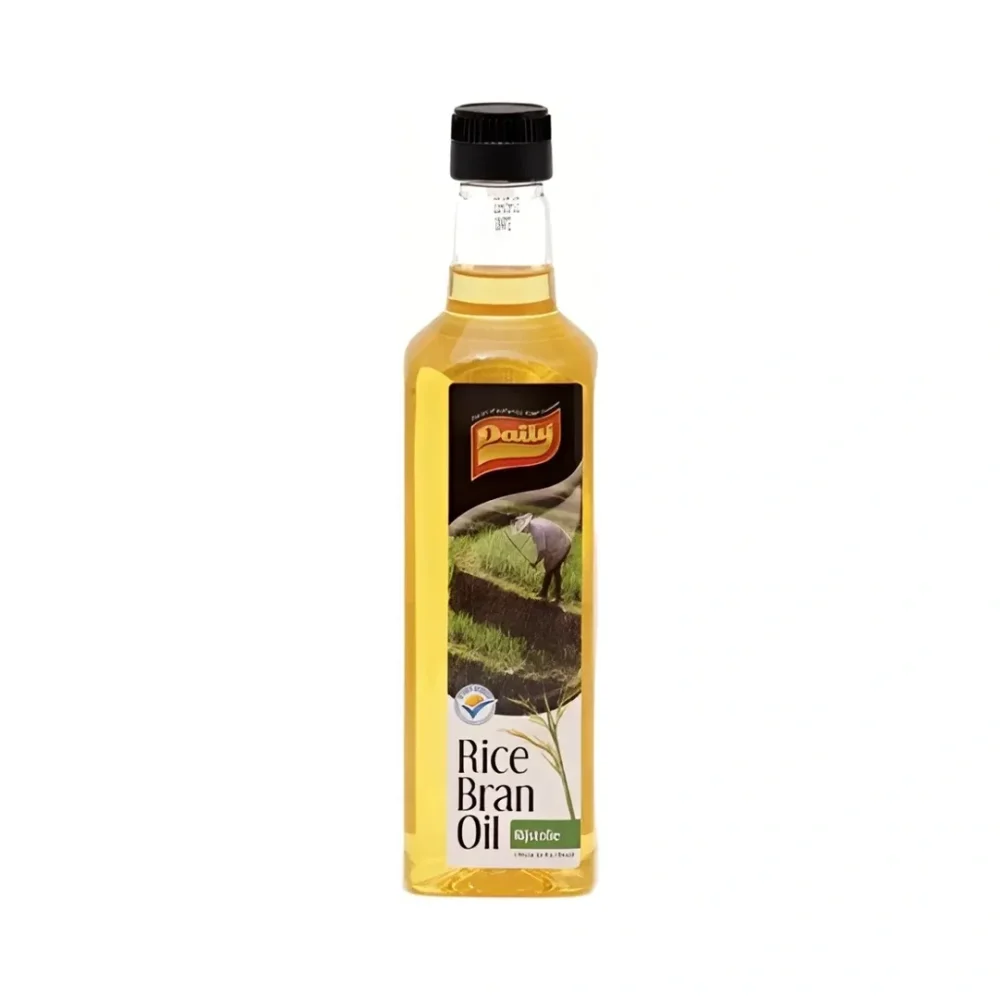
For stir-frying, a neutral fat that does not overpower the ingredient flavors is suitable; a practical example is rice oil.
For salads and cold dishes: texture must work even after cooling
The biggest test for cold noodles is cooling – some noodles stick together after cooling, others lose their “bite”. Types that hold structure even after cooling work well here, for example:
- Soba (often also in cold Japanese preparations),
- somen (thin smooth noodles for light cold dishes and dips),
- rice vermicelli (typical for lighter bowls and salads),
- glass noodles (when you want a flexible, translucent texture).
"Dry," stir-fried and dipped noodles: when noodles are the main carrier of the sauce
Not all noodle dishes rely on broth. There are also "dry" variants where the noodles are mixed with sauce or just lightly coated and eaten with a dip. In such dishes, whether the noodles should be smooth and slippery, or on the contrary distinctly elastic. That's why it's good to choose the type according to the intended role: you want different noodles for lightly dipped style and different ones for thick sauce.
🍳 Practical noodle preparation: so they don't break, stick, or turn mushy
Even properly chosen noodles can be ruined by technique. In Asian cooking, it is often the case that noodles have two heat stages: first pre-processing (boiling / soaking) and then finishing (in a wok, in broth, or in sauce).
Step 1: Decide if the noodles will "finish" cooking in the dish
- Wok / stir-fry: keep the pre-processing shorter so the noodles can handle the final stirring and heat in the pan.
- Soup: consider that hot broth softens the noodles further. If you cook noodles separately, it often happens that they become too soft after adding the broth.
- Cold dish: the goal is texture even after cooling – the noodles need to be prepared so they don’t become mushy or sticky.
Step 2: Watch out for overcooking with more sensitive types
Rice noodles tend to be more sensitive: when overcooked, they tend to turn into a mushy mass instead of separate, elastic strands. Generally, it helps to remember that the goal is not "as soft as possible," but the right texture for the given dish.
Step 3: Don't underestimate the "last minute" in the wok
For dishes like pad thai, char kway teow, mie goreng or chow mein style, the final stage is short and intense. When fully cooked noodles arrive in the pan, stirring often breaks them. On the other hand, if the noodles are insufficiently prepared beforehand, they don’t have time to warm up and blend with the sauce. Therefore, it’s good to treat the recommended preparation process as a guideline and adjust it depending on whether the noodles will have a second heat stage.
How to recognize higher quality noodles: signs that appear only in the pot
Noodle quality is not just about price. For different types, you watch for different things, but several signs repeat:
- Clearly stated composition and a reasonably short list of ingredients.
- Typical smell of ingredients upon opening.
- After cooking good texture (not "quick mush") and ability to hold shape even after a short stay in sauce or broth.
For specific types, it holds that:
- Soba: higher quality tends to be more aromatic; if you want soba because of the buckwheat taste, watch the buckwheat and wheat ratio in the composition.
- Ramen: elasticity, resistance to overcooking, and a clean "bite" are important; thickness and style also matter according to broth type.
- Rice noodles: after proper preparation, they don’t fall apart into a mushy mass but remain elastic and separate.
Most common mistakes (and how to quickly fix them)
- Choosing by picture of finished dish instead of by intended use: noodles with the same name can have different thickness and recommended preparation. Solution: first determine if you are making soup, wok, salad, or thick sauce – and choose accordingly.
- Trying to have one "universal" noodle for everything: often the brand is not mistaken but the type. Solution: if you cook various dishes at home, it makes sense to have several styles (e.g., one rice, one wheat for wok, and one thicker for broth).
- Overcooking before wok: noodles break up when stirred and become mushy. Solution: shorten pre-processing and let noodles finish cooking in the pan.
- Too "wet" wok dish: typical problem with pad thai – noodles sink and lose contrast. Solution: watch timing and work with the sauce so it coats the noodles rather than turning them into soup.
- Expecting the sauce to save a bad base: with street-food inspiration, it’s easy to slip into the idea "one universal sauce makes everything Asian." Solution: first choose the right noodles for the technique and only then adjust flavor.
What to take away from the article
- The right noodle choice starts with the question "for what type of dish" (broth, wok, cold, sauce), not the question "which are the best."
- The basic material (wheat, rice, buckwheat, starch, konjac) determines elasticity, fragility, absorbency and whether the noodles stand up to broth or intense stirring.
- For soup, choose noodles that hold their shape in hot broth (ramen, udon, soba for lighter broths, rice noodles for phở/bún).
- For wok, noodles that survive the second heat stage – so don't overcook them during pre-processing.
- You recognize higher quality noodles mainly by texture after cooking and ability to hold shape in sauce or broth; for soba, the ingredient ratioalso matters.

Read next
If you want to explore this topic further, continue with these related blog guides and articles:
