


 Česky (CZK)
 Slovensky (EUR)
 Deutsch (EUR)
 Austria
 Belgium
 Bulgaria
 Croatia
 Denmark
 Estonia
 Finland
 France
 Germany
 Greece
 Hungary
 Italy
Italy Latvia
 Lithuania
 Luxembourg
 Netherlands
 Poland
 Portugal
 Romania
 Slovenia
 Spain
Spain Sweden










Low-fat and fresh dishes across Asia: lightness is not a "diet version"
"Low-fat" Asian food often does not mean tasteless food or a small portion. In many Asian cuisines, lightness is achieved differently: through broth, herbs, acidity, smart seasoning, and a good ratio of rice or noodles to vegetables and other components.
When you want to eat more freshly, it is useful to look at Asian dishes as a whole: what forms the base of the bowl, what carries the protein, where the acidity comes from, how umami (fullness of flavor) is added, and where the texture arises. This composition determines whether the dish feels light or "heavy," even if the portion is the same size.
What "low-fat" means in the Asian context (and why it is better to talk about lightness)
With "low-fat" Asian dishes, it is good to be cautious with expectations. Often they are not specially modified "diet" versions, but traditional types of dishes that feel lighter because:
- they are not based on heavy cream,
- the flavor is carried by broth, herbs, and acidity instead of a thick sauce,
- fat is used functionally (for aroma, frying, flavor blending), not necessarily in large amounts,
- the dish often contains a lot of vegetables or fresh components.
Practically, this means: you are not looking for "food without fat," but something that is flavor-clear, fresh, and balanced – and after which you don’t feel heavy.
How to recognize light and balanced Asian food on a plate
"Light" in the Asian sense usually doesn’t mean weak or boring. Rather, it applies that:
- the food doesn’t feel heavy or tired,
- the flavors are readable (the sauce doesn’t overpower the ingredients),
- vegetables and herbs are not decoration, but active parts,
- there is a balanced ratio of fullness, freshness, and texture.
It helps to think about the "building blocks" of a bowl or plate:
- Starchy base – rice or noodles (in a reasonable proportion).
- Protein – tofu, seafood, meat, eggs (often in simpler preparation).
- Vegetables – cooked and raw, so the dish has juice and crunch.
- Herbs / fresh elements – they give “openness” to each bite.
- Acidity or pickles – balance and lighten.
- Minor but precise seasoning – umami base and clear character without being "drowned" in sauce.
Typical lighter trends across Asia: from broths to cold salads
Across Asia, there are several recurring "light trends." They are not the only options, but work very well for orientation – especially when you want dishes that fill you up and yet remain fresh.
Japan: sets and simple bowls (ichiju-sansai)
The Japanese approach to balance is often described as ichiju-sansai – "one soup and three small dishes." The point is not that the portions are small, but that each part has a clear role: something warm and liquid, something protein-based, something vegetable, something pickled or sour. Thanks to this, the dish doesn't feel overloaded even at normal fullness.
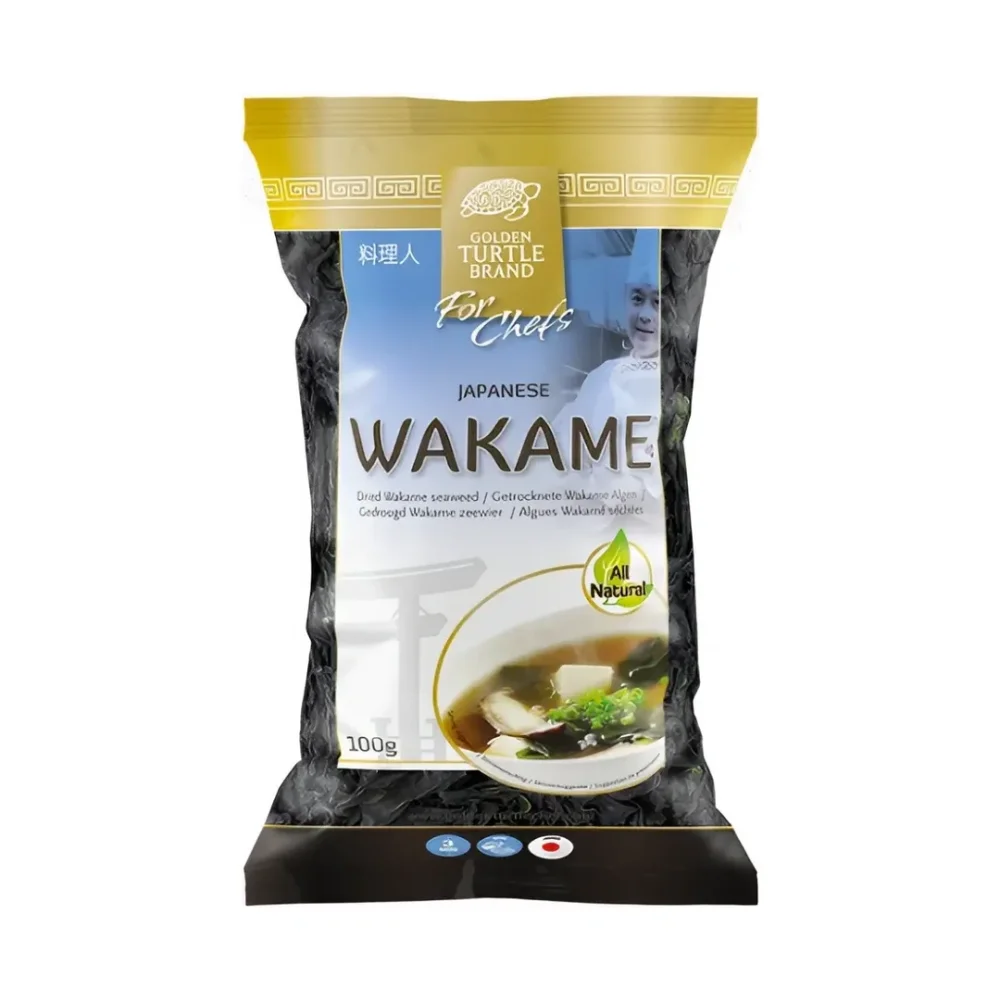
Seaweed fits well into "lighter" Japanese bowls as fresh umami and texture element – typically for example dried wakame, which is used after soaking in soups, salads, or rice bowls.
Vietnam: herbs, light broths, and fresh rolls
Vietnam excels at connecting fullness and lightness: noodles or rice are often balanced with a large amount of herbs, vegetables, and acidity. Typical lighter trends include:
- noodle soups and broth bowls (where part of the flavor is carried by clear broth),
- fresh Vietnamese rolls gỏi cuốn (fresh rolls) – rice paper, herbs, noodles, vegetables, and an important dip,
- cold or lukewarm noodle bowls with herbs, pickled vegetables, and light “dressing” in the style of fish sauce.
Important detail: the power of these dishes is not in a thick sauce, but in freshness, contrast, and precise seasoning.
Thailand: salads and light soups where acidity holds the whole profile
In the Thai area, among naturally "lighter" trends are mainly salad worlds and lighter soups. Examples often cited are:
- som tam (salad style where acidity and spiciness play a role),
- larb (distinctive salad trend),
- light soups where the flavor is carried by broth and spices, not cream.
Thai lightness is often very "lively": acidity and herbs prevent the food from feeling heavy even when the flavor is strong.
Korea: balance through multiple small components
The Korean approach often rests on the fact that the dish is not one large homogeneous mass, but multiple smaller parts – something rice-based, something soup-like, plus small additions and contrasts. Examples of "lighter" trends include some Korean rice and soup dishes and also naengmyeon (cold noodles, sometimes in chilled broth), which are based precisely on refreshment.
Cold dishes and salad trends: when "salad" is not leafy greens
Asian salads and cold dishes are not just "vegetables with dressing." They are often full meals (even street food) that work because of three things:
- Climate – in warm and humid areas, cold or lukewarm food makes practical sense: it refreshes and does not feel heavy.
- Everyday life and speed – rolls, salads, cold noodles, and seasoned bowls are naturally "fast" types of dishes.
- Flavor logic – cold cuisine is ideal for herbs, acidity, chili, and milder umami components, as well as for crunchy vegetables and textural contrast.
An important misconception worth discarding: "cold food" does not automatically mean raw, diet, or bland. On the contrary, it is technically precise and flavorfully expressive – just in a different way than hot, saucy foods.
How to choose (and compose) fresh Asian food at home depending on the situation
In practice, it helps not to ask "what is the most low-fat," but rather "what type of lightness do I want today": broth-based, salad-based, or a bowl with rice and pronounced but moderate seasoning. The following three templates are intentionally simple – without a full recipe, but with specific decisions.
1) When you want something warm but light: broth + noodles + herbs
- Base: clear broth (flavor is carried by the liquid, not a heavy sauce).
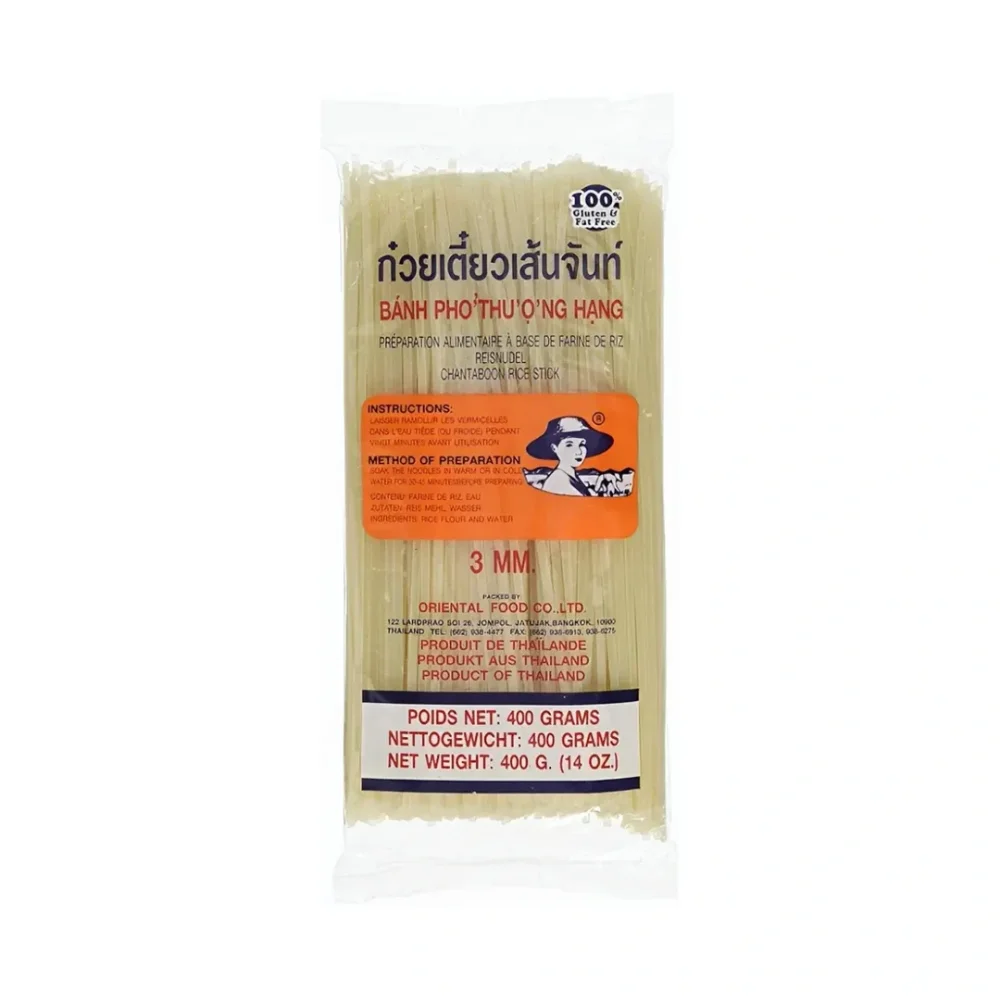
- Noodles: choose a type that can handle soup and maintain texture. Rice noodles of medium width are universally suitable, for example rice noodles 3 mm.
- Fresh layer: herbs and crunchy vegetables added last so they remain "alive."
- Acid touch: a few drops of acidity often make a bigger difference than another ladle of sauce.
Technique tip: with noodles, it also matters whether they should be rinsed (typically for colder and salad styles) or go straight into hot broth. Doing the opposite easily breaks the texture and makes the bowl feel "tired."
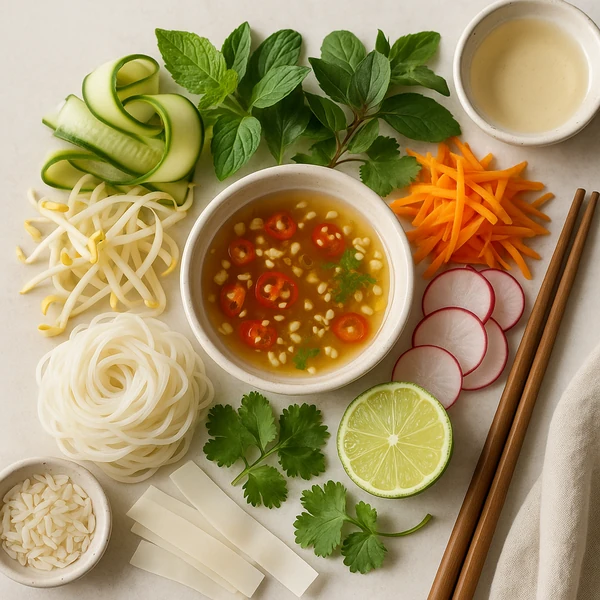
2) When you want something distinctly fresh: a cold/lukewarm noodle bowl with dressing
- Ratio on the plate: noodles as a base, but let vegetables and herbs make up a large part of the volume and texture.
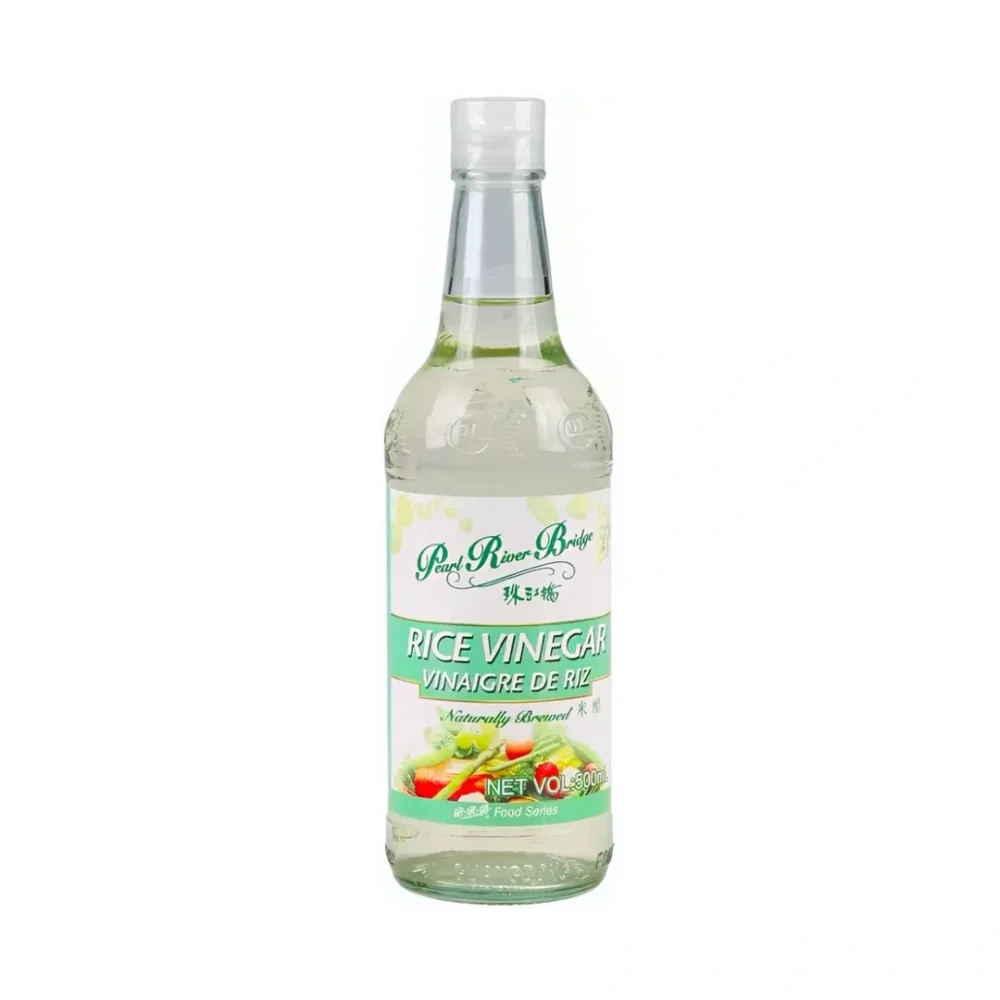
- Dressing: instead of a thick sauce, a lighter dressing with acidity works. Mild acidity without unnecessary sharpness can be added by rice vinegar (typically for dressings and marinades).
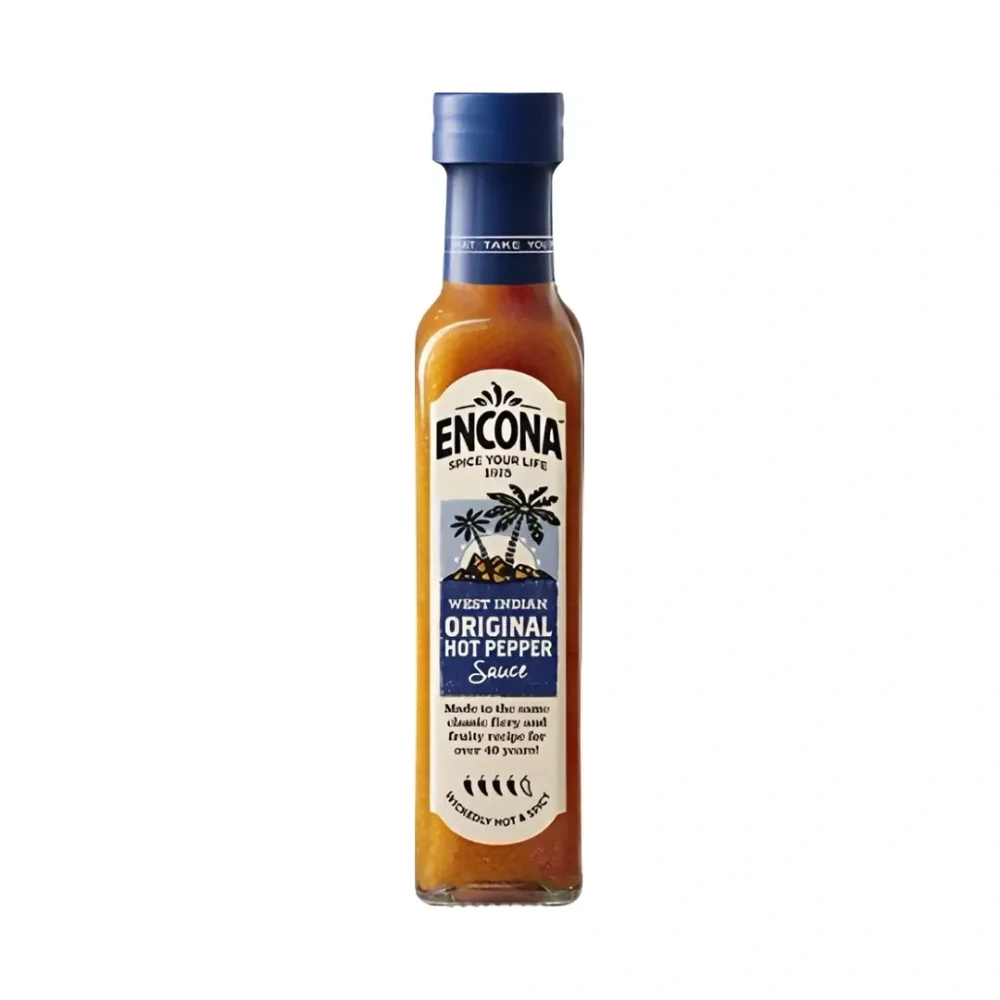
- Spicy spark: chili is often the final "spark," not the main volume. If you want zing without overpowering flavor, add a small amount at the end, for example spicy chili sauce drop by drop and taste.
What makes a cold bowl "finished": a strong role of herbs, active acidity, clear umami background, and mainly textural contrast (soft noodles vs crunchy vegetables).
3) When you want fullness without heaviness: rice bowl with pronounced but moderate seasoning
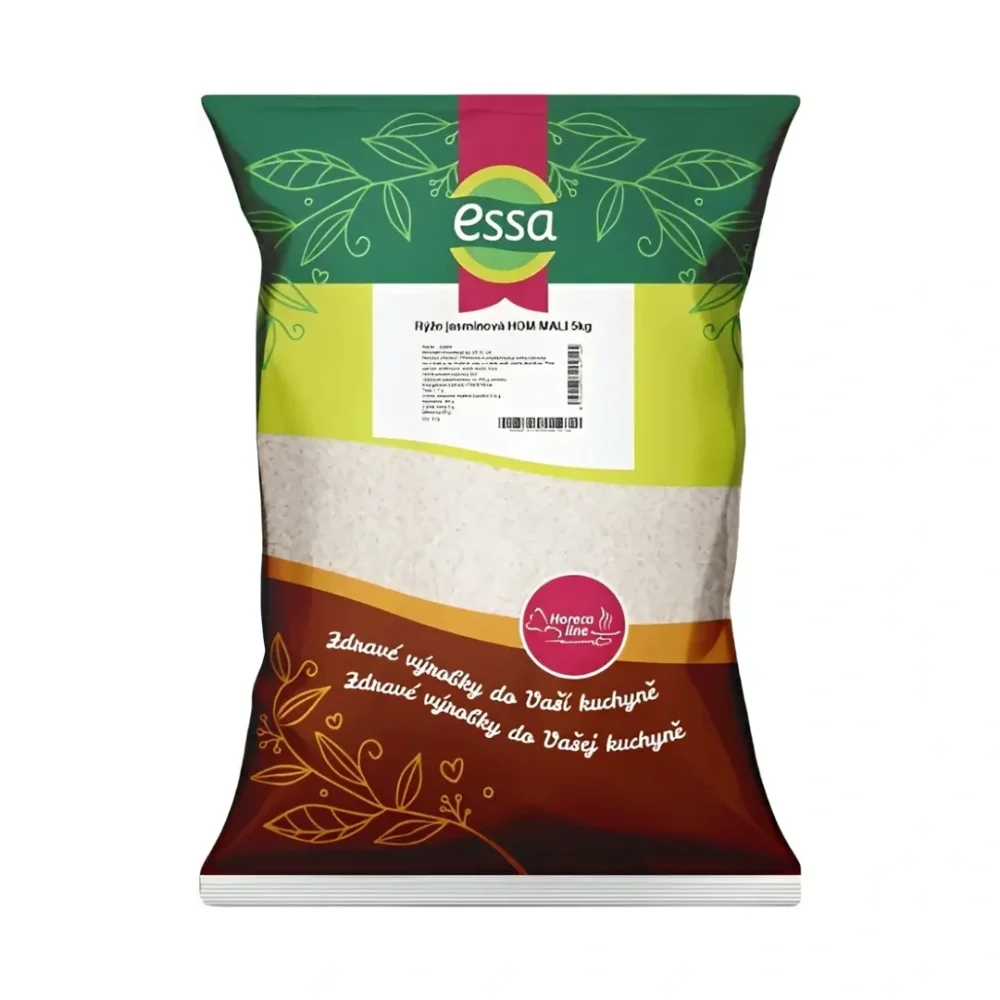
- Rice: quality aromatic rice helps the bowl taste full even without a "pile" of sauce. For base, for example, Jasmine rice Hom Maliis suitable.
- Protein and vegetables: tofu or other protein + a mix of warm and fresh vegetables (so the bowl is not just a "heap of rice").
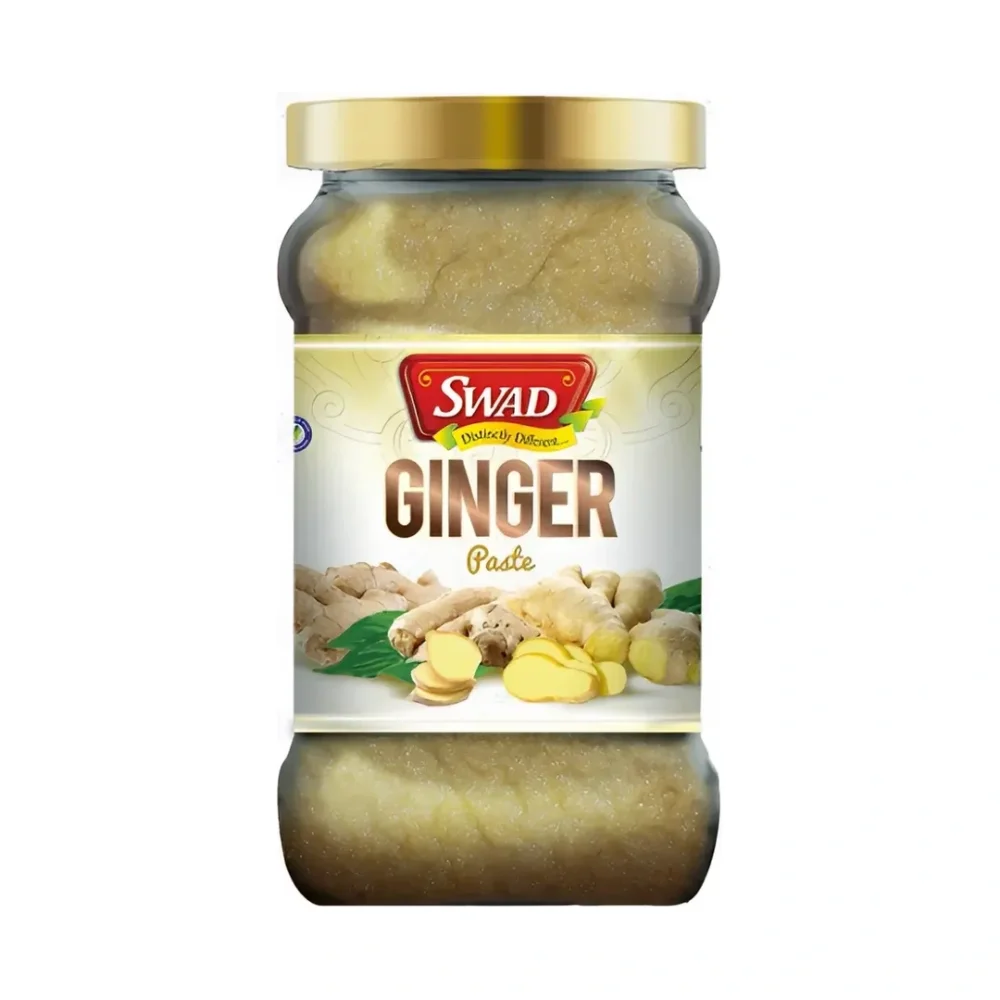
- Aromatics: ginger often lifts freshness even in a small amount. For a quick base, ginger paste can help (just a small amount, more for aroma than for "ginger heat").
Practical check when serving: if the bowl looks "heavy," it usually doesn’t help to reduce the rice by a few spoons but add freshness (herbs, acidity, pickles) and texture (crunchy vegetables, seeds, seaweed, something pickled).
What most often ruins light and fresh dishes (and how to fix it)
- Too much sauce: the dish gets "drowned" and loses clear flavors and texture. Fix: omit some sauce and rather add a small amount of strong seasoning + acidity.
- Lack of freshness: without herbs, acidity, or pickled component, even a good dish feels flat and heavy. Fix: add fresh elements at the end so they don’t wilt.
- Poor ratio of starch to the rest: a large pile of rice or noodles without vegetables and contrast easily shifts to a "heavy" impression. Fix: increase the vegetable part and add an acidic element.
- Too many fried elements at once: one crunchy accent can work wonderfully, but when everything is crunchy/fried, lightness disappears. Fix: choose only one "crunchy moment" and keep the rest fresh.
- Lack of texture: when everything is soft, the bowl doesn't feel lively. Fix: crunchy vegetables, seeds, pickles, or a raw layer often do more than additional spices.
What to take away from the article
- "Low-fat" Asian food is often more light and balanced – based on broth, herbs, acidity, and a good ratio of ingredients, not on "removing flavor."
- Lightness is recognized by readable flavors, the sauce doesn't overpower the ingredients, and freshness and texture are not missing.
- Across Asia, lighter styles include Japanese sets and simple bowls, Vietnamese broths and fresh rolls, Thai salads, some Korean rice and soup dishes and also cold noodles and salad bowls.
- The most common "killer" of lightness is too much sauce and lack of freshness. Usually acidity, herbs, and contrast help, not more sauce.

Read next
If you want to explore this topic further, continue with these related blog guides and articles:
